



Terracotta Woven Wall Hanging
A terracotta woven wall hanging brings earthy warmth and nomadic heritage into a room, offering rich textures crafted by tribal weavers.
Terracotta Woven Wall Hanging
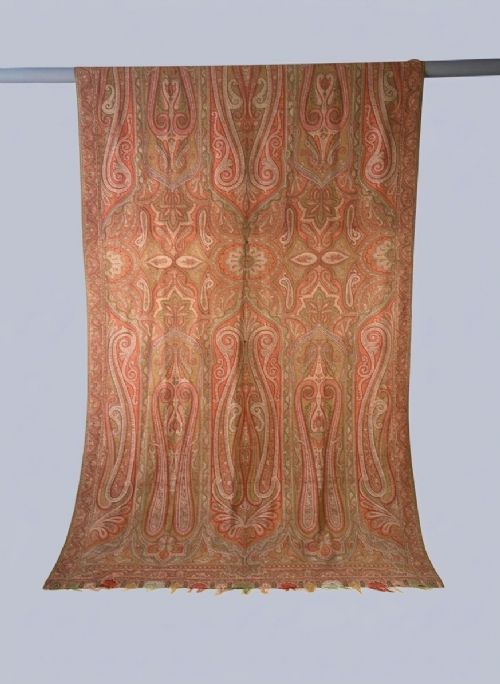
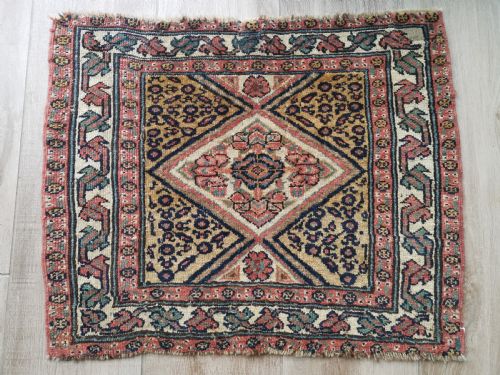
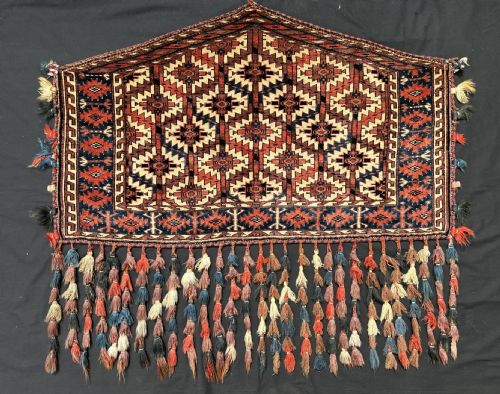
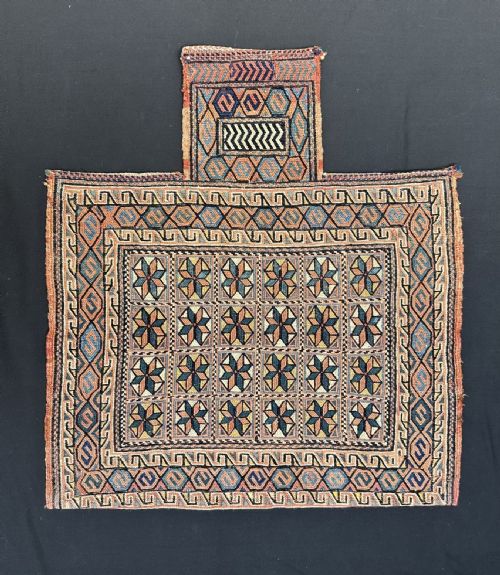
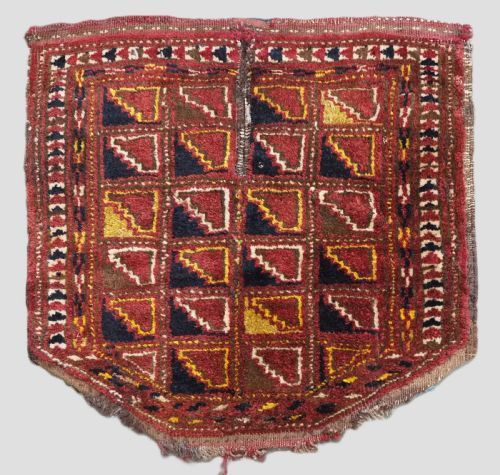
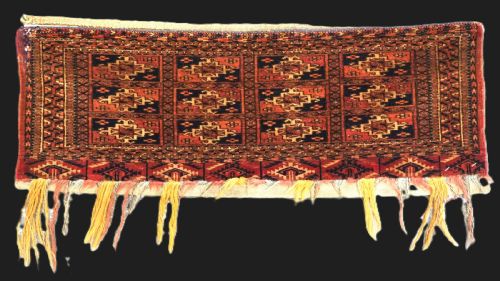
When searching for a terracotta woven wall hanging, collectors encounter nomadic and tribal weavings originating from Central Asia, Persia, and the Caucasus. These objects span periods from the early nineteenth century through to the early twentieth century, taking the form of bag faces, torbas, mafrashes, and kilim panels.
Most examples found in these listings began their lives as functional items of tribal equipment, including saddle bags, tent bands, and storage pouches, before being repurposed for display. Their distinct terracotta hues and terracotta woven wall hanging characteristics emerge from traditional vegetable and natural dyes utilised by weavers across Turkmenistan, Azerbaijan, and beyond.
How they were made
Makers utilised hand-spun wool, cotton, silk, goat hair, and dyed yarn, combining pile knots with flatweave techniques to create durable structures. Natural dyes provided the deep terracotta palettes, madder roots often yielding the signature reddish-brown tones seen across these pieces.
Weavers constructed each piece on portable horizontal looms, integrating supplementary weft-wrapping methods such as Soumac work alongside intricate geometric gul designs. Finished panels frequently retained original backs, tassels, and glass bead embellishments that evidence authentic tribal utility.
Some antique storage bags still contain traces of desert dust from the steppes.
What varies in quality
Quality rests upon the tightness of the weave, the clarity of the primary and secondary gul motifs, and the complexity of the border arrangements. Finer knots per square centimetre and complete structures with original backs or tassels indicate superior craftsmanship from the tribal workshops.
The vibrancy and depth of the natural terracotta dyes also determine distinction, with even colour saturation and minimal fading separating exceptional dowry pieces and tent decorations from standard utilitarian items.
The Terracotta Woven Wall Hanging Glossary
- Torba
- A small storage bag produced by Turkmen tribes, traditionally used within the yurt for domestic organisation. These rectangular pouches frequently feature repeated gul medallions.
- Mafrash
- A large rectangular storage box or bedding bag panel woven in flatweave or pile techniques. Nomadic groups utilised pairs of these containers for transport on pack animals.
- Gul
- A primary medallion motif stamped across Turkmen and Central Asian tribal weavings. Each distinct pattern identifies the specific tribe or clan that produced the textile.
- Soumac
- A flatweave technique involving supplementary weft wrapping that creates a durable textured surface. This method produces raised geometric patterns without the need for knotted piles.
- Kilim
- A tapestry-woven piece produced without a pile, resulting in a flat textile. These panels were constructed by interlocking weft threads tightly across the warp.
Terracotta Woven Wall Hanging: Frequently Asked Questions
What is a terracotta woven wall hanging?
A terracotta woven wall hanging is typically a repurposed tribal textile, such as a bag face or kilim panel, originating from nineteenth-century nomadic cultures.
These panels display rich reddish-brown natural dyes and geometric motifs, making them well-suited for modern interior display.
How were these tribal bags used originally?
Nomadic tribes utilised these woven pieces for daily practical storage inside tents and during migration on pack animals.
Items like torbas and saddle bags held household possessions, bedding, and salt before eventually finding new life as decorative wall art.
How do I care for a textile wall hanging?
Display the textile away from direct sunlight to protect the natural wool fibres and vegetable dyes from fading over time.
Gentle surface cleaning or professional textile conservation is recommended to maintain the structural integrity of older pieces.
How can I tell the age of a weaving?
Age is identified by examining the materials, such as hand-spun wool and natural dyes, alongside structural construction techniques.
Pieces dating from the nineteenth century generally exhibit variations in dye lots and denser knotting typical of traditional tribal production.