


Terracotta Prayer Rug
These woven pieces are a terracotta prayer rug, prized for traditional Anatolian, Caucasian, and tribal designs.
Terracotta Prayer Rug
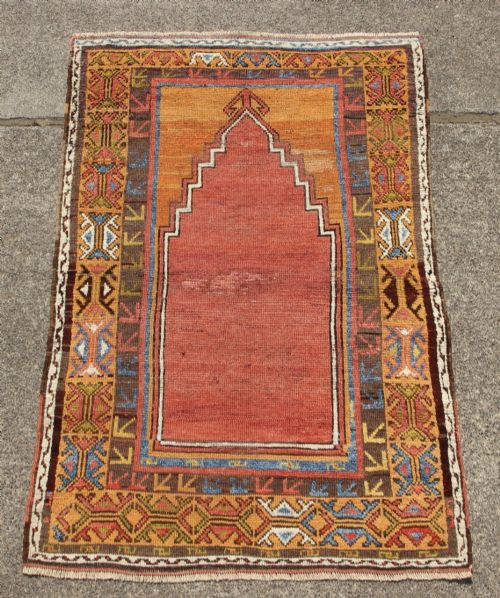
A terracotta prayer rug brings distinct mihrab arches and niche formats into a room, serving both functional floor covering and textile art. These pieces stem from Anatolian, Caucasian, and tribal workshops, spanning from the eighteenth century through to the early twentieth century.
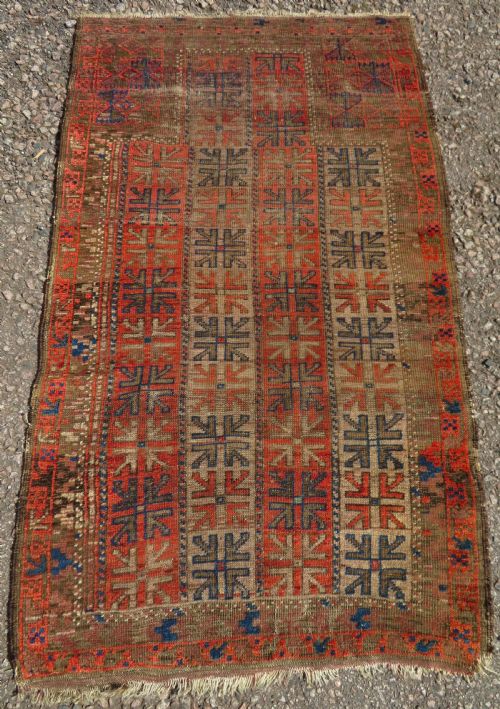
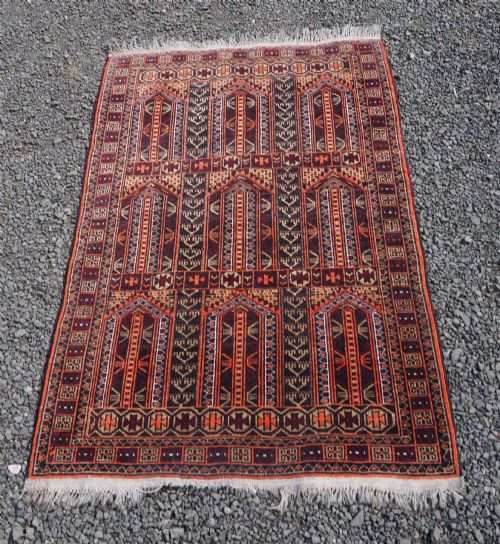
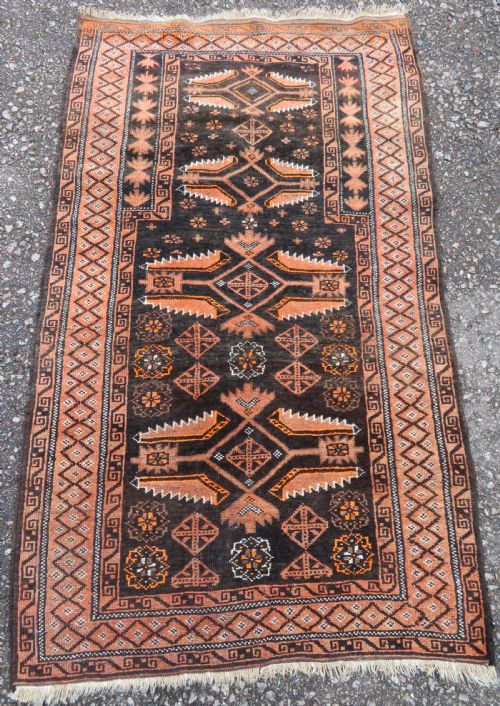
The most common versions met here include Turkish village examples from Milas, Konya, and Ghiordes alongside Afghan Baluch and Turkmen tribal formats. Each region utilises specific medallion layouts and border motifs that distinguish village production from nomadic weaving.
Format variations range from compact area rugs designed for personal devotion to wider carpets featuring double niches and mosque designs. The palette frequently centres on warm earthen tones, terracotta shades, and rich madder dyes.
Materials and construction methods
Weavers constructed these textiles predominantly using wool pile on wool or cotton foundations, occasionally incorporating hand-spun wool, goat hair, and silk thread for specific details. Natural dyes provided the deep terracotta, red, and blue hues characteristic of nineteenth-century village and tribal pieces.
Nomadic and village looms produced sturdy knotting designed for daily domestic use or prayer rituals. The integration of hand-spun materials and natural colorants gives surviving examples their distinct surface texture and patina.
Some nineteenth-century weavers thoughtfully included accidental crooked arches, proving that even devout hands occasionally required a bit of extra tea.
Differentiating quality across pieces
Quality rests upon the integrity of the natural dyes, the fineness of the knotting, and the clarity of the design drawing within the mihrab. Tribal and village pieces display individual weaver interpretations, where balanced proportions and saturated colour separation elevate the textile.
Preservation of the original pile length and untouched side cords separate superior survivals from heavily distressed examples. Strong wool quality and tight foundation tension ensure structural stability across the lifespan of the antique carpet.
The Terracotta Prayer Rug Glossary
- Mihrab
- The arched niche design at one or both ends of a prayer rug, pointing toward Mecca during worship.
- Seh Mihrab
- A triple-arched prayer niche design frequently found in regional Baluch and Afghan village rugs.
- Madder
- A natural red dye derived from plant roots, extensively utilised to create terracotta and brick-red tones in antique rugs.
- Boteh
- A stylised almond or paisley motif representing a floral spray or cypress tree, commonly seen in Caucasian and Persian weaving.
- Yuruk
- A term describing rugs woven by seminomadic Anatolian groups, known for heavy wool and saturated natural colours.
Terracotta Prayer Rug: Frequently Asked Questions
What is a terracotta prayer rug?
A terracotta prayer rug is a hand-knotted textile featuring a distinctive architectural niche or arch, known as a mihrab. These pieces were traditionally utilised for daily Islamic prayers across Anatolia, the Caucasus, and Central Asia.
The terracotta terminology refers to the warm earthen red and orange hues derived from natural dyes used by village and tribal weavers. Surviving examples date primarily from the eighteenth and nineteenth centuries up to the early twentieth century.
How were these rugs used originally?
These textiles served primarily as portable spaces for daily ritual prayer, oriented towards Mecca within the home or tent. Their distinctive architectural niche guided the user on placement and direction.
Beyond devotional use, fine examples functioned as valued household furnishings and dowry items within village and tribal communities. Their durable wool construction accommodated both floor placement and ceremonial display.
How do I care for an antique rug?
Proper maintenance for antique wool and natural dye textiles involves gentle vacuuming without rotary beater bars to protect fragile pile and weak foundations. Professional specialist cleaning should be utilised periodically to remove embedded dust safely.
Keeping the rug away from direct, harsh sunlight prevents the natural terracotta and madder dyes from fading over time. Rotating the piece occasionally ensures even wear patterns in high-traffic interior spaces.
How do I distinguish regional prayer rug styles?
Regional identification relies on observing specific border patterns, knotting structures, and structural materials like goat hair or hand-spun wool. Anatolian pieces from Milas or Konya often feature distinct star borders and terracotta fields, whereas Caucasian examples like Marasali display crisp geometric drawing.
Tribal Baluch and Turkmen pieces from Afghanistan typically incorporate darker palettes and distinctive repeated guls or triple mihrab arches. Comparing the secondary borders and end finishes helps isolate specific nineteenth-century village origins.