


Terracotta Olive Vessel
These terracotta olive vessel examples bring honest Mediterranean utility and warm earthen tone into a modern room.
Terracotta Olive Vessel
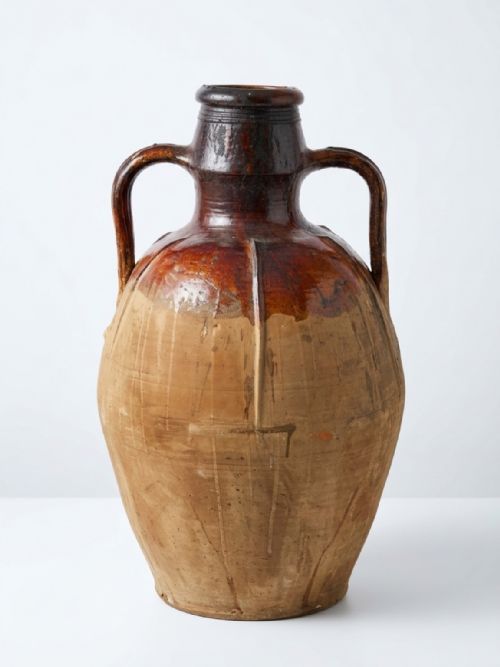
A terracotta olive vessel is a large ceramic container originally made for storing or transporting oil, wine, and water across the Mediterranean. When you search for a terracotta olive vessel today, you encounter robust storage forms that served utilitarian roles in French, Italian, Turkish, and Portuguese rural life. These pieces appear primarily as jars, amphorae, jugs, and garden planters dating from the eighteenth century through to the early twentieth century.
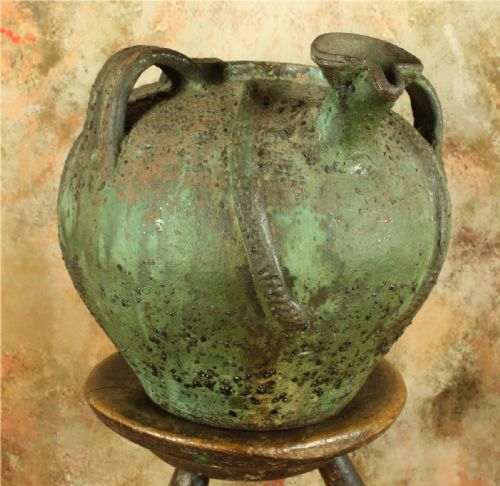
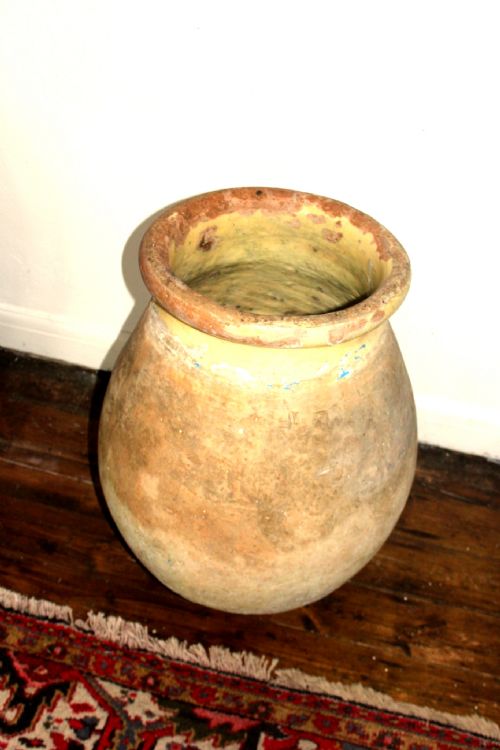
The versions most commonly met on this page span the nineteenth century, including notable French Biot jars and large oil jars from various Mediterranean origins. They range from unglazed earthenware with aged lime wash to pieces featuring green glazes or painted finishes. Their heavy, functional forms reflect regional agricultural traditions adapted now for interior display or garden use.
How they were made
These vessels rely on basic earthen materials including clay, terracotta, and earthenware, shaped by hand or on large wheels to form thick walls capable of enduring heavy agricultural use. Many surfaces carry traces of lime wash, glaze, or painted finishes applied to seal the porous clay or provide simple decoration. Structural support sometimes involves wrought iron mounts or stands designed to steady round-bottomed forms.
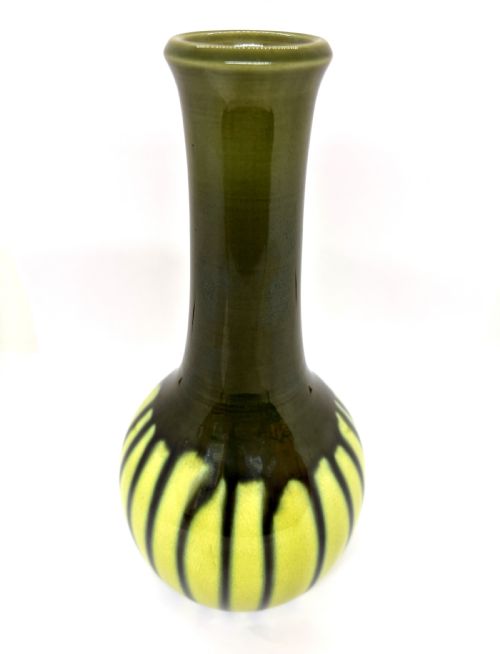
Kiln firing methods left individual marks, producing colour variations across the clay body from pale buff to deep reddish brown. Potters built handles onto the shoulders of the jugs and jars to aid lifting, while makers like Burmantoft's Pottery introduced refined ceramic glazes during the later nineteenth century.
Several heavy vessels arrive complete with three handles, designed so two people could heave the slippery oil jar without dropping the harvest.
What varies in quality
The distinction between ordinary utility items and superior examples rests in the harmony of proportion, the depth of the patination, and the integrity of the surface. A finer vessel displays a balanced thrown form with well-proportioned handles and a weathered skin earned through decades of exposure rather than artificial distress. Maker attributions, such as those from established potteries, elevate the standing of a ceramic piece.
Signatures of regional handwork, including visible throwing rings, tool marks, and genuine historic repairs, separate authentic folk pieces from later commercial reproductions. The presence of original surface treatments like intact lime wash or historic green glazes adds character that lesser, plain containers lack.
Burmantoft's Pottery
The Terracotta Olive Vessel Glossary
- Amphora
- A two-handled jar with a narrow neck used in ancient times and traditional Mediterranean cultures for storage. These vessels often feature pointed or rounded bases designed to stand in sand or special frames.
- Biot Jar
- A distinct style of heavy terracotta storage jar originating from the French village of Biot. These pieces are recognised by their generous proportions and historical association with Provençal olive oil production.
- Confit Jar
- A traditional French earthenware pot characterised by glazed upper sections and unglazed lower bodies. They were utilised in rural kitchens for preserving meats and provisions.
- Terracotta
- Fired clay that has not been vitrified, resulting in a porous, brownish-red ceramic body. It forms the core material for nearly all traditional Mediterranean garden urns and oil jars.
- Lime Wash
- A traditional coating made from slaked lime and water applied to exterior masonry and pottery surfaces. Over time, it weathers into a chalky patina that adheres closely to the underlying clay.
Terracotta Olive Vessel: Frequently Asked Questions
How were terracotta olive vessels used?
These large ceramic containers served primarily for storing, fermenting, and transporting agricultural goods such as olive oil, wine, and grain across rural Mediterranean households. Their thick walls helped maintain stable internal temperatures for perishable provisions.
Over generations, many migrated from working farmyards to garden terraces and interior halls where their practical utility transitioned into decorative architectural statements.
Are these vessels frost resistant?
Most antique terracotta is porous and can absorb moisture, which expands during freezing temperatures and risks cracking the historical clay body. Collectors generally advise moving heavy jars indoors or protecting them during harsh winter weather.
Placing containers on pot feet or gravel helps prevent ground moisture from rising through the base of the vessel.
How do I clean an antique terracotta pot?
Gentle brushing with a soft bristle brush and warm water removes surface dust without harming the delicate patination or historic lime wash. Harsh detergents and wire brushes strip away centuries of accumulated character and should be avoided.
Allow the earthenware to dry naturally away from direct artificial heat sources to prevent thermal shock to the old clay.
How can I tell an 18th century jar from a later one?
Eighteenth-century examples often exhibit more irregular hand-thrown profiles, thicker potting, and deeper tool marks from primitive wheel techniques. Their surface wear shows extensive weathering and organic patination accumulated over centuries of use.
Nineteenth-century and later pieces tend toward greater uniformity in shape and thinner walls, reflecting more standardised regional kiln production methods.