





Rustic French Garden Pot
A rustic french garden pot brings authentic weathered charm to outdoor spaces, combining robust utility with timeless artisanal character.
Rustic French Garden Pot
When you search for a rustic french garden pot, you are looking at utilitarian vessels designed for planting, growing, and outdoor display. The examples on this page span from the nineteenth century through the early decades of the twentieth century, capturing decades of practical garden use.
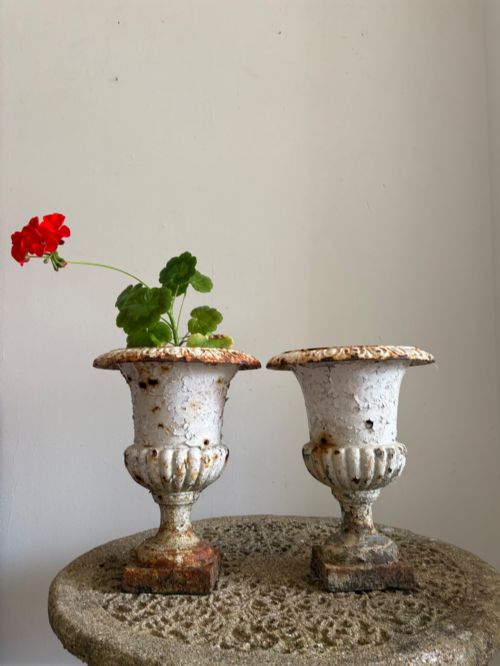
You are most likely to meet terracotta and earthenware jars, alongside heavy metal urns and zinc planters. These pieces originate from French country settings, ranging from traditional Provençal workshops to utilitarian potting sheds and orangeries.
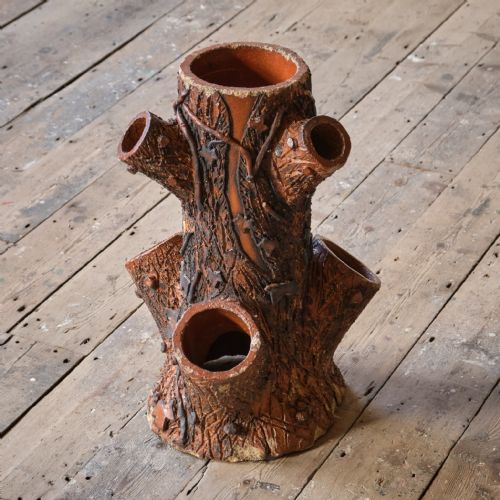
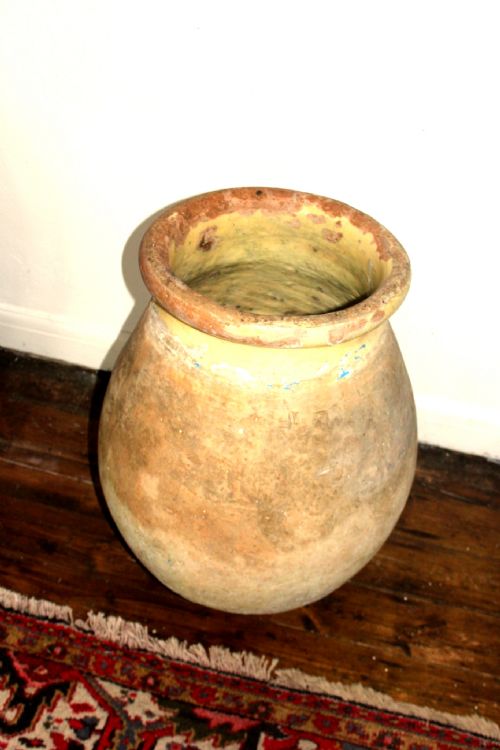
The forms vary from large olive jars and strawberry planters to classical urns and simple garden pots. Each object carries the marks of its working life in French gardens and courtyards, shaped by regional traditions of utility.
How they were made
Potters shaped terracotta and earthenware by hand or on wheels, building large vessels like Biot jars and olive jars to hold plants and stores. These clay bodies were fired in kilns to create porous structures suited for outdoor cultivation.
Metalworkers utilised cast iron, wrought iron, zinc, and copper to fashion sturdy garden urns, planters, and folding tables. Carpenters and metalworkers also constructed timber and metal tables with verdigris copper tops for potting sheds.
Rustic French Garden Pot Retail Price Guide 2026
Typical asking prices for rustic french garden pot among the pieces listed under this phrase on Sellingantiques today, from the lower quarter to the upper quarter. They describe what is for sale here now, not the wider market.
What varies in quality
Quality rests in the integrity of the material and the honesty of the weathering accumulated over generations of exposure. Pieces with deep, naturally formed patinas and undisturbed surfaces stand apart from lesser or altered examples.
The weight and thickness of the terracotta or the robustness of the cast iron and zinc construction define the standard of manufacture. Well-proportioned forms with harmonious balance show the skill of the original maker.
The Rustic French Garden Pot Glossary
- Terracotta
- Fired unglazed clay of a brownish-red colour. This material is porous, allowing air and moisture to reach plant roots.
- Biot jar
- A large traditional earthenware storage vessel originating from the French village of Biot. These pots were historically used for holding oil or water.
- Faux bois
- Imitation wood grain rendered in concrete, iron, or plaster. Nineteenth-century artisans used this technique to create garden planters that resembled natural tree trunks.
- Verdigris
- A green patina formed naturally on copper, brass, or bronze through atmospheric oxidation. This chemical change protects the underlying metal while adding visual depth.
- Orangery
- A protected building used to winter delicate fruit trees and exotic plants. These structures housed heavy planters and potting tables during colder months.
Rustic French Garden Pot: Frequently Asked Questions
How were these pots used?
These vessels served practical roles in French gardens, courtyards, and orangeries for growing plants, housing small trees, and storing produce like olives.
They were built to withstand the elements, standing outdoors year-round to support the daily routines of country estates and working gardens.
Can I leave terracotta outside in winter?
Traditional earthenware and terracotta are porous and can absorb moisture that expands when frozen, risking cracks in severe cold.
Moving older pots under shelter or draining them thoroughly during freezing weather helps preserve the clay body.
How do I clean an antique garden pot?
Gentle brushing with water removes loose dirt while preserving the accumulated patina and moss that mark the age of the piece.
Harsh chemical cleaners or abrasive scouring should be avoided, as they strip away the weathered surfaces valued by collectors.
How do I date a French garden pot?
Dating relies on observing manufacturing marks, the composition of the clay or metal, and the tool marks left by the maker.
Comparing the form and weight to documented nineteenth and early twentieth-century examples provides a reliable guide to the period of origin.