




Terracotta Floor Rug
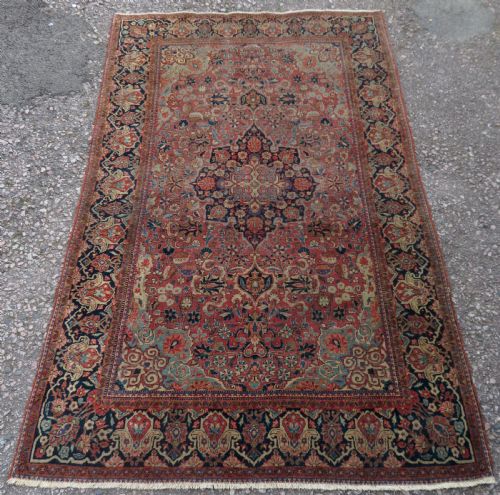
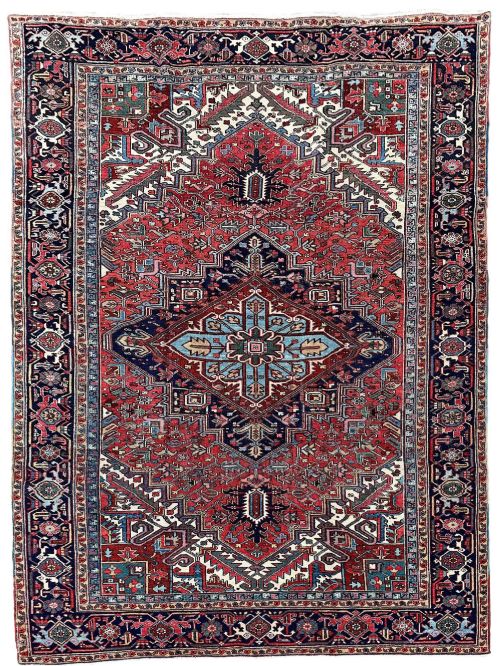
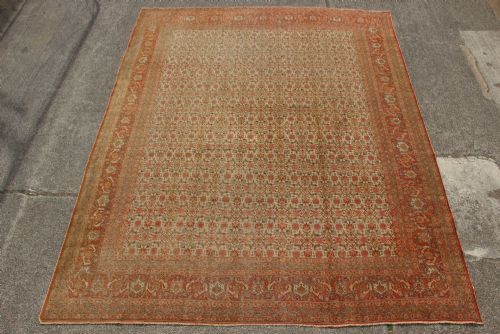
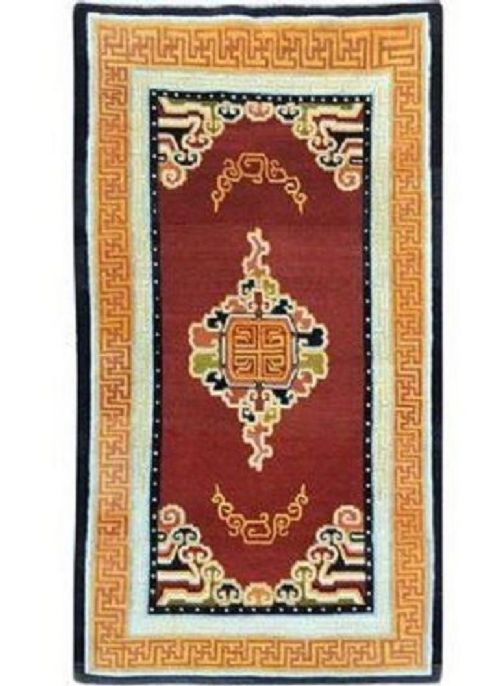
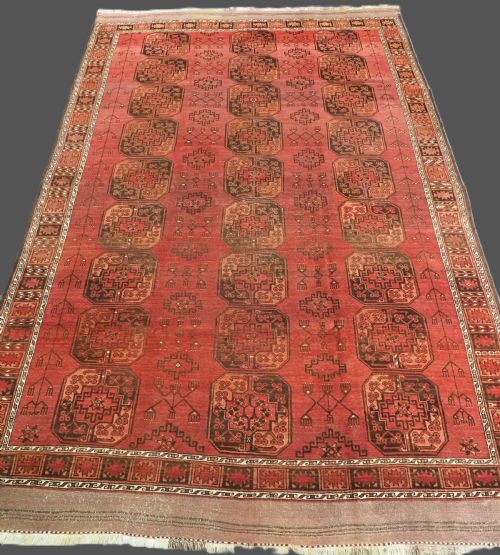
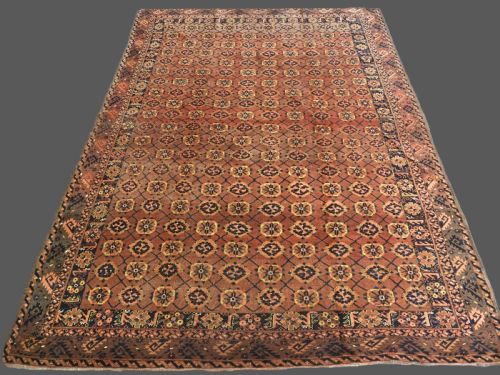
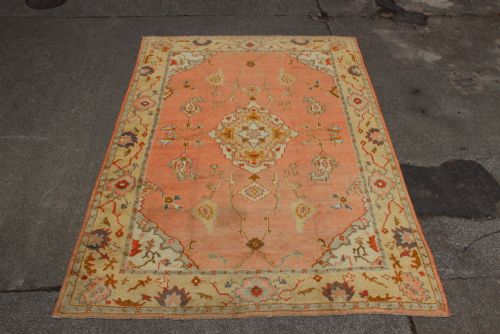
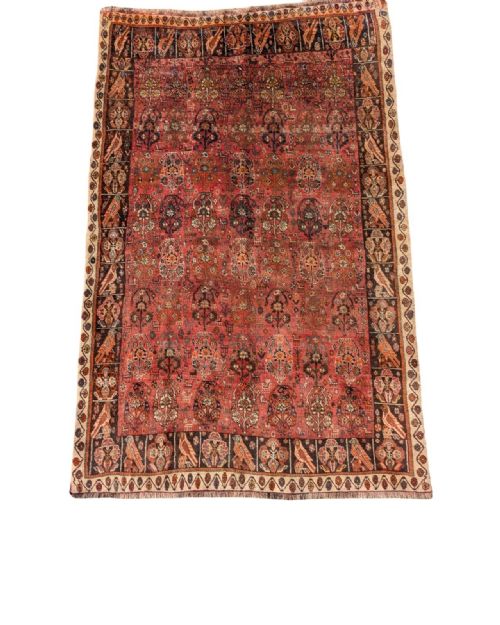
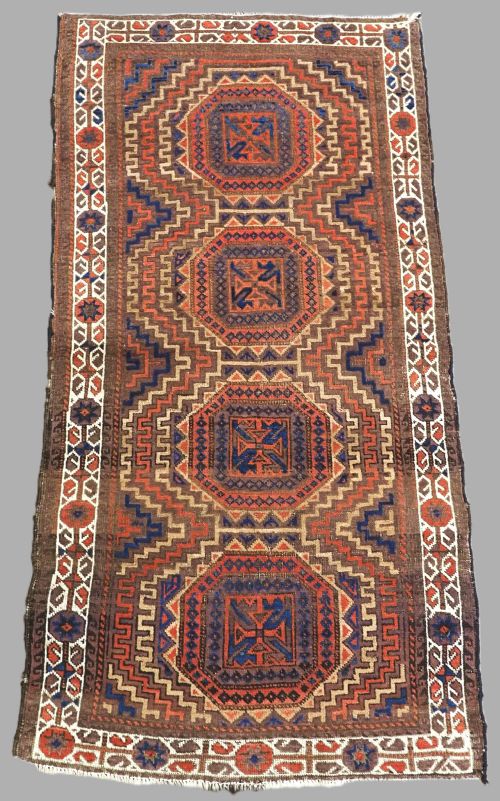
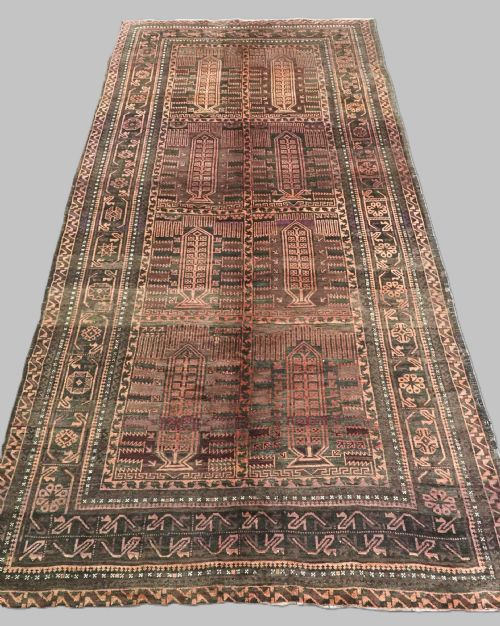
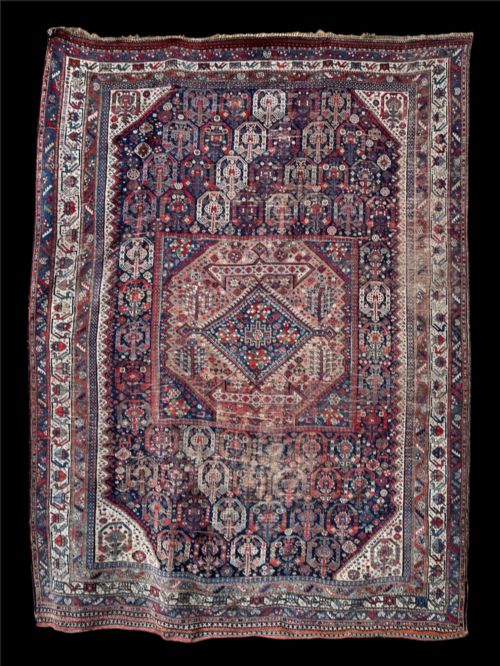
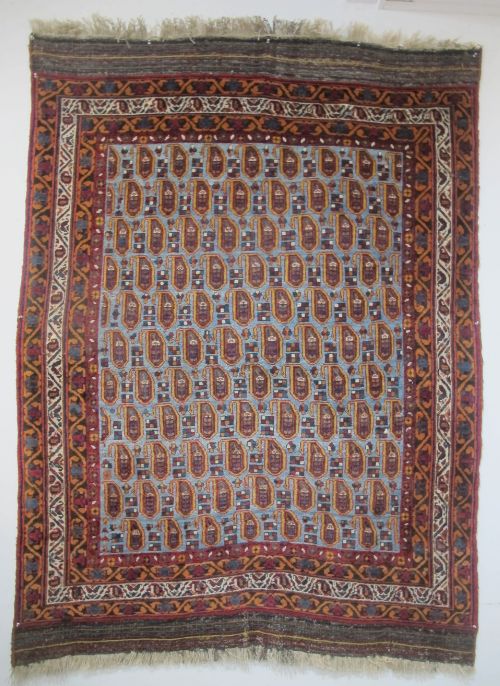
These terracotta floor rug examples gather hand-knotted tribal and village carpets from the nineteenth and early twentieth centuries, bringing earthy warmth to a room.
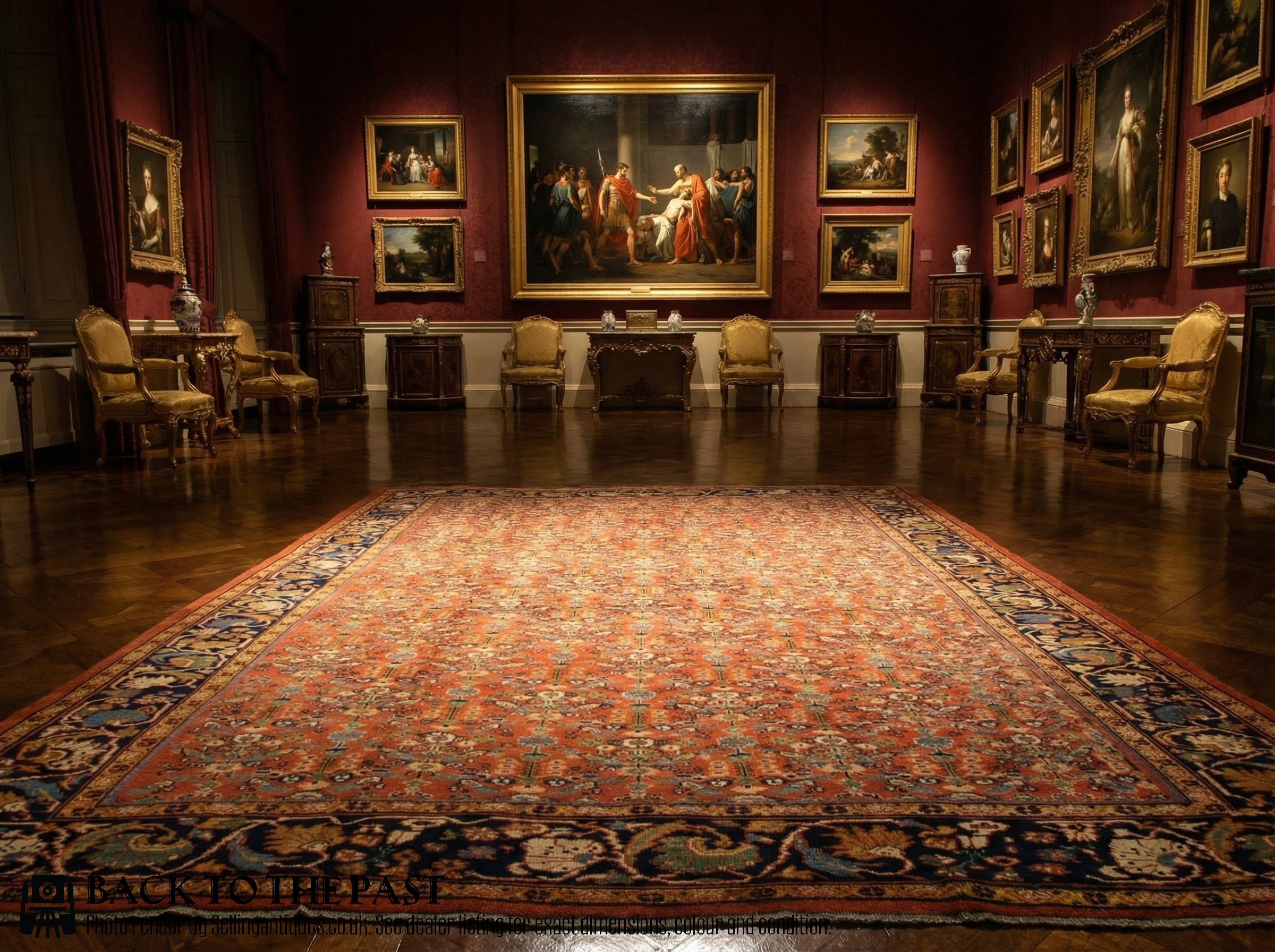
Terracotta Floor Rug
A terracotta floor rug search gathers hand-knotted carpets and rugs originating from Persian, Turkish, and Turkmen workshops and nomadic tribes. The selection spans the nineteenth century through the 1930s, encompassing large mansion carpets down to small scatter rugs. Village and tribal pieces dominate the inventory, reflecting traditional local weaving patterns.
Makers and weavers utilised regional motifs such as large guls, geometric medallions, and all-over designs. Formats range from runners and square area rugs to oversized carpets measuring several metres in length. Materials reflect the pastoral economies of their makers, with durable pile floors designed for practical utility.
How they were made
The pieces on this page are constructed using wool, cotton, and silk materials hand-knotted onto textile foundations. Weavers worked by hand, tying pile knots to build dense, hard-wearing surfaces capable of enduring generations of foot traffic.
Natural dye traditions governed the palette of these floor coverings, producing rich terracotta, ivory, navy, and sky blue hues. Foundation warps often combined wool and cotton, depending on whether the rug emerged from a tribal tent or a settled workshop.
The listings span eight distinct decades of production, running from the 1870s through to the 1930s.
What varies in quality
Quality in these woven works rests upon knot density and the precision of the geometric or floral layout. Finer wool selection and tightly beaten foundation threads produce a more stable, resilient structure that retains crisp design edges.
The depth and consistency of the dye work differentiate standard village production from master-woven examples such as Serapi or Haji Jalili Tabriz carpets. Handling reveals the suppleness of the foundation, where superior tension creates a balanced, flat drape across the floor.
Haji Jalili·Ersari Turkmen
The Terracotta Floor Rug Glossary
- Gul
- A repeating medallion motif often found in Turkmen and tribal carpets. It forms the primary focal point of the field design.
- Heriz
- A style of carpet originating from north-west Persia characterised by bold geometric medallions and durable structure. These pieces often feature large-scale corner spandrels.
- Knot
- The individual loop of wool, cotton, or silk tied to the warp threads that forms the pile surface. Higher counts generally indicate finer execution.
- Runner
- A long, narrow carpet format designed for hallways, corridors, or alongside beds. They preserve the traditional patterns of larger carpets scaled to linear spaces.
- Warp
- The stationary vertical threads stretched onto a loom that hold the structural integrity of the rug. Weft threads are interlaced across them to secure the knots.
Terracotta Floor Rug: Frequently Asked Questions
How do I clean an antique rug?
Surface dust is best removed through gentle, low-suction vacuuming without a rotating brush bar. Professional textile cleaning is recommended for deep washing to protect natural dyes.
Avoid harsh chemical detergents and excessive moisture, which can weaken old wool fibres and alter the original tones.
Where were these carpets woven?
The pieces originate across Persia, Anatolia, and Central Asia, spanning village workshops and tribal encampments. Regions such as Heriz, Tabriz, and Ushak developed distinct local weaving identities.
Nomadic groups including the Baluch, Qashqai, and Bakhtiari produced distinctive portable floor coverings reflecting their specific heritage.
Can I place these rugs in high-traffic areas?
Traditional hand-knotted wool carpets are inherently durable and built for daily domestic use. Placing a quality underlay beneath the rug prevents slipping and reduces friction against the floorboards.
Rotating the carpet periodically ensures even wear across the pile over the years.
How do I determine the age of a rug?
Age is assessed through structural characteristics, material handling, and dye analysis. Stylistic markers align with periods from the nineteenth century up to the 1930s.
Slight irregularities in weave and natural variations in colour often point towards traditional hand production rather than later machine replication.