



Orange Wool Area Rug
An orange wool area rug brings warmth and rich pattern to a room through traditional woven artistry.
Orange Wool Area Rug
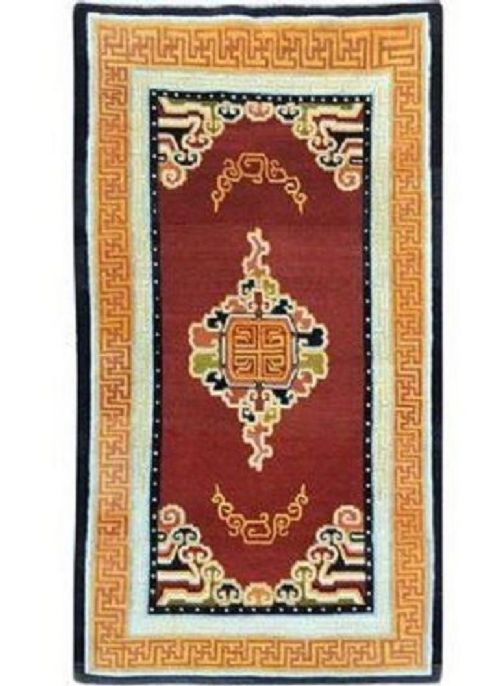
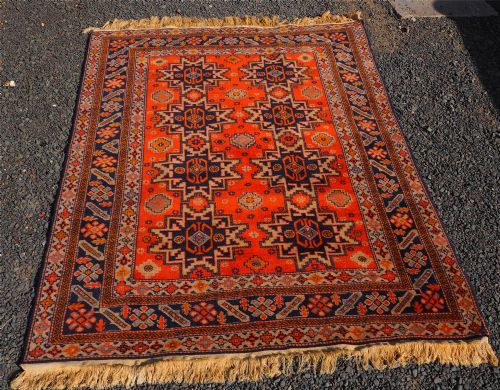
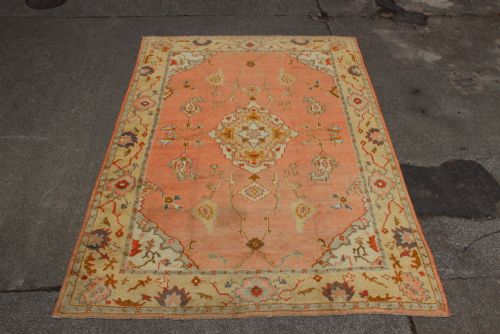
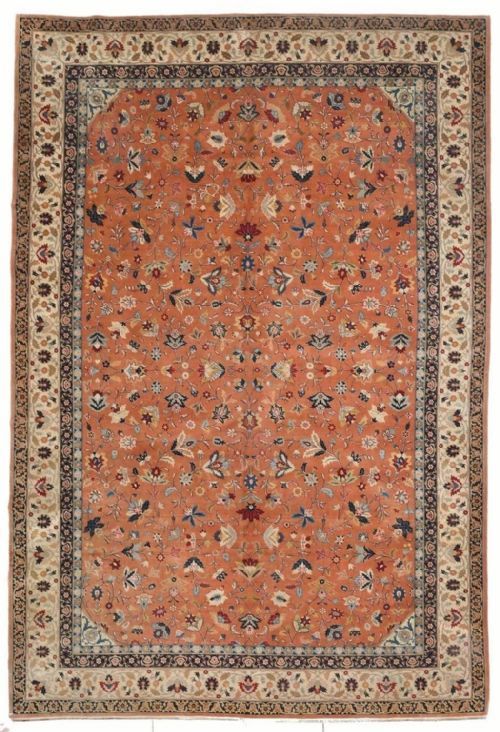
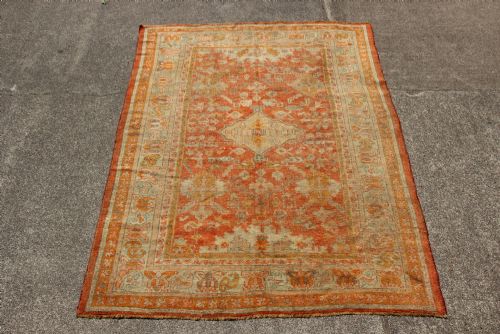
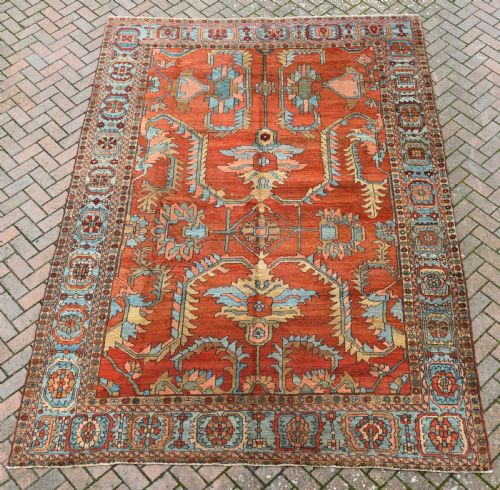
An orange wool area rug encompasses historical woven floor coverings from origins including Persia, Turkey, Tibet and the Caucasus, spanning the nineteenth and early twentieth centuries. These pieces display distinct regional designs such as Oushak, Tabriz, Heriz and tribal motifs, bringing deep terracotta, rust and mellow colouration into interior spaces.
Buyers encountering this selection will discover room-sized carpets alongside smaller village and prayer rugs dating from the 1880s to the 1930s. The assortment highlights traditional wool construction combined with foundational cotton elements, reflecting the enduring craftsmanship of Anatolian, Persian and tribal weavers.
Materials and construction methods
These floor coverings utilise natural wool for the pile, chosen for its resilience and capacity to hold rich dye variations over decades of use. Cotton frequently serves as the foundation material for the warp and weft, providing structural stability to the woven field.
Weavers employed traditional hand-knotting techniques specific to their regions, whether producing large Oushak carpets or smaller tribal village pieces. The combination of dense wool pile and sturdy foundation threads ensures the longevity visible in surviving nineteenth and early twentieth-century examples.
Anatolian weavers occasionally incorporated star borders into prayer rugs to ward off misfortune, hiding tiny geometric charms within the wool.
Assessing quality and character
Quality in these woven works rests upon the fineness of the knotting, the balance of the regional design, and the depth achieved in the wool pile. Superior examples display harmonious proportions, clear execution of traditional motifs, and even wear that enhances the visual texture.
The handling of natural dyes creates subtle tonal shifts across the surface, distinguishing finely executed village and workshop carpets from simpler productions. Well-preserved foundations and intact borders further indicate the original standard of craftsmanship.
The Orange Wool Area Rug Glossary
- Oushak
- A style of carpet originating from the town of Ushak in western Anatolia, known for large-scale floral designs and warm terracotta or mellow colour palettes. These pieces often feature muted tones that blend into traditional interiors.
- Tabriz
- A type of woven carpet from northwestern Persia featuring intricate medallion or pictorial designs. They demonstrate sophisticated city workshop weaving traditions.
- Heriz
- A Persian carpet style characterised by bold geometric medallions and strong structural framing. These durable pieces typically incorporate robust wool and distinctive earthy hues.
- Prayer rug
- A small rug featuring a mihrab or arch design indicating the direction of prayer, traditionally produced in Anatolia and surrounding regions. They serve both devotional purposes and decorative hanging displays.
- Pile
- The upright yarn loops that form the tactile surface of a rug. In these pieces, wool pile provides both warmth underfoot and protection for the structural foundation.
Orange Wool Area Rug: Frequently Asked Questions
How do I clean an antique wool rug?
Gentle vacuuming without a rotating brush helps remove everyday dust without disturbing the wool fibres. Professional specialist cleaning remains essential for addressing deeper soil safely.
Harsh chemical treatments and excessive water should be avoided to protect the natural dyes and historical foundation threads.
Where should I place a vintage tribal rug?
These rugs suit areas with moderate foot traffic, such as studies, bedrooms or quiet living spaces. Their rich terracotta and rust tones complement wooden flooring and traditional furniture.
Using a quality underlay prevents slipping and reduces friction between the wool foundation and hard floors.
What defines an Oushak carpet?
Oushak carpets originate from western Anatolia and are recognised for their relaxed floral motifs and expansive field designs. They frequently employ soft terracotta, orange and mellow colour palettes.
Their looser knotting style gives them a softer handle compared to densely packed city workshop carpets.
How can I tell the age of these rugs?
Dating relies on stylistic analysis, structural materials, and the character of the natural dyes used in the wool pile. Nineteenth-century examples often exhibit specific regional knotting densities and organic wear patterns.
Comparing border designs and colour palettes against documented regional traditions helps narrow down the period of manufacture.