
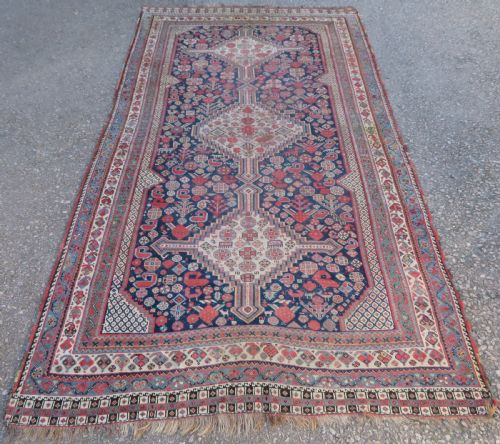
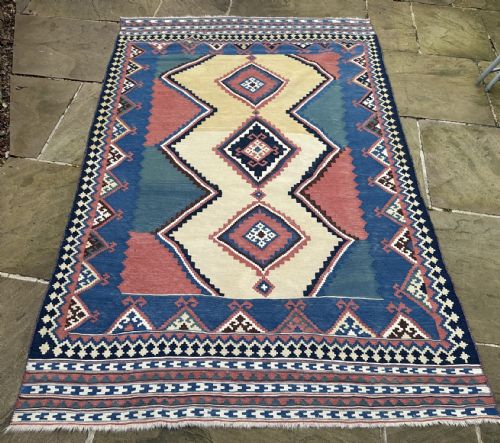
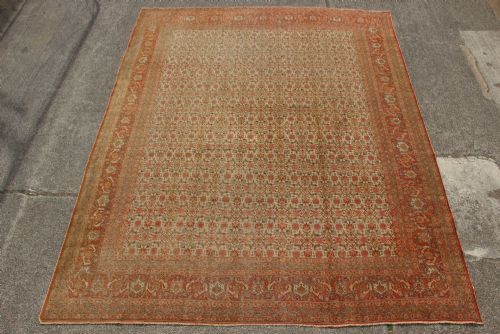




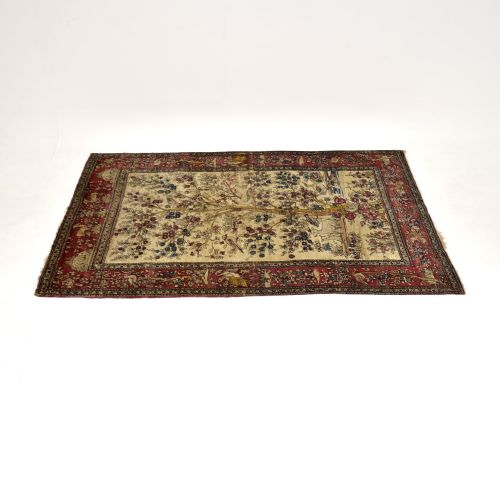

Vintage Woven Persian Rug
A vintage woven persian rug brings the rich texture and enduring patterns of traditional dyeing and knotting into a room.
Vintage Woven Persian Rug
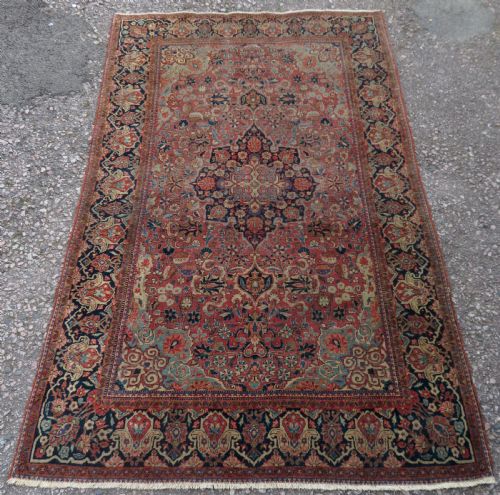
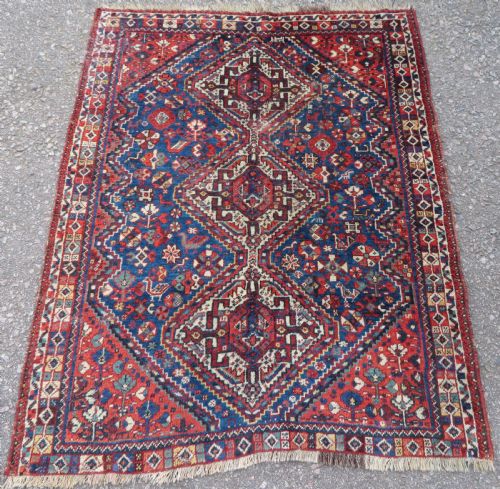
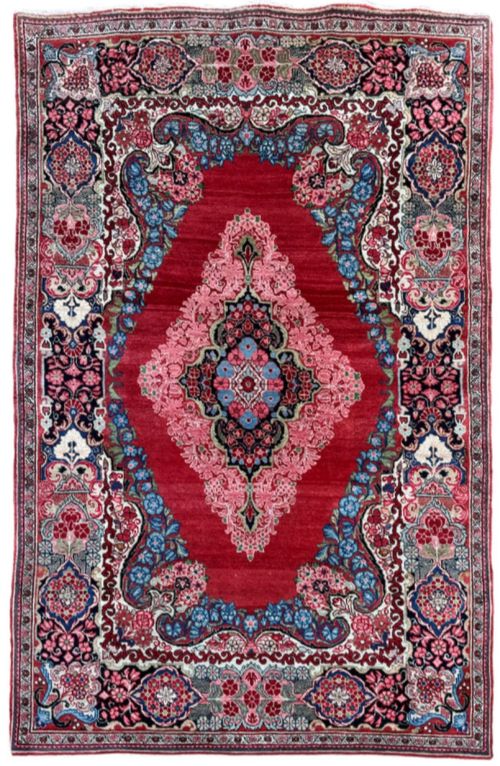
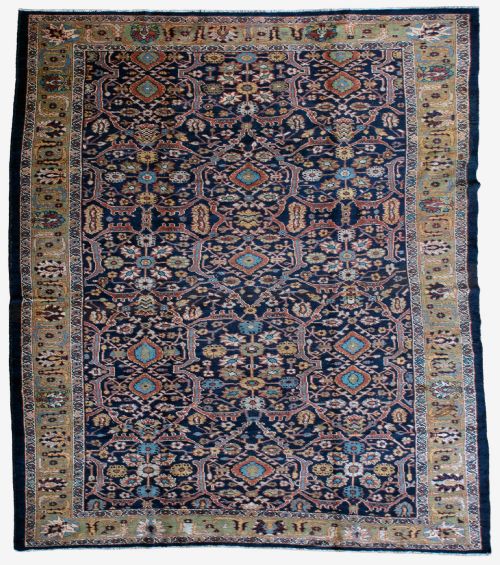
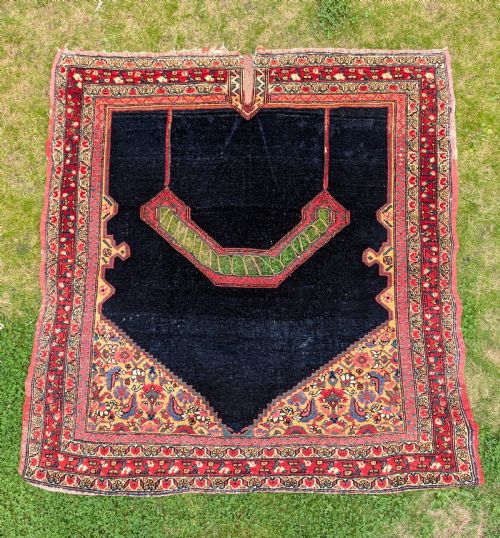
A vintage woven persian rug encompasses a wide variety of floor coverings and tribal textiles originating from workshops, villages, and nomadic groups across the region. Buyers searching this phrase meet everything from room-sized carpets down to smaller utility pieces like saddle bags and salt bags.
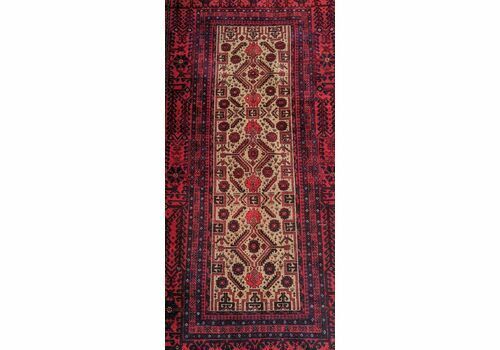
The selection ranges across several decades and centuries, with pieces originating from periods such as the nineteenth century up through the nineteen-thirties. Forms vary significantly, including large carpets, hallway runners, hearth-sized mats, and specific tribal weaving types.
Village and nomadic pieces show distinct regional characteristics tied to specific groups like the Afshar, Bakhtiar, Khamseh, and Qashqai. Meanwhile, pieces attributed to centres such as Heriz, Isfahan, Saroukh, and Tabriz display structured workshop traditions.
Materials and Construction
Construction relies heavily on wool, hand-spun wool, and cotton foundations, occasionally accented with silk highlights depending on the origin and period of the piece. Artisans employed hand-knotting techniques to build dense piles on warp and weft foundations.
Natural dyes provide the foundational palette for these textiles, resulting in rich colours that age with depth and character. The combination of hand-spun materials and traditional dyestuffs ensures the texture and hue evolve gracefully over time.
Several antique bags retain their original hanging straps, once used to transport belongings across dusty plains on the backs of animals.
Assessing Quality
Quality in these textiles rests upon the fineness of the knotting, the consistency of the weave, and the integrity of the foundation materials. Denser knotting allows for sharper definition in geometric and floral motifs across both tribal and workshop pieces.
The depth and brilliance of the colour palette also dictate standing, with natural dyes providing a superior tonal variation compared to later chemical counterparts. Furthermore, the originality of borders, ends, and overall structural preservation elevate certain examples above others.
The Vintage Woven Persian Rug Glossary
- Knot
- The individual loops of wool, cotton, or silk tied around the warp threads that form the pile of the carpet. Higher knot counts generally allow for greater intricacy in pattern definition.
- Warp
- The vertical threads stretched tightly on the loom before weaving begins, forming the structural backbone of the textile. Fringe is typically a direct extension of these warp threads.
- Weft
- The horizontal threads passed back and forth through the warp threads to secure the knots in place. Multiple weft shots can alter the handle and rigidity of the finished rug.
- Medallion
- A central ornamental design motif placed in the middle of the field. Many traditional designs revolve around this focal point, echoed by corner spandrels.
- Natural Dye
- Colourants derived from plant, insect, or mineral sources prior to the widespread adoption of synthetic dyes. These materials produce complex, harmonious shades that mellow appealingly with age.
Vintage Woven Persian Rug: Frequently Asked Questions
How do I identify a tribal rug?
Tribal pieces usually display asymmetrical designs, geometric motifs, and earthy palettes influenced by nomadic traditions rather than rigid workshop cartoons. Look for spontaneous variations in the weave and local symbols unique to specific weaving confederations.
These items often include utilitarian forms such as saddle bags, salt bags, and smaller mats produced for daily nomadic life rather than formal palace display.
What is the difference between a rug and a carpet?
In traditional terms, carpets generally refer to larger floor coverings designed to anchor a principal room, whereas rugs cover smaller floor areas or specific hearth spaces. The distinction often comes down to dimensions rather than construction method or materials.
Both categories utilise hand-knotting techniques over wool or cotton foundations, sharing identical regional styles whether originating from a workshop or a village.
How should I care for a wool rug?
Regular gentle vacuuming without a rotating brush bar prevents dust and grit from settling deep into the wool pile. Professional cleaning suited to antique textiles maintains the integrity of the natural dyes and fibres.
Keeping the piece out of direct, harsh sunlight protects the natural dyes from fading unevenly over the years. Using a suitable underlay prevents unnecessary friction against hard floors.
How do I tell regional styles apart?
Regional styles depend heavily on the specific motifs, colour combinations, and structural densities characteristic of different weaving centres and tribes. For instance, Heriz pieces often feature bold geometric medallions, while Isfahan and Tabriz examples typically present refined floral curves.
Examining the border design and the specific type of wool or knotting provides further clues to whether a piece originated from a specific village, city workshop, or nomadic group.