


Tekke Turkmen Wall Hanging
When collectors seek a tekke turkmen wall hanging, they search for tribal weavings carrying deep cultural geometry and rich madder tones from Central Asia.
Tekke Turkmen Wall Hanging
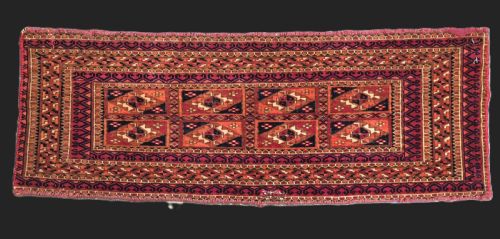
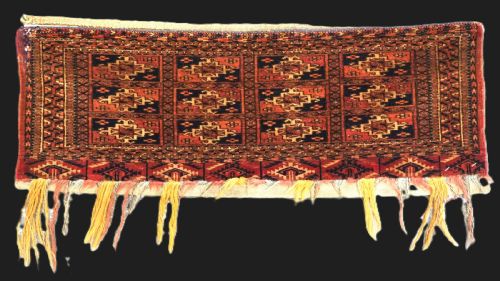
A tekke turkmen wall hanging encompasses utilitarian nomad weavings adapted for display, including torbas, chuvals, and engsis produced across nineteenth-century Central Asia. These items originated as tent storage bags, camel bags, or tent door hangings created by Turkmen tribal weavers for domestic utility and dowry purposes. Today, collectors mount these nomadic textiles on walls to appreciate their intricate tribal iconography and structural craftsmanship.
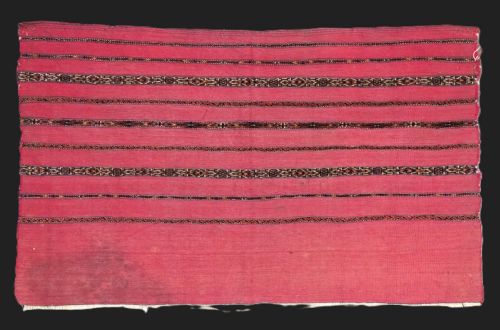
The selections on this page predominantly feature nineteenth-century examples, ranging from structured torba faces to complete chuvals with plain weave backs intact. Pieces often display characteristic primary motifs such as gul roundels,aina gul patterns, or scrolled leaf designs worked in rich regional palettes. Certain specimens retain original hanging loops or specific tribal formats linked to the Merv Oasis and wider Turkmen territories.
What varies in quality
Knot density and structural integrity dictate the upper tier of these tribal weavings, separating standard utility items from exceptionally fine workshop output. A high knot count allows precise execution of complex secondary ornaments and maintains the crisp geometry of primary gul medallions.
Colour saturation and the clarity of drawing further distinguish superior examples from ordinary pieces. Master weavers achieved balanced proportions and vibrant dye lots that elevate the visual rhythm of the repeating motifs across the field.
Current listings span the nineteenth century, featuring wool and cotton materials dyed with natural colours across tribal rug and wall hanging formats.
The Tekke Turkmen Wall Hanging Glossary
- Gul
- The primary octagonal or repeating medallion motif central to Turkmen tribal design. Different tribes utilised distinct gul variations to signify lineage and origin.
- Torba
- A small utility bag woven by nomadic groups for domestic storage inside the yurt. These smaller formats frequently function as decorative wall displays today.
- Chuval
- A large storage bag traditionally used for bedding and household goods within a tent. Surviving examples often appear as isolated faces or complete pieces retaining plain weave backs.
- Engsi
- A specialised wall hanging or rug positioned over the interior doorway of a nomad tent. They feature a distinct quartered field design separated by a vertical candelabra motif.
- Elem
- The heavily patterned lower decorative panel situated beneath the main field of a bag face or hanging. This border zone often incorporates floral or tree motifs.
Tekke Turkmen Wall Hanging: Frequently Asked Questions
How were these textiles used originally?
Nomadic families utilised these woven structures inside portable yurts for storing household possessions, clothing, and bedding. Specific formats served as tent door coverings or camel bags during seasonal migrations.
Over time, collectors removed these items from active domestic utility to preserve their pile and display their tribal designs on interior walls. This shift transformed functional tribal property into appreciated textile art.
How do you date a nineteenth century piece?
Dating relies on assessing the quality of the natural dyes, wool preparation, and structural fineness of the weave. Earlier nineteenth-century examples often display deeper madder red saturations and denser knotting techniques compared to later output.
Examining the drawing style of the guls and the presence of original plain weave backs helps contextualise the production period. Subtle variations in materials like linen or cotton structural threads also guide chronological assessment.
How should I care for a textile wall hanging?
Display the textile away from direct sunlight to prevent natural dye fading and fibre degradation over time. Gentle, periodic vacuuming through a protective mesh screen helps remove dust without disturbing the wool pile.
Ensure the mounting method distributes the weight evenly across the entire upper edge of the textile to avoid localized tension. Professional textile conservators can advise on appropriate hanging sleeves or support boards.