

Red Wool Turkmen Rug
When you search for a red wool turkmen rug, you encounter hand-knotted tribal weavings originating from Central Asia.
Red Wool Turkmen Rug
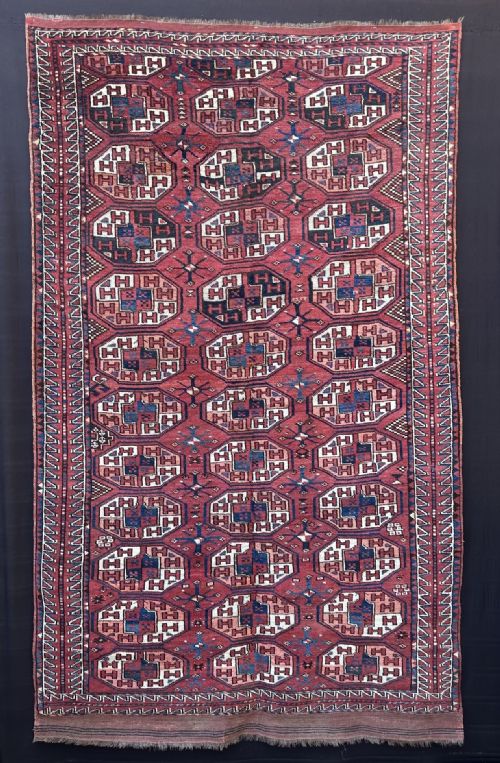
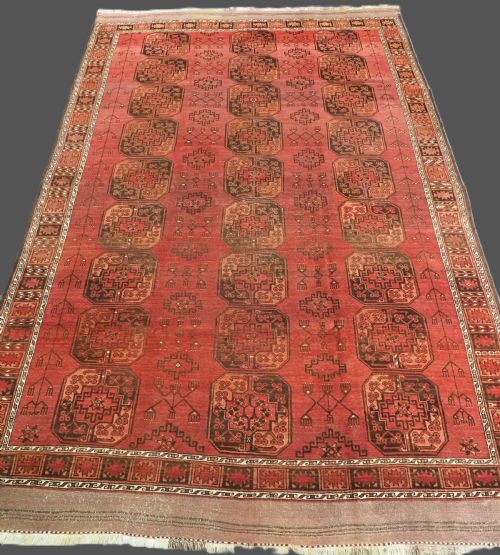
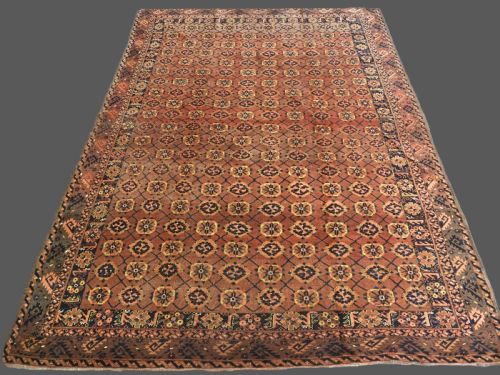
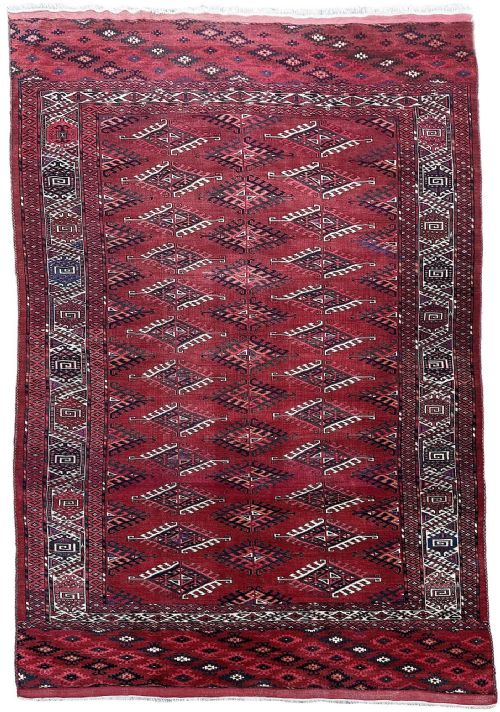
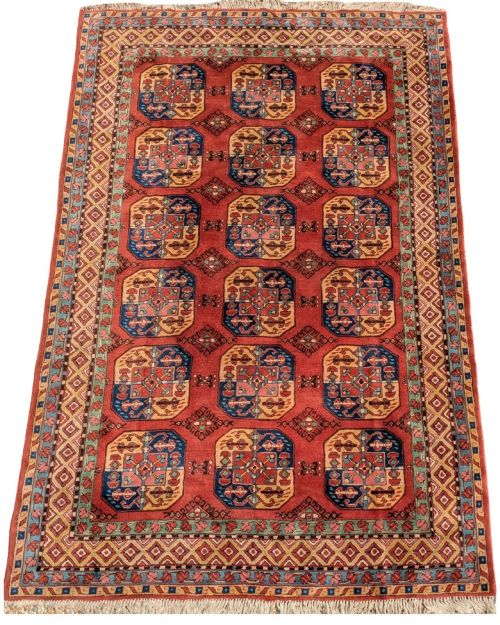
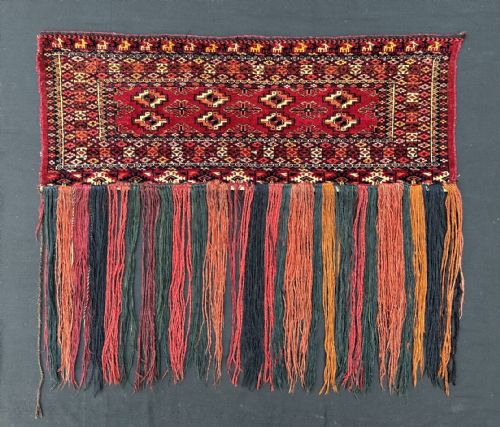
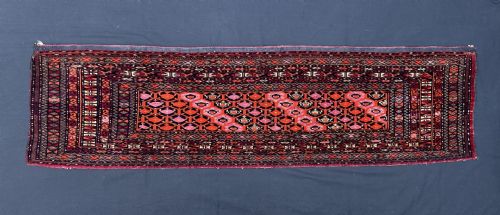
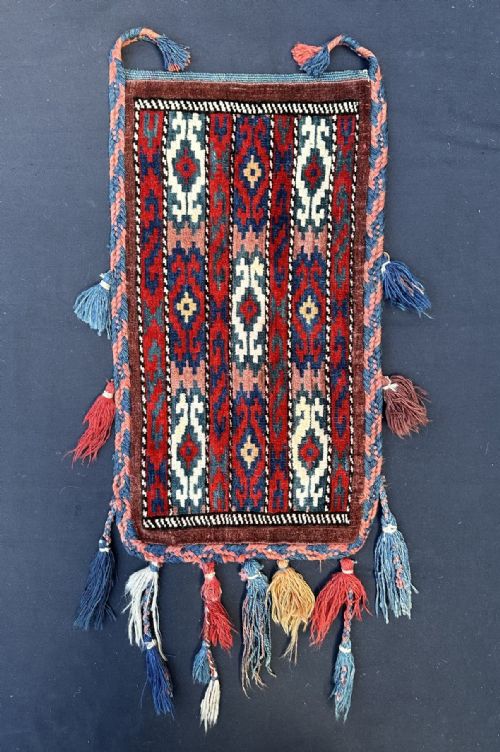
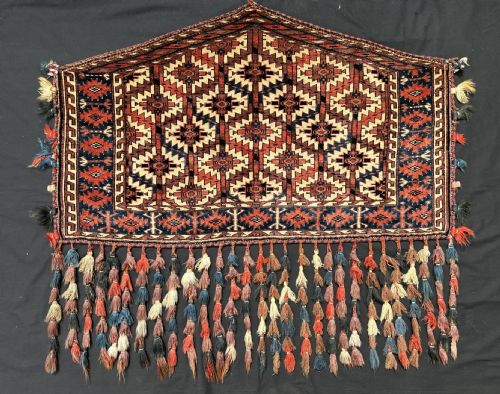
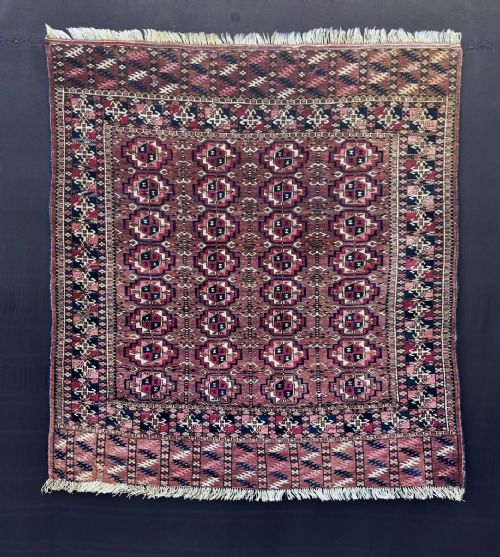
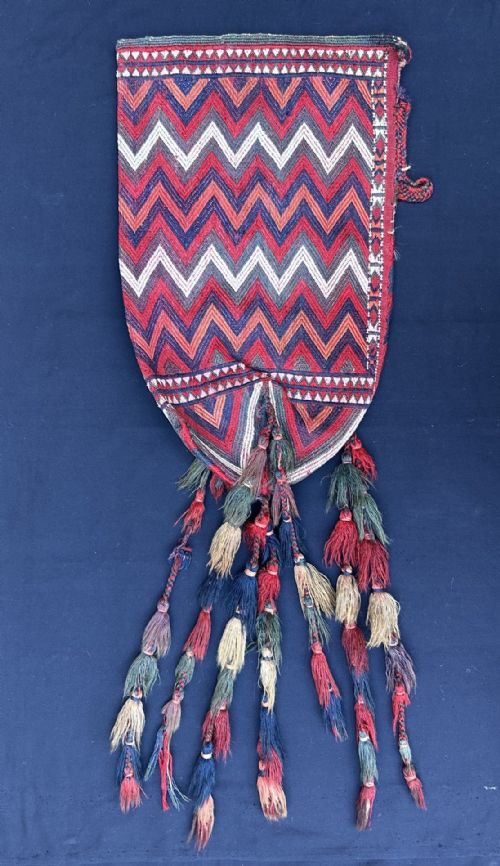
A red wool turkmen rug comprises various tribal formats including main carpets, tent door rugs, wedding rugs, and smaller utilitarian bags such as torbas and chuvals. These pieces originate from Central Asia and reflect the distinct traditions of tribal groups such as the Tekke, Yomut, Ersari, and Saryk.
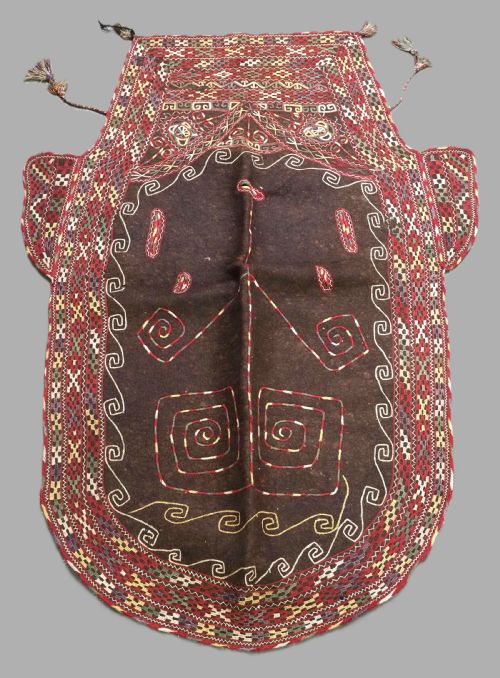
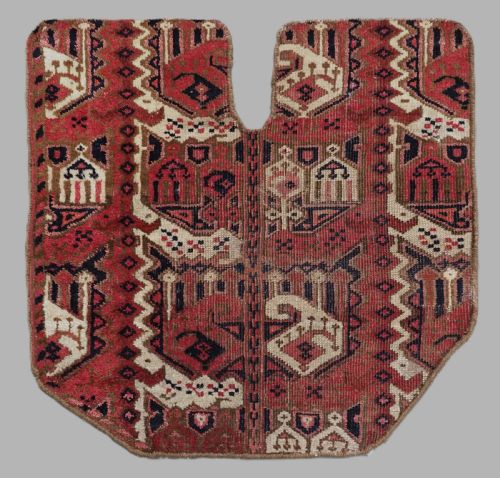
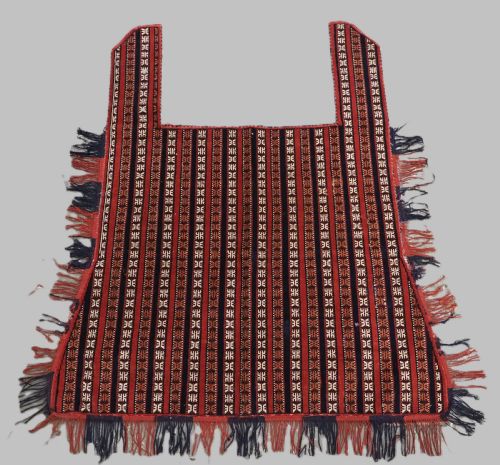
The format you encounter on this page ranges from large floor carpets to smaller wall hangings, saddle covers, and ceremonial horse blankets. Most examples date from the nineteenth century through the early twentieth century, carrying traditional patterns native to the region.
These textiles served practical and ceremonial purposes within nomadic and village life, functioning as household furnishings, dowry items, and trappings for transport animals.
Materials and construction
The construction relies heavily on hand-spun wool for the pile, combined with cotton or wool foundations and occasional silk highlights. Natural dyes provide the deep red colour palettes characteristic of these tribal weavings.
Weavers utilised techniques specific to their tribes, producing dense knots on wool or cotton threads, and occasionally incorporating felted wool or embroidery for ceremonial horse covers and tent trappings.
Several pieces were woven specifically to adorn horses and camels for wedding ceremonies rather than to cover floors.
Factors of quality
Quality in these textiles rests upon the fineness of the weave, the clarity and saturation of the natural dyes, and the precision of the tribal guls and geometric motifs. Examples with tighter knotting and well-preserved original structures stand apart from coarser or heavily restored pieces.
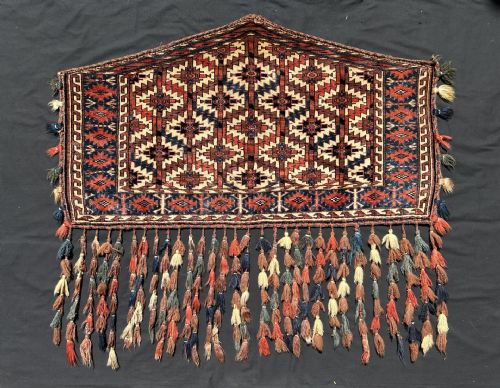
The integrity of original side cords, flatweave ends, and tassels further distinguishes higher-grade rugs and bags from those that have suffered significant loss or alteration over time.
Tekke Tribe·Yomut Tribe·Ersari Tribe·Saryk Tribe·Kizyl Ayak Tribe
The Red Wool Turkmen Rug Glossary
- Gul
- A primary repeating medallion or motif used in tribal carpet designs, often characteristic of specific groups such as the Tekke or Salor.
- Torba
- A small storage bag or trapeze-shaped wall hanging traditionally used within nomadic tents for household possessions.
- Chuval
- A large storage bag produced by tribal groups, typically featuring multiple guls across the face and designed for bedding or goods.
- Engsi
- A tent door hanging placed at the entrance of a yurt, distinguished by a candelabra or cross-panel design.
- Asmalyk
- A ceremonial pentagonal trapping hung on the flanks of a camel during wedding processions.
Red Wool Turkmen Rug: Frequently Asked Questions
What is a gul on these rugs?
A gul is a repeating octagonal or geometric medallion that acts as the primary motif across the field of the textile.
Different tribal groups developed distinct guls, allowing collectors to identify the origin of a specific piece.
How were these bags used?
Tribal families utilised items like torbas and chuvals for storing household goods, bedding, and provisions inside their tents.
They were woven in specific dimensions to hang against the lattice walls of a yurt or to serve as pack bags.
How do I care for wool rugs?
These antique textiles require gentle maintenance, avoiding harsh chemical cleaners and excessive direct sunlight to protect the natural dyes.
Regular light vacuuming without a beater bar helps prevent dust accumulation in the wool pile.
How are different tribes identified?
Identification relies upon the specific structure of the guls, the secondary ornament patterns, and the colour palette employed in the weave.
Tribes such as the Tekke, Yomut, and Ersari each maintained distinct visual vocabularies passed down through generations.