


Teal Oil Painting
A teal oil painting brings rich blue-green depth to a room, captured through centuries of changing artistic brushwork and coastal light.
Teal Oil Painting
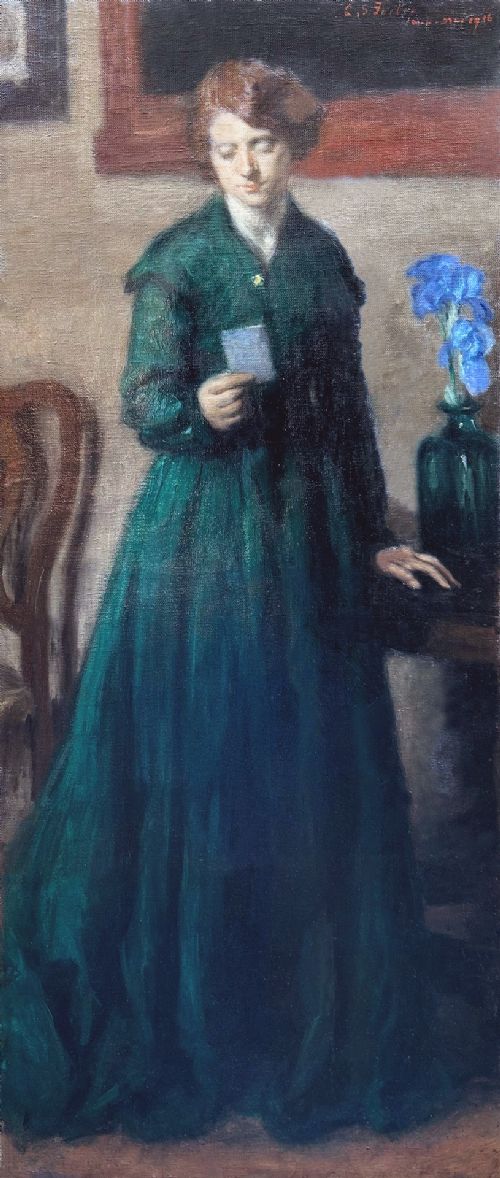
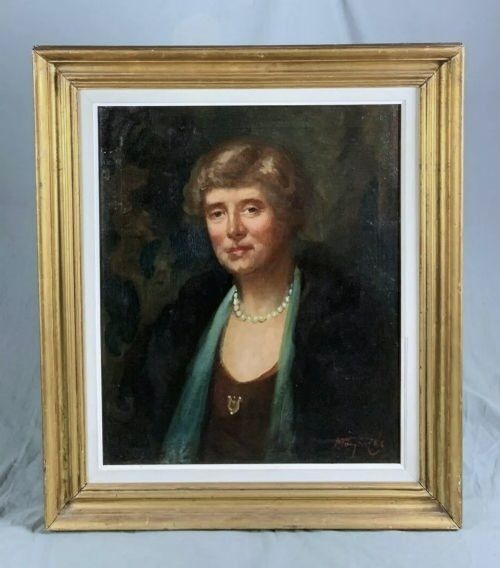
A teal oil painting represents a diverse body of artworks that span the nineteenth and twentieth centuries, featuring subjects from coastal seascapes to intimate portraits. When you search for a teal oil painting, you encounter works executed in oil on canvas, board, and wood, often set within original wood frames.
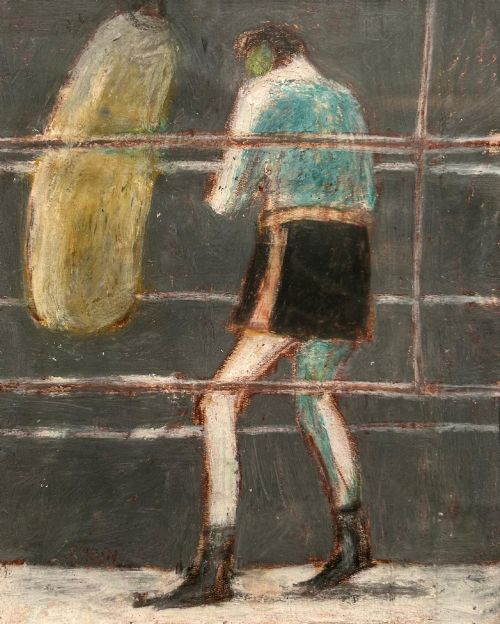
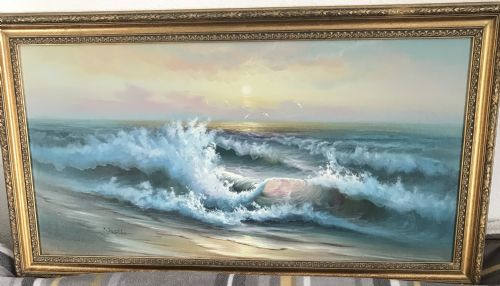
The pieces present on this page stretch from nineteenth-century primitive works to mid-century modern and British impressionist creations. You are likely to meet mid-century British landscapes and maritime scenes that capture atmospheric coastal tones alongside figurative studies and still lifes.
The selection includes named artists working across European and British traditions, alongside anonymous primitive expressions. Each piece relies on the physical layering of oil paint to build texture, depth, and the characteristic blue-green hues that define the subject.
How they were made
These works rely fundamentally upon oil paint applied to prepared supports such as canvas, wood, or board. Artists manipulate the slow-drying nature of oil pigments to build rich surfaces, blending tones directly on the support or layering translucent glazes over opaque underpaintings.
Supports are frequently housed within period wood frames that complement the composition. The physical application ranges from the controlled, precise brushwork of traditional portraiture to the energetic, visible impasto characteristic of impressionist marine and landscape painting.
Listings feature works spanning from the nineteenth century through the 1960s, employing oil, pastel, and wood.
What varies in quality
Quality in these works rests upon the confidence of the brushwork and the artist's command over tone and light. A stronger piece demonstrates intentional compositional structure and expressive handling of the medium, whereas lesser examples can feel static or heavy-handed in execution.
The relationship between the painted surface and its housing also influences the overall integrity of the piece. Works that retain their original period wood frames and stable support materials maintain a greater historical coherence than those altered or poorly restored over time.
Charles Stuart Forbes·Samuel Rabin·Charles James McCall·Joan Gillchrest·Philip Naviasky·Florence Hess·H. Hadfield Cubley·Elizabeth T. Sutcliffe·Andre Delfau·Yetta Kane·Jean Denis Maillart·William Ernst Burwell·Donald McIntyre·Jules Felix Ragot·Cowan Dobson
The Teal Oil Painting Glossary
- Oil on Canvas
- A traditional painting medium where pigment suspended in drying oil is applied to a stretched woven fabric support. This combination allows for rich colour saturation and flexible surface textures.
- Impasto
- A technique where paint is laid onto a surface in very thick layers, usually thick enough that the brush or painting-knife strokes are visible. It adds tactile three-dimensional quality to the painted surface.
- Board
- A rigid substrate used in place of stretched canvas for painting. Artists frequently utilised various wooden panels and stiff boards during the nineteenth and twentieth centuries.
- Primitive Art
- Works created by self-taught artists or those working outside formal academic traditions. These pieces often display a direct, unpretentious approach to perspective and form.
- Impressionism
- An art movement characterised by relatively small, thin, yet visible brush strokes and an emphasis on accurate depiction of light. British interpretations often focus on regional landscapes and coastal atmospheres.
Teal Oil Painting: Frequently Asked Questions
Should oil paintings be kept out of direct sunlight?
Intense direct sunlight damages canvas and causes oil pigments to fade or discolour over decades. Hang your art on walls that receive indirect ambient light.
Stable indoor environments without extreme temperature fluctuations help prevent the canvas and wooden frame from warping.
How can I tell the age of a canvas?
Inspect the reverse of the piece for the weave of the fabric, stretcher bar marks, and the type of primitive or modern framing nails used. Older stretchers often show oxidation and darkened wood.
Signatures, dates inscribed on the reverse, and artist biographies provide further chronological context for the work.
What is the difference between canvas and board supports?
Canvas is a flexible woven fabric stretched over a wooden frame, offering slight give under the brush. Board is a rigid flat panel made of wood or composite material.
Both supports were widely used across different periods, with board often appearing in smaller plein air studies and primitive works.