


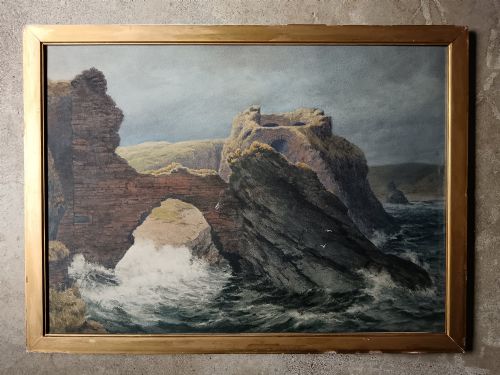


19th Century Ocean Landscape
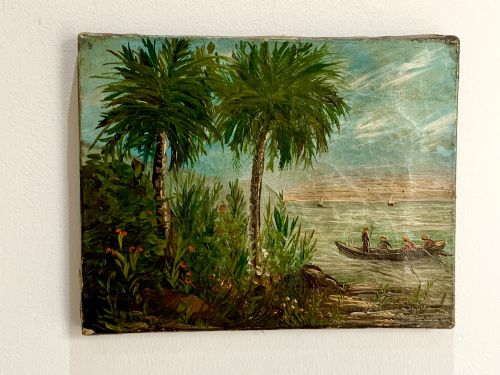
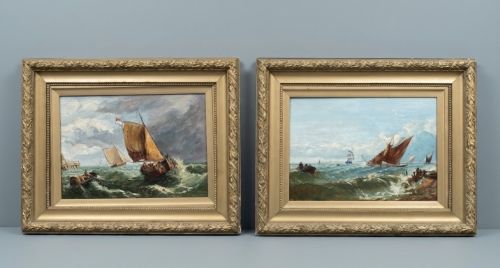
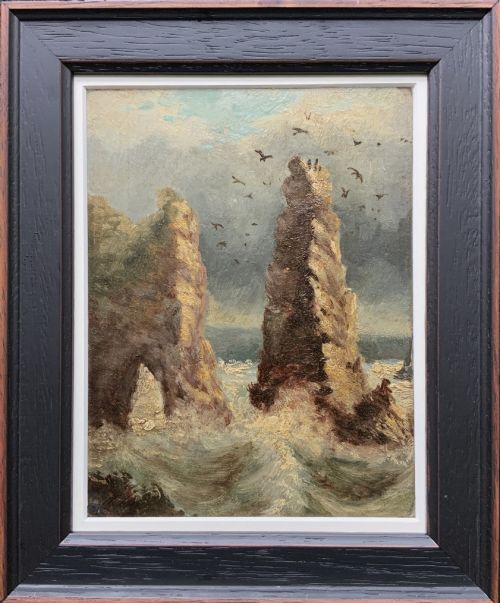
These 19th century ocean landscape paintings capture the shifting moods of the sea, from calm Dutch harbours to dramatic shipwrecks.
19th Century Ocean Landscape
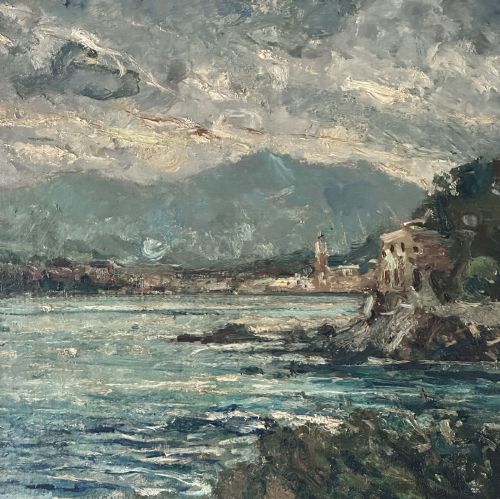
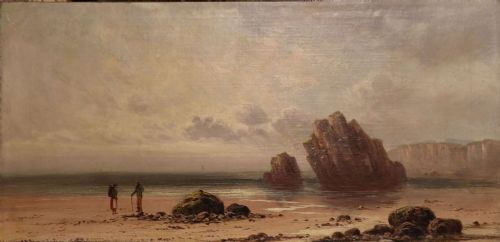
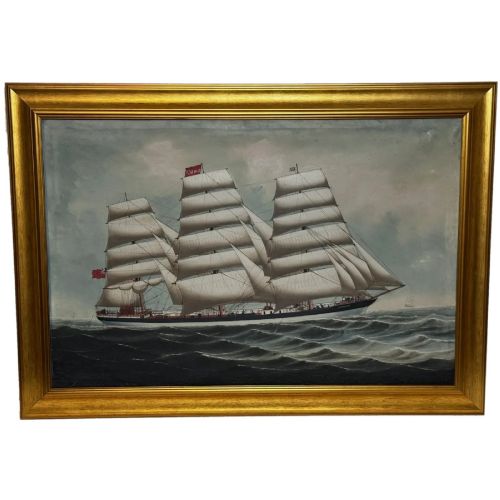
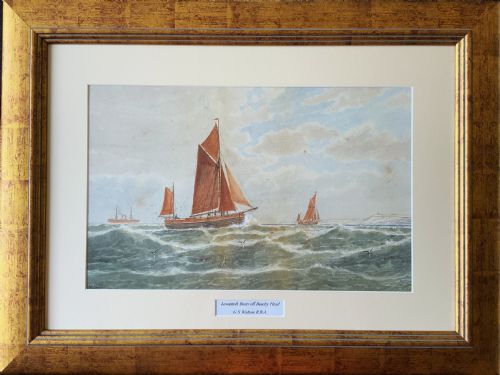
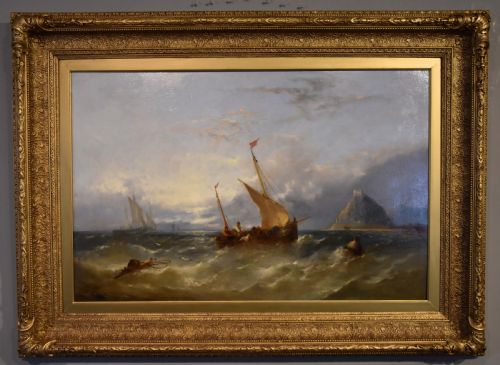
A 19th century ocean landscape typically depicts maritime scenes, coastal views, and shipping vessels executed during the Victorian era and adjacent decades. The selection encompasses works ranging from intimate watercolours to large oil paintings on canvas.
Buyers encounter depictions of specific locations such as St Ives, the Bay of Naples, and Dutch coastal waters alongside imaginative compositions. These pieces document naval activity, fishing communities, and coastal topography from the period.
How They Were Made
Artists painted primarily in oil on canvas or oil on board, utilising rich oil paint to build texture in water and sky. Others worked in watercolour on paper, capturing light through translucent washes.
Many surviving works retain their original gilt wood and gesso frames, which utilise applied ornamentation and gold leaf to complement the maritime subject matter.
19th Century Ocean Landscape Retail Price Guide 2026
Typical asking prices for 19th century ocean landscape among the pieces listed under this phrase on Sellingantiques today, from the lower quarter to the upper quarter. They describe what is for sale here now, not the wider market.
Listings feature oil on canvas, watercolour on paper, and gilt gesso frames from the nineteenth and early twentieth centuries.
What Varies in Quality
Execution of atmospheric perspective and water movement distinguishes accomplished works from simpler depictions. Skilled painters render light on waves and clouds with precise brushwork.
The integration of the artwork with its original gesso frame contributes to the overall integrity of the piece. Conservation state and clarity of provenance also differentiate individual works.
CR Taylor·Reginald Arthur Borstel·William Banks Fortescue·John Moore of Ipswich·William Henry Williamson·George Stanfield Walters·John Moxon·Charles William Adderton·Gustave De Bréanski·Abraham Hulk Snr·Charles Sim Mottram·Hendrik Willebrord Jansen·Claude Thomas Stanfield Moore·Kate E Booth·Consalvo Carelli·Sir David Murray·E Tucker·Joseph Newington Carter·Samuel Edward Kelly·Thomas Bush Hardy·Charles Martin Powell·James G Faulds·Walter Williams
The 19th Century Ocean Landscape Glossary
- Gesso
- A plaster-like mixture applied to wood frames as a base for gilding. This material allows for intricate moulded details around the painting.
- Seascape
- A work of art depicting the sea. These compositions focus on maritime subjects, coastal views, and ships.
- Watercolour
- A paint consisting of pigment suspended in a water-based solution. Artists apply it to paper for delicate coastal scenes.
- Gilt Wood
- Timber treated with gold leaf or metallic paint. It frames many 19th century paintings to enhance their visual weight.
19th Century Ocean Landscape: Frequently Asked Questions
What subjects appear in these paintings?
The works display shipping vessels, fishing boats, and coastal cliffs across various European and British locations. Scenes range from tranquil harbours to turbulent shipwrecks.
Artists recorded specific ports, local fisher folk, and dramatic weather conditions observed along the shore.
How should I hang an oil painting?
Select a wall away from direct sunlight and excessive moisture to protect both the canvas and the pigments. Stable indoor temperatures prevent the wood stretcher and canvas from warping.
Ensure the wall fixings match the weight of the heavy gilt frames typical of this period.
Are watercolours different from oils?
Watercolour paintings utilise paper supports and delicate washes of pigment, resulting in lighter, transparent compositions. They require glass protection when framed.
Oil paintings utilise canvas or board surfaces with heavier paint applications that tolerate open air exhibition.
How do I identify the period?
Victorian and nineteenth century works often bear signatures, artist stamps, or exhibition labels on the reverse of the canvas or frame. Subject matter, clothing styles of figures on the shore, and framing techniques offer further chronological clues.
Materials such as gesso frames and specific canvas types align with nineteenth century manufacturing methods.