


Cornish Art Oil Painting
A cornish art oil painting brings the distinct coastal light and maritime heritage of the southwest directly onto a wall.
Cornish Art Oil Painting
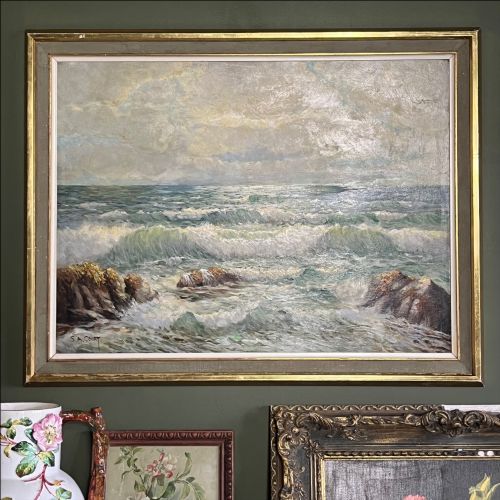
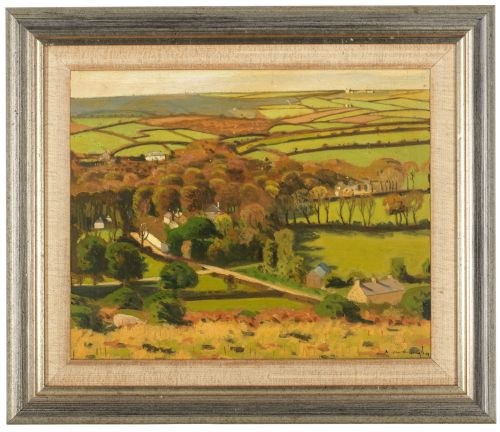
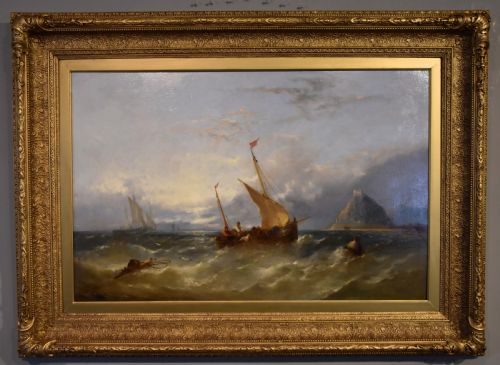
When you search for a cornish art oil painting, you encounter works capturing the rugged coastlines, harbours and rural life of the region across multiple generations. The selection spans from nineteenth-century maritime scenes and Victorian coastal views to twentieth-century compositions associated with the Newlyn and St Ives schools.
You are most likely to meet mid-twentieth-century examples alongside earlier Victorian and Edwardian works on this page. These pieces frequently depict local landmarks such as St Michael's Mount, Mevagissey harbour and Polperro, recorded en plein air or composed in regional studios.
Materials and construction
The works utilise oil paint applied to canvas, wood panels or board, frequently housed within period wooden and gilt gesso frames. Pigments capture the particular quality of light found along the Atlantic coast, layered to render sea spray, stone cottages and harbour activity.
Artists working in the region applied traditional brushwork and impressionist techniques, often recording subjects directly on location to catch transient weather effects. Support structures rely on sturdy wooden stretchers or rigid boards to bear the weight of thick oil applications.
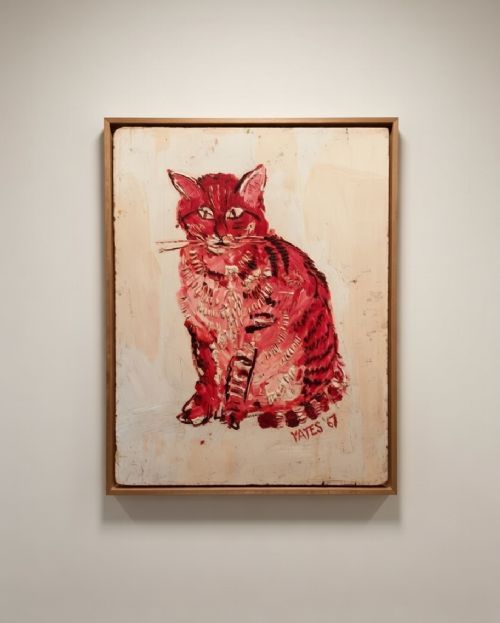
Several canvases faithfully record local cats keeping watch over busy Cornish harbours while fishermen mend their nets.
Separating the ordinary from the exceptional
Quality rests upon the artist's ability to command atmosphere and light rather than mere scale or subject matter. The strongest compositions demonstrate confident handling of pigment that evokes the specific damp air and granite textures of the coastline.
Provenance and documentation elevate certain works, particularly those linked directly to established regional painting communities or identifiable hands. The integrity of the original framing and the preservation of the paint surface also determine the standing of an individual piece.
Sidney A Court·Robert Morson Hughes·William Henry Williamson·Joan Gillchrest·Tony Giles·Denis Mitchell·Edward Matthew Elliott·Charles Napier Hemy·Gyrth Russell·George Turland Goosey·Charles Sim Mottram·William Pitt·Joseph Farquharson·Fred Yates·William Lambert Bell·Jack R Mould·Hendrik Yan Wolter·Herbert James·William Edward Webb·J Titcomb
The Cornish Art Oil Painting Glossary
- En plein air
- Painting outdoors to capture the actual visual conditions of a scene directly. This approach was favoured by artists seeking true natural light.
- Gesso
- A paint mixture consisting of a neutral binder mixed with chalk, gypsum, or pigment used to prepare wood or canvas surfaces. It provides a smooth base for oil applications.
- Newlyn School
- An art colony based in a Cornish fishing village during the late nineteenth and early twentieth centuries. Artists focused on realist portrayals of local community and coastal life.
- St Ives School
- A group of artists centred around a Cornish harbour town who embraced modernist and abstract approaches alongside traditional landscape painting. This movement gained international prominence from the mid-twentieth century onward.
Cornish Art Oil Painting: Frequently Asked Questions
What subjects appear in these paintings?
The compositions typically portray fishing boats, rocky shorelines, harbour towns and rural farmyards across the region. Marine views and coastal portraits dominate the available selection.
Specific landmarks such as St Michael's Mount and local fishing ports frequently serve as the central focus for regional artists.
How do I identify a Newlyn School work?
Works from this tradition generally feature realistic portrayals of fishermen, local villagers and coastal activities painted with naturalistic observation. The palette reflects the overcast skies and grey waters of the western peninsula.
Artists in this group often worked directly on the shoreline to record everyday labour.
Are these paintings supplied with frames?
Many examples retain their period wooden or gilt gesso frames, which complement the era of the artwork. Original framing adds context to the history of the piece.
Descriptions indicate whether a work includes its period surround or a later mounting.
How should I care for an oil painting?
Keep the canvas away from direct sunlight and dramatic shifts in household temperature or humidity. Dust the surface gently with a soft, dry brush without applying moisture.
Professional conservation advice should be sought if the paint layer develops cracks or requires cleaning.