


Teak Storage Trunk
A teak storage trunk offers robust construction and enduring utility, bringing historical character to modern interiors through durable timber and metal reinforcement.

Teak Storage Trunk
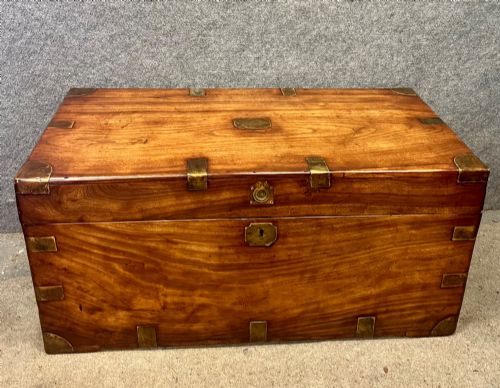
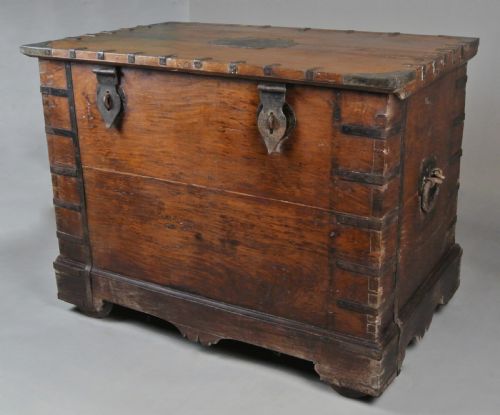
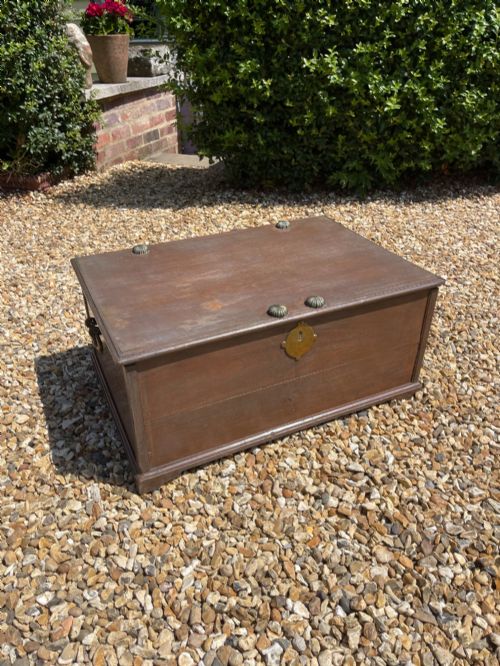
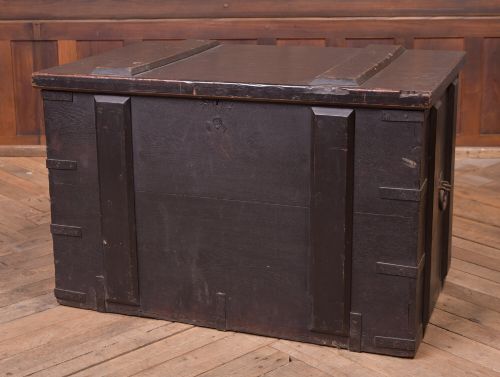
When searching for a teak storage trunk, buyers encounter substantial pieces originating from British colonial outposts, maritime trade routes, and domestic workshops spanning the eighteenth, nineteenth, and early twentieth centuries. These storage vessels served practical functions for travellers, merchants, and households, taking the form of blanket boxes, dowry chests, and military campaign containers.
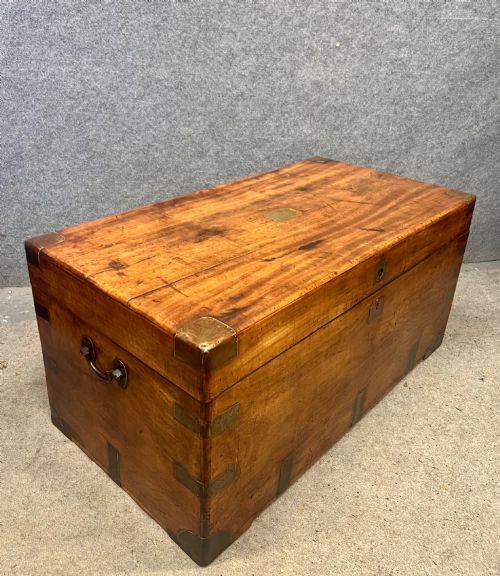
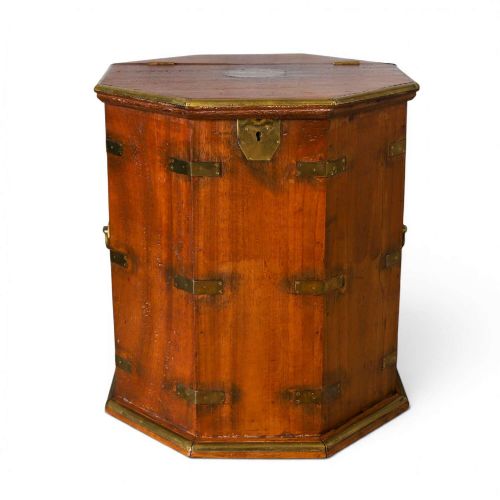
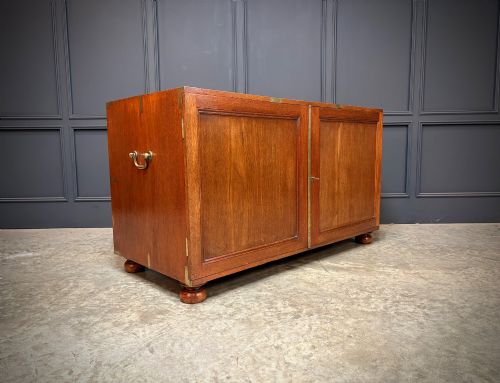
The most common examples on this page are nineteenth-century Anglo-Indian, Victorian campaign, and Dutch colonial chests. These particular versions display regional adaptations such as brass corner brackets, carrying handles, and internal compartmentalisation designed for transport.
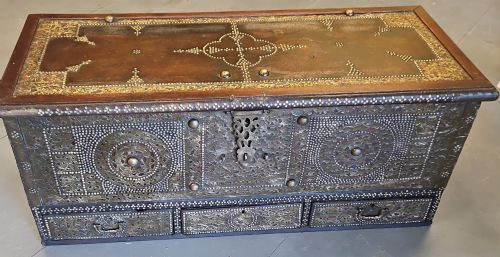
Beyond standard blanket boxes, the selection includes specialised forms like Zanzibar chests, dowry chests, and low marriage chests on wheels. Each regional type bears distinct decorative motifs, metal mounts, and timber treatments characteristic of its source.
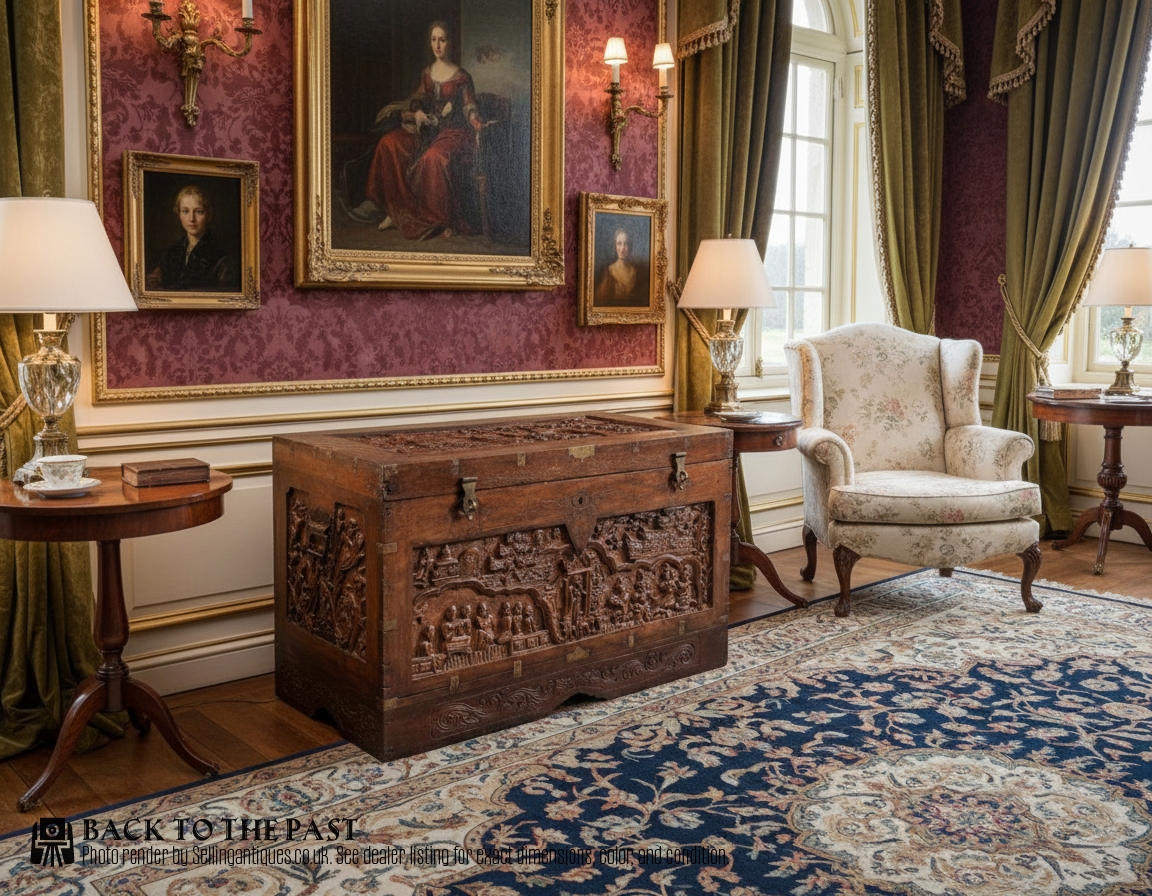
Materials and construction techniques
Makers built these pieces primarily from solid teak, a dense tropical hardwood chosen for its natural resistance to moisture and insects. Secondary timbers such as ebony or generic hardwood appear in specific regional variants or decorative mouldings.
Metal reinforcement defines the construction of many pieces, utilising brass plates, straps, and corner brackets alongside iron bands or studs. These metal elements added structural rigidity for long journeys by sea and land while protecting vulnerable edges from impact.
Some nineteenth-century marriage chests roll across the floor on wooden wheels designed to outmanoeuvre wandering livestock.
Factors of quality and craftsmanship
The distinction between ordinary utility pieces and superior examples lies in the precision of the joinery and the elaboration of the metalwork. Hand-cut dovetail joints, flush-fitting brass hardware, and intricate repoussé decoration elevate a functional container to a piece of fine furniture.
Originality of components dictates the standing of a piece within its type. Intact interior tills, original brass carrying handles, and matching locks distinguish superior specimens from those altered or repaired over decades of use.
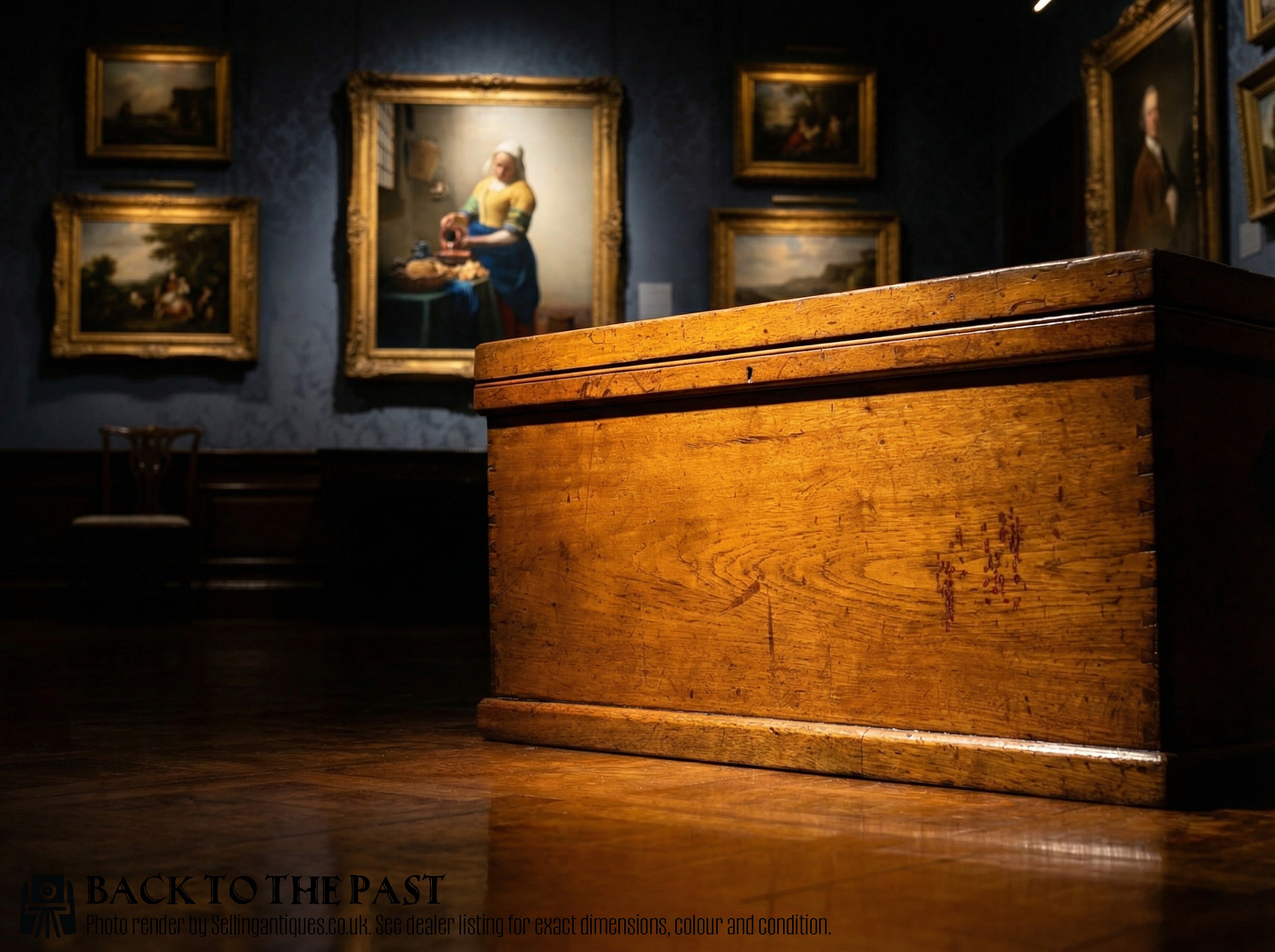
The Teak Storage Trunk Glossary
- Campaign trunk
- A portable chest constructed in sections or equipped with recessed handles and reinforced corners for military transport.
- Zanzibar chest
- A heavy hardwood storage chest featuring elaborate brass studding, strapwork, and central drawer configurations linked to East African trade ports.
- Dowry chest
- A large ceremonial box utilised to hold household linens and valuables for a bride, often displaying rich carving or metal mounts.
- Coffer
- A deep box with a hinged lid traditionally used for safekeeping valuables, frequently bound in iron or heavy timber frames.
- Gerobog
- A large rustic storage chest originating from Southeast Asia, occasionally fitted with wheels for floor mobility.
Teak Storage Trunk: Frequently Asked Questions
How were teak storage trunks used?
These trunks served primarily as durable containers for personal belongings, uniforms, and trade goods during long maritime and overland journeys. Officers, merchants, and travellers relied on them to protect contents from humidity and rough handling.
In domestic settings, families utilised them as stationary blanket boxes, marriage chests, or strong boxes for valuables. Their sturdy construction allowed them to double as tables or benches during transit.
Where do most teak storage trunks originate?
The majority originate from regions connected to British colonial trade, particularly India, maritime Southeast Asia, and East African trading hubs like Zanzibar. Dutch colonial territories also produced distinctive examples featuring ebony and brass mounts.
English workshops also manufactured trunks in teak and hardwood, particularly for military personnel and maritime use. Regional workshop traditions dictated the specific arrangement of brass studs, handles, and internal compartments.
How do I care for a vintage teak trunk?
Maintain the timber by applying natural beeswax sparingly to nourish the grain without sealing it beneath synthetic finishes. Keep the trunk away from direct heat sources and dramatic humidity fluctuations to prevent wood movement.
Clean brass and iron hardware gently using appropriate metal cleaners while protecting surrounding wood from chemical contact. Regular dusting with a dry cloth prevents grime accumulation in carved recesses and metal joints.
How can I tell the period of a trunk?
Examine the construction methods, such as hand-cut dovetails, screw types, and the style of the brass hardware. Eighteenth-century and early nineteenth-century pieces often feature heavier hand-forged iron bands and simpler interior arrangements.
Victorian and later nineteenth-century examples frequently incorporate standardised brass corner brackets, flush campaign handles, and more complex internal compartments. Comparing the wood patina and secondary timbers helps confirm the era of manufacture.