
Tapered Leg Mahogany Table
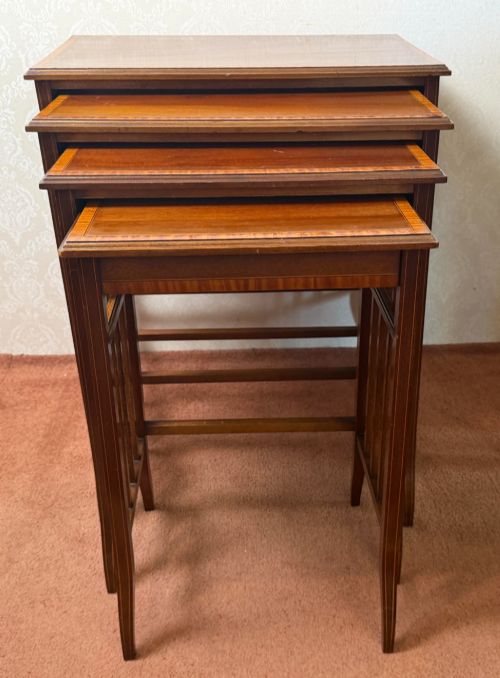
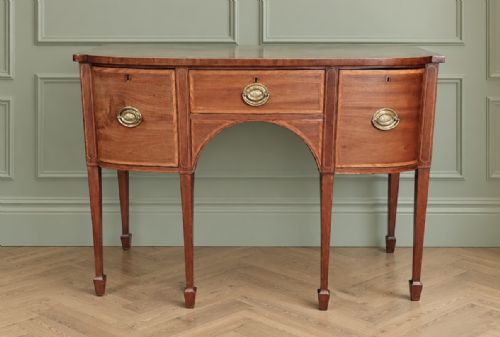
A tapered leg mahogany table brings structural elegance and fine timber to a room, ranging from Pembroke and console formats to dining pieces.
Tapered Leg Mahogany Table
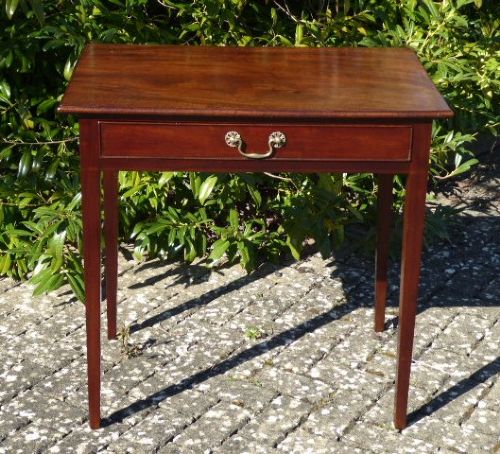
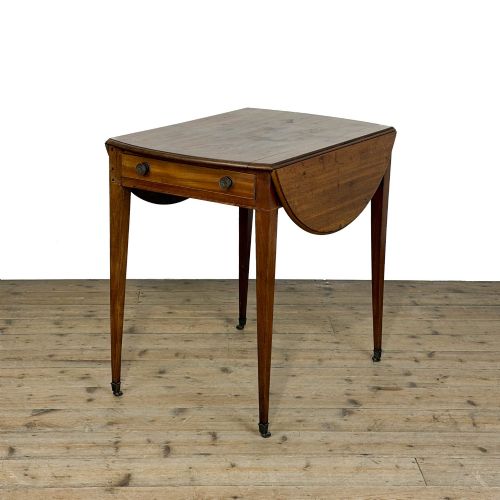
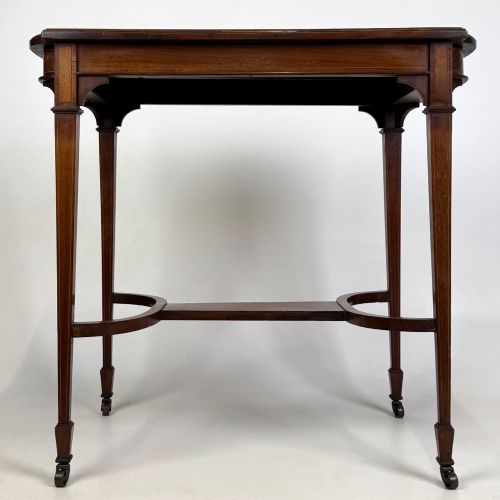
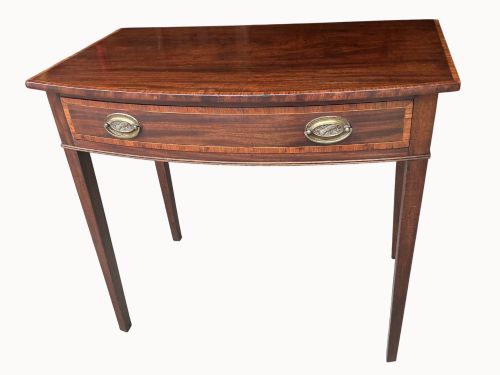
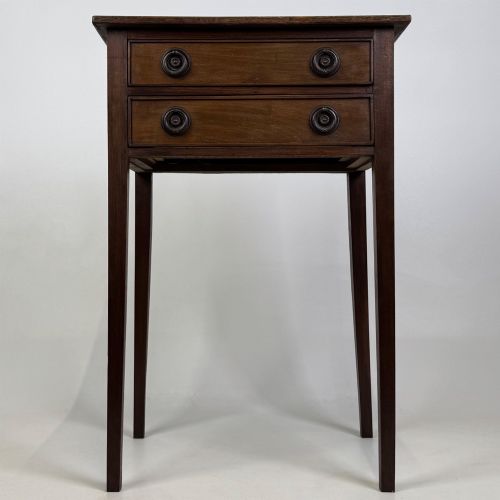
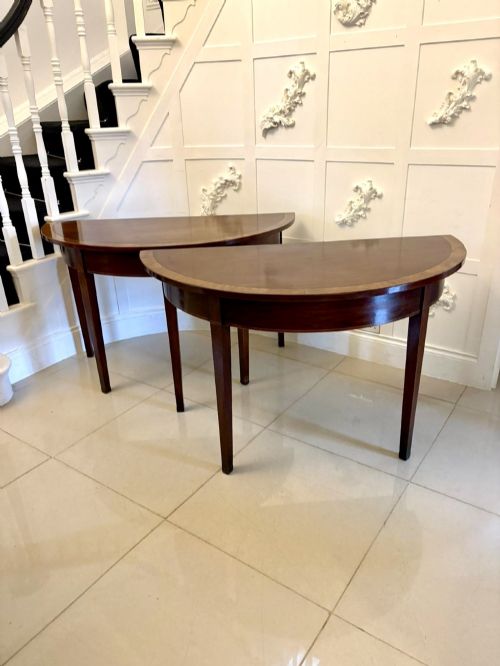
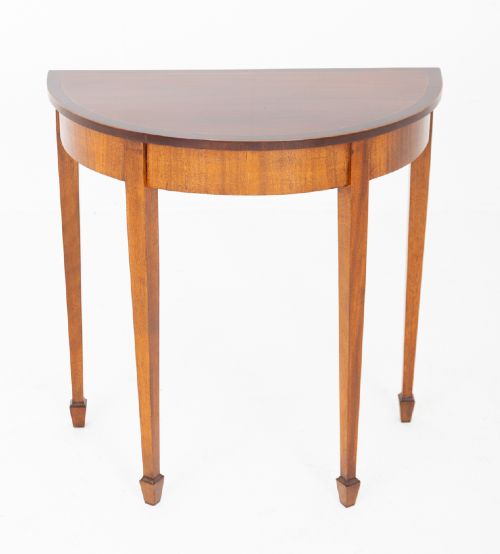
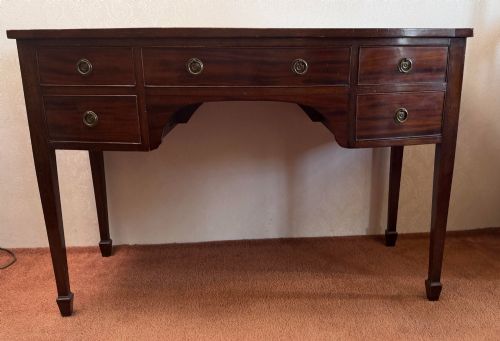
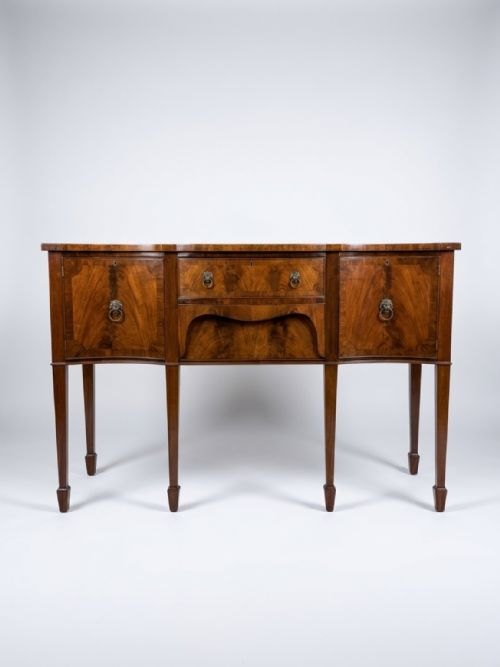
A tapered leg mahogany table appears in various practical formats across this page, including side tables, console tables, sideboards, writing desks, Pembroke tables, and card tables. Buyers searching for a tapered leg mahogany table typically encounter pieces spanning the Georgian, Regency, Victorian, and Edwardian periods.
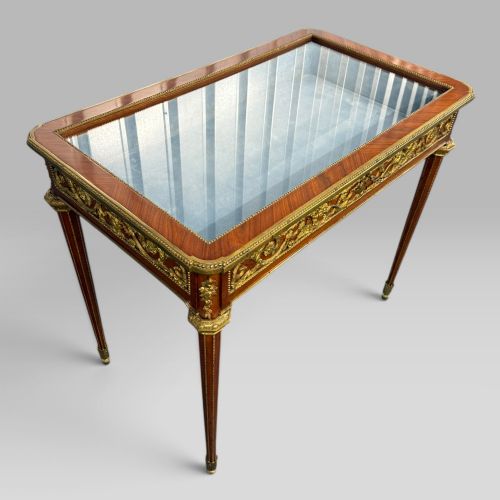
Origins represented in the inventory include British workshops, Scottish cabinet makers, and continental interpretations such as Louis XVI style display tables. These pieces serve functional roles as writing desks, tea tables, and serving surfaces while displaying period craftsmanship.
Materials and technique
Makers utilised solid mahogany and figured mahogany veneers for primary surfaces, often selecting Honduras mahogany for superior grain patterns. Construction methods rely on traditional joinery to support the characteristic square or tapered legs.
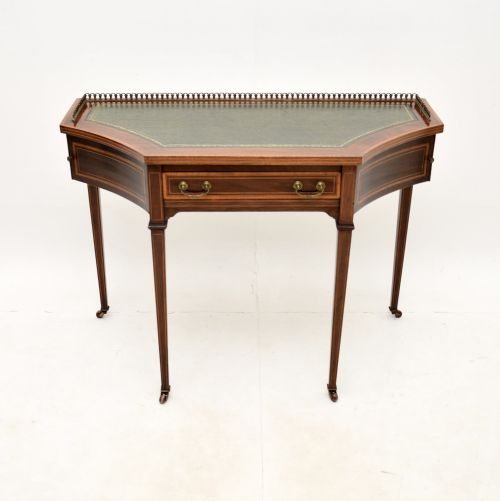
Decoration frequently incorporates contrasting timbers through boxwood, satinwood, and partridge wood inlay, alongside cross banding. Brass hardware and leather inserts appear on specific utilitarian forms such as writing tables and card tables.
Listings feature mahogany, satinwood, boxwood, and brass across periods from the eighteenth century to the twentieth century.
Craftsmanship and timber selection
The standard of a tapered leg mahogany table depends heavily on the choice of timber, with highly figured mahogany and precise satinwood or boxwood inlay separating finer examples from plain utilitarian builds. The crispness of the tapering on the legs and the symmetry of cross banding indicate the skill of the original workshop.
Structural integrity and the preservation of original surfaces, such as polished tops and period brass fittings, determine the standing of each piece. Maker attribution, visible in documented pieces from workshops like Bruce & Burns of Edinburgh, elevates the historical interest of the furniture.
Bruce & Burns of Edinburgh·François Linke·Robert Adam
The Tapered Leg Mahogany Table Glossary
- Demi-lune
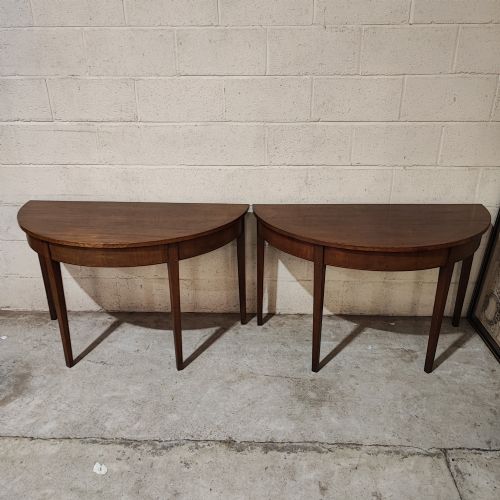
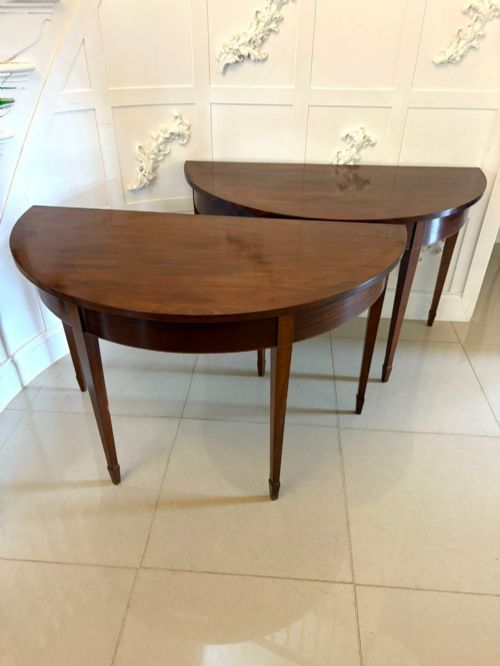
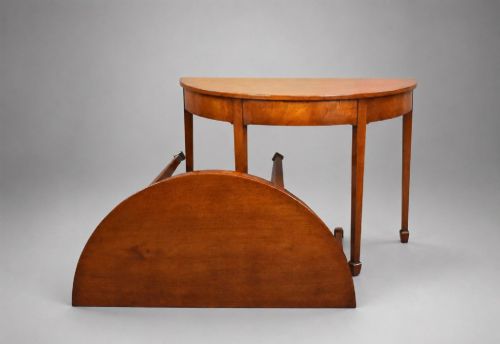
- A half-moon shape used frequently for console tables and card tables designed to sit flush against a wall. These pieces often pair together to form a circular dining table.
- Cross banding
- A strip of veneer applied to the border of a table top or drawer front with the grain running perpendicular to the main surface. It provides a decorative framing effect.
- Inlay
- A technique where pieces of contrasting wood, such as boxwood or satinwood, are inserted into recessed cavities on the mahogany surface to create decorative patterns.
Tapered Leg Mahogany Table: Frequently Asked Questions
What rooms suit a tapered leg mahogany table?
Smaller formats like Pembroke or side tables fit well in living rooms, hallways, or studies as occasional surfaces. Larger console tables and sideboards serve dining rooms or grand entrance spaces effectively.
Because the leg profile is slender and visually light, these tables do not crowd a space. They integrate smoothly with both period interiors and modern minimalist settings.
How do I identify a Georgian tapered leg table?
Georgian pieces from the eighteenth and early nineteenth centuries often display high-quality figured mahogany timber and restrained inlay work. Construction details such as hand-cut dovetails in drawers point towards this earlier period of craftsmanship.
Later Edwardian or twentieth-century revivals copy these proportions but generally use machine-sawn elements and brighter modern adhesives. Checking the timber underside and interior secondary woods helps confirm the true age.
Were these tables used for writing or dining?
Their uses varied entirely by the specific object type listed on the page. Pembroke tables and card tables served social and tea-drinking functions, while writing tables accommodated correspondence.
Console tables and sideboards were strictly decorative or serving surfaces placed against walls. Extending dining tables with tapered legs provided functional seating for larger gatherings.
How should I care for a mahogany surface?
Keep mahogany furniture away from direct sunlight and sudden temperature shifts to prevent the timber from drying out or splitting. Regular dusting with a soft, dry cloth maintains the polished finish without building up residue.
Applying a traditional beeswax polish occasionally helps nourish the wood and preserve the depth of the grain. Avoid using silicone-based sprays, which can permanently damage antique polishes.