



Tapered Leg Mahogany Credenza
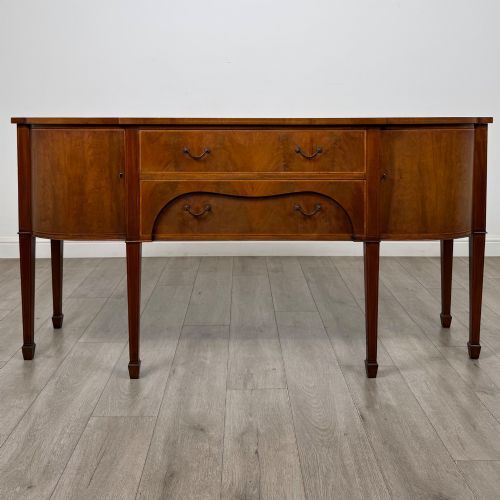
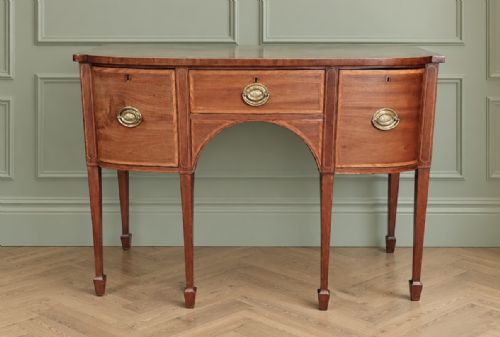
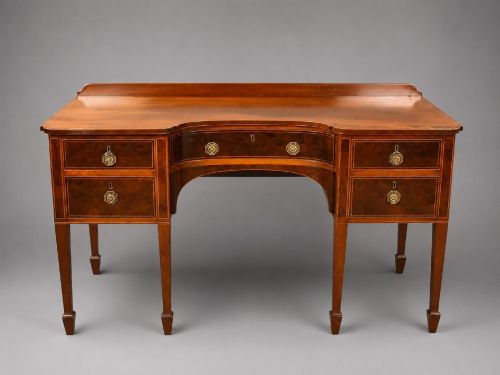
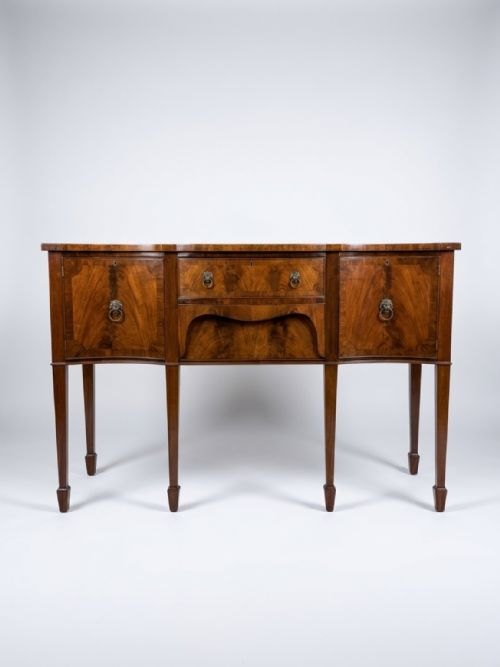
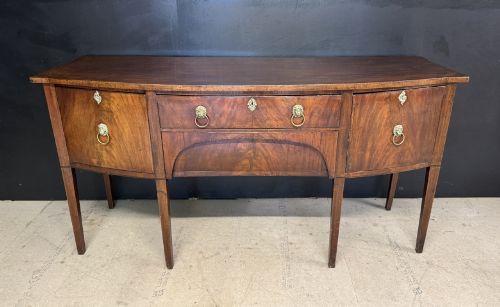
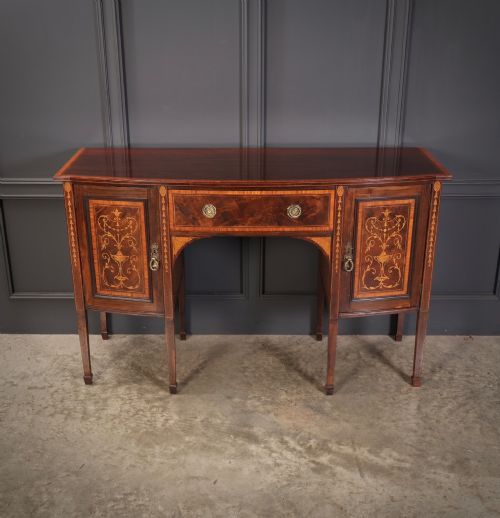
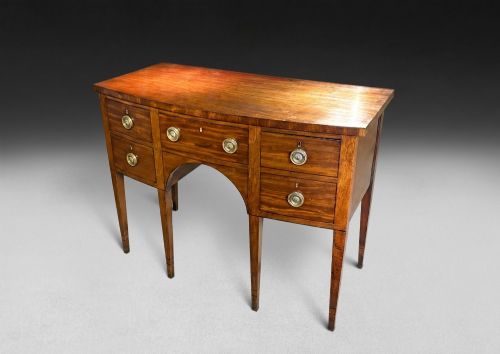
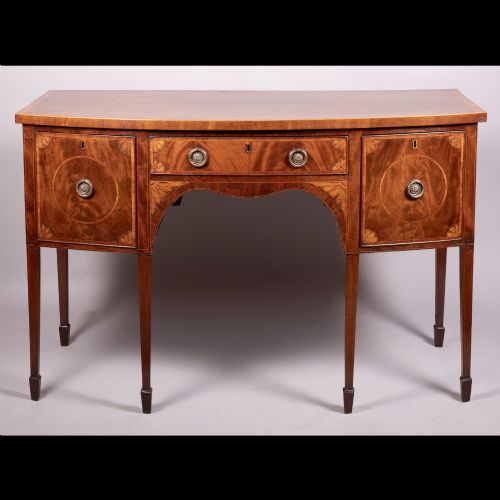
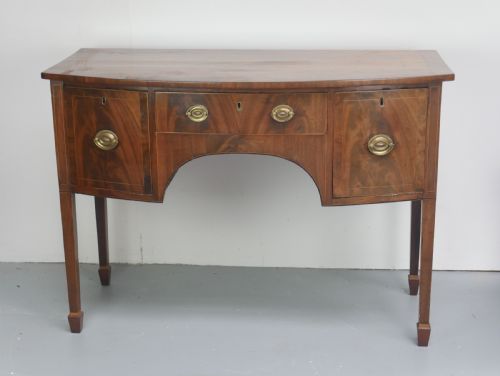
A tapered leg mahogany credenza brings sophisticated Georgian and Regency design into a dining room through rich timber and refined linear forms.
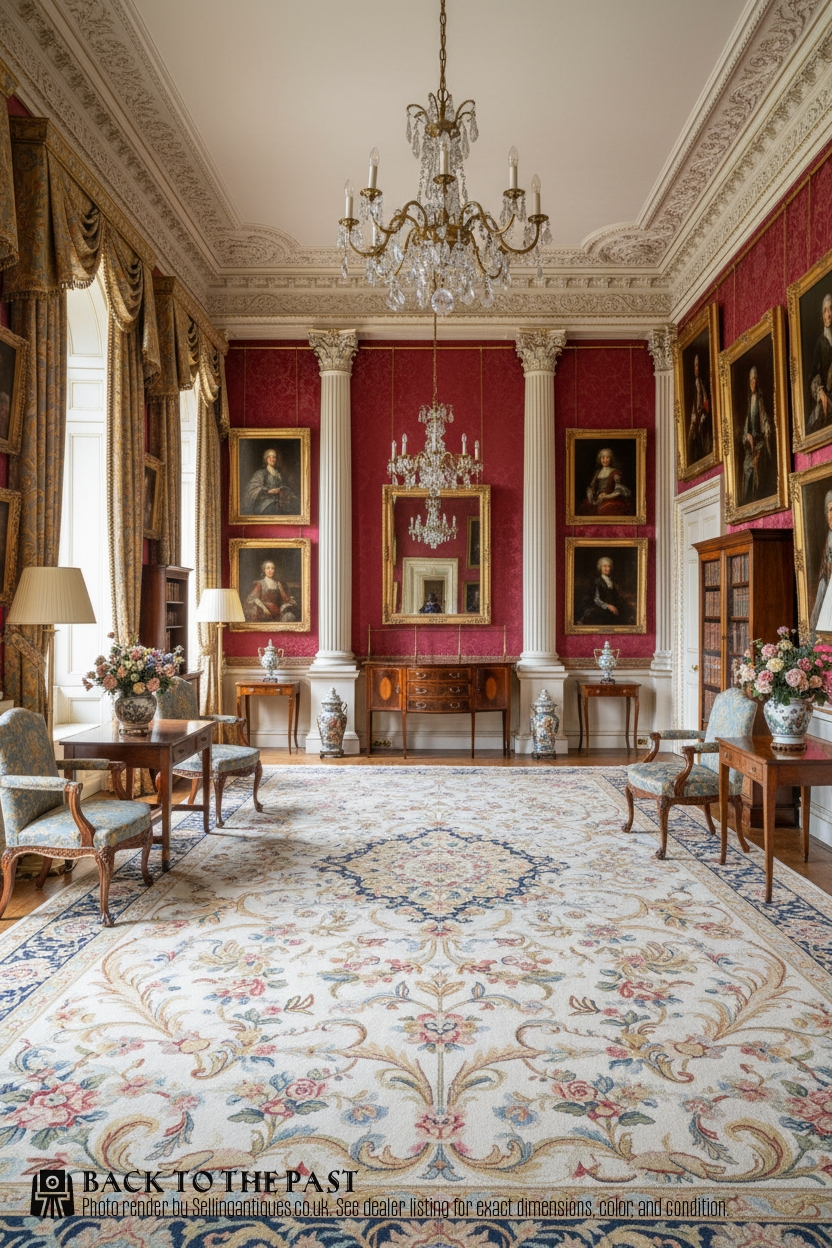
Tapered Leg Mahogany Credenza
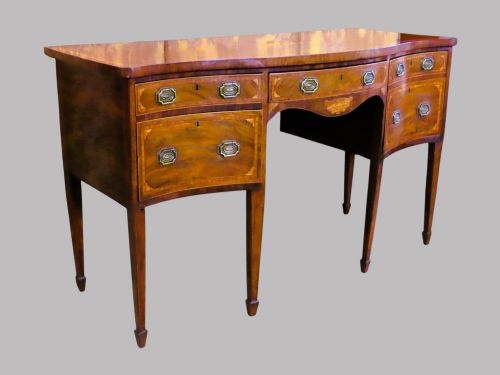
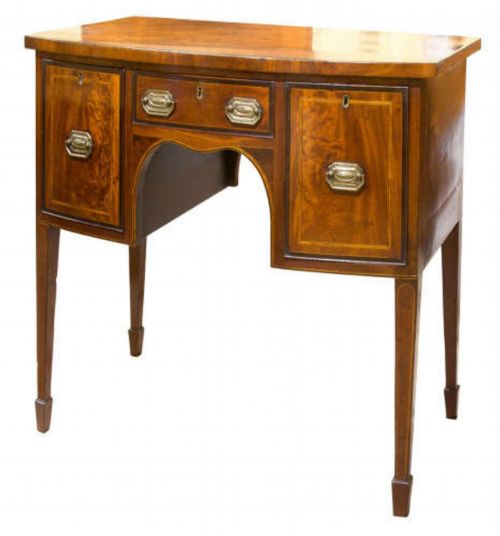
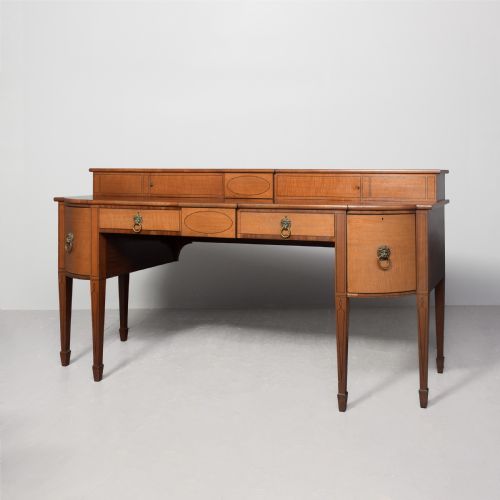
When buyers search for a tapered leg mahogany credenza, they encounter substantial dining room storage forms primarily described in the trade as sideboards and side cabinets. These pieces span the Georgian, Regency, and Victorian eras, alongside later revival interpretations such as Sheraton Revival and Edwardian pieces.
The assortment relies heavily on 18th century and 19th century construction, featuring bow-front, serpentine, and straight-front configurations. Scottish workshops and English cabinet makers contributed numerous regional variations to this category.
Buyers will most frequently meet pieces labelled as sideboards or side cabinets rather than the modern term credenza, reflecting historical nomenclature while delivering the same long, low storage profile.
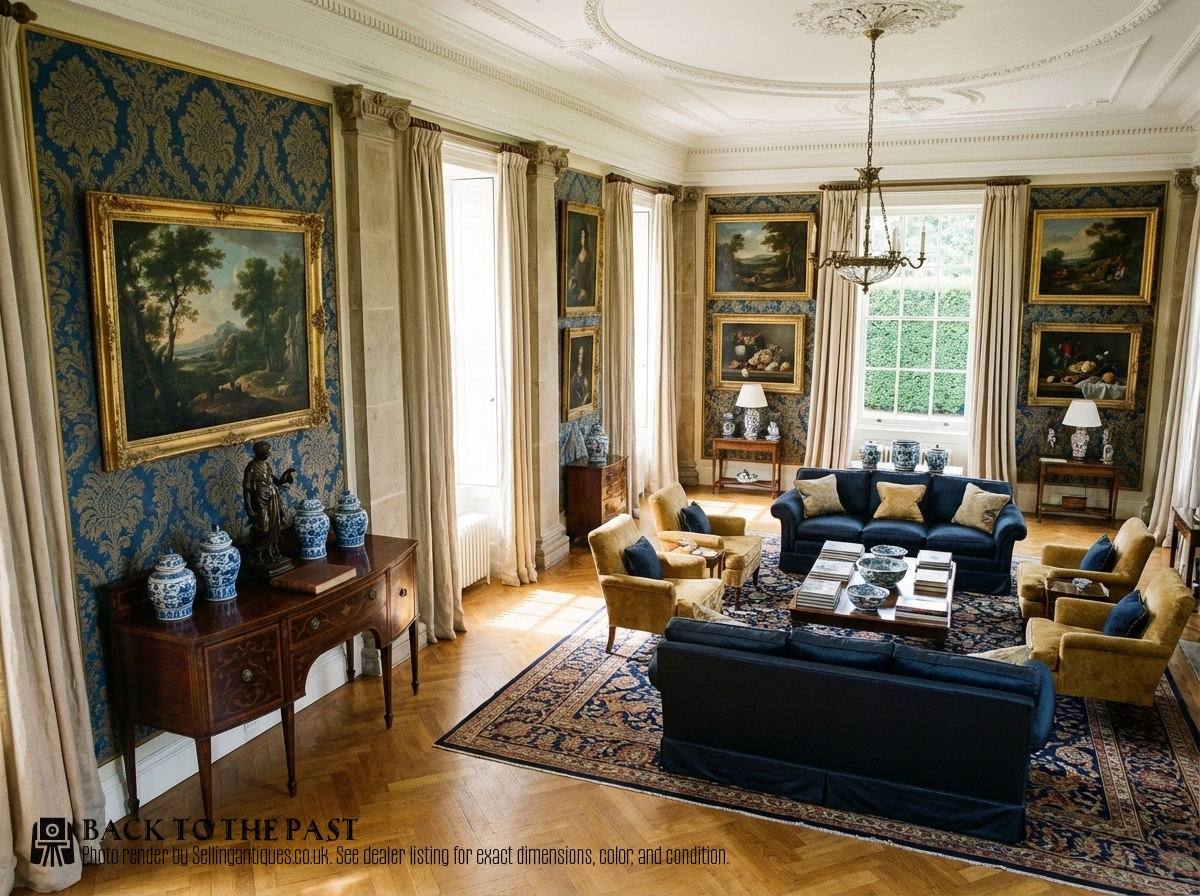
Materials and construction methods
Makers utilised solid mahogany and figured mahogany veneers over secondary timbers, often accentuating the primary wood with contrasting stringing and banding. Boxwood, satinwood, and purpleheart appear as delicate inlay details framing drawer fronts and borders.
Structural hardware typically includes cast brass drop handles and backplates, while internal divisions and drawer linings utilise sturdy secondary hardwoods. Wood veneer techniques allowed cabinet makers to create dramatic flame and fiddleback figures across large flat surfaces.
Listings feature periods ranging from Georgian and Regency to Edwardian, executed primarily in solid mahogany with boxwood and satinwood inlay.
Distinguishing quality factors
The grading of these pieces rests on the choice of timber figure, the precision of the wood inlay, and the fluidity of serpentine or bow-front curves. Superior examples display carefully matched veneer grains across multiple drawers and intact original brassware.
Proportion and scale also dictate worth, as smaller proportions and staged backs demand greater joinery skill. The crispness of boxwood stringing and the retention of period secondary timbers separate standard production from exceptional cabinet work.
The Woodworkers Ltd Kilkenny
The Tapered Leg Mahogany Credenza Glossary
- Bow front
- A convex curved cabinet front that projects outward in the centre, popular in late eighteenth century design. This shape softens the room and increases internal drawer capacity.
- Serpentine
- A front profile defined by a central convex curve flanked by two concave curves. It requires advanced carpentry skill to shape the solid timber and veneer.
- Crossbanding
- A border of veneer laid with the grain running perpendicular to the surrounding wood. This decorative technique frames the primary panel.
- Stringing
- Thin inlaid lines of contrasting timber used to outline drawers and legs. Boxwood and satinwood provide the bright contrast against dark mahogany.
- Stage-back
- An elevated superstructure at the rear of the top surface used for displaying plate and serving dishes. Scottish pieces frequently employ this impressive architectural feature.
Tapered Leg Mahogany Credenza: Frequently Asked Questions
What is a serpentine front?
A serpentine front is a cabinet shape featuring an outward curve flanked by inward curves. It creates a dynamic facade that catches light differently across the grain.
This contour demands precise hand woodworking, making it a marker of higher craftsmanship in older dining furniture.
How do I date a sideboard?
Dating relies on stylistic clues like leg shape, handle style, and secondary timber choices. Georgian pieces often feature square tapered legs, while Regency examples incorporate bolder classical motifs.
Looking at drawer construction methods and dovetail joints also helps narrow down the manufacturing decade.
Where were these pieces used?
These large storage items were placed in dining rooms to hold silverware, linen, and serving platters. They acted as functional workspace during grand meals.
Today they serve similar storage functions in dining rooms, living spaces, or wide hallways.
What is satinwood crossbanding?
Satinwood crossbanding is a decorative border where light golden timber strips run perpendicular to the main mahogany grain. It creates a crisp visual frame around drawer fronts.
This technique became especially prominent during the Sheraton and Edwardian revival periods.