


Brass Gallery Rail Sideboard
A brass gallery rail sideboard brings together figured timbers and fine metalwork to anchor a dining room with proportion and purpose.
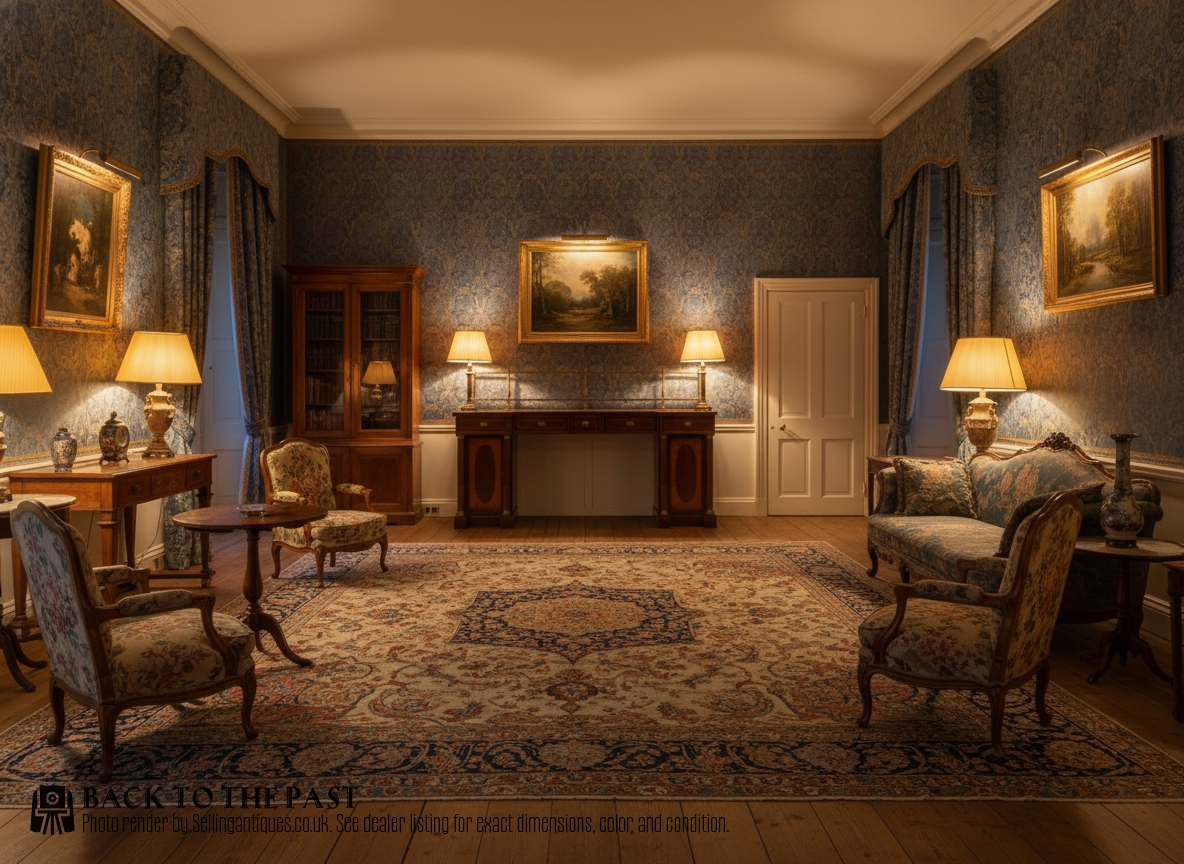
Brass Gallery Rail Sideboard
A brass gallery rail sideboard represents a refined form of dining room furniture designed for serving and display, featuring an elevated metal railing along the rear and side edges of the top surface. These pieces combine utilitarian storage with decorative presence, emerging primarily from the Georgian, Regency, and Sheraton Revival periods.
The versions met on this page span several decades of British craftsmanship, ranging from strict 18th Century George III period examples to 19th Century interpretations. Mahogany remains the dominant timber, often enhanced by satinwood, amboyna, rosewood, and ebony stringing or inlay.
Forms vary from traditional pedestals and servers to serving tables and side cabinets, each incorporating the characteristic brass gallery designed to keep serving dishes and glassware secure. Buyers encounter both austere architectural lines and highly figured decorative surfaces reflecting changing elite tastes across the centuries.
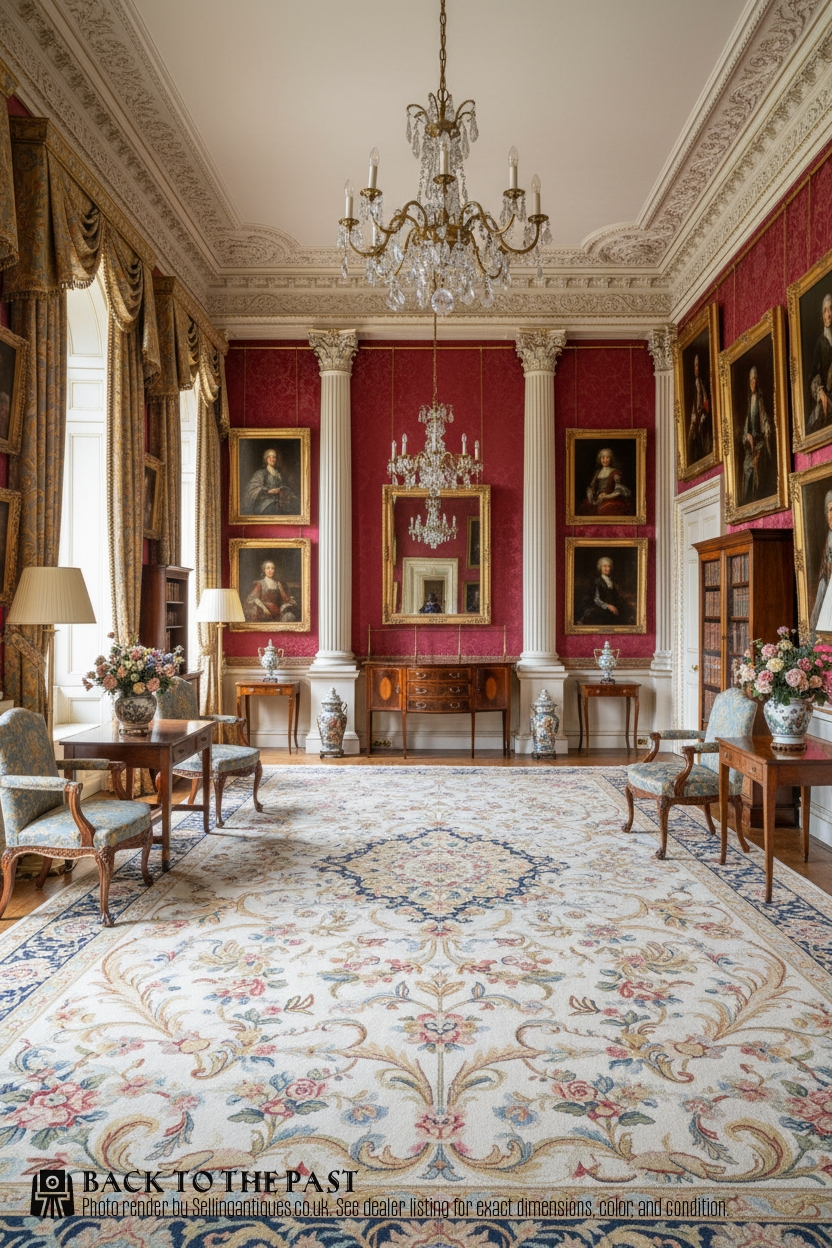
How they were made
Cabinetmakers utilised dense native and exotic timbers, laying dense veneers of mahogany, satinwood, and amboyna over stable secondary woods. Boxwood and ebony stringing created crisp geometric borders that framed the drawer fronts and top surfaces.
Metalworkers cast and turned the brass gallery rails, securing them with miniature threaded fasteners into the timber top. Drawer construction relied on hand-cut dovetails, while structural joints utilised traditional pegged mortise and tenon framing.
The brass gallery rail stopped expensive porcelain gravy boats from sliding onto the Turkey carpet during enthusiastic Georgian dinner parties.
What varies in quality
The distinction between ordinary and exceptional pieces lies in the choice of timber figure and the crispness of the inlay work. Highly prized examples display book-matched flame mahogany or richly figured amboyna that has retained its natural warmth over generations.
Hardware integrity dictates much of the physical quality, specifically whether the brass gallery rail retains its original weight and casting detail without replacement sections. Finer pieces demonstrate meticulous attention to secondary timbers and interior drawer linings that match the standard of the exterior.
H Mower & Stephenson
The Brass Gallery Rail Sideboard Glossary
- Brass gallery
- A protective metal rail fixed to the upper perimeter of a sideboard top. It prevents items from sliding off during service.
- Pedestal sideboard
- A form featuring distinct flanking cupboards or pedestals connected by a central serving table or recessed drawer section. This tripartite layout defines formal dining room furniture.
- Stringing
- Narrow inlaid lines of a contrasting timber such as boxwood or ebony. It creates decorative borders around drawer fronts and tabletops.
Brass Gallery Rail Sideboard: Frequently Asked Questions
What is a brass gallery rail sideboard?
A brass gallery rail sideboard is a formal dining room serving piece featuring an elevated metal rail along the top to secure dishes.
These pieces date primarily from the Georgian and Regency periods, constructed from dense timbers like mahogany and satinwood.
How do I identify a Regency period sideboard?
Regency pieces often display classical architectural restraint, dramatic timber figures such as amboyna, and precise brass inlays or galleries.
They reflect the influence of ancient Greek and Roman design adapted by early nineteenth-century British cabinetmakers.
What woods were used in these sideboards?
Makers relied heavily on solid and veneered mahogany as the primary structural and visual timber.
Exotic woods like rosewood, amboyna, and satinwood appeared alongside contrasting stringing in boxwood and ebony to create decorative surface patterns.
How should I care for an antique sideboard?
Protect the finished timber surfaces by avoiding direct sunlight and maintaining stable indoor humidity levels.
Apply traditional wax sparingly and polish gently with a soft cloth to preserve the natural lustre of the old polish and brass gallery.