
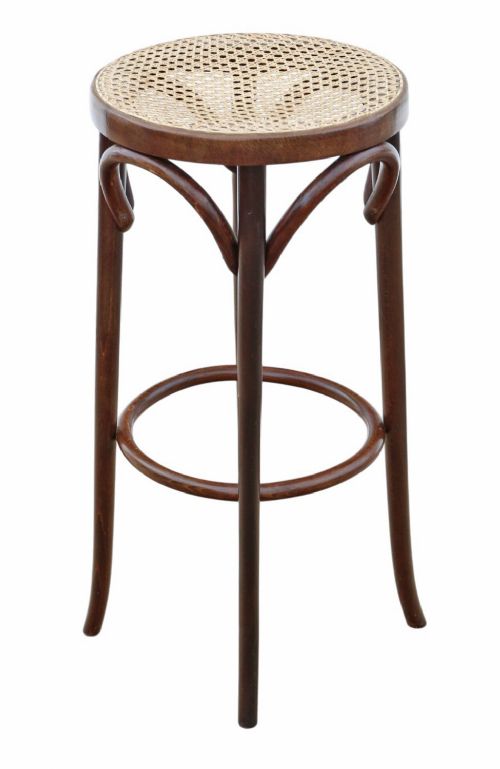
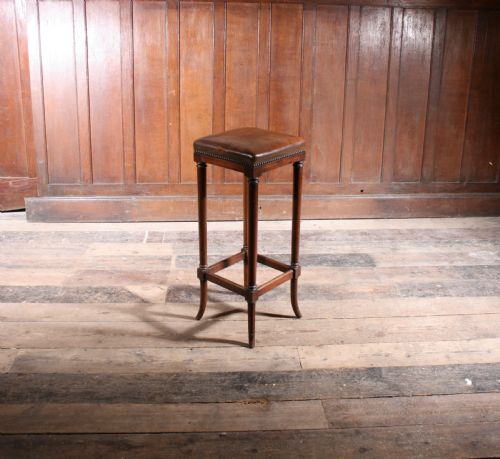


Tall Wooden Counter Stool
A tall wooden counter stool gives a kitchen or workspace genuine character, offering high seating built from honest timber.
Tall Wooden Counter Stool
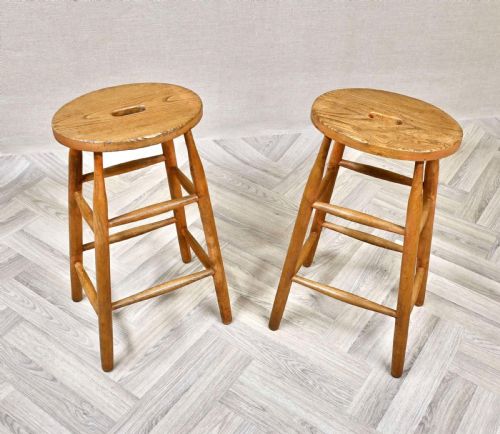
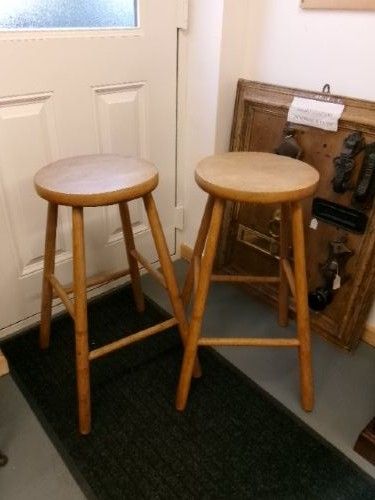
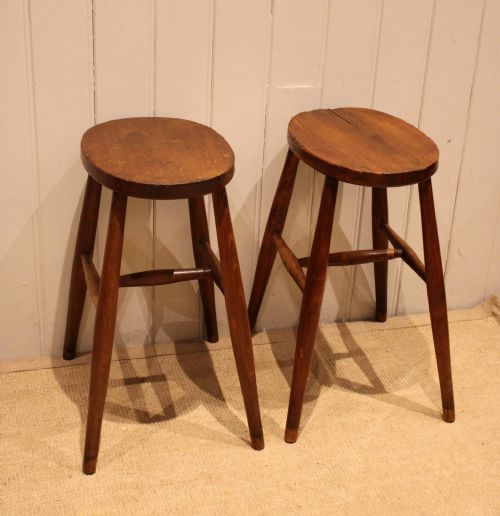
A tall wooden counter stool combines elevation with traditional seating forms found across 19th-century and mid-century interiors. These elevated pieces serve practical functions in kitchens, pubs, taverns, and workshops where raised seating is necessary.
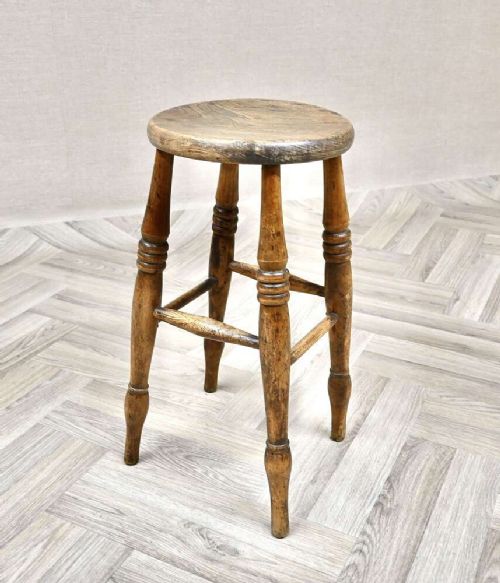
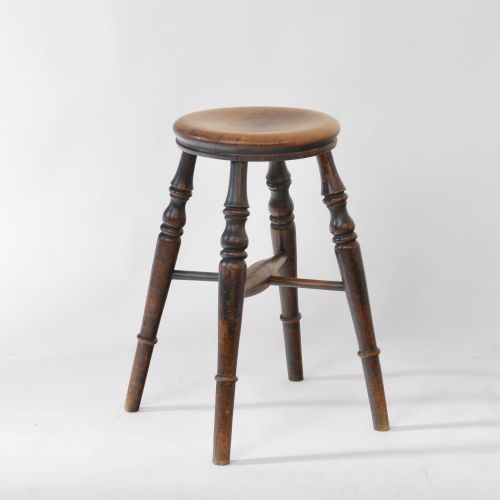
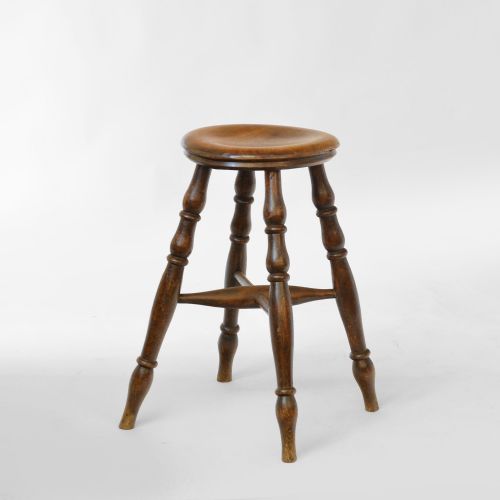
The most common examples you will encounter here include nineteenth-century clerk's stools, pub stools, and rustic country designs. They span utilitarian workshop seating to vernacular Victorian farmhouse styles.
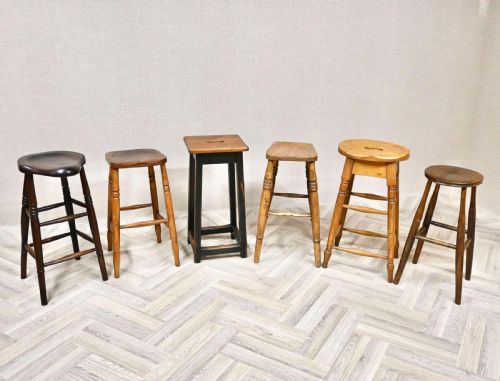
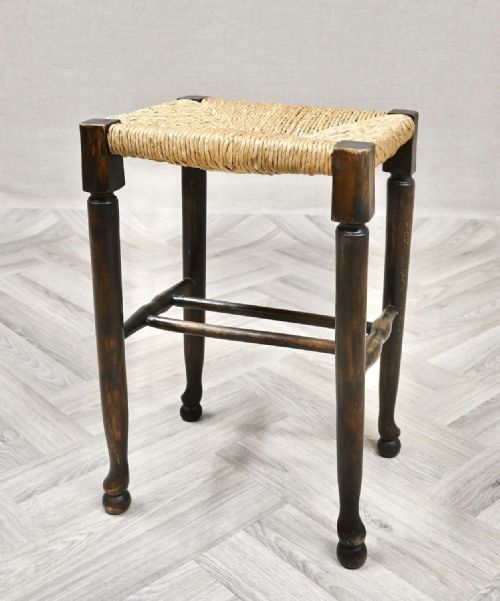
Makers utilised various functional designs, ranging from simple round tops on turned legs to rush seat variants and bentwood high stools. Each tall wooden counter stool reflects the specific domestic or commercial trade it originally served.
Materials and construction
Makers built these elevated seats using solid timber species suited to heavy daily use, selecting elm, beech, oak, sycamore, pine, mahogany, and birch. Elm frequently appears in seat tops for its durability, while turned beech or hardwood forms the structural legs and stretchers.
Joinery techniques relied on traditional woodturning and robust framing methods to maintain stability at height. Selected examples feature rush seating or leather upholstery added to the wooden framework for extra comfort.
Listings feature 19th-century vernacular forms alongside early twentieth-century industrial designs in beech, elm, oak, and mahogany.
Assessing quality and proportion
Quality in a tall wooden counter stool depends on the integrity of the timber and the balance of the frame. Finer examples display well-turned legs, tight joints, and characterful grain patterns developed through decades of honest wear.
Simpler workshop or utility pieces prioritise sturdy construction over decorative turning. The distinction lies in the selection of superior hardwoods like mahogany or wild elm compared to basic pine or general utility timber.
The Tall Wooden Counter Stool Glossary
- Clerk's stool
- A tall utilitarian seat traditionally used by scriveners and office workers at high desks. These pieces usually feature a simple round wooden top supported by four splayed, turned legs.
- Pub stool
- A robust high seat designed for taverns and public houses, built to withstand heavy commercial use. They often incorporate sturdy footrings or stretchers for stability.
- Bentwood
- A manufacturing technique where strips of wood are steamed and bent into curved shapes. This method creates lightweight yet strong frames for high stools.
- Rush seat
- A seating surface woven from dried marsh rushes tightly packed over a wooden frame. This traditional method provides a textured and slightly yielding surface.
- Vernacular
- Everyday objects designed and built by local craftspeople to solve specific practical needs rather than following high-style academic design.
Tall Wooden Counter Stool: Frequently Asked Questions
How high are these stools typically?
These elevated seats are constructed to suit raised kitchen islands, counters, and traditional high desks. Their height is designed for comfort when sitting at an elevated workspace.
Because they originate from various trades like clerk's offices and public houses, exact heights vary across individual pieces. Checking the specific dimensions ensures proper clearance for your counter.
Are these stools comfortable for daily use?
Many examples feature shaped wooden seats carved to fit the body comfortably over long periods. Others incorporate footrests positioned at practical heights along the legs.
While utilitarian in origin, their sturdy timber construction supports regular sitting. Adding a cushion or selecting a rush seat variant provides additional comfort.
How do I date an antique wooden stool?
Dating relies on observing tool marks, timber selection, wear patterns, and the style of the turnery. Nineteenth-century examples often display hand-turned legs and patinated surfaces acquired through age.
Construction details, such as the type of joinery and fixings used, offer further clues to the period of manufacture. Comparing the form to documented vernacular styles helps narrow down the decade.
Can I use these stools at a modern kitchen island?
These pieces integrate well into modern kitchens, adding warmth and historical contrast to contemporary interiors. Their honest wooden construction suits both minimalist and traditional home settings.
It is important to measure both the counter height and the seat height before purchasing to ensure proper legroom. The diverse range of woods available makes matching existing kitchen tones straightforward.