




Brown Oak High Stool
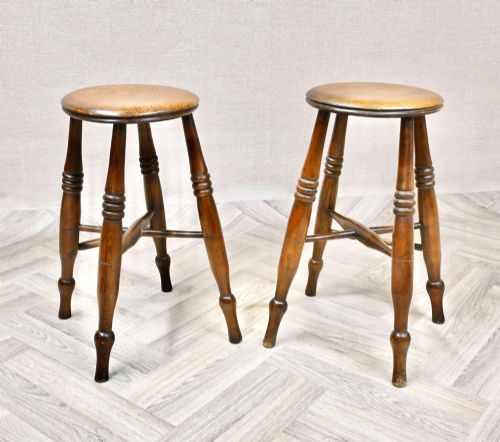
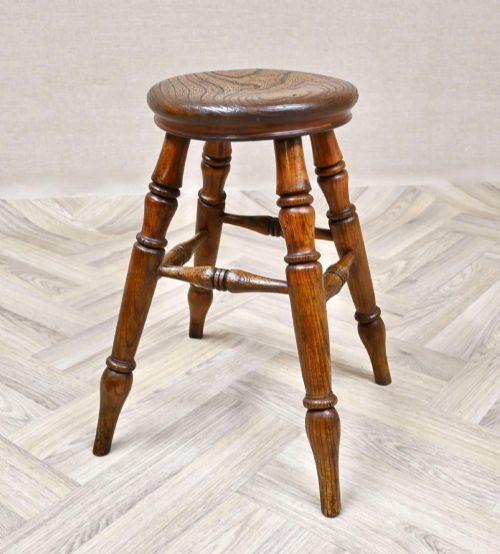
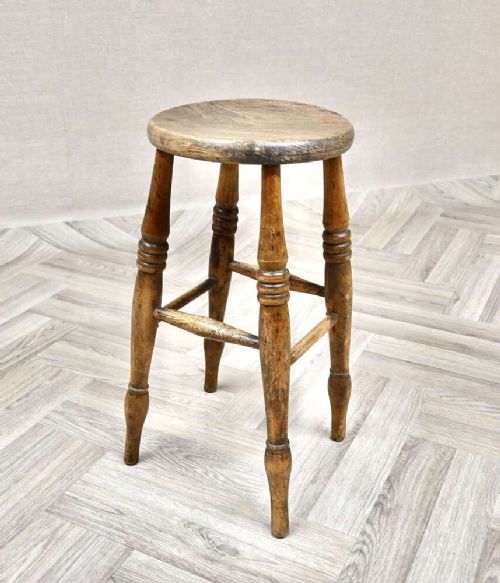
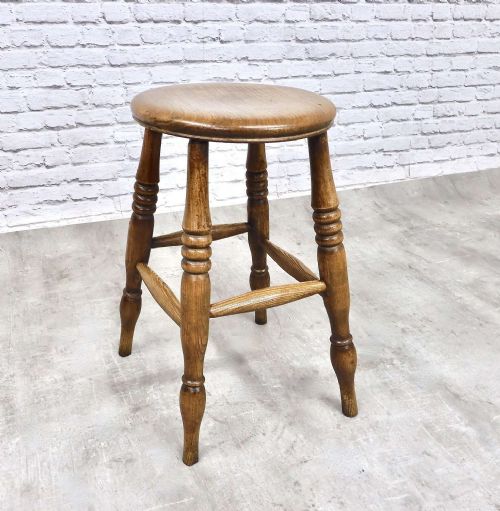
A brown oak high stool offers robust charm and everyday utility, rooted in nineteenth-century utilitarian design and sturdy country craftsmanship.
Brown Oak High Stool
When you search for a brown oak high stool, you are looking at elevated seating designed for working, drinking or writing in past centuries. These pieces trace back to the nineteenth century and Victorian eras, taking forms such as clerk's stools, bar stools, pub stools and tall work seats.
You are most likely to meet nineteenth-century examples on this page, often built for functional environments like taverns, mills and offices. Their elevated stature and practical timber construction made them indispensable for workers who stood or perched at tall desks and counters.
The styles span Victorian, Victorian country, country vernacular and rustic country. They reflect an honest approach to furniture, where sturdy construction mattered more than decorative flourishes.
How they were made
Makers utilised solid timbers such as oak, elm, pine, sycamore, beech and hardwood to construct these tall stools. Wild elm and oak provided the dense, durable surfaces needed for heavy daily use in workshops and public houses.
Construction techniques relied on traditional joinery methods suited to high-stress seating, often pairing sturdy wooden legs with turned stretchers for stability. Some variants incorporated rush seating, adding a woven texture to the wooden framework.
Brown Oak High Stool Retail Price Guide 2026
Typical asking prices for brown oak high stool among the pieces listed under this phrase on Sellingantiques today, from the lower quarter to the upper quarter. They describe what is for sale here now, not the wider market.
What varies in quality
The character of the timber itself dictates much of the distinction, with rich grain patterns and honest patination elevating a piece. Gradations in quality stem from the integrity of the original construction and how well the joints maintain their rigidity over generations of heavy use.
Proportion and stance separate standard utility pieces from more substantial examples like large bar stools or mill worker's seating. The balance between the height of the seat and the placement of foot stretchers defines the overall harmony of the design.
The Brown Oak High Stool Glossary
- Vernacular furniture
- Items made by local craftsmen for everyday use rather than high-style urban production. These pieces prioritise utility and local materials over fashionable trends.
- Stretchers
- Horizontal wooden rods connecting the legs of a stool to provide structural rigidity. They frequently double as footrests on high seating.
- Wild elm
- A native hardwood known for its interlocking grain and resistance to splitting. Makers selected it for seats that required exceptional toughness.
- Ladderback
- A chair or stool back featuring horizontal slats between upright posts. This traditional construction method appears on tall seating and high chairs.
Brown Oak High Stool: Frequently Asked Questions
What were high stools used for?
These tall seats served workers in nineteenth-century environments like clerks' offices, taverns and textile mills. They allowed people to sit comfortably at elevated desks, bars and workbenches.
Over time, their practical role shifted into domestic settings, where people appreciate their rustic proportions and historical utility.
How do I live with a high stool?
A brown oak high stool works well as a standalone accent piece or positioned beside a kitchen island or breakfast bar. Its elevated stature adds vertical interest to a room without occupying much floor space.
Keep the timber conditioned with appropriate wax and avoid placing it near direct heat sources to preserve the nineteenth-century wood.
How do I tell periods apart?
Nineteenth-century and Victorian examples display honest tool marks, hand-turned legs and deep patination accumulated through decades of use. Stylistic cues often align with vernacular country traditions rather than strict academic design.
Examining the construction of the joints and the weathering of the hardwood helps distinguish genuine period pieces from later interpretations.
Are these stools comfortable?
Many high stools feature contoured wooden seats shaped to fit the body during long hours of standing work. Foot stretchers provide a place to rest your feet while perched at an elevated height.
While they lack modern upholstery, their ergonomic wooden forms were carefully designed for functional utility.