
Tall Wooden Columns
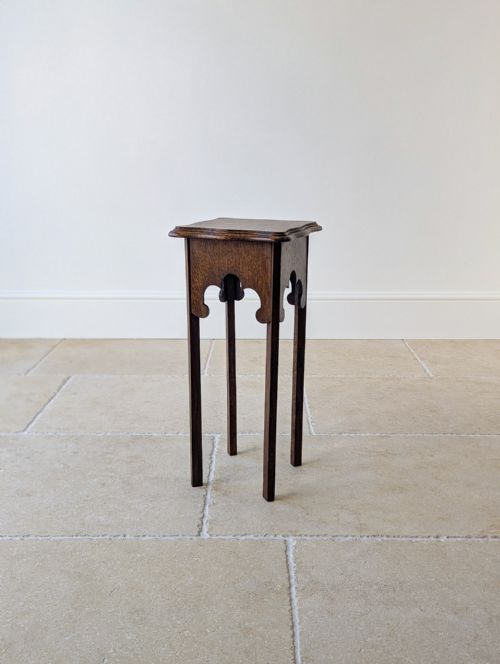
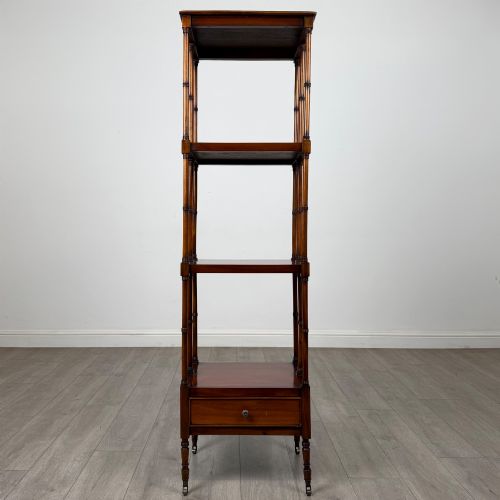
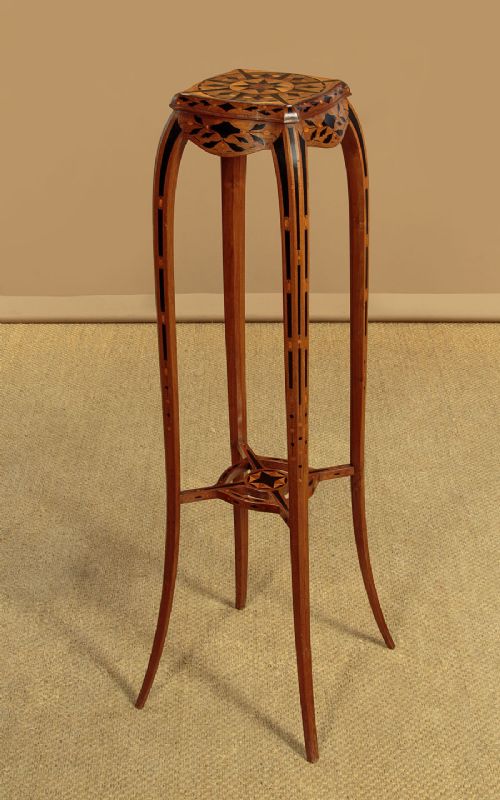
Tall wooden columns bring vertical presence to a room, functioning primarily as torcheres, plant stands, and display pedestals.
Tall Wooden Columns
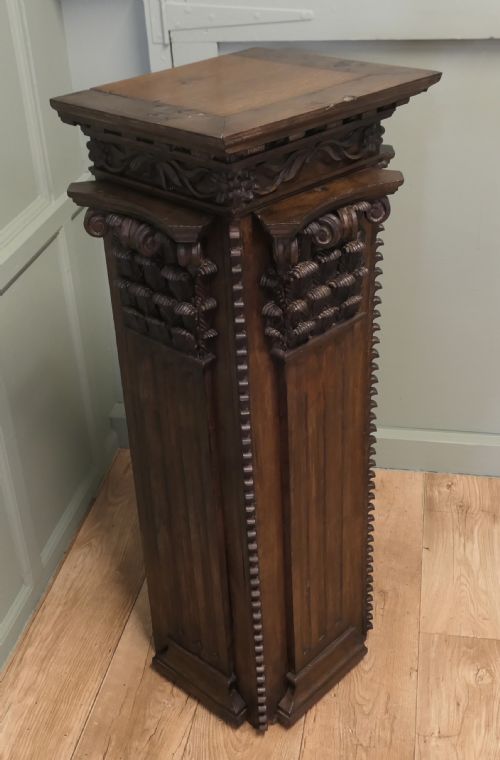
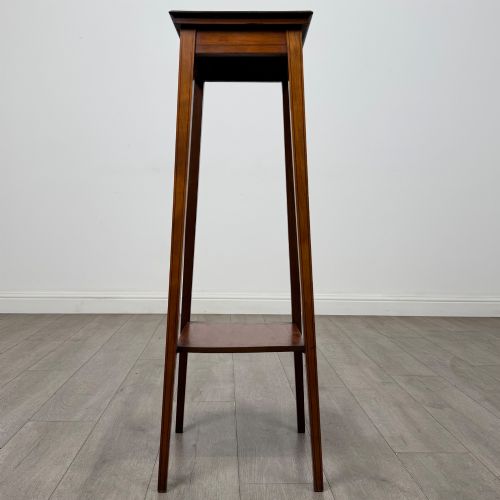
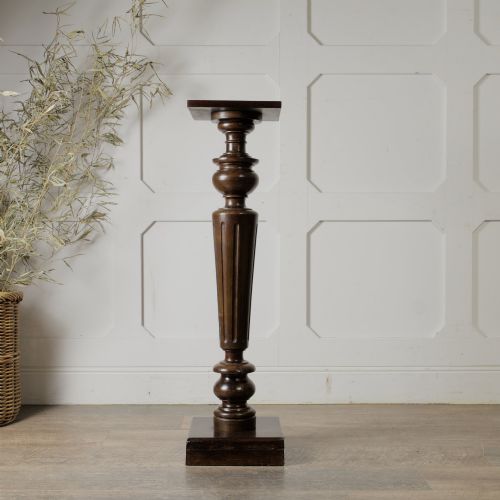
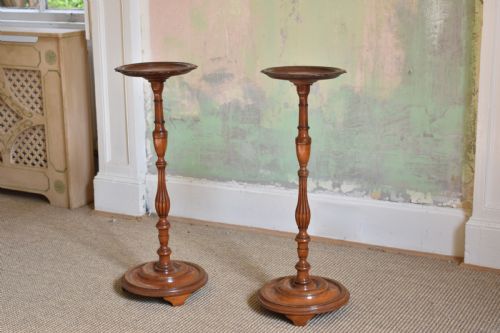
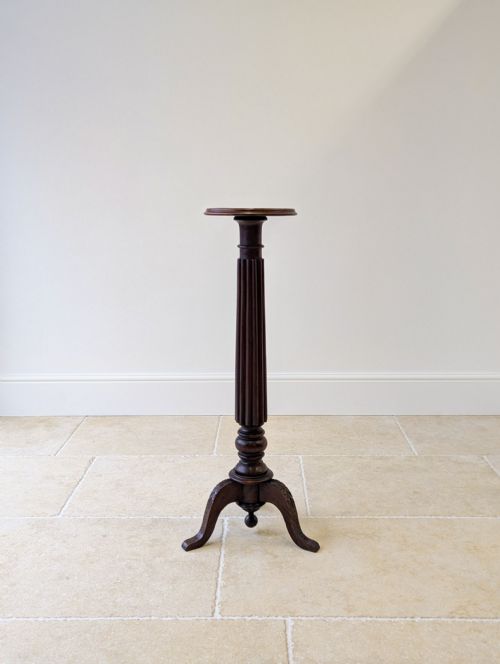
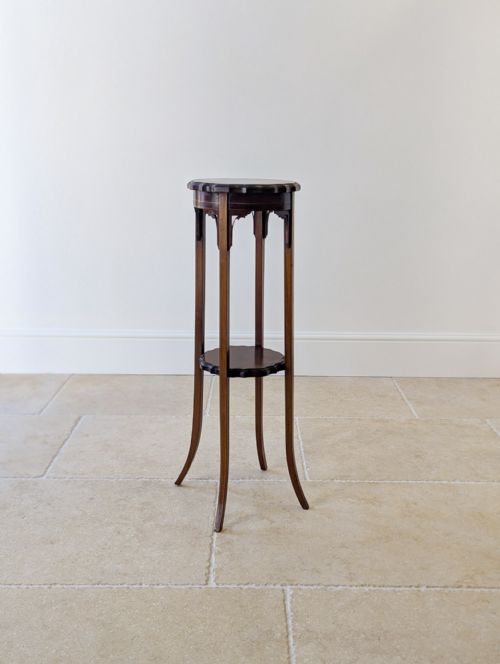
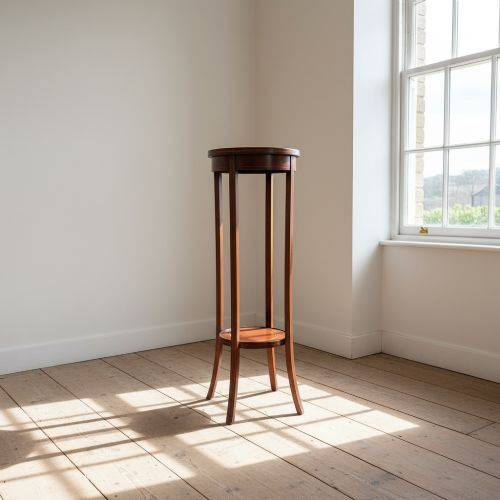
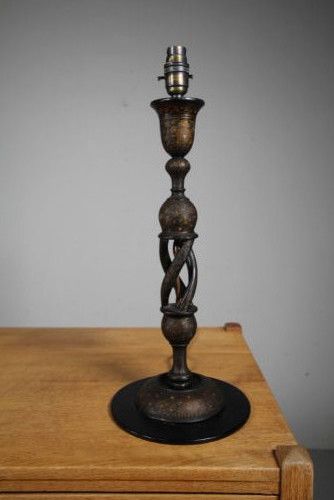
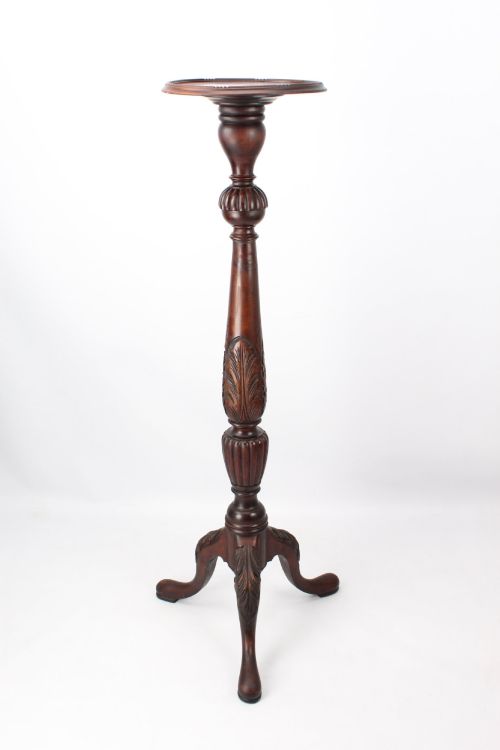
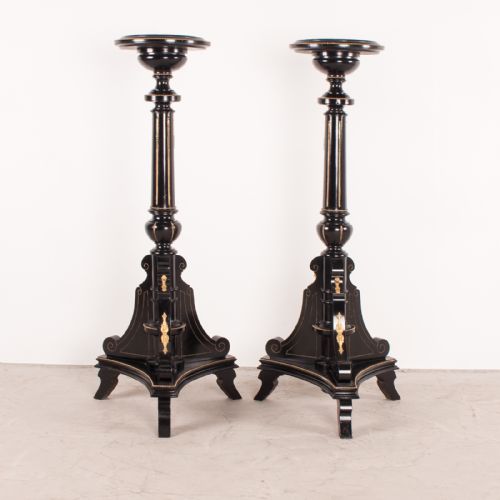
Tall wooden columns generally manifest as torcheres, plant stands, and display pedestals designed to elevate objects or illuminate spaces. These vertical supports emerge from various periods including Georgian, Victorian, and Edwardian eras, reflecting changing domestic fashions.
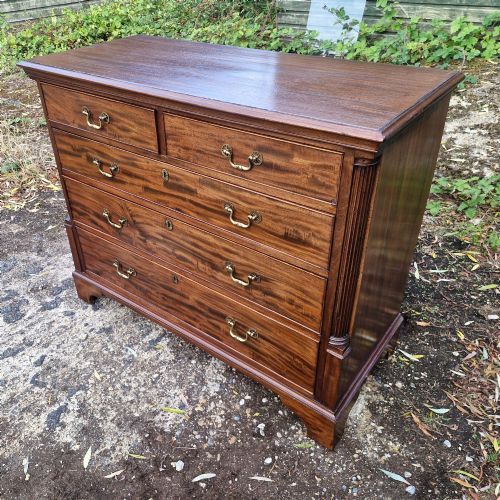
Buyers will most frequently encounter mahogany and oak examples originating from the nineteenth and early twentieth centuries. Many pieces incorporate turned shafts, tripod bases, or Corinthian capitals to create distinct architectural silhouettes within a domestic interior.
Assessing quality and craftsmanship
Quality rests heavily on the choice of timber and the crispness of the hand-carved detailing on capitals and bases. Solid hardwoods with well-figured grain command greater appreciation than softer pine or heavily disguised surfaces.
Proportion and stability determine practical success, as finer examples maintain a balanced centre of gravity despite narrow footprints. Original surface patination and minimal structural alteration preserve the historical integrity of each piece.
Listings feature solid mahogany, oak, and walnut construction spanning the Georgian, Victorian, and Edwardian eras.
Shoolbred
The Tall Wooden Columns Glossary
- Torchere
- A tall stand designed to support a candelabrum, lamp, or decorative object. These slender pieces often feature circular tops and decorative columns.
- Plinth
- A heavy base or lower block that supports a column, statue, or pedestal. It provides essential physical stability for tall wooden structures.
- Corinthian
- An ornate classical architectural style characterised by carved acanthus leaves on column capitals. This detail appears frequently on revival lamp standards and pedestals.
- Turned
- Shaped on a rotating lathe using chisels to create symmetrical cylindrical or vase-like profiles. Most vertical wooden shafts employ this foundational woodworking technique.
- Ebonised
- Wood treated with a chemical stain or dark finish to imitate expensive ebony. This dark treatment was particularly popular for decorative nineteenth-century display pieces.
Tall Wooden Columns: Frequently Asked Questions
What were tall wooden columns used for historically?
These tall wooden columns served primarily to elevate candles, oil lamps, or decorative urns above floor level to illuminate or adorn grand rooms. Over time, they adapted to hold potted plants, jardinieres, or electric light fixtures.
In domestic settings, they acted as focal points in corners or hallways, drawing the eye upward and maximising floor space.
How do I choose the right height?
Consider the scale of the room and the object intended to sit atop the column. Taller torcheres work well in rooms with high ceilings to fill vertical voids without cluttering the floor.
Ensure the base diameter matches the height to guarantee stability, particularly if placing heavier items like marble or large ceramic planters on the stand.
Are these columns suitable for modern electrical lamps?
Many antique columns, particularly standard lamps from the Edwardian period onwards, are specifically designed or subsequently adapted to house electrical wiring. Buyers should check whether the internal wiring has been modernised for safety.
Solid wooden shafts often allow discreet channelling or threading of modern flex to preserve a clean external appearance.
How do I date a wooden column?
Dating relies on identifying the prevailing style, such as Georgian proportions, Victorian carving depth, or Edwardian satinwood inlay. Timber choice and secondary woods underneath also offer clues regarding the period of manufacture.
Tool marks left by hand saws or lathes can further distinguish nineteenth-century handcrafting methods from later twentieth-century production techniques.