



Tall Arch Mirror
A tall arch mirror gathers light and height in a room, drawing the eye upward with its curved top and grand proportions.
Tall Arch Mirror
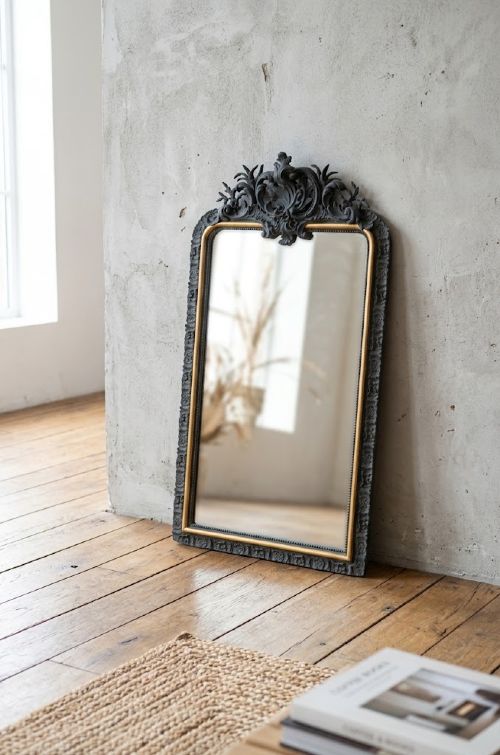
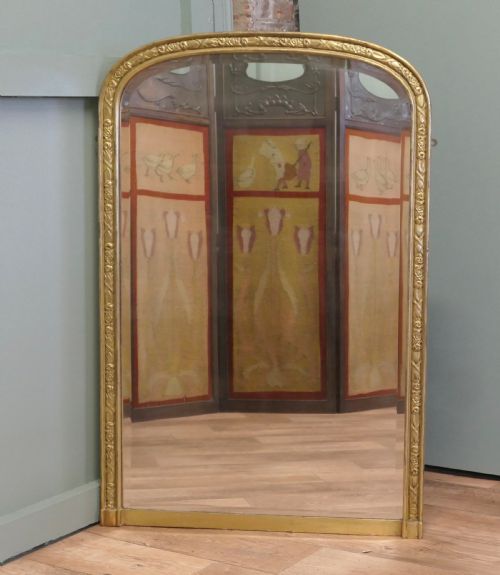
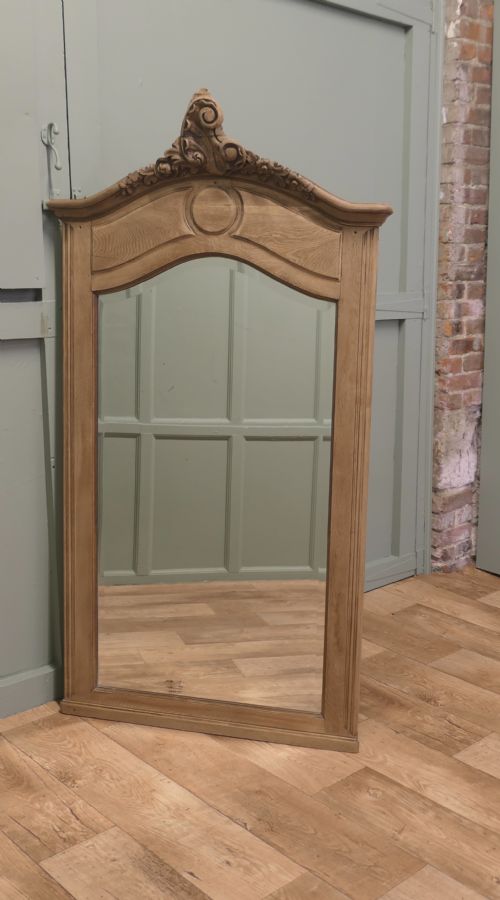
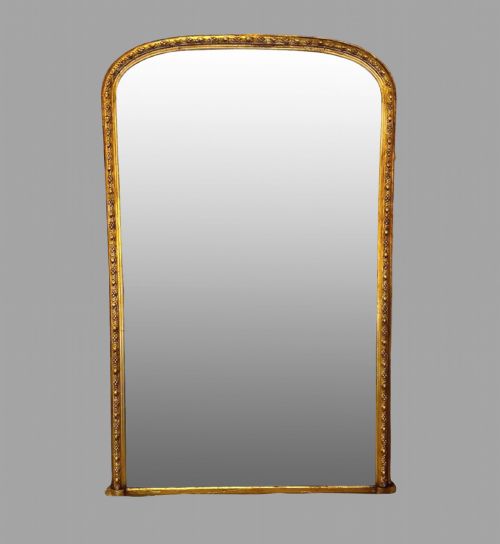
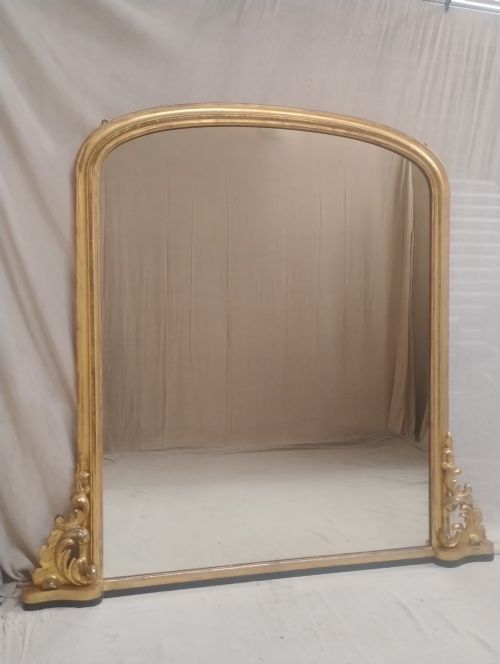
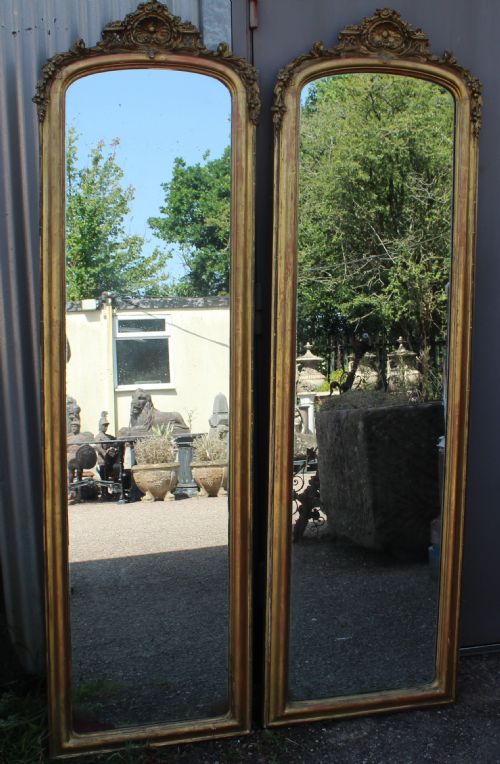
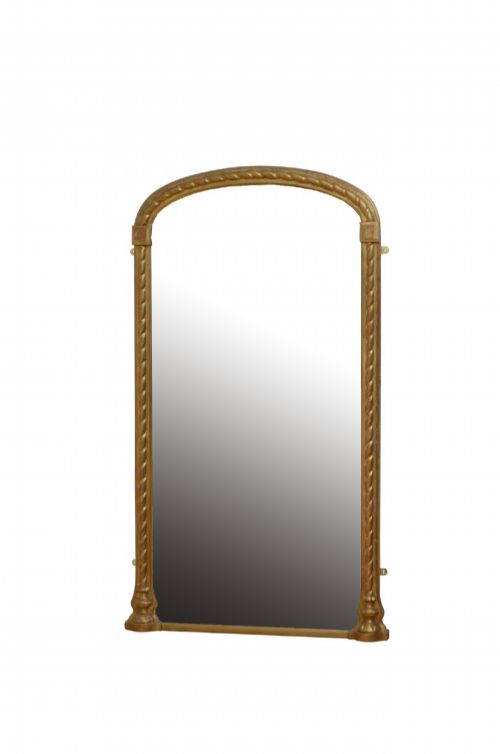
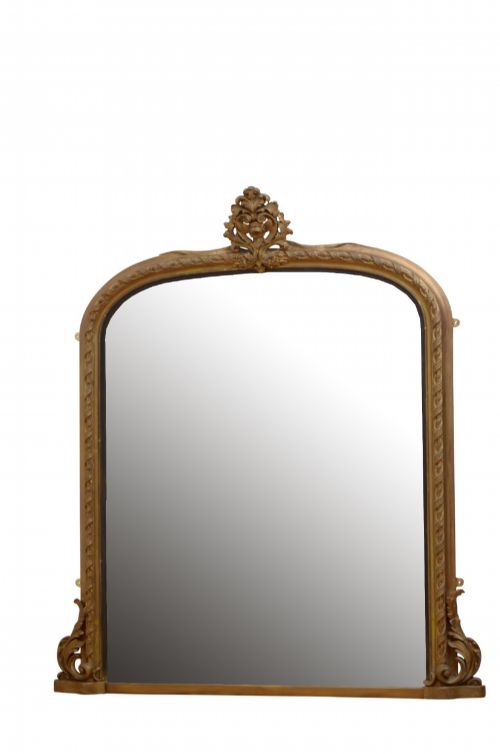
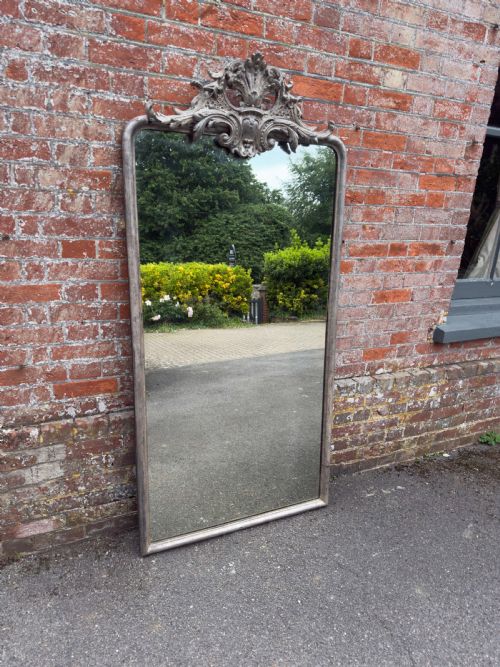
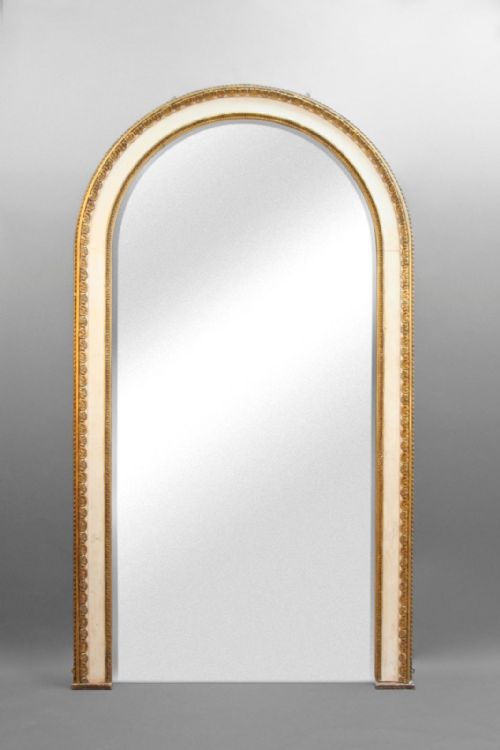
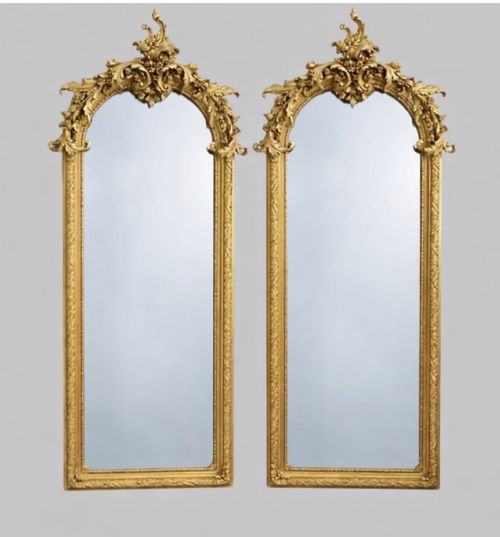
A tall arch mirror is a vertical looking glass defined by an arched or shaped top, designed to hang on a wall or stand as a leaner. When searching for a tall arch mirror, buyers encounter numerous nineteenth-century French and English examples designed as overmantels, pier mirrors, and full-length dressing glasses.
The form encompasses architectural styles ranging from Louis Philippe and French Empire to Victorian and Georgian designs. Many of these pieces serve practical functions as hall mirrors or cheval dressing glasses while anchoring interior schemes with substantial height.
Originating largely from nineteenth-century workshops, these tall mirrors frequently combine considerable vertical dimensions with decorative arched frames. The selection spans giltwood, painted wood, and carved walnut formats built for domestic parlours and grand reception rooms.
How they were made
Makers constructed the frames of these tall mirrors using timber such as oak, mahogany, walnut, and pine as a foundational base. Craftsmen then applied layers of gesso to carved wooden mouldings to prepare intricate surface details for gilding or painting.
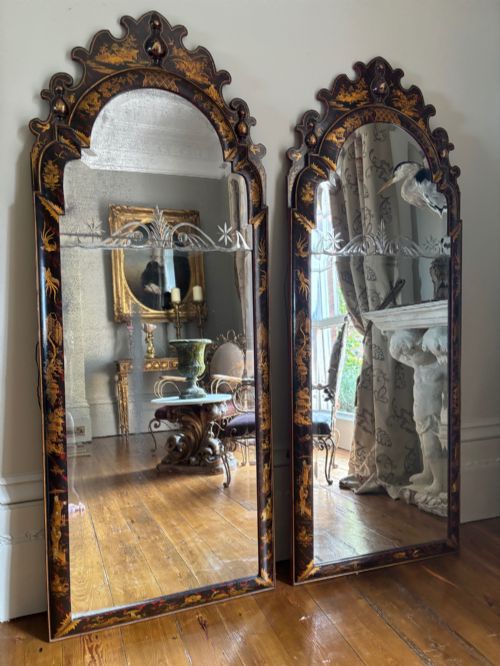
Finishing techniques relied heavily on gold leaf, silver, or applied paint to achieve the desired aesthetic. Craftsmen also utilised eglomise panels and rope carvings to decorate the upper sections of the frames.
Listings feature eighteenth and nineteenth-century periods, including Georgian and Victorian eras, utilising materials like giltwood, gesso, and painted wood.
What varies in quality
The standard of carving distinguishes superior tall arch mirrors from simpler utilitarian items, particularly where crisp floral motifs, rope work, or gesso detailing remain intact. Deeply sculpted wooden frames demand greater artisan skill than flat mouldings.
The integrity of the original gilding and painted surfaces dictates the visual depth of the piece. Authentic period gold leaf and silvering age with a distinct patina that machine finishes cannot replicate.
The Tall Arch Mirror Glossary
- Pier mirror
- A tall looking glass traditionally hung on the pier wall between two windows. These pieces often match console tables positioned below them.
- Gesso
- A plaster-like mixture applied to wooden frames as a smooth base for gilding or painting. Artisans mould this substance into relief decorations.
- Eglomise
- A technique involving cold painting and gilding on the reverse side of glass panels. This creates a reflective, decorative border often seen on antique frames.
- Cheval mirror
- A freestanding full-length looking glass suspended on a pivoting frame between four legs. This form allows the user to tilt the glass to various angles.
Tall Arch Mirror: Frequently Asked Questions
Where should I hang a tall arch mirror?
These vertical mirrors suit living rooms above mantelpieces, narrow hallways, or bedrooms where full-length reflections are useful. Their height makes them ideal for bouncing natural light around darker corners of a room.
Positioning the base at the correct height ensures the arched top draws the eye upward, enhancing the perceived ceiling height of the space.
How do I identify a nineteenth-century mirror?
Nineteenth-century examples often display heavy timber construction combined with hand-applied gesso and gold leaf. Examining the backboards and fixings reveals period manufacturing techniques.
Older mirror glass frequently exhibits subtle imperfections, foxing, or waviness that distinguishes vintage plates from modern float glass.
Can tall arch mirrors stand on the floor?
Many larger examples function as leaner mirrors, resting directly against the floor while secured safely to the wall. This placement creates a relaxed yet grand decorative statement.
Using wall fixings is essential with heavy wooden frames to prevent tipping, particularly in rooms with high foot traffic.