
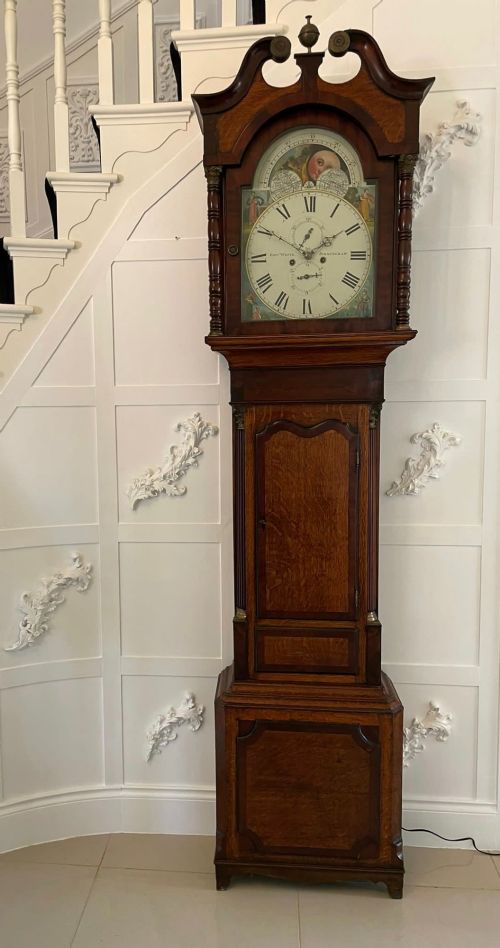
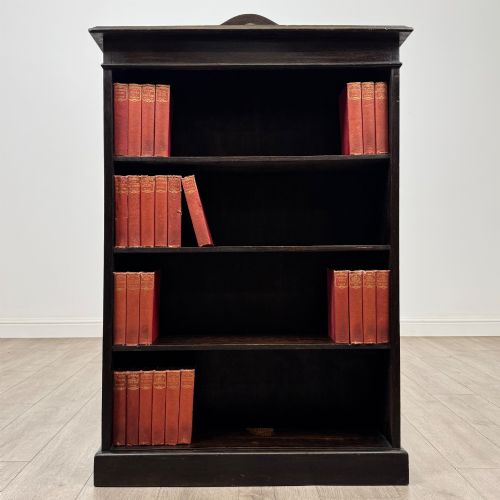
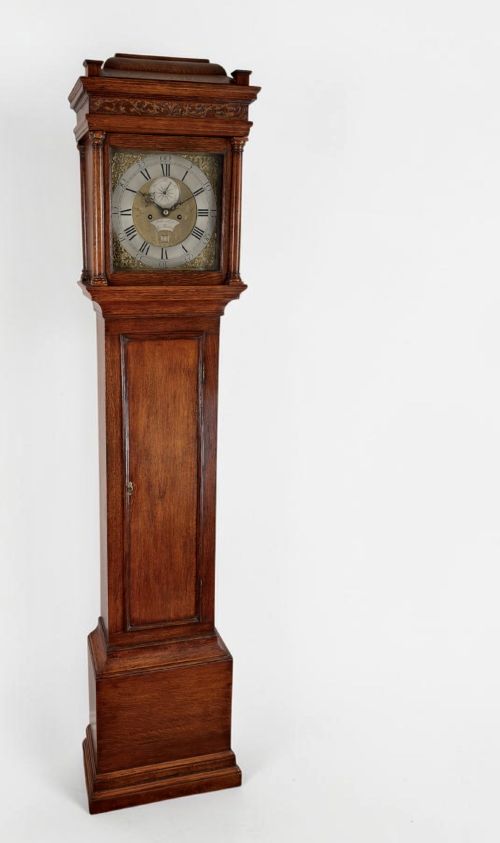
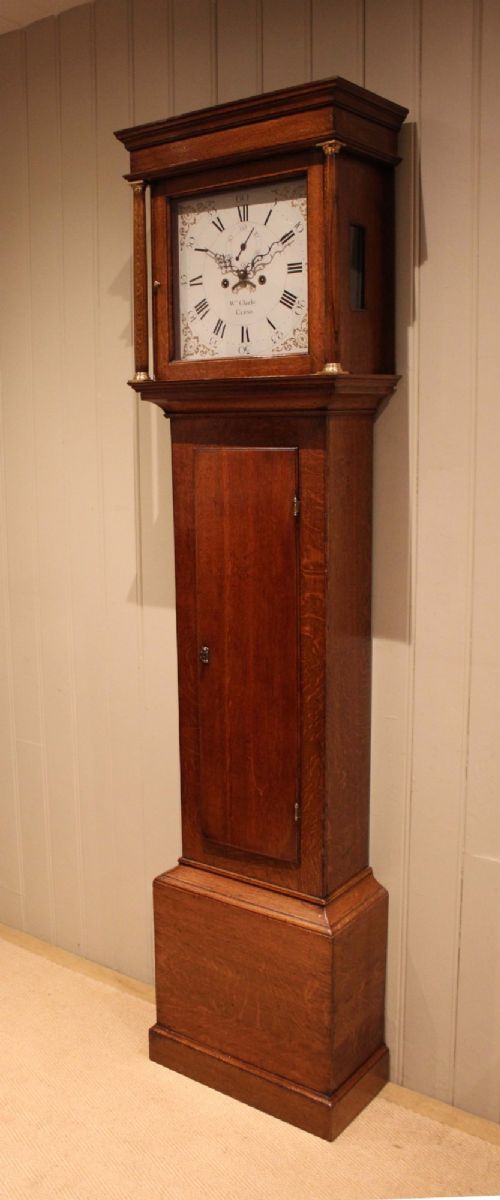

Tall Oak Stand
A tall antique oak stand brings vertical presence and honest timber grain to a room.
Tall Oak Stand
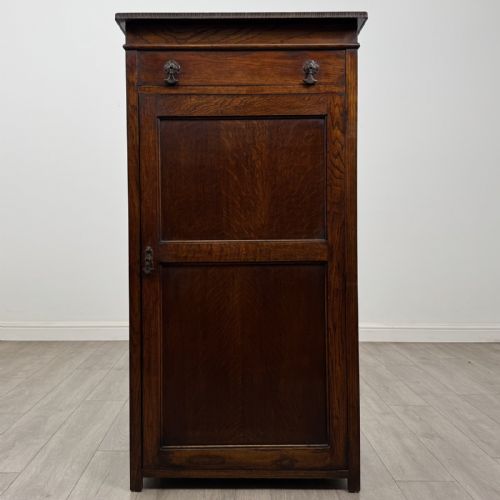
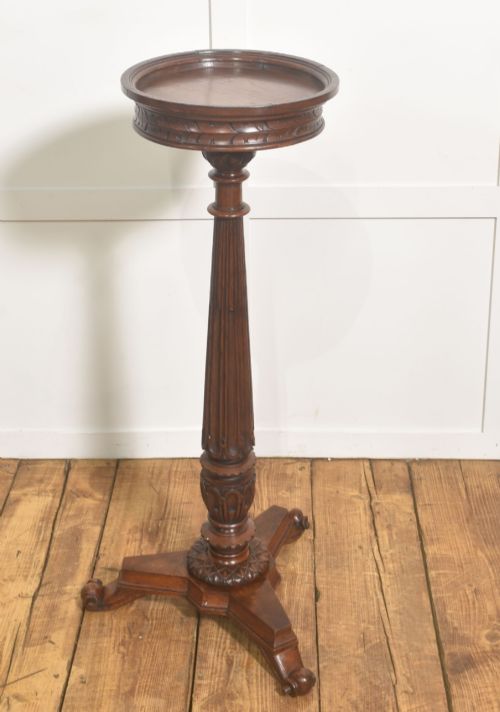
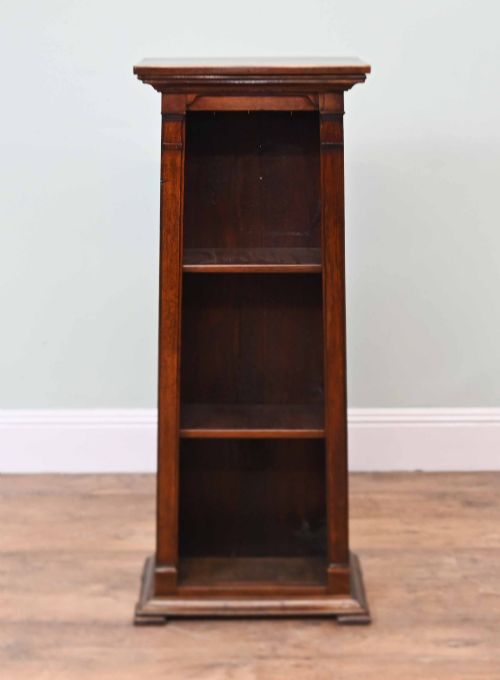
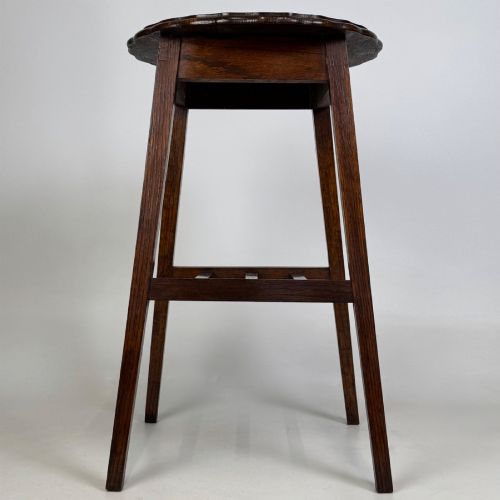
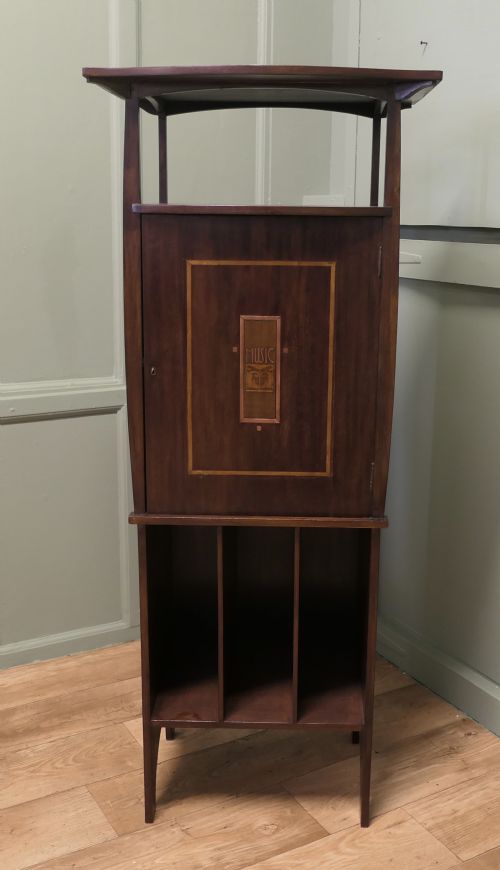
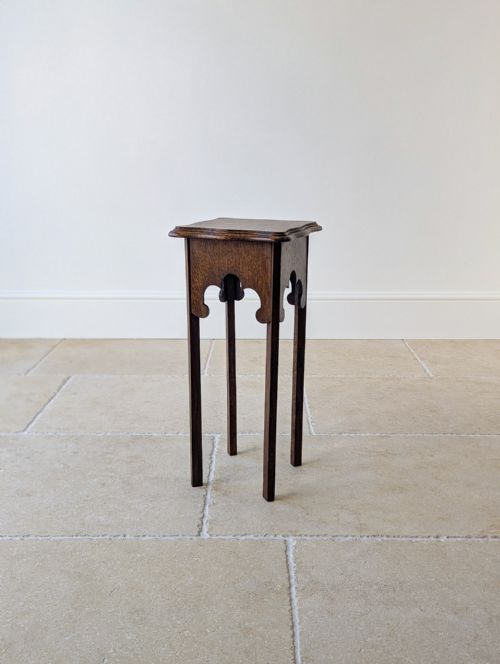
A tall antique oak stand encompasses various vertical furniture forms intended to elevate objects or fill narrow spaces within a room. When searching for a tall antique oak stand, buyers frequently encounter plant stands, jardiniere stands, display pedestals, and bookcases spanning several centuries.
The pieces originating from the Edwardian period and the Arts and Crafts movement appear prominently alongside earlier Georgian and 19th-century examples. These items serve practical functions as lamp tables, display surfaces, or storage units while introducing architectural height to interior layouts.
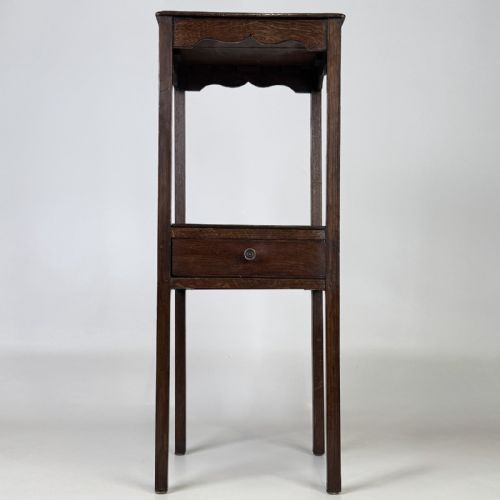
Craftsmen built these tall structures to occupy minimal floor space whilst providing adequate elevation for lamps, plants, books, or decorative items. The variety ranges from slender plant pedestals with brass details to multi-tiered stands and tall open bookcases.
Materials and Construction
Oak forms the primary structural material across these pieces, frequently accompanied by secondary woods such as walnut and mahogany, alongside details in brass, iron, and glass. Workshops utilised solid timber boards for tops and shelves, joining components with traditional methods suited to load-bearing vertical furniture.
Makers applied carved decoration, raised galleries, and shaped edges to enhance the visual weight of the oak uprights. Metal fittings such as brass plates, dials, or handles appear on specific stands, contrasting with the dark grain of the polished timber.
Some tall stands feature secret compartments or musical movements that chime melodies as the hours pass.
Proportion and Detail
The standard of a tall antique oak stand depends upon the crispness of its carved detailing and the balance of its proportions. Finer examples display thoughtful integration between the upright structure and the platform or surface it supports, without feeling overly heavy or clumsy.
The handling of the oak timber itself distinguishes superior pieces, where the grain runs harmoniously through the column or legs. Original surface patination and restrained decorative flourishes, such as subtle brass accents or well-executed carving, elevate the standing of the piece.
Edward White Birmingham·GM Elwood for JS Henry·Wylie Lochhead of Glasgow·EA Taylor
The Tall Oak Stand Glossary
- Gallery
- A raised wooden or brass border around the edge of a shelf or top to prevent items from sliding off. This feature often appears with pierced or carved openwork on Edwardian stands.
- Jardiniere stand
- A tall piece of furniture specifically designed to hold a plant pot or flower bowl. These stands frequently incorporate waterproof liners or metal trays.
- Longcase clock
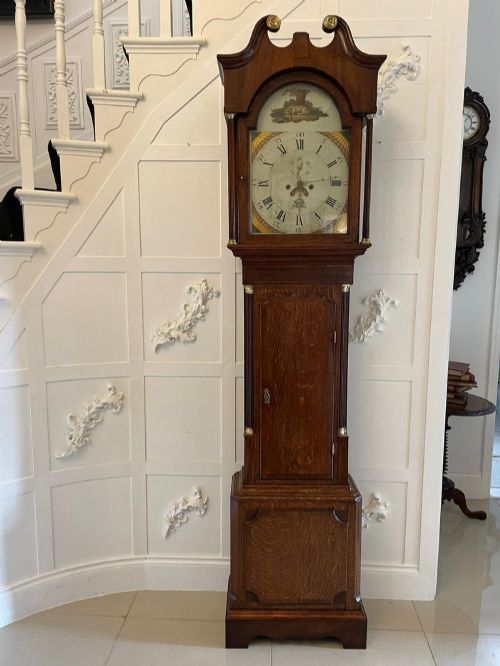
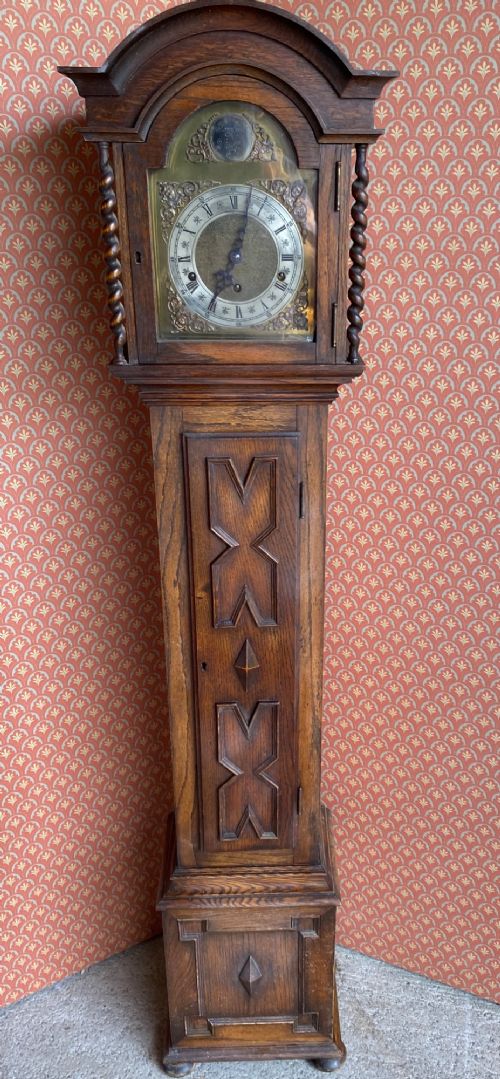
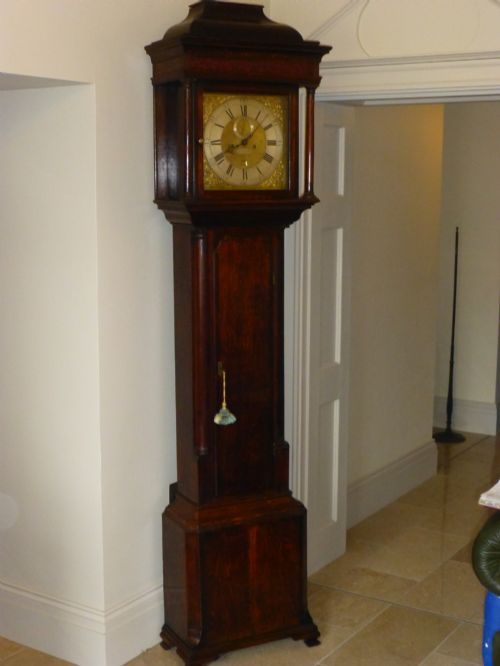
- A tall pendulum clock enclosed in a wooden case that rests upon the floor. These items combine joinery with horological movement and often feature oak construction.
- Pedestal
- A single vertical column or support used to elevate a statue, lamp, or vase. They are constructed in wood, sometimes with fluted shafts or carved capitals.
- Patina
- The surface sheen and colour developed by timber over decades of handling and exposure to light. It serves as an indicator of age and careful maintenance.
Tall Oak Stand: Frequently Asked Questions
What rooms suit a tall antique oak stand?
These vertical stands fit well into hallways, corners, or narrow wall spaces where floor area is limited. They provide functional surfaces without crowding the room.
Their height draws the eye upward, making them useful for balancing low ceilings or filling empty vertical expanses.
How do I care for antique oak furniture?
Keep oak pieces away from direct heat sources and strong sunlight to prevent the timber from drying out or splitting. Dust regularly with a dry cloth and apply natural wax polish sparingly.
Avoid using modern silicone-based sprays, as they can build up and dull the natural patination of the wood over time.
How can I date an oak stand?
Examine the construction methods, tool marks, and overall style to determine the period of manufacture. Edwardian and Arts and Crafts pieces often show machine assistance alongside hand-finishing, whereas 18th-century examples display entirely hand-cut joinery.
The presence of specific hardware styles, such as brass dials or pegged joints, also helps narrow down the timeframe.
Were plant stands built differently from bookcases?
Plant stands were constructed with narrower footprints and higher centres of gravity to display single pots or jardinieres. Bookcases and shelving units utilised deeper shelves and broader bases to support the weight of heavy volumes.
Both forms utilised sturdy oak frames, but their load distribution reflected their intended daily use.