

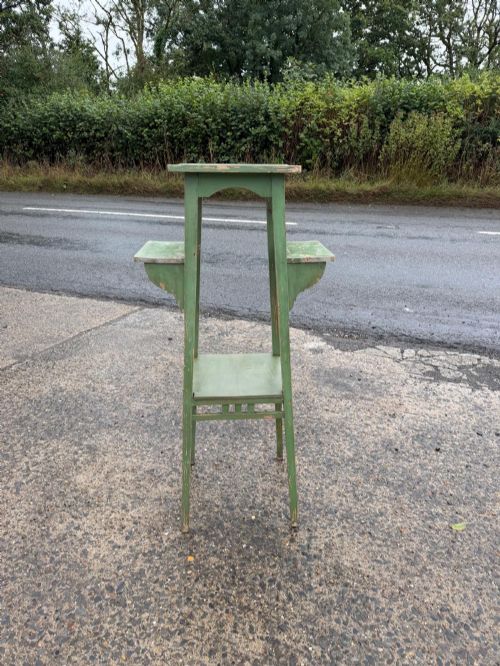
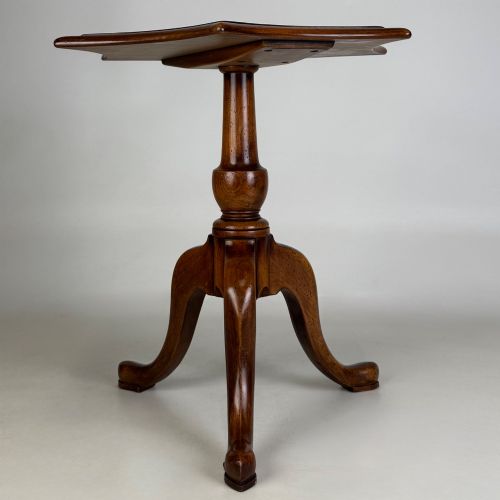
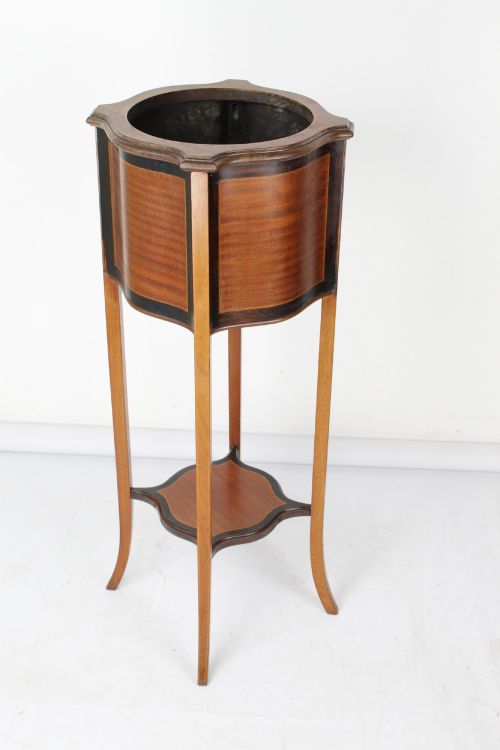
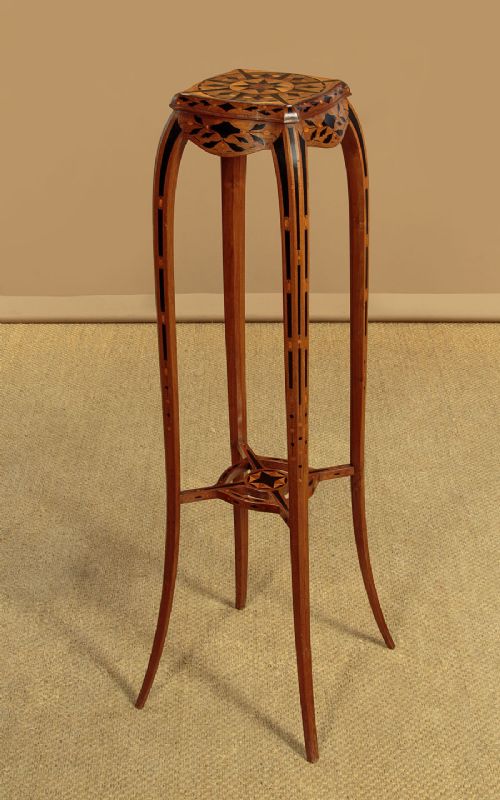
Edwardian Wooden Plant Pedestal
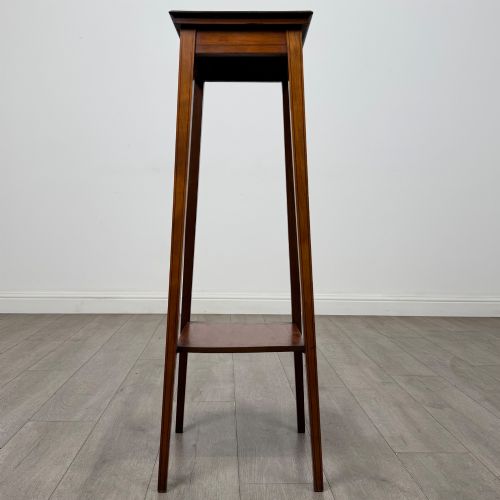
An edwardian wooden plant pedestal lifts greenery into the light, bringing height and proportion to a corner.
Edwardian Wooden Plant Pedestal
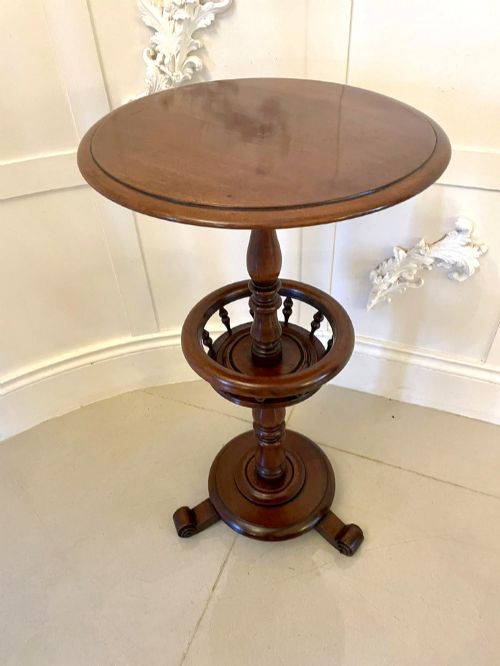
An edwardian wooden plant pedestal serves as a raised display for ferns, palms and jardinieres within a room. These pieces provide a vertical focal point, using a narrow footprint to occupy empty corners or hall spaces.
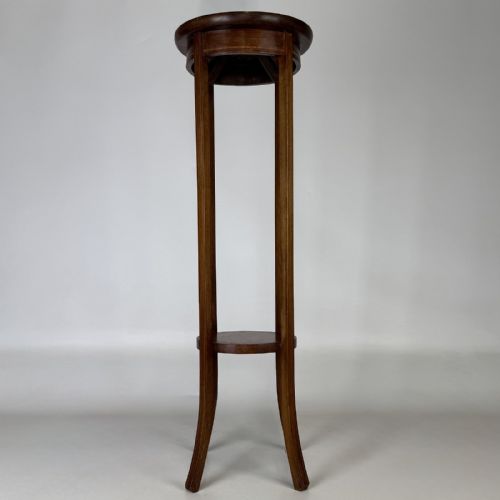
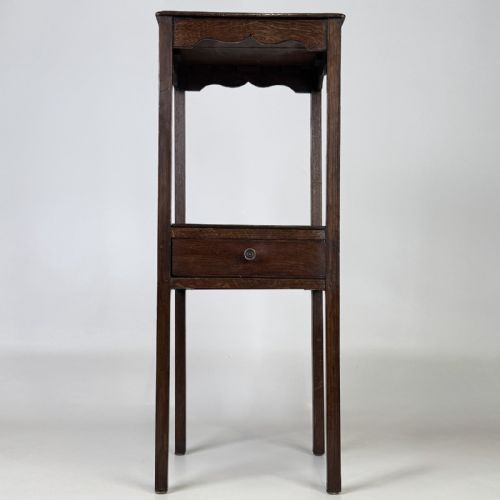
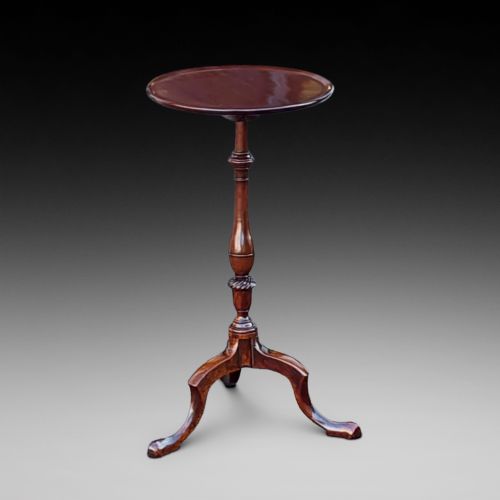
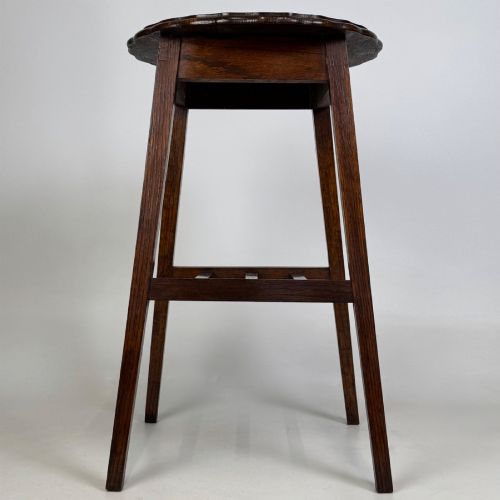
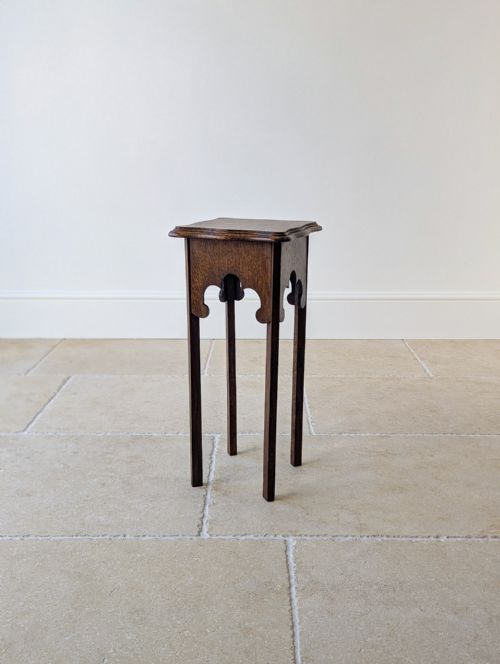
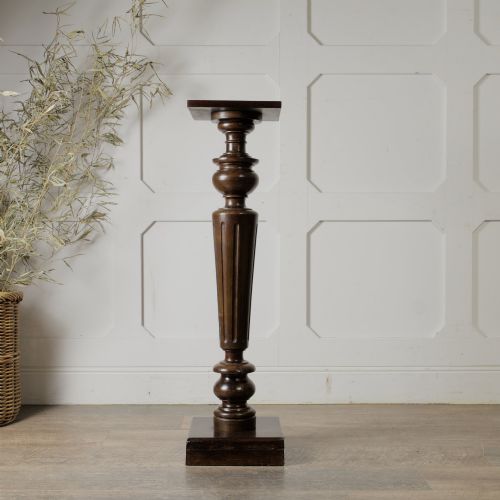
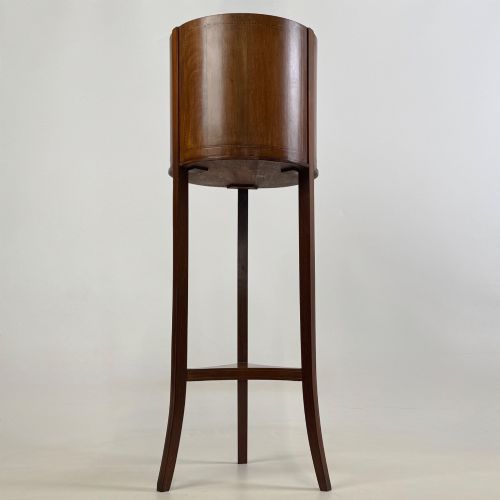
The selections here lean heavily toward Edwardian and early twentieth-century examples, alongside Victorian and revival styles. Formats range from slender torchères and turned plinths to two-tier stands and occasional tables adapted for botanical display.
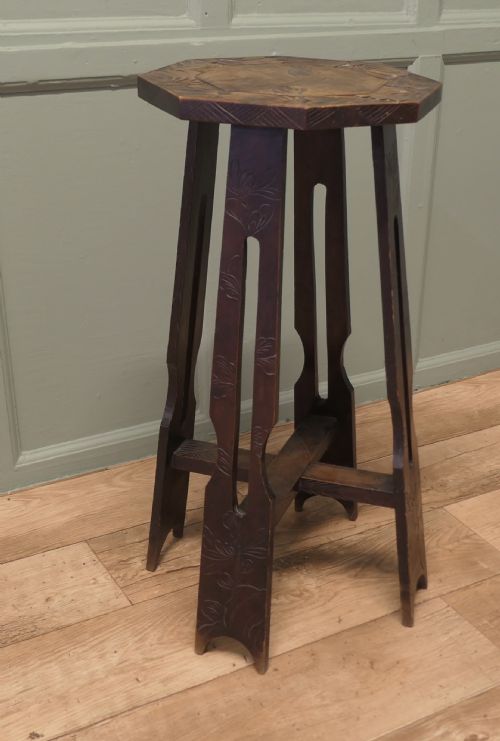
Makers and designers of the period utilised domestic timbers to create functional display furniture that suited contemporary interior tastes. Buyers encounter designs varying from plain turned columns to inlaid satinwood and oak pieces with brass details.
Materials and construction methods
Cabinetmakers constructed these stands using hardwoods such as mahogany, oak, walnut, and satinwood, often combining solid timber with turned columns and shaped tops. Some examples feature ebonised wood or painted finishes.
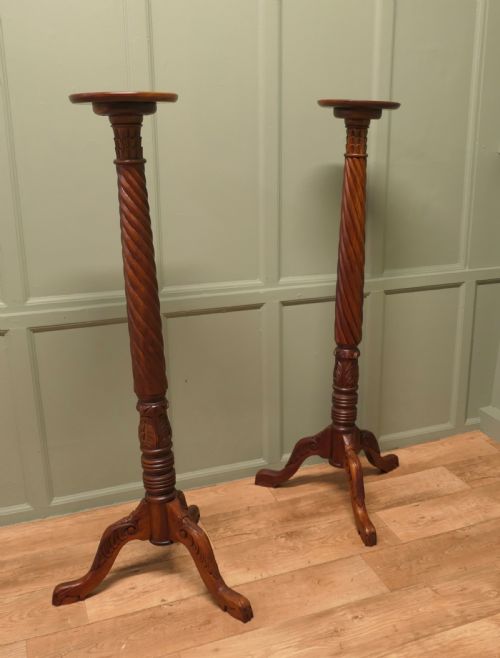
Joinery techniques included barley twist turnings, bracket feet, tripod bases, and inlaid woodwork incorporating lighter veneers. Metal elements such as brass detail appeared on Arts and Crafts interpretations.
Materials span mahogany, oak, satinwood, walnut, beech, and ebonised wood alongside brass details.
Judging the quality of a pedestal
Quality rests upon the choice of timber and the precision of the turning or inlay work. A denser grain and crisp detailing on carved or twisted columns signal superior workshop output.
Stability and proportion dictate the utility of a tall stand. Well-balanced tripod or four-legged bases ensure that heavy planters remain secure.
Baillie Scott·Druce & Co London
The Edwardian Wooden Plant Pedestal Glossary
- Torchère
- A tall, slender stand designed to hold a lamp or plant. These pieces emphasise height over width.
- Jardinière
- A decorative pot or stand for holding plants or flowers. In listings, it describes both the planter and the pedestal supporting it.
- Barley twist
- A spiral turning resembling a twisted rope. This technique appears frequently on oak and mahogany table legs and columns.
- Inlay
- A method of ornamenting a wooden surface by inserting pieces of contrasting wood or shell. Satinwood and mahogany often utilise this decoration.
- Plinth
- A heavy base or block supporting a statue, vase, or plant stand. It provides a stable foundation for elevated items.
Edwardian Wooden Plant Pedestal: Frequently Asked Questions
What is an edwardian wooden plant pedestal used for?
These pieces elevate potted plants, ferns and floral arrangements to eye level within interior spaces.
They allow homeowners to display greenery in tight corners or narrow hallways without consuming floor space.
How do I identify an Edwardian stand?
Edwardian pieces often feature lighter mahogany or satinwood timbers combined with subtle inlaid decoration.
They frequently display simpler, more refined lines than heavier Victorian or revival furniture.
Can these stands hold heavy plants?
Sturdier oak and mahogany stands with tripod bases provide solid support for substantial pots.
Slender torchères suit lighter greenery and floral displays better.
Where should I place a plant pedestal?
They suit empty corners, beside windows, or flanking doorways where vertical interest is required.
The narrow footprint allows placement in hallways and reception rooms.