




Tall Altar Candlestick
A tall altar candlestick brings vertical presence and liturgical history into a room, fashioned originally for churches and grand chapels.
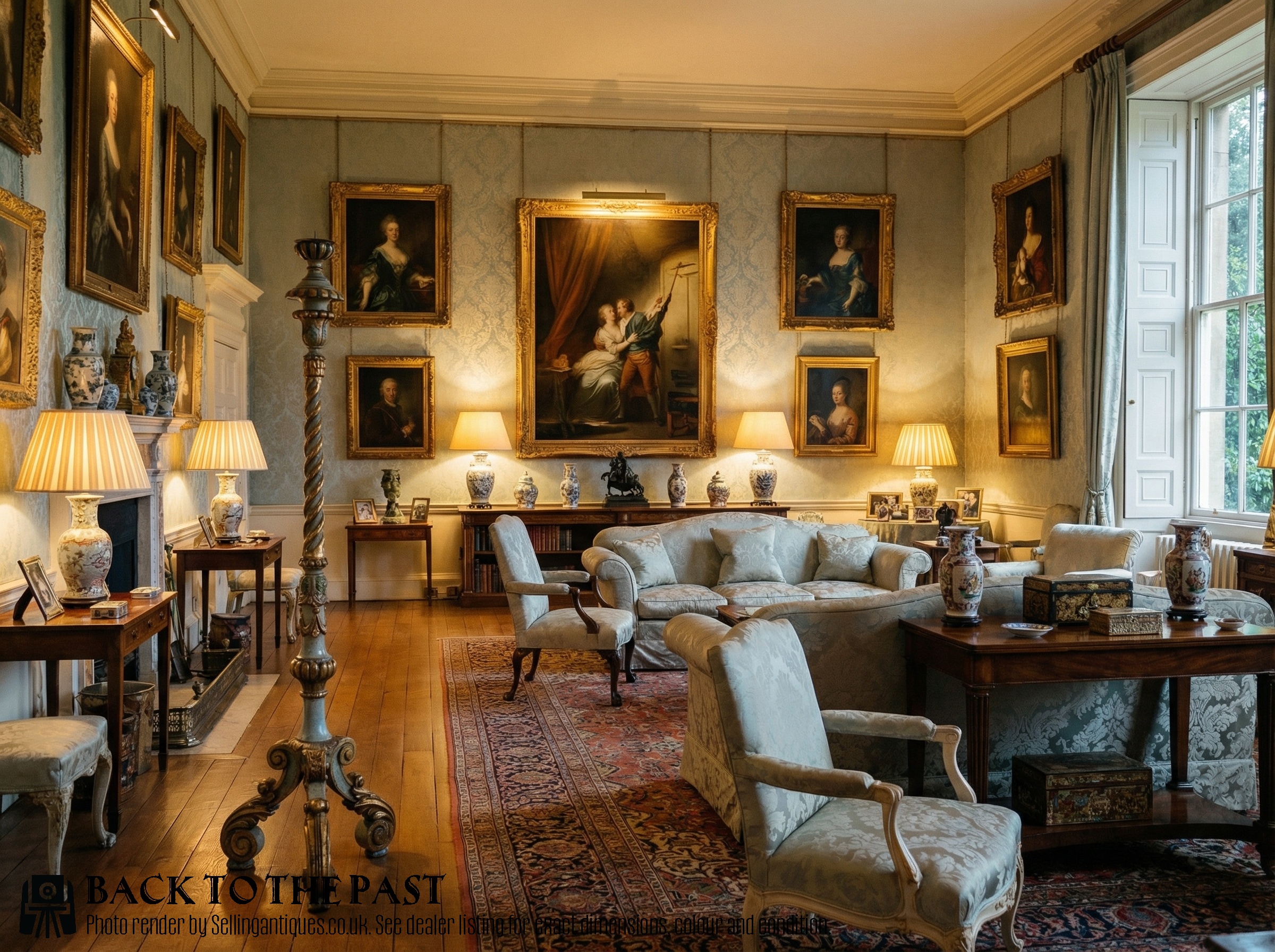
Tall Altar Candlestick
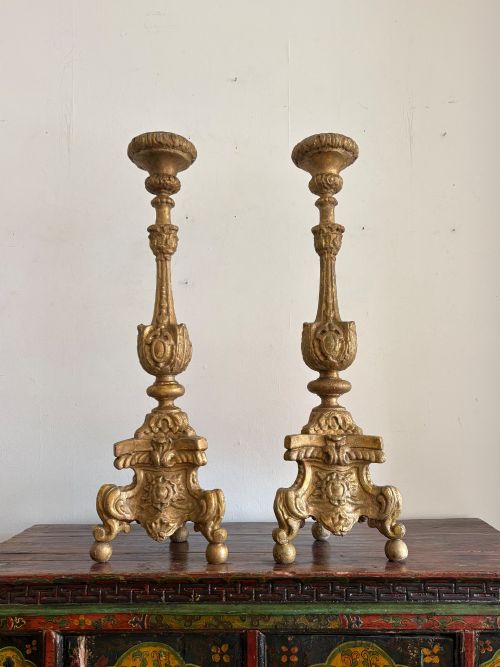
A tall altar candlestick serves as an imposing vertical lighting fixture rooted in ecclesiastical tradition, designed to elevate church interiors or large domestic spaces. When searching for a tall altar candlestick, buyers encounter forms ranging from heavy cast metal shafts to carved wooden pillars standing several feet high.
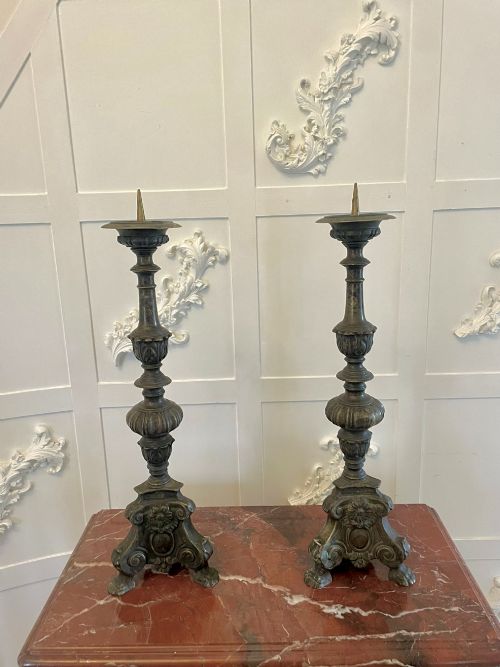
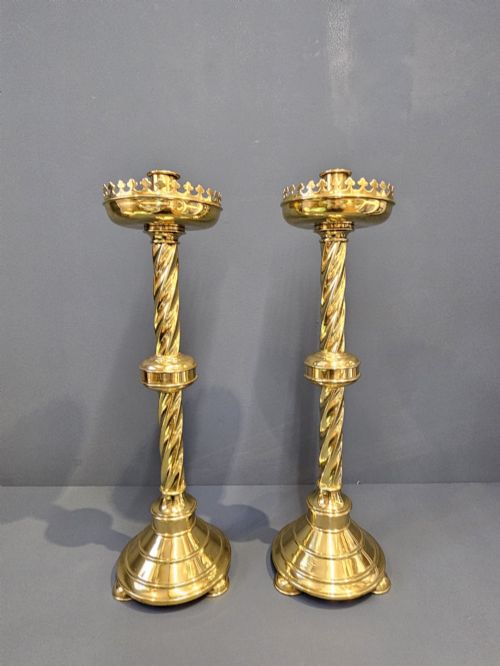
The examples on this page span the eighteenth and nineteenth centuries, taking influences from Italian Baroque, Gothic Revival, and Georgian design. Many of these pieces originate from British, French, and Italian workshops, reflecting both strict ecclesiastical utility and decorative domestic adaptation.
Materials and construction methods
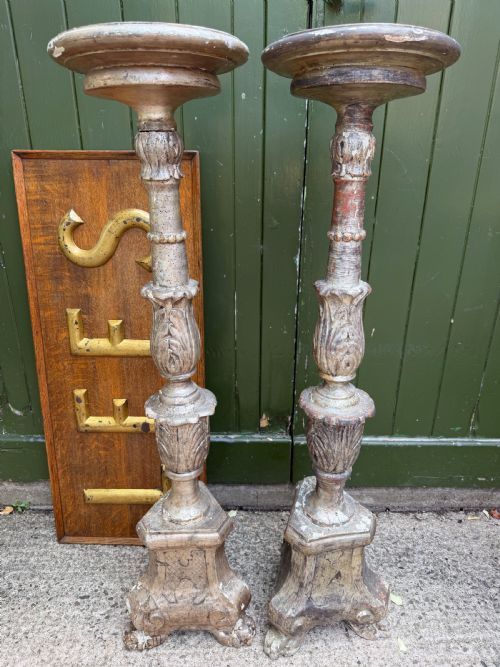
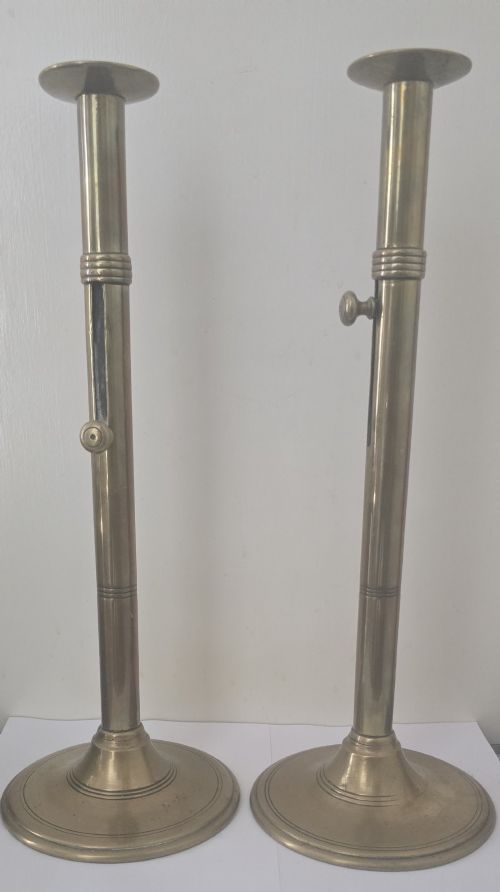
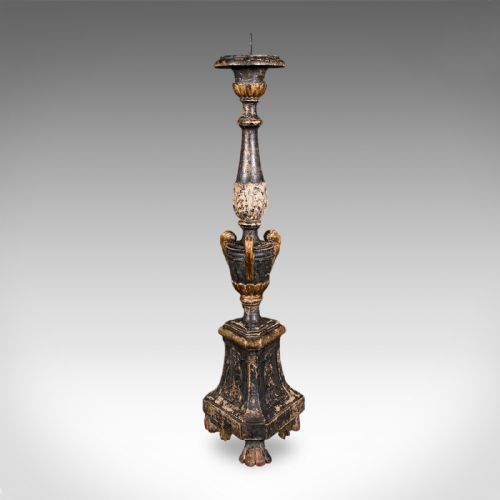
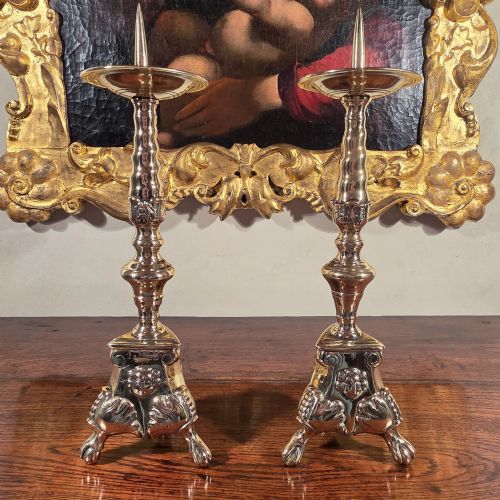
Makers constructed these tall fixtures using cast brass, bronze, and turned timber, often applying gesso, silver leaf, or giltwood finishes to create rich surface texture. Heavy metal examples utilise multi-part casting and threaded joins to maintain structural stability over an elongated stem.
Wooden variants rely on hand-carving and lathe-turning techniques, building up complex profiles before applying decorative gilding or polychrome paint. Iron and brass components frequently combine in pricket tops, where a central spike secures the wax candle directly onto the holder.
Some tall altar candlesticks spent decades holding stubborn wax drips in drafty chancels before finding quiet retirement in modern hallways.
Distinctions in quality and execution
Quality rests in the crispness of the hand-carved detail on wooden shafts and the weight and casting precision of the metal bases. Superior pieces display deep, confident chisel marks or clean, sharp architectural mouldings rather than soft, indistinct cast surfaces.
The integrity of the original surface finish, whether aged gilding, patinated brass, or silver leaf, dictates the character of the object. Altered components or heavy over-painting diminish the historical coherence of the piece.
The Tall Altar Candlestick Glossary
- Pricket
- A sharp metal spike on top of a candlestick designed to impale and hold a large wax candle secure. This form is common in ecclesiastical lighting.
- Torchere
- A tall stand or candlestick designed to support a light source at an elevated level. These often feature elaborate carved wooden shafts.
- Giltwood
- Wood that has been coated with a thin layer of gold leaf or gold paint. This technique creates a luminous surface finish on Baroque altar pieces.
- Corinthian column
- A classical architectural column style featuring an ornate capital decorated with acanthus leaves. This motif frequently appears on nineteenth-century metal candlesticks.
- Side ejector
- A mechanical lever fitted to the socket that pushes the candle stub upward for easy removal. This feature appears on specific Georgian and Victorian metal designs.
Tall Altar Candlestick: Frequently Asked Questions
How were tall altar candlesticks used?
These tall fixtures stood upon or beside church altars to provide illumination during liturgical services and ceremonies. Their elevated height ensured the light carried across large ecclesiastical spaces.
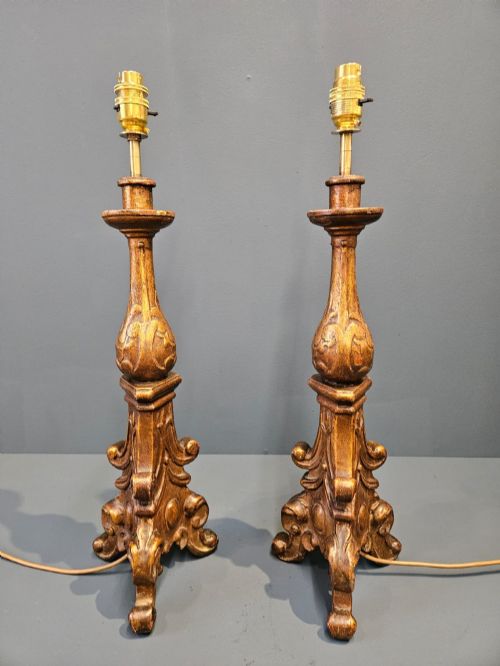
Over time, many of these pieces transitioned into domestic settings as decorative floor standards, table lamps, or prominent architectural ornaments.
How do I clean a brass candlestick?
Dust the surface regularly with a soft, dry cloth to prevent grime accumulation in the cast crevices and detailed mouldings. Avoid aggressive metal polishes that strip away the historical patination accumulated over centuries.
Leave older patinated surfaces largely untouched to preserve the authentic visual character of the metal.
Can these candlesticks be wired as lamps?
Many tall candlesticks and torcheres are converted into table lamps or standard lamps by running a concealed electrical cord through the central core. This adaptation allows owners to utilise antique ecclesiastical forms for modern interior lighting.
Such conversions often happen without permanently damaging the primary structure, preserving the timber or metal body.
How do I distinguish eighteenth from nineteenth-century pieces?
Eighteenth-century examples often exhibit hand-carved Italian or Spanish giltwood construction with deep, organic Baroque scrolling and irregular hand-turned elements. The surfaces display softer, heavily crackled gesso and gold leaf.
Nineteenth-century pieces frequently show the industrial influence of Victorian Gothic Revival, utilising precise brass casting, Corinthian capitals, and standardised threaded components.