



Taisho Period Japanese Vase
A taisho period japanese vase brings distinctive glazes and applied figures into a room, offering a tactile focal point for collectors of Asian ceramics.
Taisho Period Japanese Vase
A taisho period japanese vase encompasses diverse ceramic traditions spanning earthenware, stoneware, and porcelain forms produced in the early twentieth century. Buyers encounter distinct regional styles, with Satsuma wares, Imari patterns, and Kutani pieces appearing alongside sculptural Sumida Gawa creations.
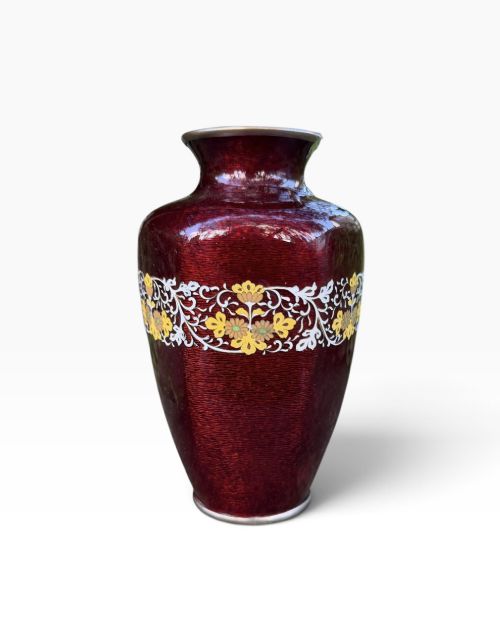
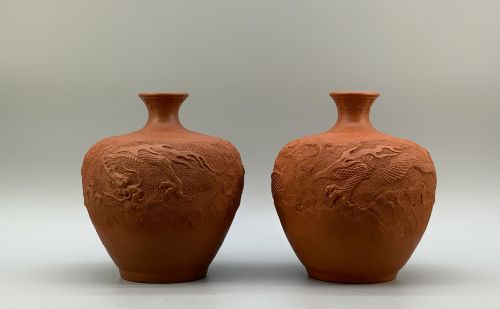
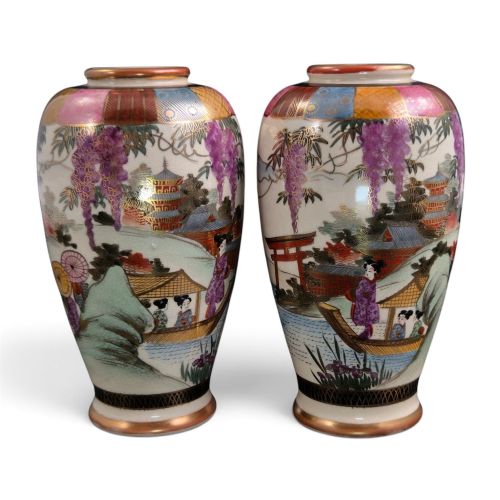
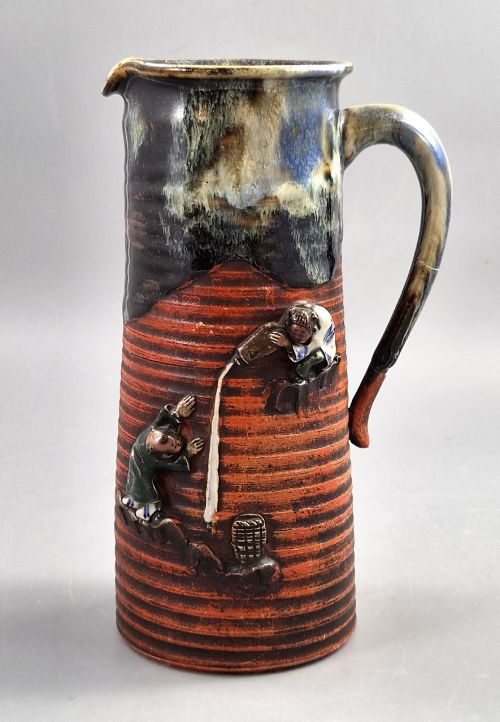
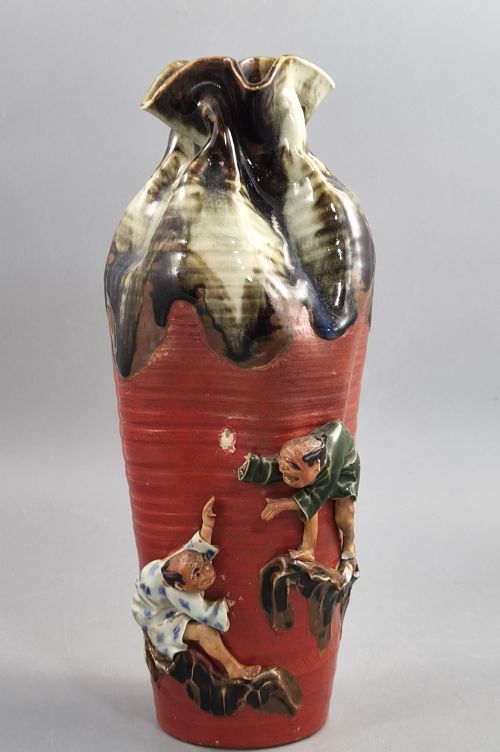
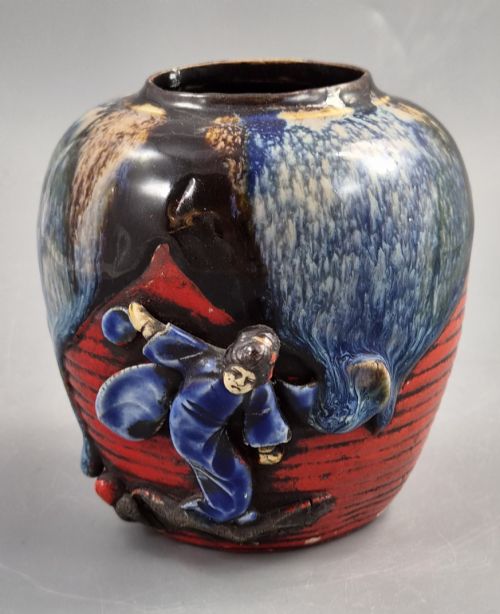
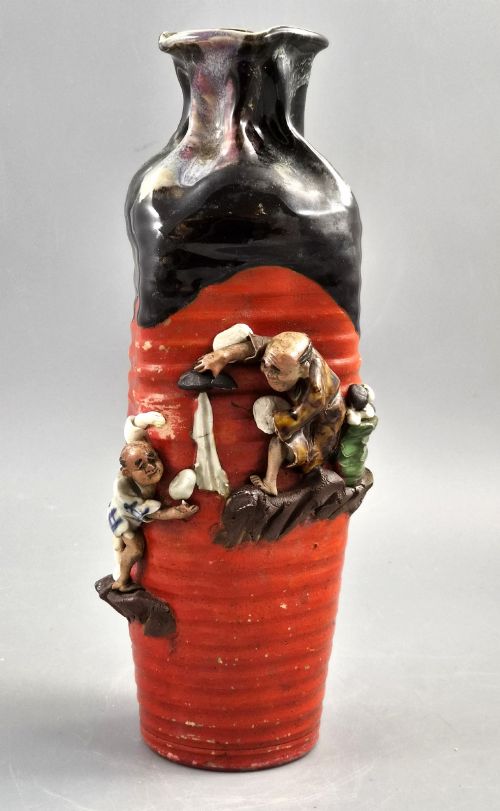
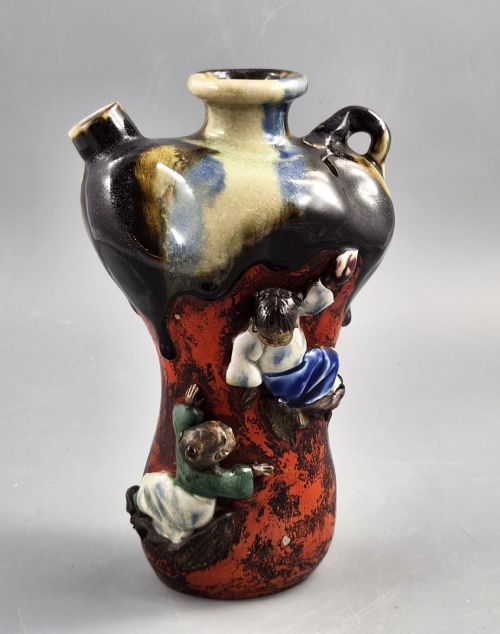
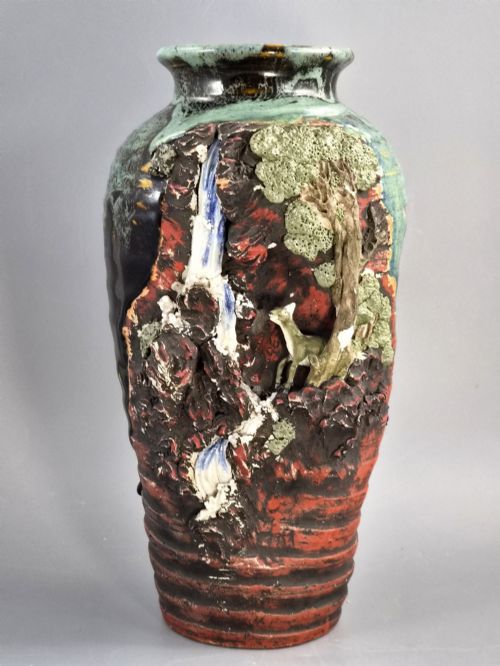
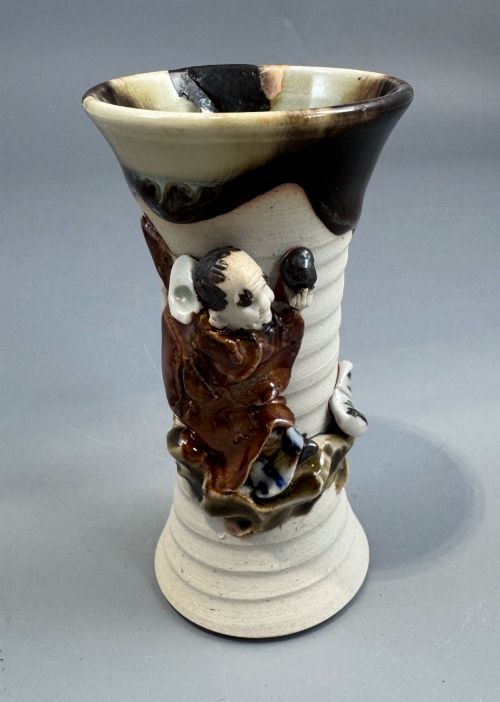
The most common examples on this page are Sumida Gawa vessels featuring applied figures and flambé glazes, alongside Satsuma pairs decorated with landscapes and wisteria. Pitchers, jars, and baluster shapes dominate the selection, often carrying signatures from notable workshops.
These objects reflect a transitional aesthetic bridging late nineteenth-century ornamentation and modern studio pottery movements. Makers utilised traditional hand-building techniques alongside innovative glazing methods to create vessels suited for both display and flower arrangement.
Materials and Construction Techniques
Potters shaped these vessels using earthenware, terracotta, stoneware, and porcelain, applying heavy glazes or gold leaf to the exterior surfaces. Sumida Gawa pieces rely on distinctive red clay bodies combined with thick, dripping flambé glazes and modelled clay figures applied by hand.
Satsuma and Kutani workshops employed fine earthenware and porcelain painted with enamel colours and intricate gilt detailing. Bronze examples from the Takaoka School demonstrate metalcasting traditions utilising archaic vessel forms.
Listings feature works in earthenware, stoneware, porcelain, terracotta, and bronze, decorated with enamel, gold leaf, and flambé glazes.
Markers of Quality and Execution
Quality rests upon the precision of the modelling in applied figural work and the control demonstrated in dripping flambé glazes. Superior Sumida Gawa vessels exhibit lively, detailed relief figures rather than hasty modelling, while Satsuma and Kutani pieces depend on the crispness of the enamel and gilding.
Signed works by established makers command greater interest due to documented craftsmanship and workshop lineage. The harmony between the clay body, the glaze depth, and the decorative motifs dictates the standing of each piece within its genre.
Inoue Ryosai·Makuzu Kozan II·Tagawa
The Taisho Period Japanese Vase Glossary
- Sumida Gawa
- A style of Japanese pottery originating near Tokyo, known for thick flambé glazes and heavily modelled clay figures applied to the vessel exterior. These pieces often feature textured surfaces and distinctive pinched rims.
- Satsuma
- An earthenware ceramic style characterised by a finely cracked ivory glaze decorated with polychrome enamels and gold leaf. Many pieces depict traditional landscapes, figures, and floral motifs.
- Imari
- A traditional style of Japanese porcelain featuring a distinct palette of underglaze blue, iron red, and added gilt details. These wares were widely produced for both domestic use and export.
- Flambé
- A streaked or mottled high-fired glaze that achieves unpredictable colour variations during the firing process. It frequently appears in shades of blue, red, and purple on stoneware bodies.
Taisho Period Japanese Vase: Frequently Asked Questions
How do I identify a Sumida Gawa vase?
Sumida Gawa pottery is readily recognised by its heavy, unglazed or roughly textured red clay body combined with thick, dripping flambé glazes. Modelled figures of people or animals are typically applied directly to the exterior wall in high relief.
Many examples also feature pinched rims or sculptural tree elements that wind around the neck of the vase. Signatures from makers such as Inoue Ryosai occasionally appear stamped or incised into the clay.
How should I display an Ikebana basket?
Ikebana baskets are designed for Japanese flower arrangement and function best as standalone sculptural centerpieces or filled with dried stems. Their open woven structure requires careful placement away from direct heat sources to preserve the natural plant fibres.
Pairing a basket with a simple background allows the intricate bamboo or rattan work to remain the primary visual focus of the space.
Are these vases glazed on the interior?
Many earthenware and stoneware vessels feature partial interior glazing or unsealed clay interiors depending on their intended historical use as liquid containers or decorative items. Sumida Gawa pieces often concentrate their vibrant flambé glazes on the outer decorative surface.
Porcelain items like Imari and Kutani typically possess complete interior glazing suited for holding water safely.