


Tabletop Writing Desk
A tabletop writing desk is a compact portable bureau or slope designed for correspondence, bringing centuries of craftsmanship directly to your surface.
Tabletop Writing Desk
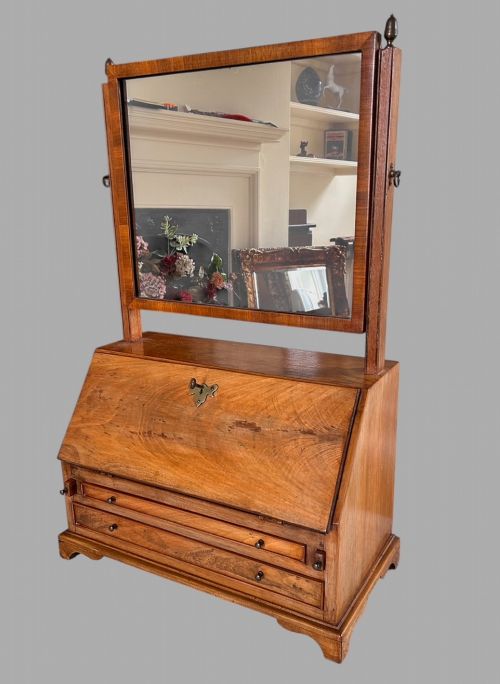
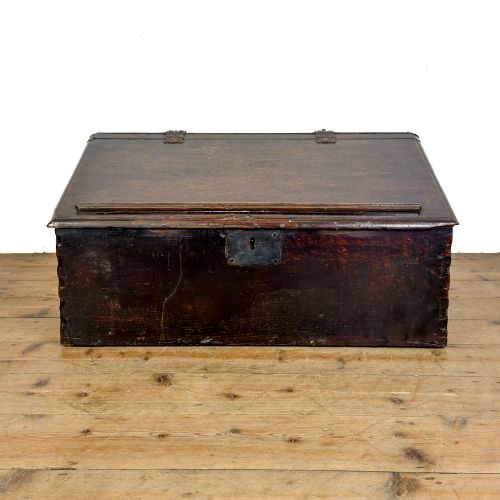
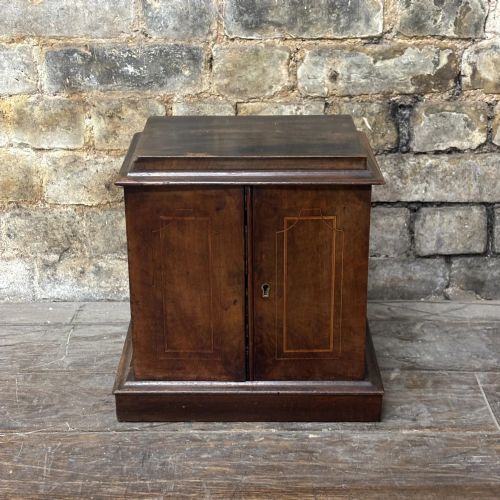
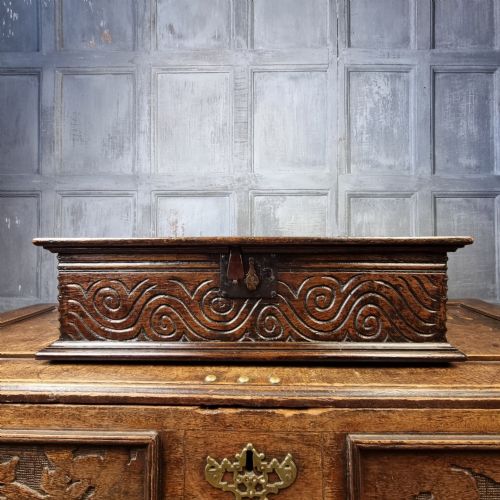
When you search for a tabletop writing desk, you encounter a diverse selection of portable writing furniture spanning from the 17th century through to the Edwardian period. The pieces on this page range from early oak desk boxes and Bible boxes to sophisticated Georgian and Victorian table top bureaux.
The most common formats include sloping writing boxes, miniature fall-front desks, and stationery cabinets constructed to sit upon a larger table or chest. Materials vary from heavy native timbers like oak and elm to finer imported woods such as mahogany and satinwood.
These items served the practical purpose of storing ink, quills, and correspondence before the era of fitted study rooms. Buyers today utilise them as decorative storage containers or functional writing surfaces in modern homes.
How they were made
Cabinet makers constructed these portable desks using solid native and exotic hardwoods, frequently employing oak for early pieces and mahogany or satinwood for later examples. Joinery relied on traditional methods such as dovetailing to ensure the small carcasses endured constant opening and closing.
Metal hardware played an essential structural role, with heavy brass carrying handles, escutcheons, and hinges fitted to campaign and Victorian models. Interiors often featured secondary woods like boxwood for stringing and incorporated leather writing surfaces.
One listed Victorian piece belonged specifically to a church verger, proving that even ecclesiastical administrators needed a portable desk.
What varies in quality
The degree of refinement in the timber selection and secondary wood usage distinguishes simpler utility boxes from high-status pieces. Finely figured mahogany or decorative satinwood veneer indicates a maker catering to a wealthier clientele.
Internal complexity elevates a piece, separating basic storage boxes from sophisticated table top bureaux with secret drawers, pigeonholes, and fitted dressing mirrors. The integration of quality brass mounts and precision dovetail joints points to superior workshop standards.
The Tabletop Writing Desk Glossary
- Bible Box
- A sturdy wooden box with a sloping lid, originally made to hold a folio Bible and later utilised for general writing equipment.
- Campaign
- Describing portable furniture fitted with recessed brass handles and reinforced corners for transport during military travel.
- Fall Front
- A hinged writing flap that drops down to form a horizontal desk surface, revealing internal compartments when opened.
- Escutcheon
- A protective plate surrounding a keyhole, frequently cast in brass and shaped according to the prevailing style of the period.
- Dovetail
- A joint formed by interlocking wedge-shaped fingers, prized by cabinet makers for joining the corners of drawers and boxes.
Tabletop Writing Desk: Frequently Asked Questions
What is a tabletop writing desk?
A tabletop writing desk is a portable wooden box or miniature bureau designed to rest on a table, providing a slanted surface for writing and compartments for stationery.
These pieces offer a glimpse into historical correspondence habits, combining practical storage with fine cabinet work from eras past.
How were these desks used?
Owners used them to store writing materials like inkwells, quills, sealing wax, and paper before the widespread availability of fitted desks.
The sloping lid served as an ergonomic support for writing letters while seated at an ordinary dining or parlour table.
How do I date a desk box?
Dating relies on identifying the primary wood species, construction techniques, and decorative hardware styles associated with specific historical reigns or centuries.
For instance, heavy joined oak construction typically points to the 17th century, whereas mahogany and satinwood indicate Georgian or Victorian manufacture.
Can I use one for writing today?
Many of these desks remain fully functional for modern letter writing, storing stationery, or holding a laptop accessory.
The internal compartments and sloping lids are well-suited to organising small modern items just as they did centuries ago.