


Georgian Letter Box
A georgian letter box is a practical desktop or hallway receptacle for correspondence, prized for its classic timber construction and period utility.

Georgian Letter Box
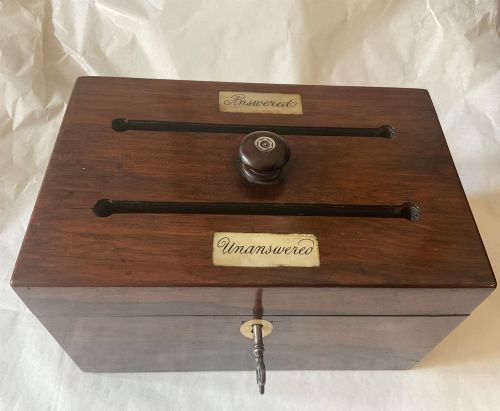
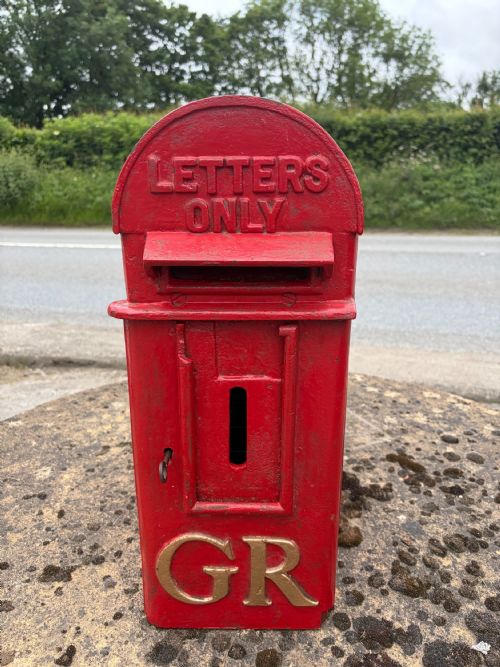
A georgian letter box encompasses various wooden desktop containers, stationery cabinets, and wall-mounted post boxes designed for managing daily correspondence. These items originate predominantly from the eighteenth and nineteenth centuries, spanning Georgian, Victorian, and Edwardian eras.
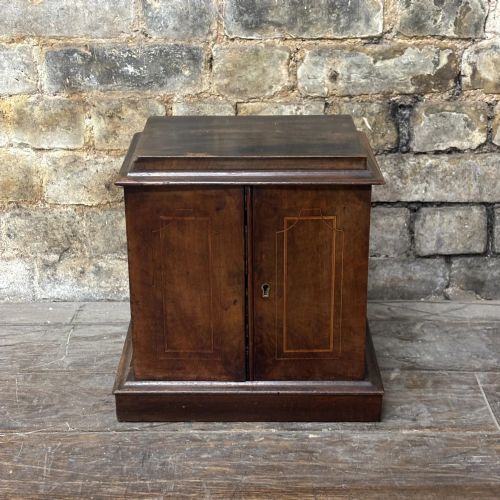
The most frequent examples found on this page are mahogany letter boxes, writing boxes, and stationery cabinets constructed in traditional British styles. Many incorporate specialised compartments such as letter slots, trays, and hidden drawers intended for pens, seals, and writing paper.
How they were made
Cabinet makers utilised dense hardwoods including mahogany, satinwood, oak, and burr yew, often selecting figured timber for principal display surfaces. These wooden bodies frequently feature brass handles, escutcheons, and silver mounts.
Post boxes and utility receptacles incorporate durable cast iron alongside traditional timber construction to withstand daily use. Smaller internal components occasionally utilise bone or sterling silver for specialised accessories such as letter openers and seals.
What varies in quality
The standard of timber selection and cabinet work dictates the distinction between standard utilitarian items and finer examples. Superior pieces display carefully matched wood grain, precise joinery, and intact internal fittings like secret drawers or original trays.
The presence of hallmarked silver mounts, decorative brass hardware, or accredited maker attribution elevates certain items above ordinary utility boxes. Alterations or conversions from other forms, such as knife boxes, influence the standing of individual pieces.
The Georgian Letter Box Glossary
- Bougie box
- A small container specifically designed to hold wax tapers used for melting sealing wax on letters.
- Stationery cabinet
- An upright desk accessory featuring internal slots and shelves for organising writing paper and envelopes.
- Escutcheon
- A protective brass or bone plate surrounding a keyhole on a box lid or door.
- Intaglio
- An engraved gem or glass seal used to impress a crest or initials into sealing wax.
- Butler's cutlery tray
- A partitioned wooden tray with a central handle, occasionally repurposed for holding desk accessories.
Georgian Letter Box: Frequently Asked Questions
What is a georgian letter box?
A georgian letter box is a period wooden container or cabinet built to hold incoming and outgoing mail upon a desk or hall table.
These pieces typically feature specialised compartments for envelopes, pens, and wax seals, reflecting the written communication methods of the eighteenth and nineteenth centuries.
How do I identify the wood type?
Inspect the grain pattern and colour of the timber to distinguish between materials such as rich red-brown mahogany, pale satinwood, or dark oak.
Finer examples often showcase figured veneers and polished finishes that highlight the natural grain of the hardwood.
Where were these boxes used?
These items served as functional accessories in country houses, libraries, and studies where correspondence was managed daily.
Larger cast iron versions functioned as institutional post boxes, while smaller wooden boxes sat neatly on writing desks.
Can I use a writing box for letters?
Writing boxes and stationery cabinets function effectively for modern letter storage, envelopes, and desk organisation.
Their internal compartments and sloped surfaces accommodate papers and correspondence just as they did in the Georgian and Victorian periods.
How do I care for antique wood?
Maintain wooden boxes by keeping them away from direct sunlight and sudden temperature changes to protect the timber and veneer.
Apply occasional appropriate wax polish to nourish the surface without damaging historical finishes.