


Antique Tabletop Slope Desk
An antique tabletop slope desk brings compact workspace and portable craft into small rooms, offering rich period woods and clever stationary storage.
Antique Tabletop Slope Desk
The search for an antique tabletop slope desk reveals a compact writing surface designed to sit upon an existing table or chest. These versatile pieces span several centuries, appearing in forms such as writing slopes, bureau boxes, and slant-front chests.
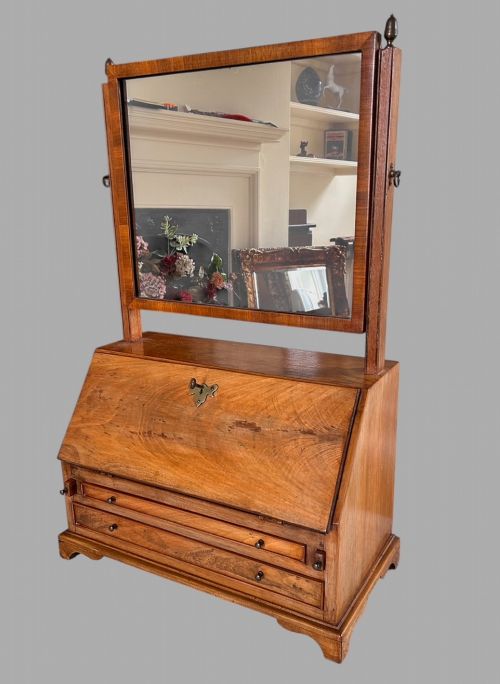
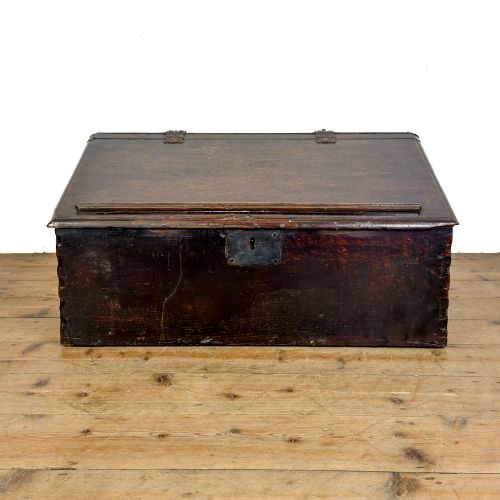
Buyers on this page most frequently encounter sturdy oak and rich mahogany variants from the seventeenth, eighteenth, and nineteenth centuries. Examples range from simple bible boxes to sophisticated satinwood bureau dressing mirrors and campaign reading stands.
Regional and period differences emerge clearly across the inventory, encompassing Georgian elm bureau boxes, William and Mary oak desks, and Swedish painted pieces. Each survivor preserves a specific domestic or ecclesiastical workspace arrangement from the past.
Materials and construction methods
Cabinetmakers utilised robust timber such as oak, mahogany, elm, and satinwood to construct these portable writing boxes. Brass hardware frequently reinforces the corners, hinges, and escutcheons, especially on campaign pieces designed for travel.
Joinery techniques ranged from traditional pegged frame construction on seventeenth-century oak bible boxes to fine dovetailing on later mahogany and satinwood writing slopes. Secondary timbers like iron and mirror glass complete the interior fittings and structural elements.
Listings feature items from the seventeenth, eighteenth, and nineteenth centuries, including Victorian, Edwardian, and Georgian periods.
Distinguishing quality in portable desks
Quality rests in the selection of timber and the precision of the cabinetwork rather than surface ornamentation alone. Finely figured mahogany, dense eighteenth-century oak, and delicate satinwood inlay distinguish superior items from utilitarian boxes.
The integrity of internal partitions, hidden compartments, and original brass fittings indicates the maker's skill. Superior execution ensures that hinges, fall-fronts, and sloped writing surfaces remain flush and balanced through centuries of use.
The Antique Tabletop Slope Desk Glossary
- Bible Box
- A small wooden chest with a sloping lid, originally designed to hold sacred texts and personal papers. These seventeenth and eighteenth-century oak boxes represent some of the earliest forms of tabletop writing furniture.
- Bureau
- A desk featuring a sloping lid that opens to reveal a fitted interior of pigeonholes and small drawers. Tabletop versions place this writing compartment directly onto a table or chest.
- Campaign Desk
- Portable furniture constructed for military officers on the move, typically fitted with brass corners and carrying handles. Mahogany reading stands and writing boxes from the nineteenth century often follow this sturdy format.
- Sloped Writing Box
- A portable container with an angled lid that provides an inclined surface for penmanship. When opened, the interior stores inkwells, pens, and stationery.
- Satinwood
- A pale, lustrous hardwood imported from tropical regions, valued for its fine grain and golden sheen. Cabinetmakers utilised it during the late eighteenth and nineteenth centuries for decorative veneer and inlay.
Antique Tabletop Slope Desk: Frequently Asked Questions
What is a tabletop slope desk?
A tabletop slope desk is a portable writing box featuring an angled lid designed to rest on top of a table or chest. These pieces provide a dedicated writing surface alongside internal compartments for paper and ink.
Craftsmen built them across various periods using timbers such as oak, mahogany, and satinwood. They allowed writers to work comfortably before the widespread adoption of full-sized fitted desks.
How do I date an antique slope desk?
Dating relies on observing the timber species, construction methods, and hardware styles. Seventeenth-century examples often utilise heavy oak with pegged joinery, while eighteenth and nineteenth-century pieces display refined mahogany or satinwood veneers.
Examining the interior layout and screw types also helps narrow the manufacturing period. Early boxes feature hand-cut elements and simple hinges, whereas later Victorian iterations show more standardised mechanical components.
Where were these desks placed?
Owners placed these compact desks on top of existing tables, chests of drawers, or sideboards within studies and bedrooms. Their portable nature allowed them to be moved easily around the home or carried during travel.
Some specialised forms, such as dressing mirrors with bureau bases or ecclesiastical reading stands, served specific functions in domestic and institutional settings.
How do I care for antique wood?
Maintain antique wooden desks by keeping them away from direct sunlight and sudden temperature fluctuations. Consistent indoor humidity prevents the timber and veneer from splitting or warping over time.
Apply occasional appropriate wax polish to nourish the grain and protect the finish. Avoid using modern chemical sprays that can strip or degrade historic polish surfaces.