
Early Oak Desk
An early oak desk brings tangible weight and historic character to a room, offering a functional workspace rooted in centuries of cabinet-making tradition.
Early Oak Desk
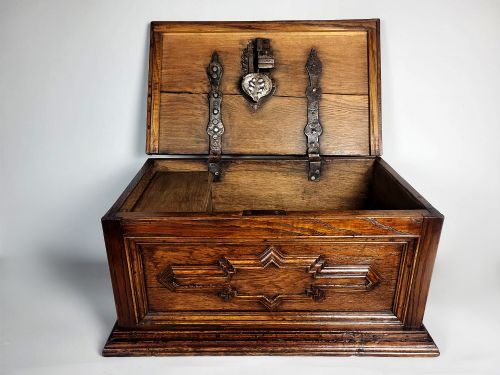
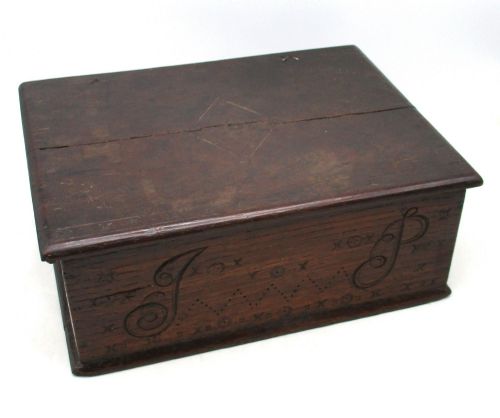
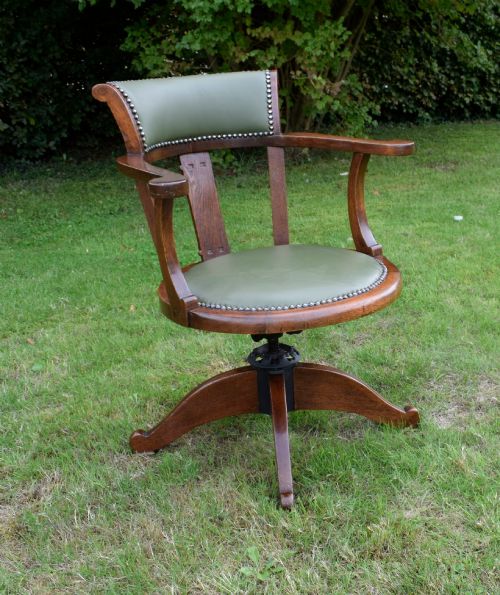
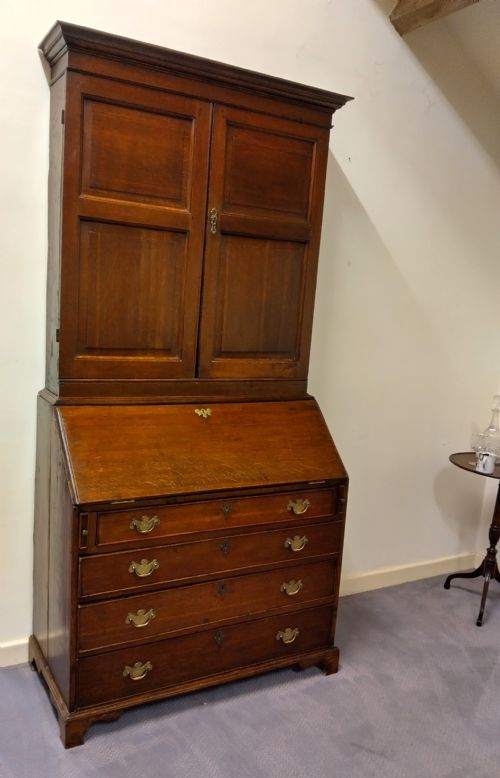
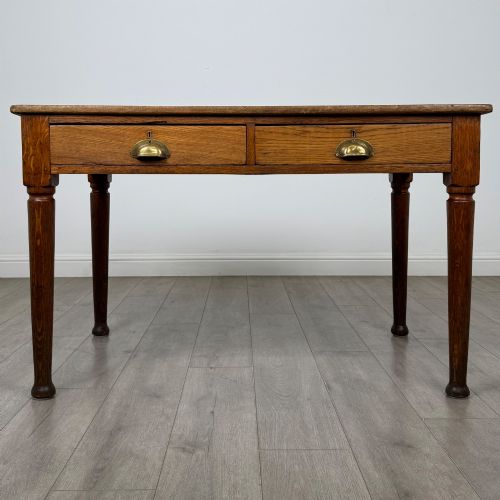
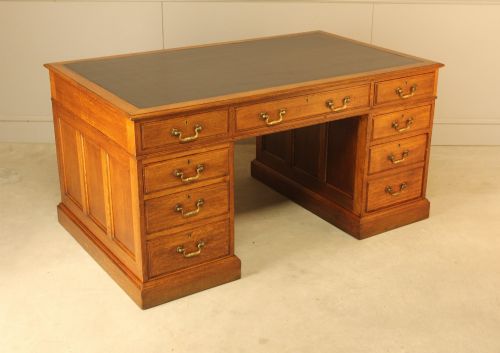
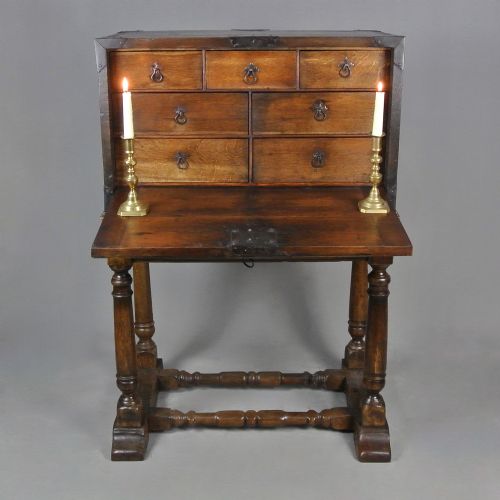
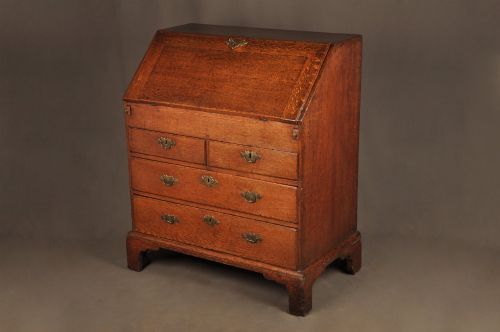
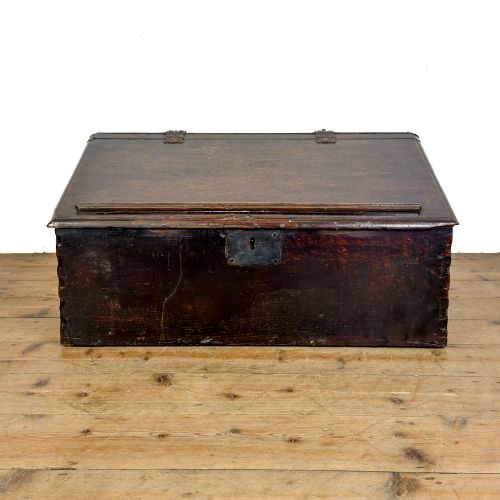
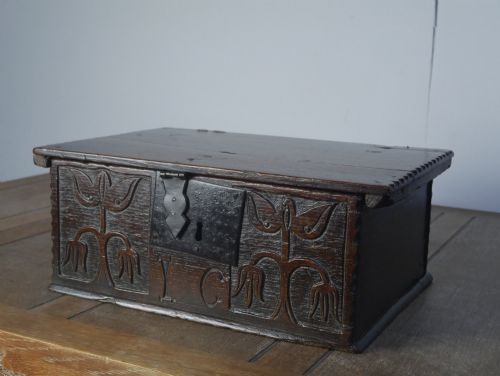
An early oak desk encompasses a broad range of antique writing furniture, from seventeenth-century bureau bookcases to twentieth-century industrial pedestal designs and swivel chairs. Buyers searching for an early oak desk encounter everything from solid seventeenth-century chests and writing slopes to generous partners tables and roll-top office desks from the Edwardian and later eras.
The survival of these pieces spans several centuries, touching upon Jacobean, Georgian, Victorian, and Arts and Crafts movements. Pieces appearing here reflect practical working furniture of their time, utilised by merchants, scholars, and clerks before finding a second life in modern domestic interiors.
Materials and Construction
Solid timber forms the foundation of these pieces, predominantly utilising native oak alongside secondary woods and occasional highlights of rosewood or burr oak veneers. Iron and brass hardware, from complex security locks to handles and hinges, provide robust structural and functional support.
Joinery methods range from early pegged frame construction and panelled carcasses to later swivel mechanisms, tambour fronts, and cast-iron frames. These traditional techniques ensure enduring stability across centuries of daily use.
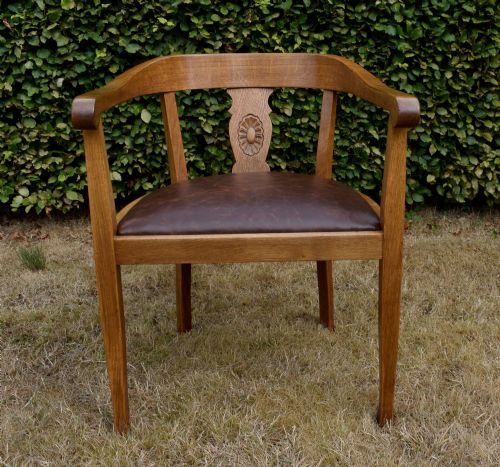
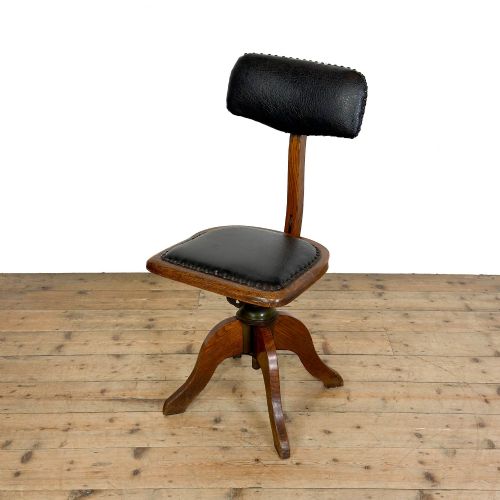
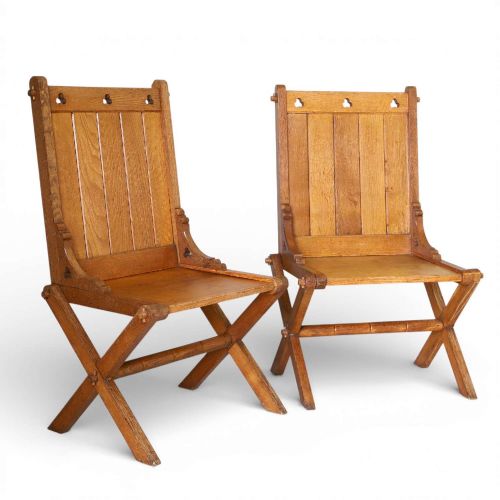
Several sturdy workshop and office chairs retain the scars of decades of daily ink spills and hurried pencil notes.
Assessing Quality and Authenticity
The standard of a piece rests upon the integrity of its timber, the crispness of any carved detailing, and the survival of original hardware such as locks and handles. Early examples show careful hand-planing and traditional joinery, while later pieces rely on the precision of period mechanical actions like swivel adjustments and tambour tracks.
Proportion and untouched surfaces separate ordinary examples from exceptional ones. Alterations, such as adaptations for modern technology or replaced secondary timbers, directly influence the character and historical integrity of the furniture.
Heals of London·Simpoles of Manchester·Globe Wernicke
The Early Oak Desk Glossary
- Bureau
- A sloping desk with a hinged writing flap that covers a fitted interior of small drawers and pigeonholes. It typically sits atop a chest of drawers or a kneehole recess.
- Partners desk
- A large double-sided writing table designed for two people to work opposite one another, featuring drawers and cupboards on both faces. These pieces were traditionally utilised in libraries and banking houses.
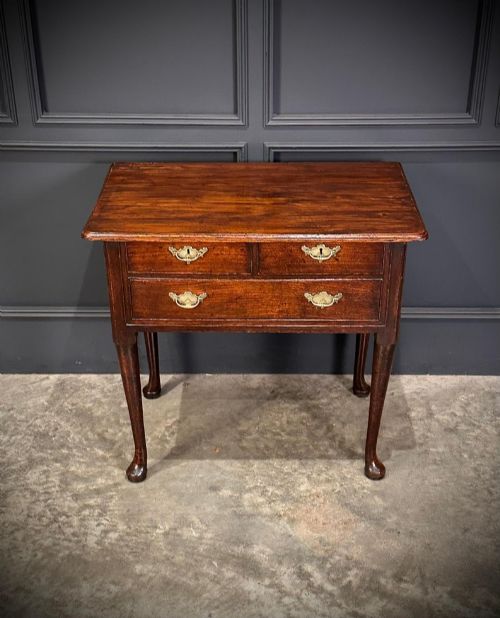
- Lowboy
- A small oak side table with one or more drawers, often dating from the early eighteenth century in the Queen Anne or Georgian style. They served variously as dressing tables or writing surfaces.
- Tambour
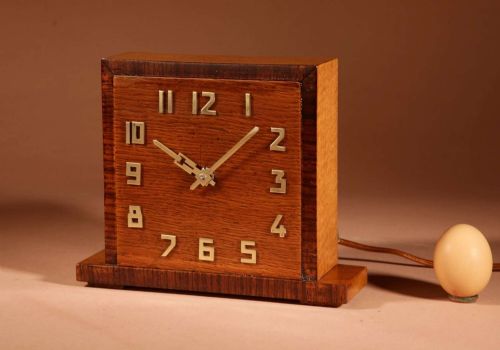
- A flexible shutter or sliding door formed of narrow strips of wood glued to canvas, allowing access to fitted desk interiors and cabinet compartments. This mechanism became popular in office furniture of the early twentieth century.
- Kneehole desk
- A pedestal desk featuring a central recess for the sitter's legs, flanked by banks of smaller drawers. This form provides compact storage while maintaining a formal writing surface.
Early Oak Desk: Frequently Asked Questions
How do I date an early oak desk?
Dating relies on observing construction methods, timber preparation marks, and hardware styles. Early seventeenth and eighteenth-century pieces display hand-riven timber and pegged joinery, whereas later examples incorporate industrial iron frames and mechanical fittings.
Stylistic influences, from Jacobean carving to Arts and Crafts simplicity, further anchor a piece within its specific period of manufacture.
Were these desks used in homes or offices?
The pieces span both domestic and commercial environments depending on their era. Earlier bureau bookcases and writing tables served private libraries and merchant houses, while twentieth-century pedestal desks and swivel chairs populated institutional offices.
Today, these versatile pieces adapt easily to modern studies and living spaces as practical writing stations.
How do I care for antique oak furniture?
Maintenance requires keeping timber away from direct heat sources and sudden humidity changes to prevent splitting. Regular dusting with a soft cloth and occasional application of appropriate wax preserves the natural finish without building up heavy residues.
Avoiding synthetic polishes ensures the historic patina develops character over time.