




Tabletop Display Cabinet
A tabletop display cabinet brings small treasures and commercial goods into clear view on a counter or desk.
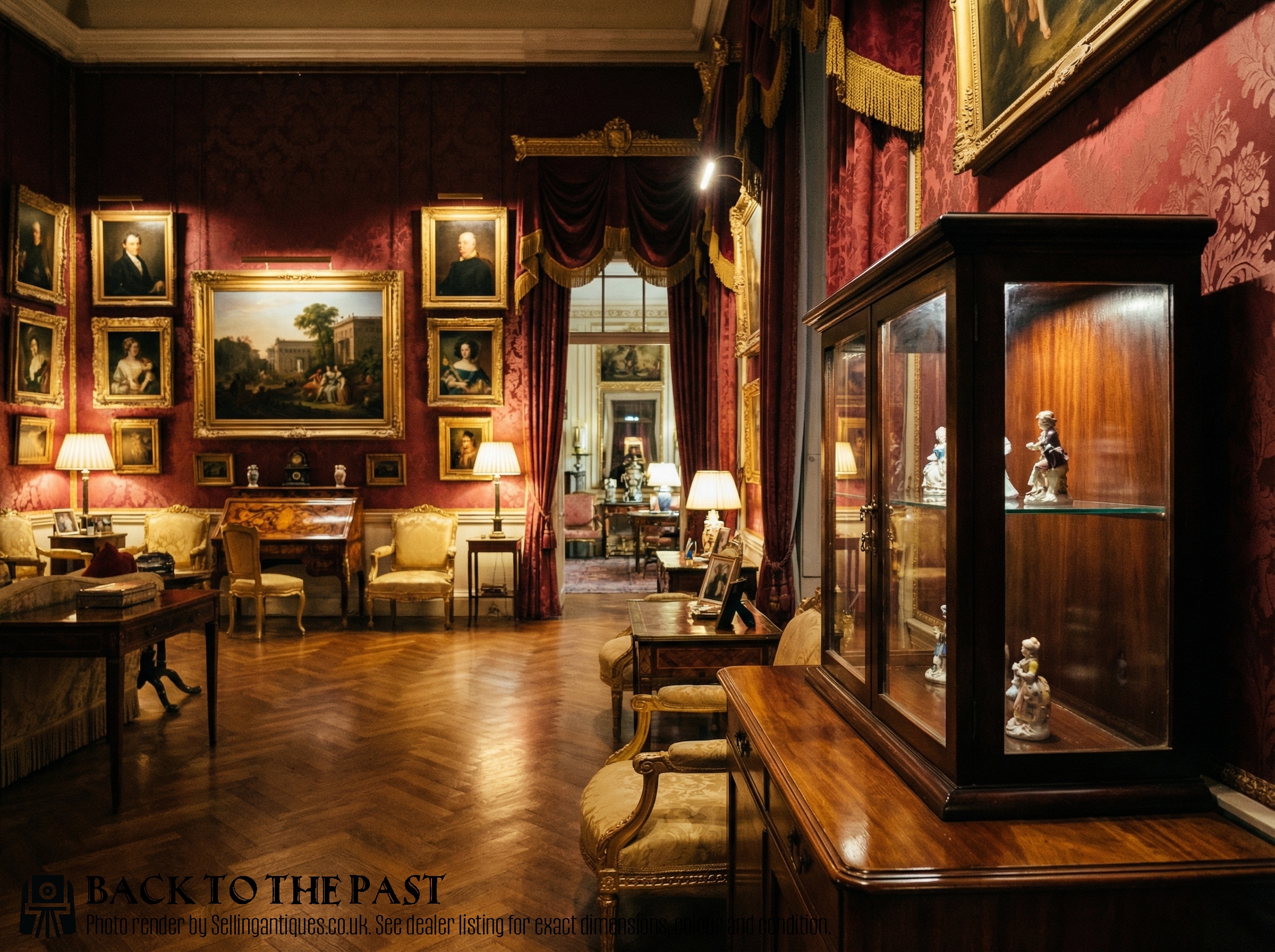
Tabletop Display Cabinet
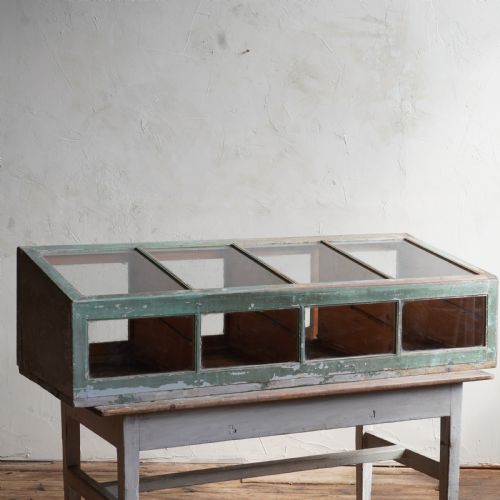
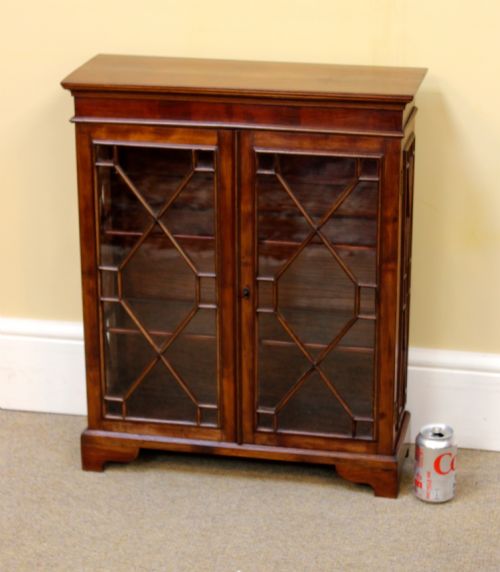
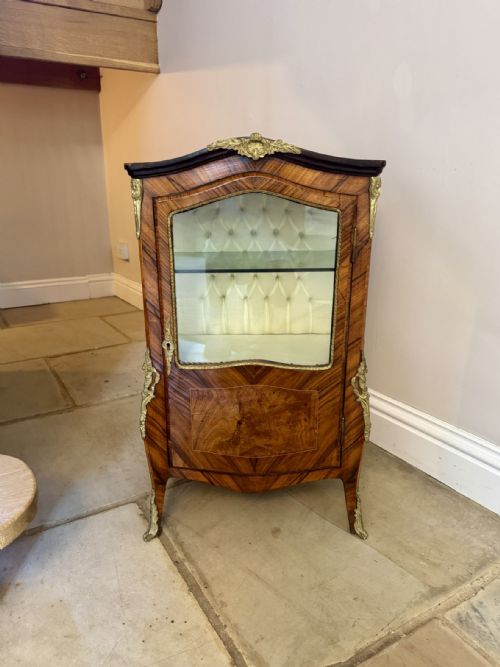
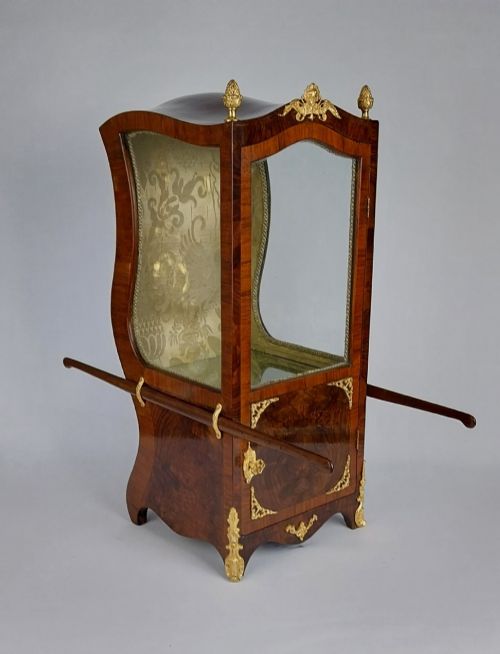
A tabletop display cabinet is a compact vessel designed to showcase small objects, specimens, or retail goods on a raised surface. These pieces range from domestic miniature furniture and collector cabinets to commercial shop counters and vitrines. When exploring this selection, buyers encounter formats spanning Victorian and Edwardian domestic interiors alongside 1920s and 1930s commercial settings.
The domestic versions include miniature mahogany bookcases, burr walnut table cabinets, and small specimen drawers intended for private studies. Commercial variants take the form of draper's countertop needle drawer units, apothecary boxes, and branded chocolate confectionery display cabinets. Materials vary from straightforward oak and mahogany to polished ormolu, brass, and glass.
Origins stretch across English, French, and Chinese workshops, incorporating styles from Louis XV revivals to Art Deco and rustic industrial designs. The scale remains intimate, typically built to sit comfortably upon a desk, counter, or larger piece of furniture.

How they were made
Construction relies heavily on traditional timber framing using woods such as mahogany, oak, walnut, and kingwood. Glass panels provide transparency for the contents, often held securely within glazed doors or brass frames. Cabinetmakers integrated specialised internal fittings like small drawers, velvet linings, and mirrored backs to enhance the presentation of the items held inside.
Surface finishes reflect the period of manufacture, utilising French polish, distressed paint, or ebonised treatments on the timber exterior. Decorative touches include ormolu mounts, porcelain plaques, carved details, and hand-applied sign writing for commercial confectionery and tobacco displays. Brass hinges, locks, and handles complete the assembly, offering both structural integrity and functional access.
Tabletop Display Cabinet Retail Price Guide 2026
Typical asking prices for tabletop display cabinet among the pieces listed under this phrase on Sellingantiques today, from the lower quarter to the upper quarter. They describe what is for sale here now, not the wider market.
Some chocolate cabinets bear the marks of sweet-toothed past patrons, retaining the sweet scent of cocoa after a century.
What varies in quality
Quality rests in the precision of the joinery and the selection of timber veneers, such as burr walnut or satinwood. Finer examples display meticulous craftsmanship in carved ornamentation, tight dovetailing on internal drawers, and heavier cast brass mounts. Commercial cabinets show distinction in original branded signage and intact manufacturer fittings, whereas domestic pieces rely on the harmony of their proportions and secondary woods.
The condition of original glass, mirrors, and fabric linings differentiates standard utility pieces from exceptional collector items. Superior constructions maintain their original locks, keys, and structural stability without excessive replacement timber or compromised glazing.
Manoah Rhodes & Sons Ltd·Cadbury·Fry
The Tabletop Display Cabinet Glossary
- Vitrine
- A glass-sided cabinet designed for displaying fine objects or curiosities. These pieces often feature glazed tops and sides to allow maximum light penetration.
- Haberdashery cabinet
- A retail storage unit featuring multiple shallow drawers, frequently fitted with glass fronts or pulls for viewing small merchandise. They originate from Victorian and Edwardian shops.
- Specimen cabinet
- A multi-drawer unit built for housing natural history collections, coins, or medals. Each drawer typically includes secure internal divisions.
- Ormolu
- Gilded bronze ornamentation applied to furniture and decorative objects. This technique was popular in French and revivalist luxury pieces.
- Hongmu
- A category of dense, dark-toned Chinese hardwood used for fine furniture and display stands. It translates literally to red wood.
Tabletop Display Cabinet: Frequently Asked Questions
What is a tabletop display cabinet?
A tabletop display cabinet is a small glazed case or cupboard built to sit upon a counter, desk, or table. They serve to protect and exhibit items ranging from jewellery and specimens to retail goods.
These pieces bridge domestic collecting and commercial shop fitting, providing elevated visibility for small objects in any room.
How were shop counter cabinets used?
Shop counter cabinets were positioned near service areas to present confectionery, tobacco, sewing supplies, and small wares directly to customers. The glazing kept goods clean while tempting buyers with immediate visual access.
Many bear original maker or brand names related to confectionery and pharmaceutical trades from the early twentieth century.
How do I style a tabletop cabinet at home?
These cabinets suit placement on sideboards, desks, or chests of drawers where their height does not overwhelm the surrounding space. Use the internal shelves or drawers to group small collections of ceramics, minerals, or antique curiosities.
The glass and mirrored panels help reflect light, making them ideal for brightening darker corners of a room.
How do I date a display cabinet?
Dating relies on examining the timber types, construction methods, hardware, and any commercial branding present. Victorian and Edwardian examples often feature heavier mahogany or oak framing, while 1920s and 1930s pieces lean towards Art Deco lines, ebonised finishes, or specific trade lettering.
Internal elements like fabric linings and drawer dovetailing also offer clues to the exact manufacturing era.