
Tabletop Cabinet Box
A tabletop cabinet box brings compact storage into any room, offering miniature drawers and compartments shaped by centuries of woodworking tradition.
Tabletop Cabinet Box
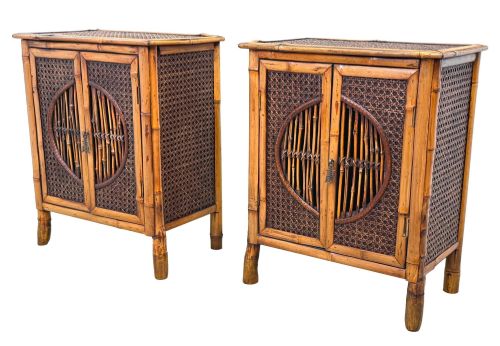
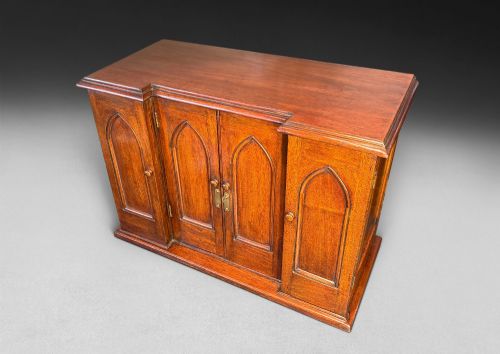
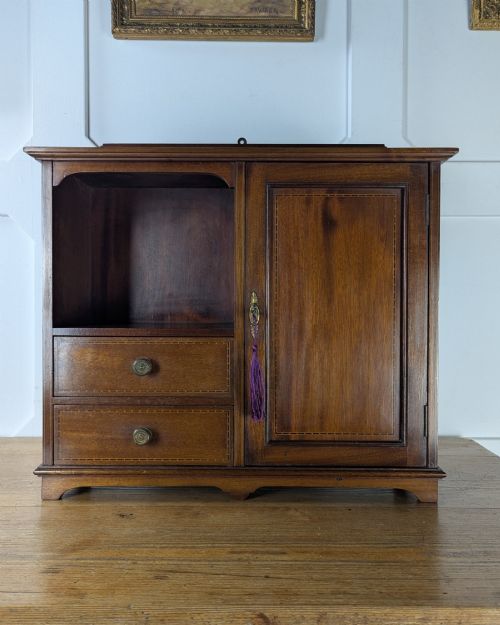
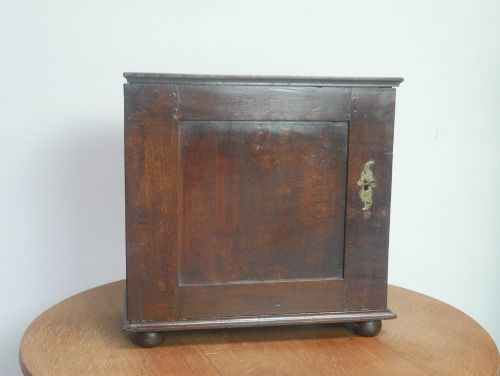
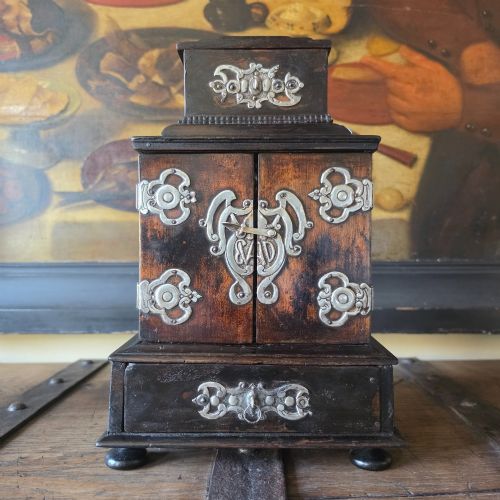
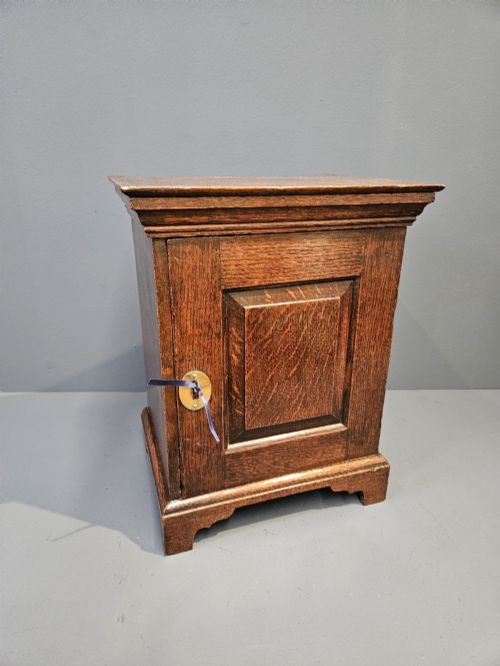
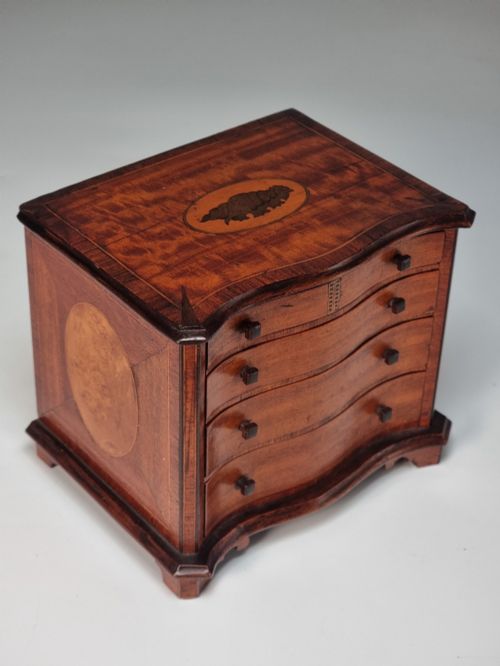
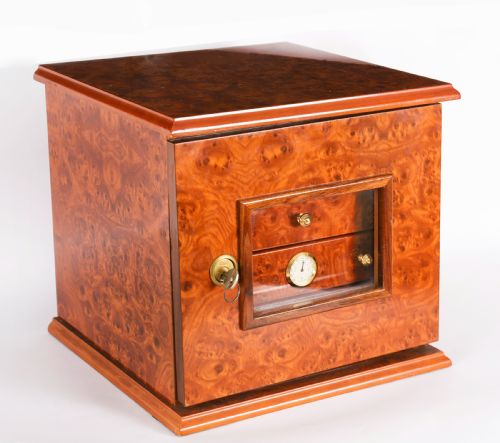
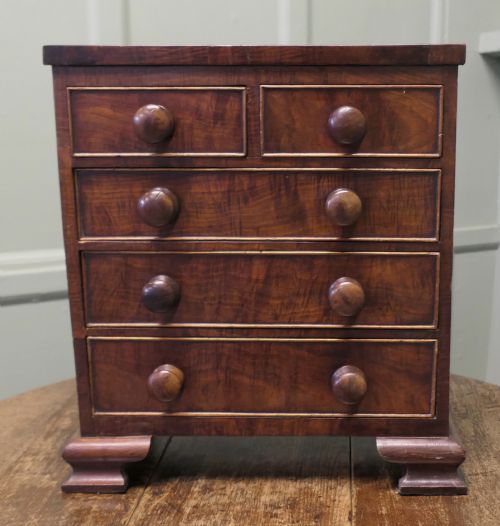
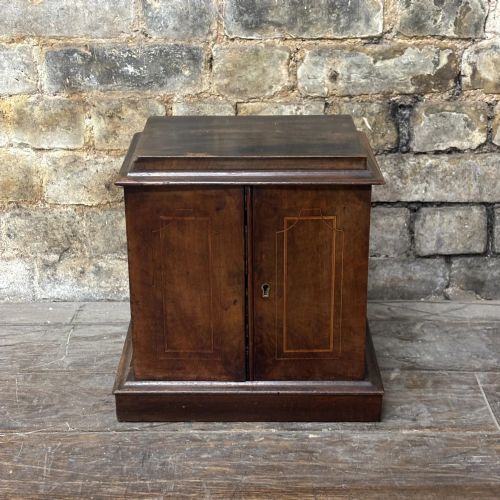
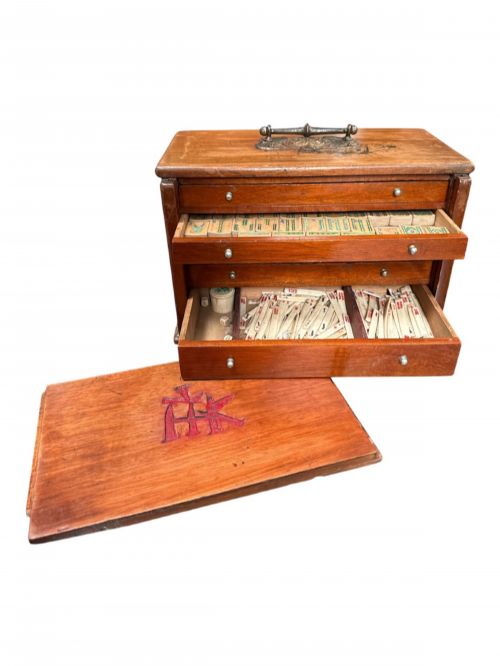
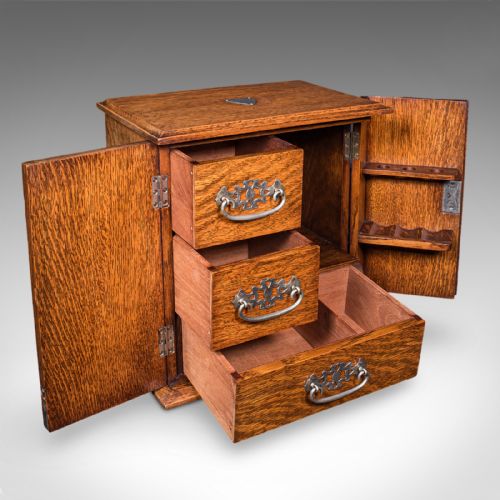
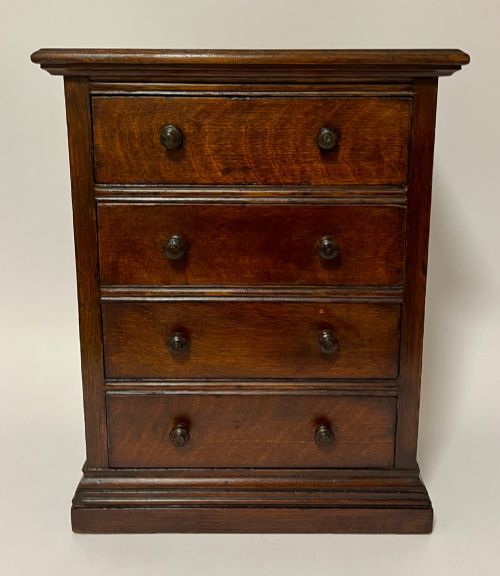
A tabletop cabinet box gathers miniature furniture, spice cupboards, jewellery chests, and collectors' cabinets designed to sit upon desks, tables, or sideboards. These portable storage pieces originate from periods spanning the seventeenth century through to the Edwardian era and the twentieth century.
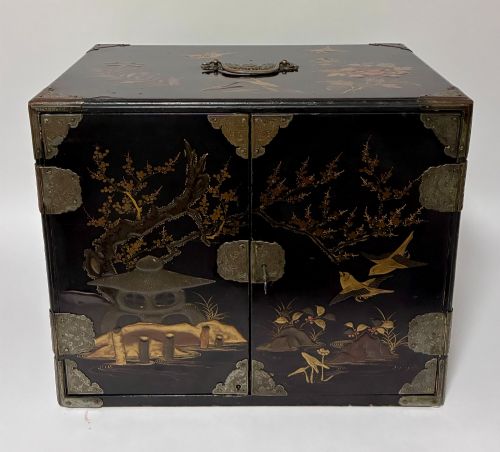
Victorian and Georgian examples dominate the selection, alongside items from the eighteenth century, the Aesthetic Movement, and the Gothic Revival. Forms range from simple oak spice cupboards and miniature chests of drawers to glass-glazed display cases, smoking cabinets, and intricate lacquer work.
Origins stretch across English, French, Chinese, Japanese, and Ottoman traditions. Buyers encounter specialised pieces intended to hold specific items, such as stationery, microscope slides, cigars, or jewellery.
How they were made
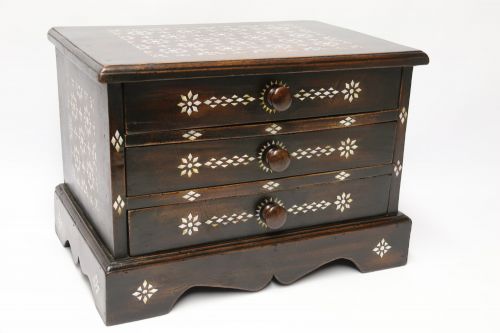
Cabinetmakers constructed these pieces from dense timbers such as mahogany, oak, walnut, satinwood, and burr elm, often applying brass handles, locks, or hinges for security and decoration. Wood is frequently worked with inlay, marquetry, or polish to highlight the natural grain.
Specialist items incorporate contrasting elements like mother-of-pearl escutcheons, glazed glass panels, or painted lacquer finishes. Miniature construction required precise joinery to create working drawers, secret compartments, and fitted interiors on a small scale.
Several miniature chests conceal hidden compartments designed to outsmart wandering hands.
What varies in quality
The degree of refinement in the timber preparation and secondary wood selection separates standard utilitarian boxes from high-status examples. Figured veneers, intricate inlay work, and unblemished brass hardware indicate superior workshop production.
The sophistication of the internal mechanism, such as secret drawers, tightly fitted spice compartments, or locking systems operated by original keys, marks the distinction between basic utility containers and master cabinetmaking.
A. F. Lloyd
The Tabletop Cabinet Box Glossary
- Spice cupboard
- A small wall-hung or tabletop cabinet containing multiple small internal drawers, traditionally used in past centuries for storing expensive culinary spices and herbs. These items date frequently from the seventeenth and eighteenth centuries.
- Apprentice piece
- A miniature item of furniture created by a woodworker to demonstrate skill and secure mastery of a trade guild. They replicate full-scale chests of drawers and armoires in miniature proportions.
- Humidor
- A specialised storage container designed to maintain a constant humidity level for keeping cigars or tobacco fresh. They often feature fitted wooden interiors and secure lockable lids.
- Inlay
- A decorative technique where pieces of contrasting material, such as satinwood or mother-of-pearl, are inserted into recessed sections of a timber base. This method creates geometric or pictorial surface patterns.
- Escutcheon
- A flat plate of brass or metal surrounding a keyhole to protect the surrounding wood from wear. They often serve a purely decorative function on cabinet doors and drawer fronts.
Tabletop Cabinet Box: Frequently Asked Questions
What were tabletop cabinet boxes used for?
These compact pieces served diverse domestic and professional storage needs, holding valuable personal items like jewellery, letters, spices, and smoking accessories. Owners placed them on larger desks or tables to keep small possessions secure and organised.
Cabinetmakers built specialised interiors tailored to specific contents, including glass doors for display and shallow drawers for botanical slides or apothecary equipment.
How do I identify a Georgian tabletop cabinet?
Georgian pieces typically utilise solid mahogany or oak, featuring clean architectural lines, brass bracket feet, and simple brass carrying handles. Drawer configurations often include small central doors flanked by tiers of tiny drawers.
Construction details from this period rely on traditional hand-cut dovetails and timber pegs, pre-dating the machine-made joints found in later nineteenth-century manufacturing.
Are Victorian tabletop cabinets marked by makers?
Most nineteenth-century tabletop pieces remain unmarked by their maker, as signature stamps or paper labels were uncommon unless produced by prominent retail firms or specialist cabinetmakers. Surviving examples occasionally retain trade labels pasted inside drawers or back panels.
Construction quality, choice of burr walnut or rosewood veneers, and lock stamps provide stronger clues to an item's origin than maker signatures.
How do I care for antique wood cabinets?
Keep wooden cabinets away from direct sunlight and artificial heat sources to prevent the timber and veneers from drying out, cracking, or warping. Maintain a stable room temperature to protect delicate polishes and brass fittings.
Apply a microcrystalline wax sparingly to clean and protect the surface, avoiding modern silicone sprays that can penetrate and soften historical finishes.