


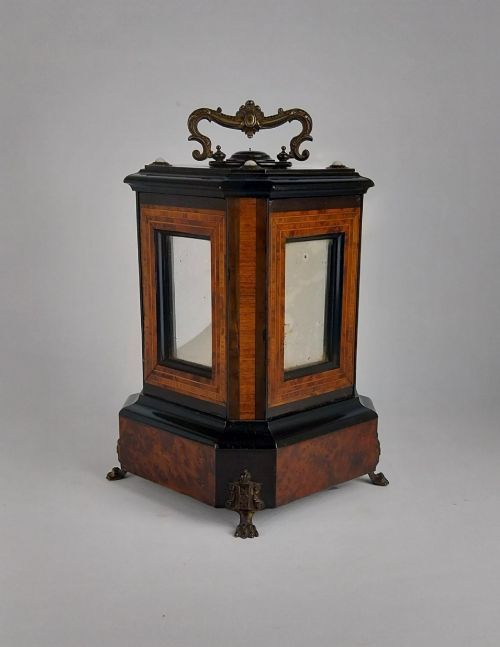
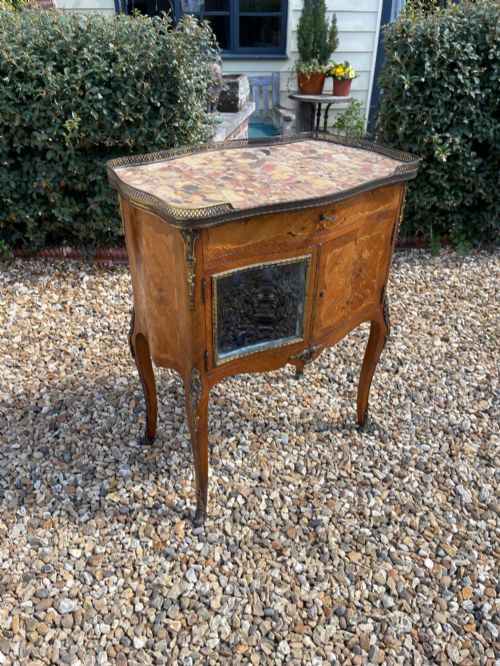


Brass Mounted Table Cabinet
A brass mounted table cabinet brings refined metalwork and compact storage together, offering a practical surface for precious items.
Brass Mounted Table Cabinet
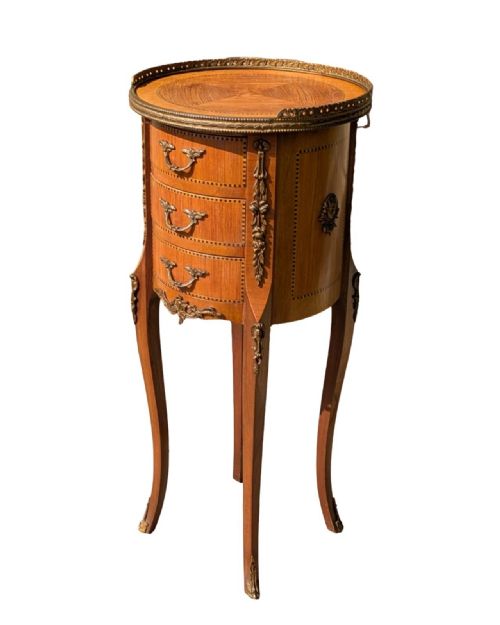
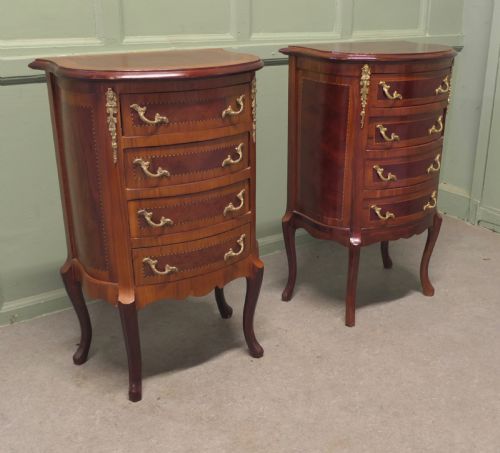
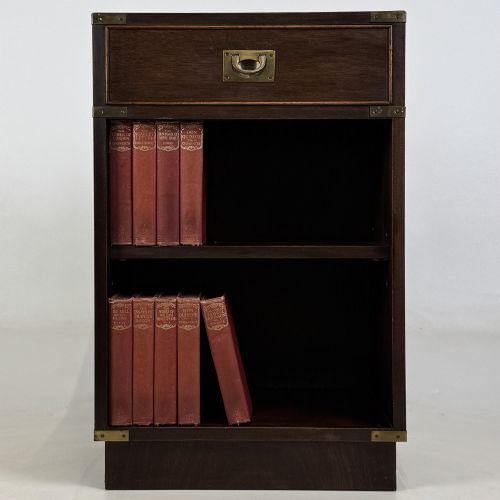
A brass mounted table cabinet provides a small-scale storage solution designed to sit upon larger surfaces or stands while displaying decorative metal hardware. These pieces range from nineteenth-century hardwood examples to later variations incorporating diverse timbers and traditional cabinet forms.
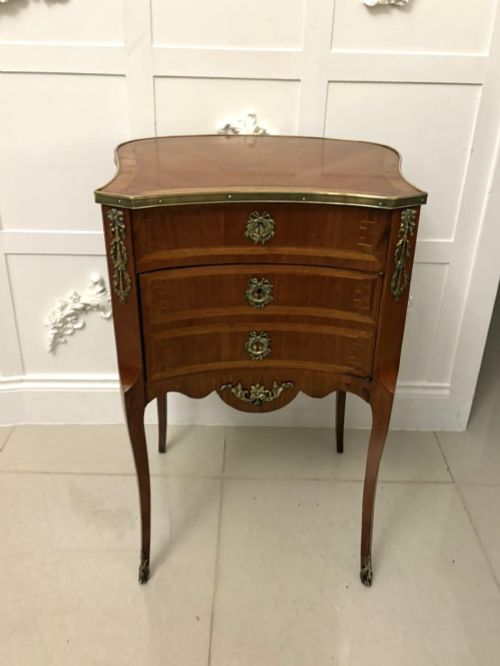
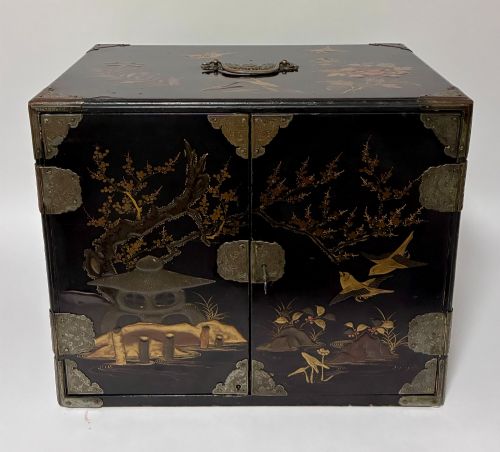
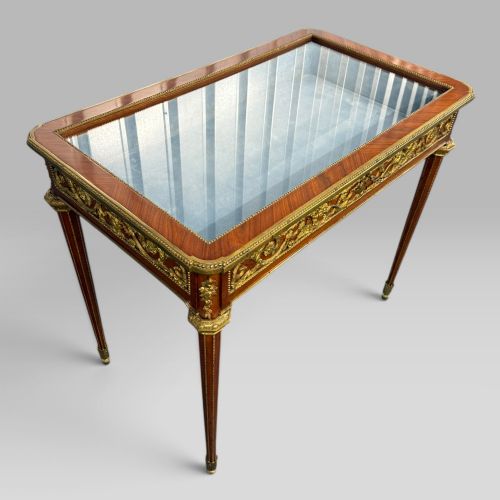
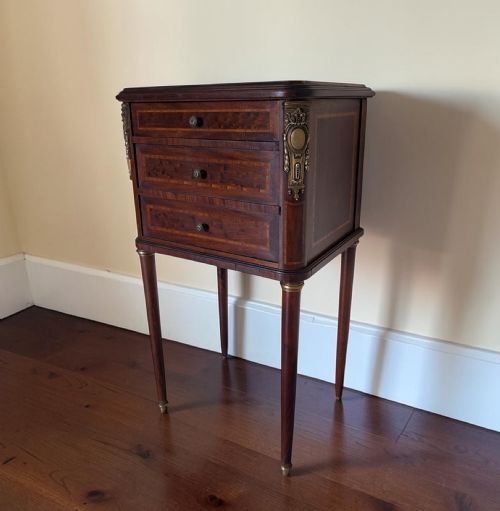
The selections encountered here frequently span nineteenth-century origins up through early twentieth-century revivals, showing influences from French styles to Asian export designs. Buyers often discover compact drawer units, tabletop vitrines, and miniature chests that served collectors or served as desk accessories.
Many examples utilise exotic woods paired with cast brass mounts, corners, and handles to protect edges and elevate the visual impact. The primary focus centres on pieces that combine functional compartments with decorative mounts, fulfilling the exact requirements of a brass mounted table cabinet.
Materials and construction
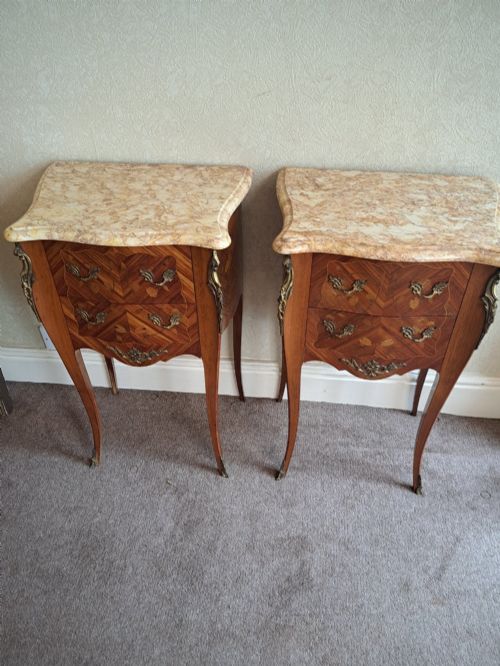
Carpenters built these miniature cabinets using dense hardwoods such as mahogany, walnut, and various exotic veneers like kingwood and rosewood over solid carcases. Marquetry and parquetry patterns frequently decorate the exterior surfaces, requiring precise cutting and fitting of contrasting wood segments.
Metalworkers cast and chased brass and ormolu mounts to secure corners, frame panels, and provide functional hinges and keyplates. These metal components were then fixed to the wooden bodies with small brass screws or pins, reinforcing the structure while adding decorative contrast.
Judging quality
Quality rests primarily on the crispness of the brass casting and the precision of the timber marquetry or parquetry work. Finer examples display cleanly fitted joints, well-figured wood grains, and mounts that sit flush against the timber without awkward gaps.
The sophistication of the internal mechanism, such as smoothly operating drawers and original working locks with keys, distinguishes superior workshops from standard production. Proportion and the harmony between the wooden carcase and the brass ornamentation ultimately dictate the standing of any given piece.
François Linke·John Mclean
The Brass Mounted Table Cabinet Glossary
- Ormolu
- Gilded bronze mounts used extensively in French furniture making. This technique involves applying a gold amalgam to bronze before firing.
- Marquetry
- Decorative veneer patterns formed by fitting together contrasting pieces of wood. Artisans use this method to create floral or geometric designs across cabinet doors and tops.
- Parquetry
- Geometric wood-mosaic work used for flooring and cabinet surfaces. It relies on repeating angular shapes like squares, triangles, and diamonds.
- Bijouterie
- A glass-topped display case designed for small valuables and jewellery. These cabinets often feature velvet-lined interiors to showcase delicate objects.
- Kingwood
- A dense, richly figured tropical American timber prized in high-end cabinetmaking. It displays dark violet-brown tones with lighter golden streaks.
Brass Mounted Table Cabinet: Frequently Asked Questions
Where should I place a table cabinet?
These compact pieces sit comfortably upon sideboards, desks, or sturdy console tables where their detailed mounts and timber surfaces remain visible at eye level.
They also function well on dedicated stands or low chests, allowing easy access to interior drawers or display compartments.
How were these small cabinets originally used?
Owners utilised them to store letters, documents, and small personal valuables such as jewellery and pocket watches.
Some variations acted as miniature collectors cabinets for natural curiosities, coins, or delicate specimens.
How do I care for the brass mounts?
Dust the mounts gently with a soft, dry brush to prevent the accumulation of grit in the crevices of the casting.
Avoid abrasive metal polishes that can strip away original patination or damage the surrounding wood veneer.
Can I distinguish French style from Asian examples?
French-influenced pieces typically employ serpentine or bow-front shapes with elaborate ormolu mounts and marquetry veneers.
Asian export cabinets often feature lacquer finishes, intricate hardwood carvings, and distinct brass corner brackets.