




Inlaid Desktop Cabinet
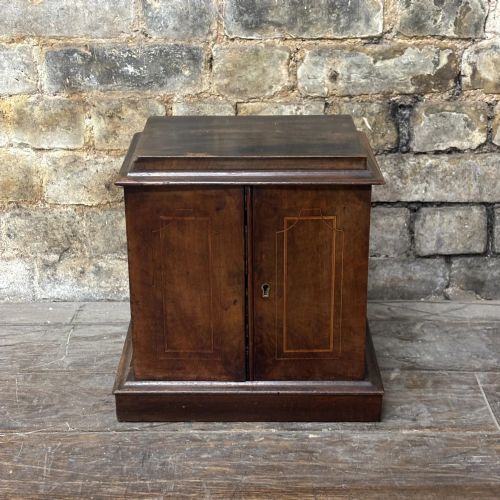
An inlaid desktop cabinet brings neatness to a study, offering small drawers and fitted compartments for letters and papers in polished hardwoods.
Inlaid Desktop Cabinet
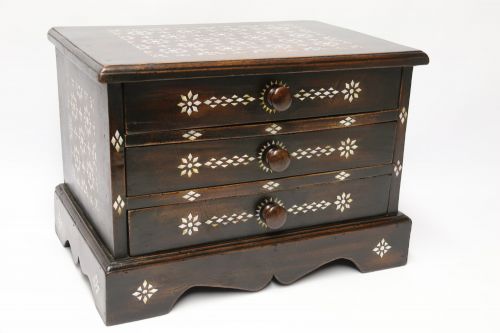
When you search for an inlaid desktop cabinet, you are looking at small-scale storage designed to sit upon a writing table or bureau. These pieces range from stationery boxes and correspondence chests to miniature chests of drawers and collector chests.
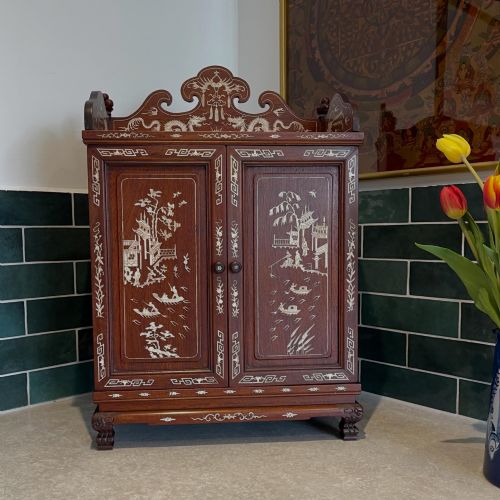
Makers shaped these items in forms inspired by stylistic revivals, including Louis XV and Baroque, alongside Anglo-Indian and Chinese traditions. Each piece provides compact storage with decorative surface patterns.
How they were made
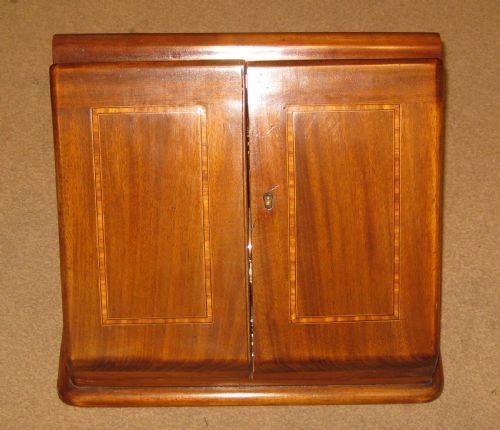
Carpenters built the carcases using solid woods and wood veneers, selecting mahogany, walnut, rosewood, and oak as foundations. Surfaces were then decorated with contrasting timber inlays and marquetry work.
Details in brass, mother of pearl, and glass were integrated into the design for handles, escutcheons, and panel accents. Cabinets often featured hinged doors or fall-front panels concealing interior pigeonholes and small drawers.
Some Victorian letter boxes arrived with the cheerful mystery of answered and unanswered compartments built right into the lid.
What varies in quality
Quality depends upon the precision of the timber joints and the crispness of the inlaid decoration. Finer examples display carefully matched wood veneers and complex marquetry patterns across every visible surface.
Hardware contributes to the overall standard, with heavy brass mounts and intact internal fittings marking out superior pieces. The complexity of the interior arrangement, such as secret drawers or fitted stationery slots, distinguishes the better workshops.
The Inlaid Desktop Cabinet Glossary
- Marquetry
- Decorative patterns formed by inserting thin pieces of wood, shell, or brass into a veneered surface. This technique creates pictorial or geometric designs across the front and top of the cabinet.
- Escutcheon
- A protective plate surrounding a keyhole, usually cast in brass. It secures the wood around the lock and adds a decorative metallic accent to the door.
- Stationery box
- A specialised desktop container designed to hold writing paper and envelopes upright. These often feature sloping lids or tiered compartments inside.
Inlaid Desktop Cabinet: Frequently Asked Questions
What is a desktop cabinet?
A desktop cabinet is a small piece of furniture designed to rest on a table, providing organised storage for letters, documents, and small valuables. These boxes sit securely on writing surfaces without taking up floor space.
They typically feature multiple small drawers, pigeonholes, or fall-front compartments. Owners used them to sort daily correspondence and keep writing materials tidy.
How do I date a cabinet?
Dating relies on identifying the primary wood species, construction methods, and decorative styles present on the piece. Georgian items often display rosewood and mother of pearl, while Victorian and Edwardian examples frequently use mahogany or walnut.
Hardware styles and internal fittings also offer chronological clues. Cabinetmakers shifted from plain brass mounts to elaborate marquetry as tastes changed through the nineteenth century.
What were stationery boxes used for?
Stationery boxes held writing paper, envelopes, and stamps before the widespread use of manufactured stationery packs. Households kept them in libraries, studies, and drawing rooms for family correspondence.
The sloping lids and divided interiors kept paper flat and organised. Many included built-in compartments for inkwells and dipping pens.
How do I care for a veneer?
Maintain wood veneers by keeping the cabinet away from direct sunlight and sudden temperature changes. This prevents the thin decorative wood layers from lifting or drying out.
Apply a traditional wax polish occasionally to nourish the timber and protect the surface. Avoid using harsh chemical cleaners that can strip the historic polish.