
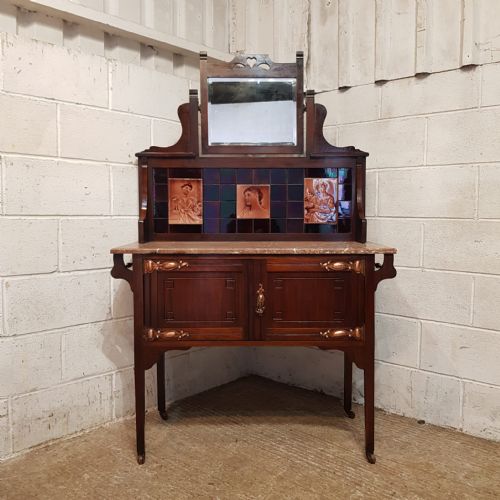
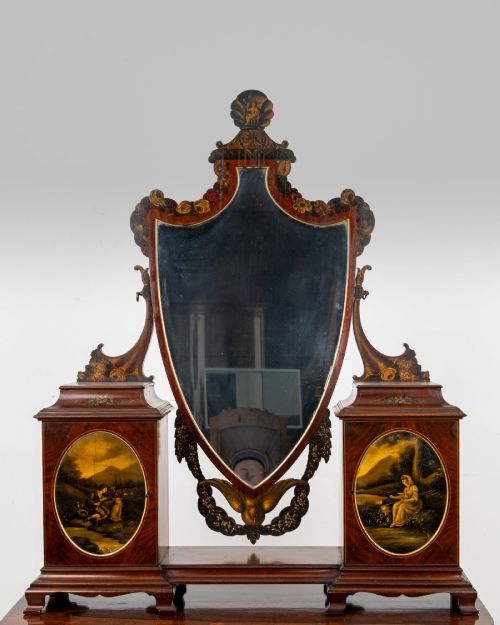
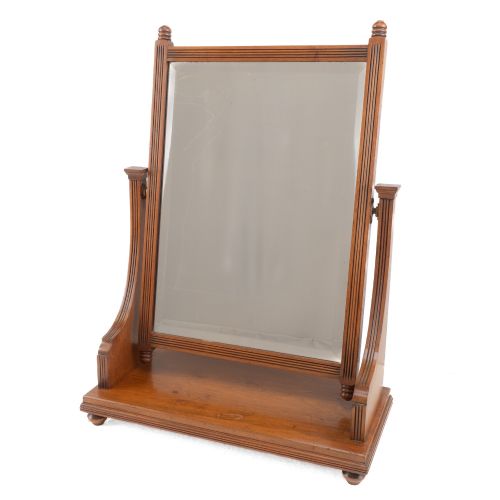
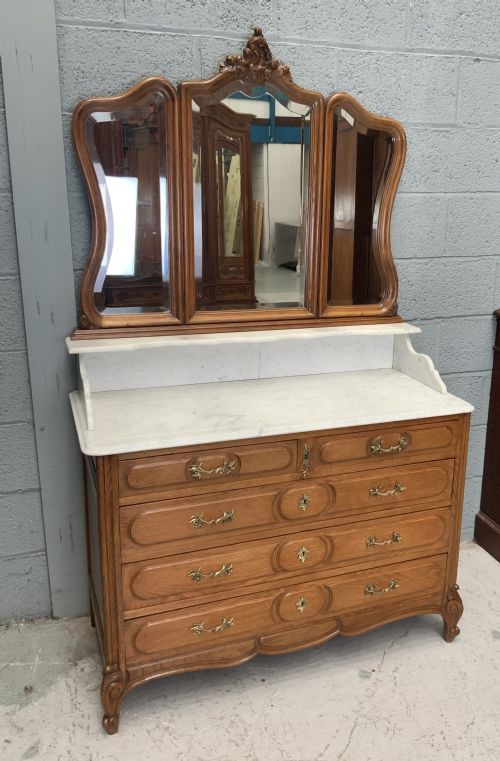


Table Top Dressing Mirror
A table top dressing mirror brings personal grooming and period timber into focus on a chest or bureau.
Table Top Dressing Mirror
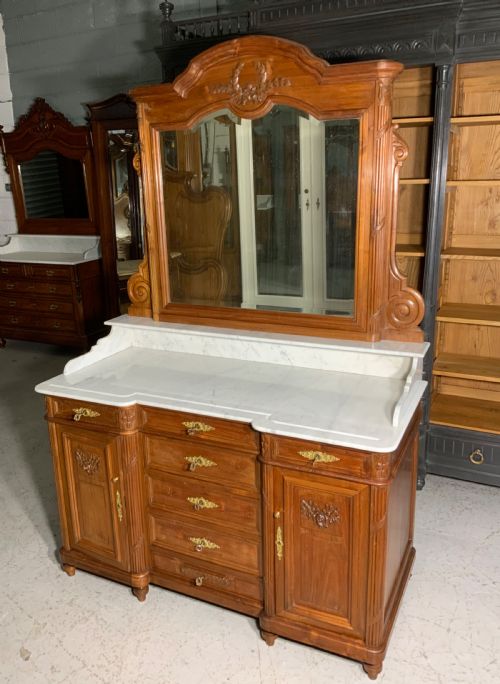
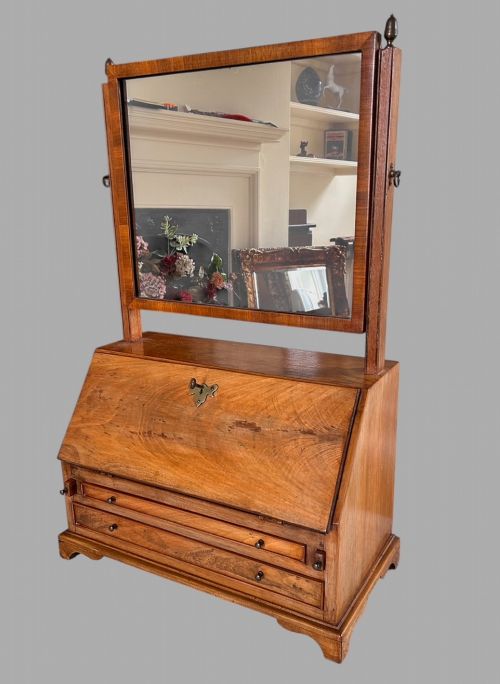
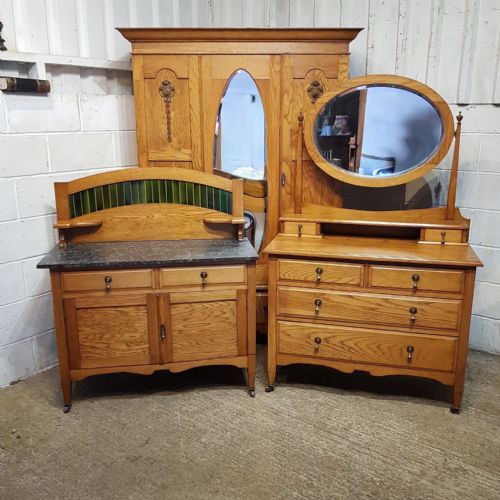
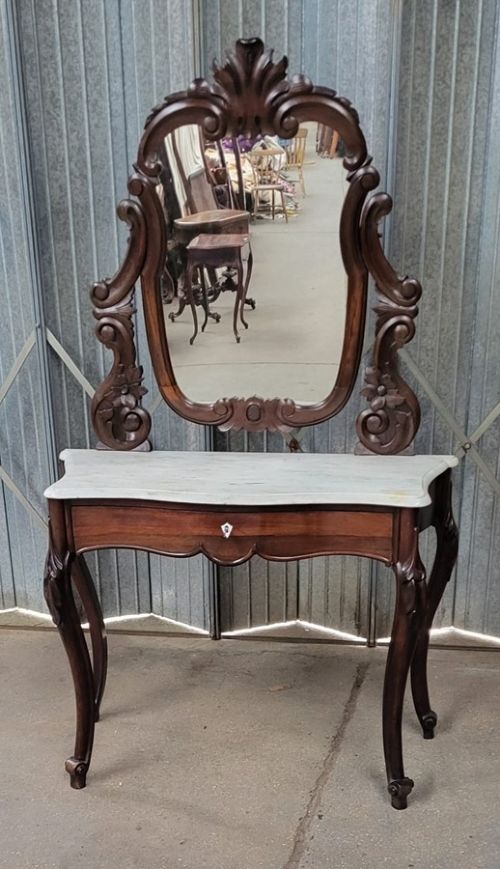
A table top dressing mirror is a portable looking glass designed to sit upon a chest of drawers, washstand or table for daily reflection and grooming. The forms range from compact Georgian designs with fitted drawer bases to larger Victorian and Edwardian swing mirrors mounted on scrolled upright arms.
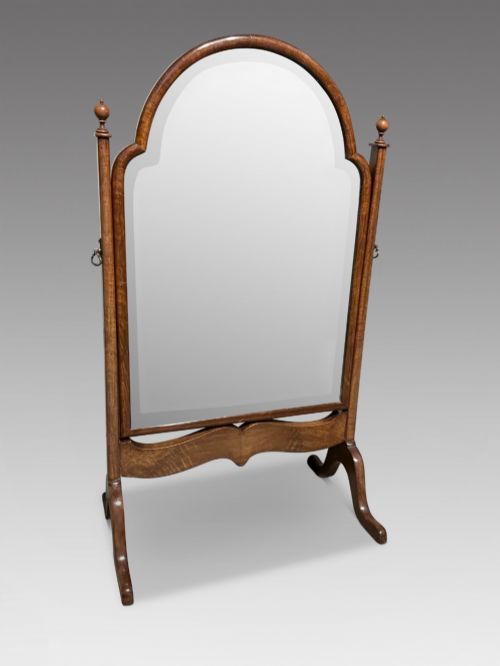
Many examples incorporate small jewellery boxes, trinket drawers or stationary compartments built directly into the wooden plinth beneath the glass plate. Buyers will encounter both simple rectangular frames and arched cheval configurations dating across the eighteenth, nineteenth and early twentieth centuries.
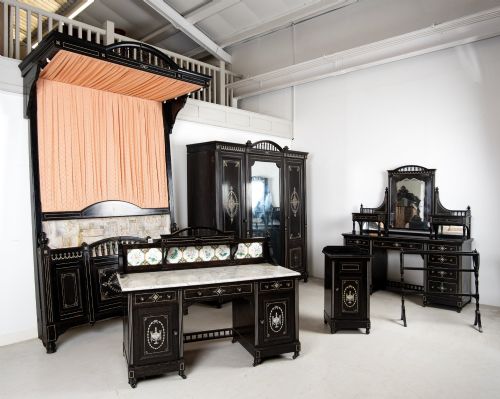
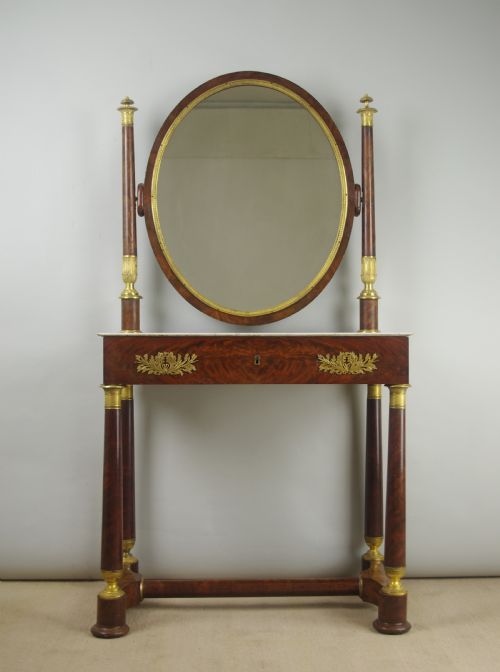
The surviving pieces frequently demonstrate cabinet-making styles spanning Queen Anne influences, Regency proportions, Arts and Crafts simplicity and French Empire or Art Deco interpretations. These mirrors offer a practical method of introducing period craftsmanship into bedroom spaces without requiring floor-standing furniture.
Materials and construction methods
Makers utilised dense cabinet timbers such as mahogany, walnut, oak and satinwood, often selecting veneers with striking flame or burr figures for the primary display surfaces. Solid secondary woods like pine or oak were used for internal drawer linings and carcass framing.
Glass plates were silvered and fitted into rebated wooden frames, supported by pivoting brass screw pins or side arms that allowed the user to adjust the angle of reflection. Inlays of lighter contrasting woods, brass mounts and occasional ormolu detailing decorated the upright supports and base boxes.
Many a Victorian morning began with a squint into a tilting glass while a hidden drawer stubbornly refused to open.
Judging the standard of execution
Quality rests upon the crispness of the timber selection and the structural integrity of the pivoting mechanism supporting the mirror plate. Finer examples display hand-cut dovetail joints within the base drawers and well-balanced proportions between the glass frame and the supporting plinth.
The clarity and depth of the mirror glass contribute significantly to the standard of the piece, alongside subtle decorative elements such as precise string inlay, carved scrollwork or original brass hardware. Pieces retaining their fitted interior compartments and original finish command greater appreciation among collectors.
The Table Top Dressing Mirror Glossary
- Cheval mirror
- A full-length or large dressing mirror suspended on a floor-standing frame, though table top variants adapt this pivoting principle for smaller furniture. The frame allows the glass to swing freely between vertical uprights.
- Swing mirror
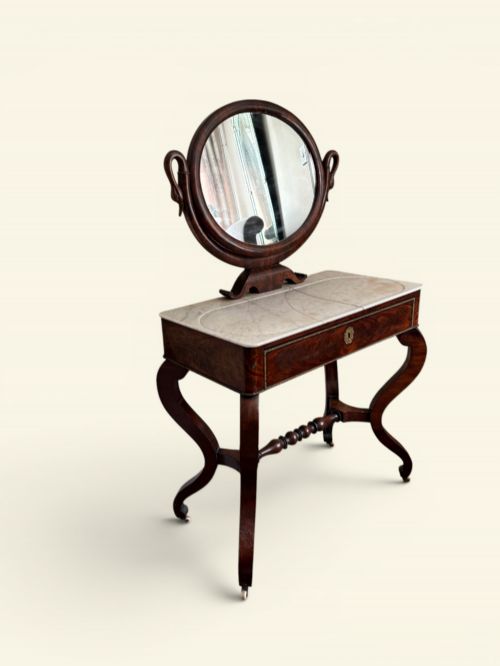
- A looking glass hung on pivots within a stationary frame, enabling the user to alter the viewing angle. This mechanism is central to the operation of traditional dressing mirrors.
- Burr walnut
- A prized timber harvested from the growth excrescences on walnut trees, yielding complex, swirling grain patterns. Cabinet-makers applied it as a veneer to the principal surfaces of high-status furniture.
- Ormolu
- Gilded bronze mounts applied to furniture for decorative enrichment, frequently seen on French Empire and continental pieces. The technique involves coating cast bronze with a mercury-gold amalgam.
- Dovetail
- A traditional wood joint formed by interlocking wedge-shaped fingers, prized for its tensile strength. It is commonly found securing the corners of small storage drawers in the base of dressing mirrors.
Table Top Dressing Mirror: Frequently Asked Questions
What is a table top dressing mirror?
A table top dressing mirror is a portable looking glass housed in a wooden frame that rests upon a chest of drawers or dressing table. It provides a raised reflective surface for personal grooming without occupying floor space.
These pieces typically feature an adjustable swing mirror mounted above a small plinth base, which frequently contains one or more small drawers for storing jewellery or accessories.
How were dressing mirrors used historically?
Historically, these mirrors stood on bedroom furniture or gentleman's vanity tables to assist with shaving, hairstyling and adjusting attire. The built-in drawers held small personal items, rings and daily necessities.
In period bedchambers, they offered flexibility because they could be moved between rooms or placed wherever natural light fell most favourably upon the surface.
How do I date a dressing mirror?
Dating relies on observing the timber species, construction techniques of the base drawers, and the overall architectural style of the frame. Georgian pieces often show slender proportions and mahogany construction, while Victorian examples tend to be heavier with burr walnut or rosewood.
Examining the bevel of the glass, the hand-cut dovetails inside the drawers and any secondary woods provides reliable clues to the period of manufacture.
How do I place one in a modern room?
A dressing mirror can sit securely on top of a modern chest of drawers, a sideboard or a dedicated dressing console to introduce historical warmth to a contemporary interior. Ensure the supporting surface is deep and stable enough to accommodate the footprint of the base.
Positioning the mirror near a window maximises natural light reflection, enhancing both its practical utility and the visual depth of the room.