
Sword Cane Walking Stick
A sword cane walking stick conceals a functional steel blade within an ordinary shaft, combining gentlemanly protection with everyday practicality.
Sword Cane Walking Stick
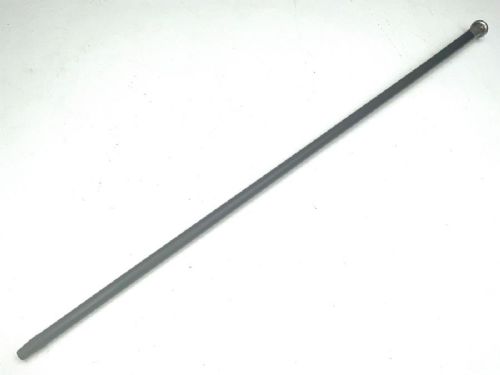
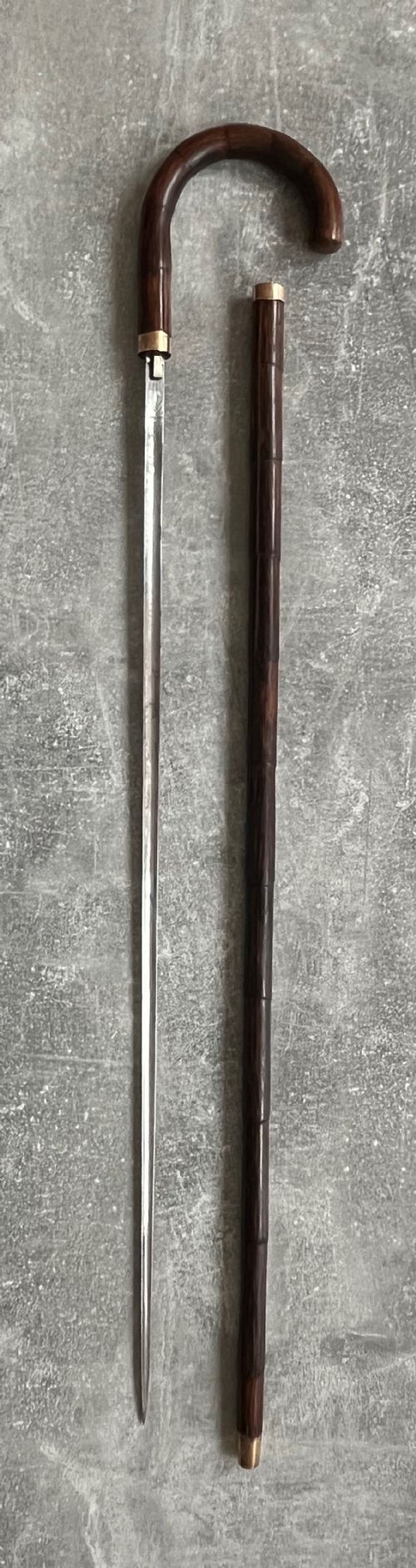
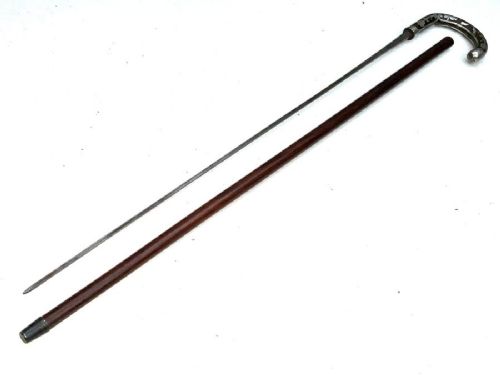
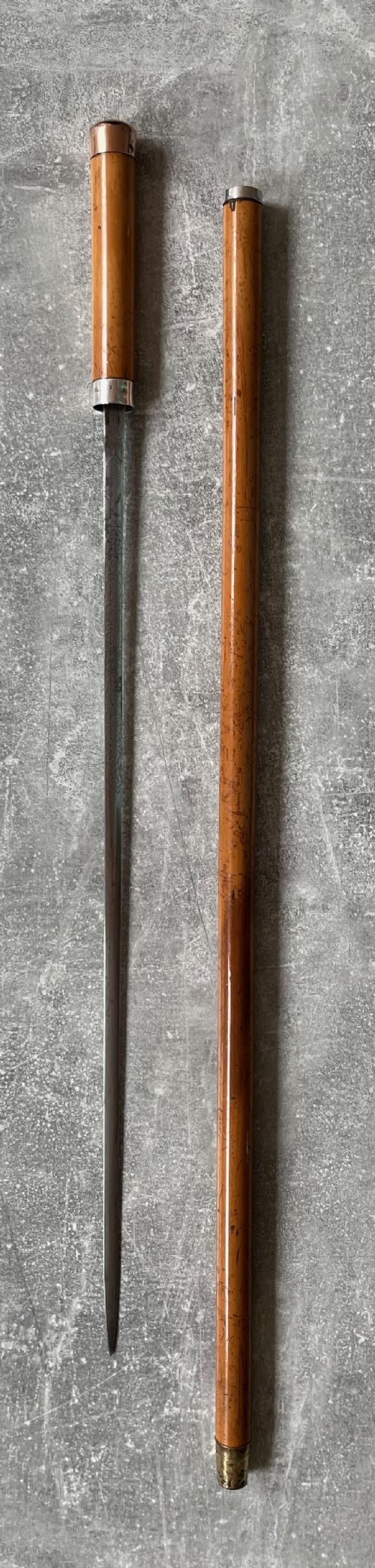
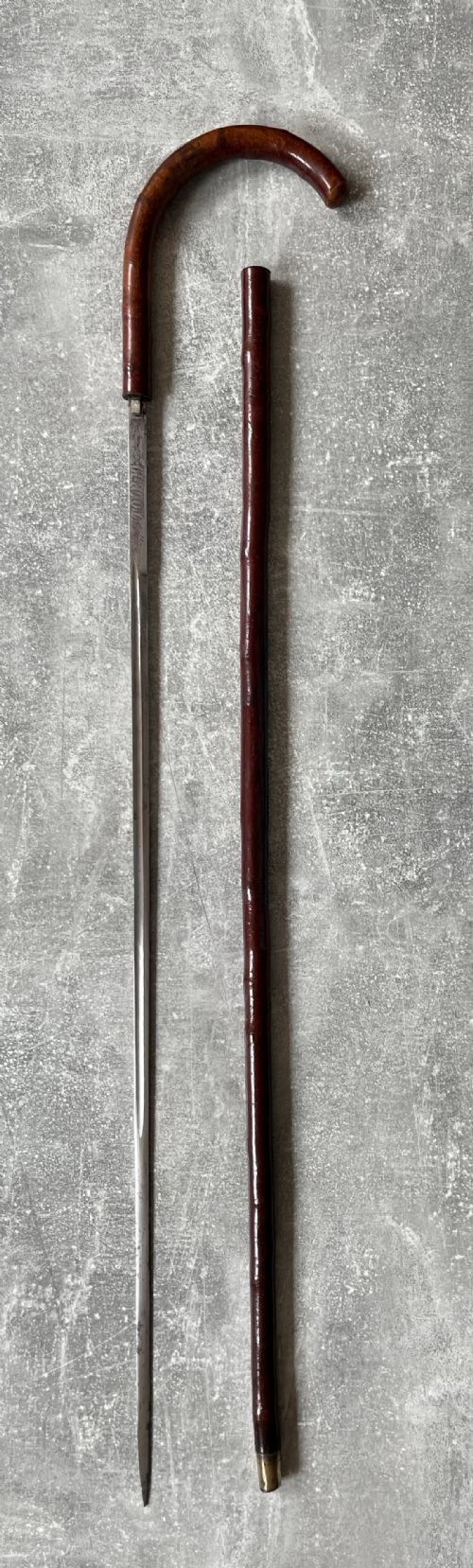
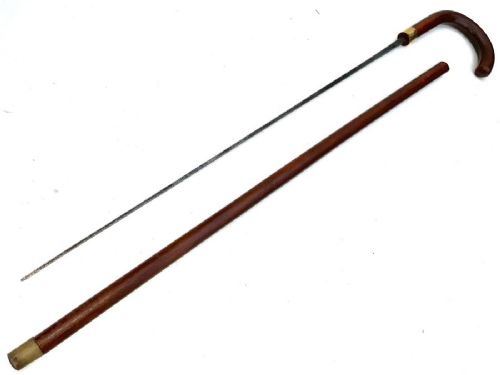
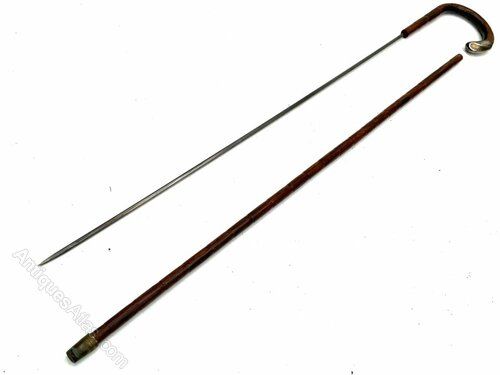
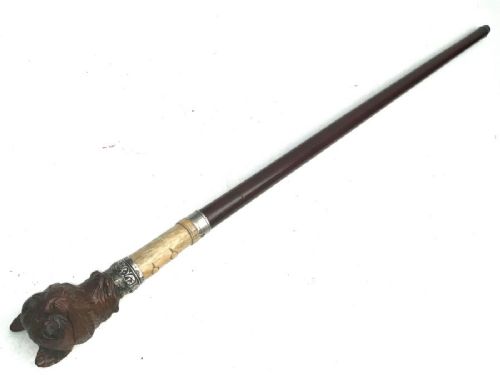
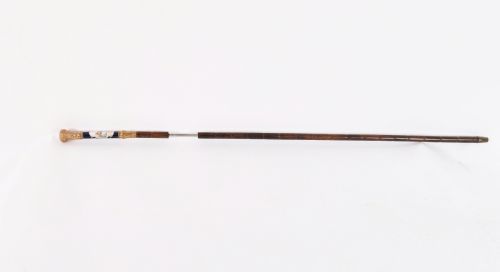
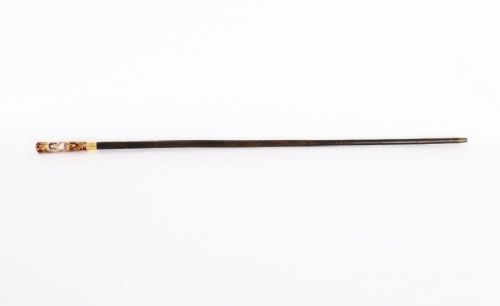
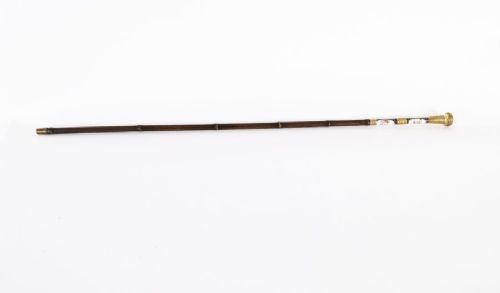
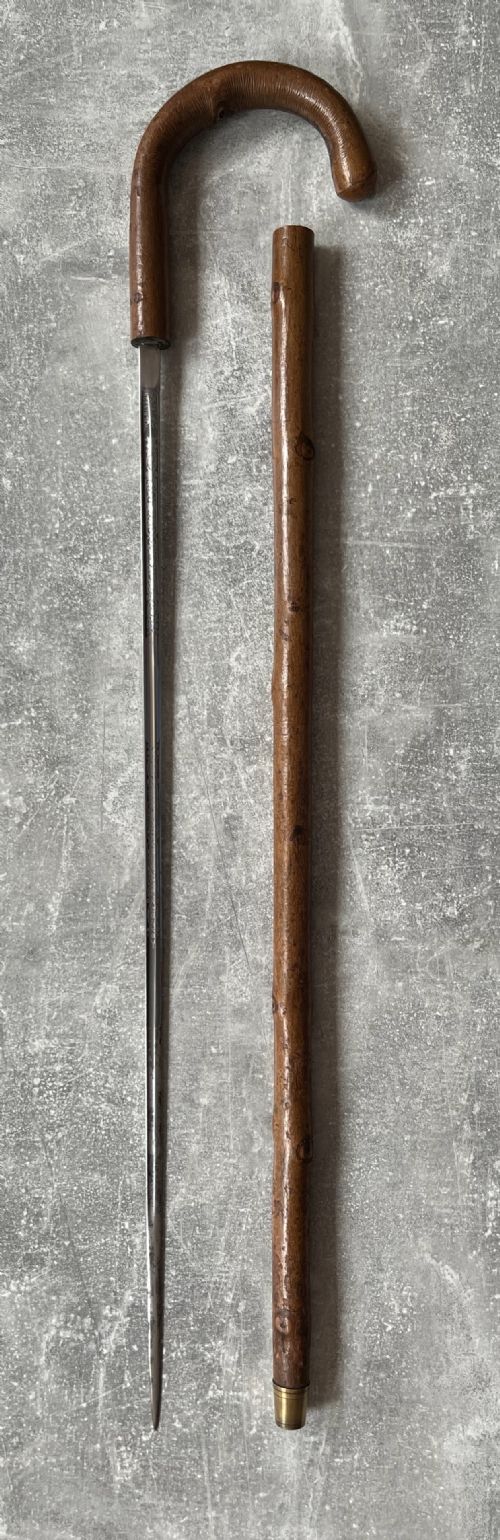
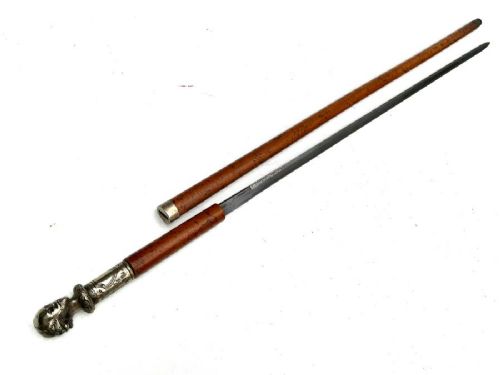
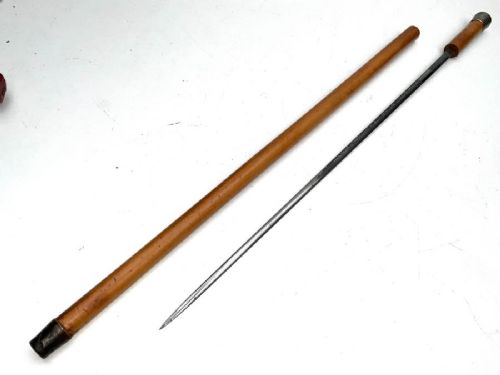
A sword cane walking stick serves as a discreet personal defence tool disguised as a standard gentleman's walking stick or cane, emerging frequently from Victorian and Edwardian periods. Examples span plain wooden shafts to elaborate mounted specimens designed for military officers and civilians alike.
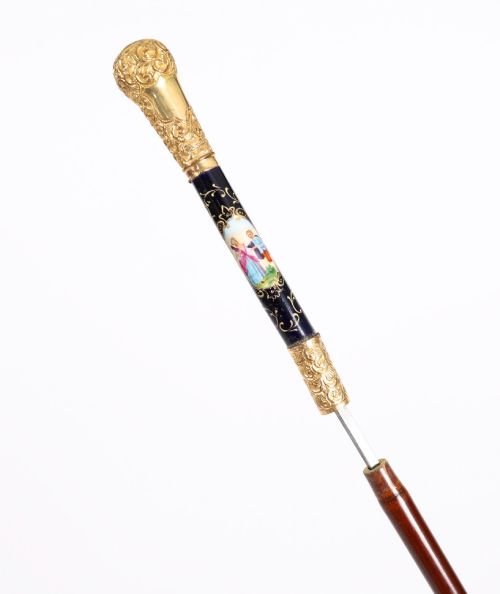
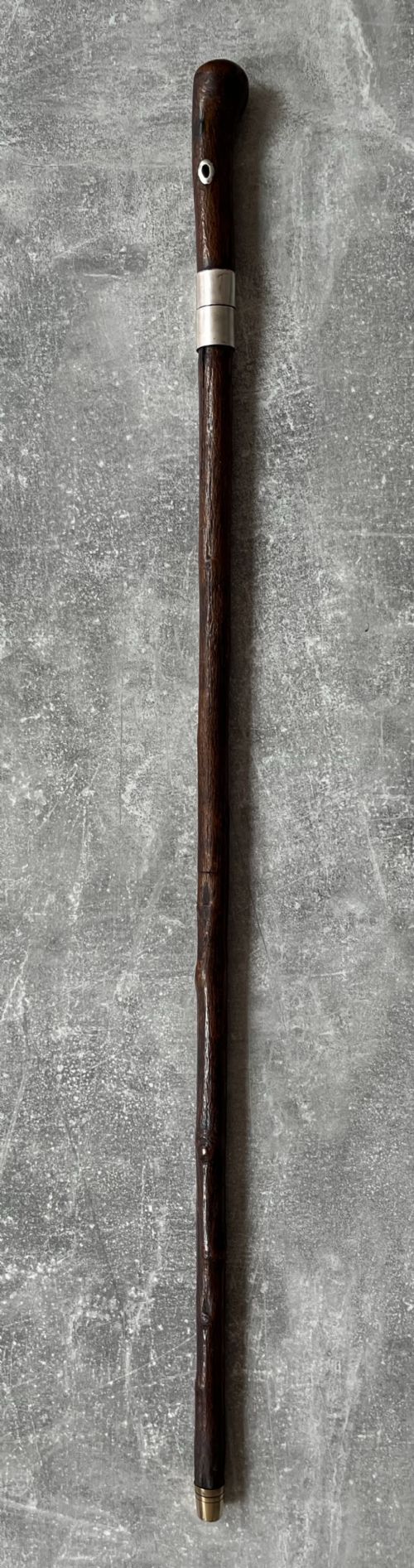
Most pieces encountered on this page date from the late nineteenth and early twentieth centuries, featuring distinct regional styles such as French porcelain mounts, Imperial German military designs, and traditional Irish blackthorn shafts.
Construction and Materials
Craftsmen built the shafts using durable natural woods like malacca, partridge wood, cherrywood, and ebonised wood, frequently pairing them with steel blades originating from Toledo or bearing maker inscriptions. Handles incorporate horn, porcelain, silver, or brass mounts secured with button releases or simple friction fits.
Metalwork involved silver collars, gold plating, and ormolu mounts, whilst blades were forged from high-grade steel designed to lock securely into the wooden scabbard.
Some Victorian gentlemen required hidden blades not just for defence, but to conceal secret Masonic symbols within the handle.
Judging Quality
Quality rests upon the execution of the concealed locking mechanism, the integrity of the blade steel, and the refinement of the handle mounting. Superior examples exhibit tightly fitted joins that conceal the blade seam completely when closed.
Artistic execution of the mounts, whether hand-painted Sevres porcelain or hallmarked silver, distinguishes standard utility pieces from high-status civilian and military dress accessories.
Brigg·Wilkinson
The Sword Cane Walking Stick Glossary
- Malacca
- A sturdy rattan cane imported from Southeast Asia, prized for its mottled brown finish and strength in sword stick construction.
- Toledo Blade
- A steel sword blade produced in Toledo, Spain, known for flexibility and historical reputation in weapon manufacturing.
- Swagger Stick
- A short, light stick carried by military officers, sometimes concealing a slender blade.
- Blackthorn
- A dense, dark wood traditional in Irish walking sticks, featuring natural thorn bumps along the shaft.
- Ormolu
- Gilt bronze mounted onto the handle or collar for decorative effect.
Sword Cane Walking Stick: Frequently Asked Questions
How do you release the blade?
Most sword cane walking sticks operate via a simple button release mechanism or a friction fit that holds the handle securely to the scabbard. Pressing the button disengages the internal catch, allowing the blade to slide smoothly from the wooden shaft.
Owners should pull the handle straight out without twisting to preserve the internal locking pin and maintain the tight seal of the closed stick.
What woods were commonly used?
Malacca cane remains the most frequent material found in these pieces due to its resilience and distinctive mottled appearance. Other common woods include ebonised wood, partridge wood, hazel, cherry, and traditional Irish blackthorn.
Each wood offered different weight and flexibility characteristics suited to everyday walking support whilst housing the steel blade.
Are these military or civilian items?
The listings include both civilian gentleman's accessories and military pieces intended for officers. Imperial German, British military, and masonic examples often feature specific regimental badges, brass fittings, or handles denoting the owner's affiliation.
Civilian pieces typically favoured decorative elements such as silver collars, porcelain handles, or carved horn grips.
How do you date a sword stick?
Dating relies on hallmarks on silver mounts, the style of the handle, and the general manufacturing period indicated by Victorian and Edwardian design conventions. Makers' stamps on the steel blade or hallmarked collars provide the most accurate chronological markers.
Stylistic shifts from plain wooden crooks to ornate Sevres porcelain handles also help narrow the decade of production.