


Swiss Wooden Figurine
Every swiss wooden figurine captures nineteenth-century alpine life through detailed hand carving, offering collectors charming animal and human subjects.
Swiss Wooden Figurine
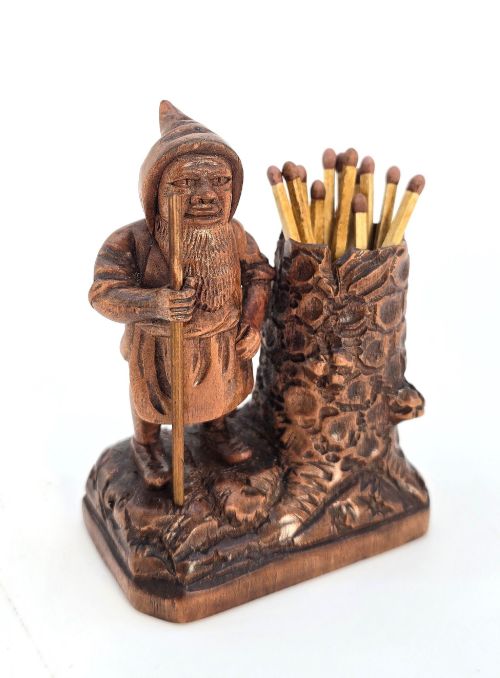
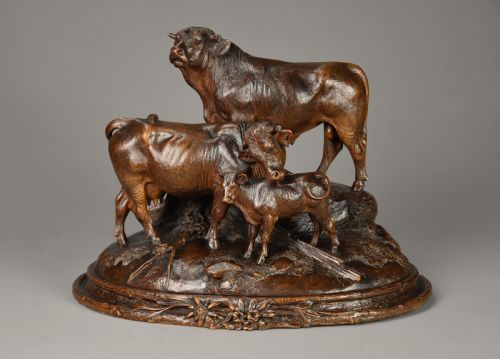
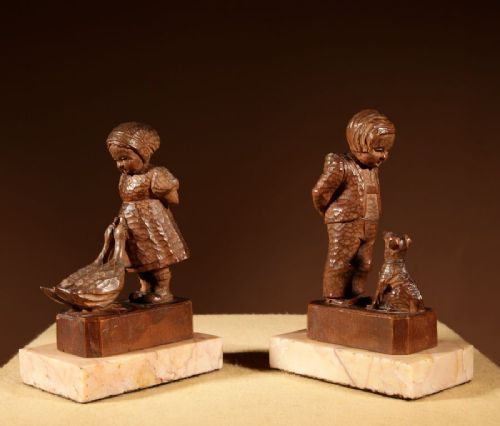
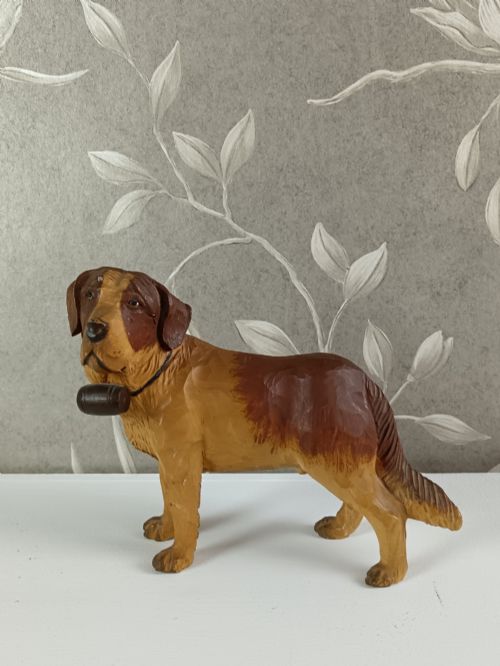
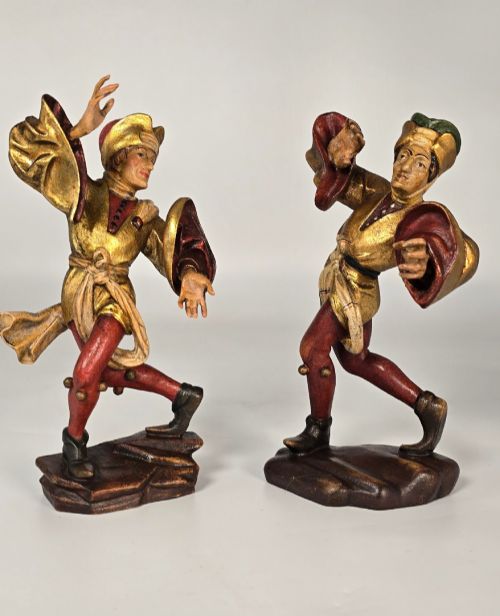
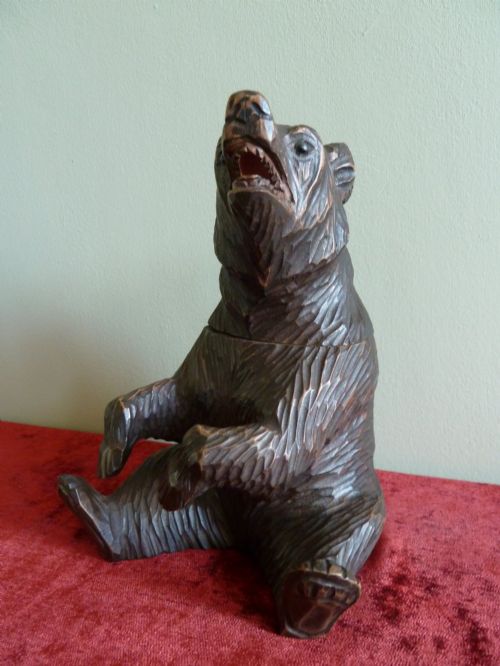
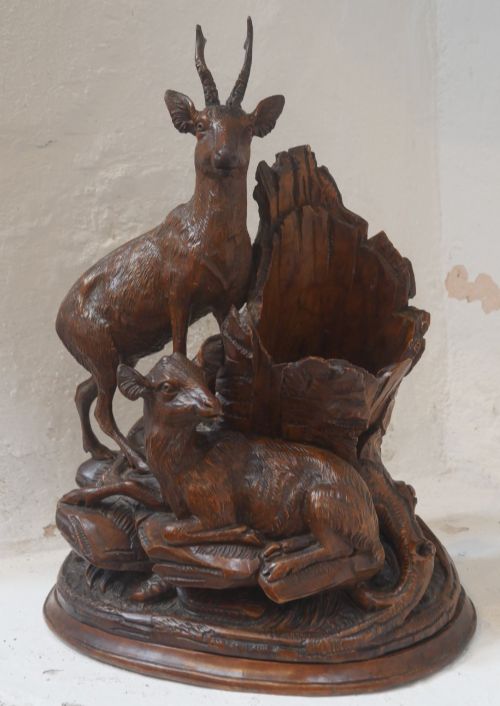
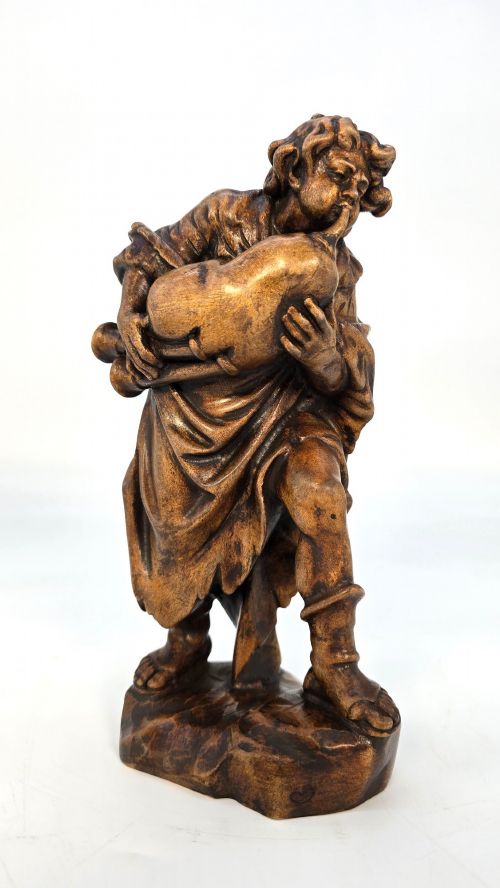
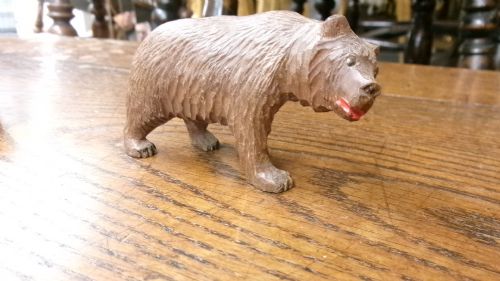
A swiss wooden figurine typically takes the form of bears, cattle, dogs, and human subjects like peasants or musicians, spanning the nineteenth and early twentieth centuries.
The most common examples on this page are Black Forest carvings and alpine folk art, originating from workshop traditions in Switzerland and surrounding regions.
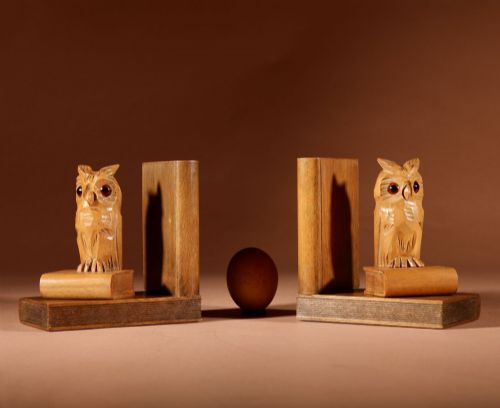
Objects range from standalone sculptures and bookends to functional items like match holders, tobacco jars, and nutcrackers fashioned from regional timbers.
Materials and Carving Techniques
Carvers utilised limewood, linden wood, walnut, and oak for their fine grain and reliable strength when producing intricate animal groups and human figures.
Details such as fur texture, facial expressions, and clothing folds were shaped entirely by hand with gouges and chisels, occasionally complemented by glass eyes or simple paint.
Listings span from the mid-nineteenth century to the mid-twentieth century, predominantly featuring limewood and walnut.
Assessing Craftsmanship
Makers who signed or stamped their work, such as recorded workshops, often demonstrate superior anatomical accuracy and refinement in their subjects.
J HUGGLER
The Swiss Wooden Figurine Glossary
- Limewood
- A pale timber with a straight, fine grain favoured by traditional carvers for detailed work. It resists splitting and allows for crisp undercuts.
- Black Forest
- A regional style of woodcarving originating in central Europe, particularly known for bears, wildlife, and rustic domestic objects. Pieces frequently date from the Victorian era onwards.
- Folk art
- Objects created by self-taught or traditional artisans outside academic design standards. These items emphasise local character and utility over formal academic proportion.
- Stud eyes
- Small glass or metal inserts used as realistic eyes in animal carvings. They add a lifelike glint to bears, dogs, and birds.
Swiss Wooden Figurine: Frequently Asked Questions
What subjects appear most often?
Bears, cattle, goats, and dogs dominate the animal subjects, alongside human figures representing peasants, saints, and literary characters like William Tell.
These pieces reflect rural alpine life and nineteenth-century romanticism towards mountain culture.
How were these items used originally?
Many figures served dual purposes as functional objects such as tobacco jars, match holders, nutcrackers, bookends, and mantel clocks.
Others functioned purely as decorative sculptures for display on shelves and desks in Victorian homes.
How do I spot a later copy?
Older carvings show natural tool marks, patination from handling, and timber shrinkage appropriate to the nineteenth and early twentieth centuries.
Later reproductions often lack the crispness of hand-gouged fur and possess an artificial surface finish.
Where should I display them?
These wooden pieces suit traditional studies, libraries, or mantelpieces alongside other carved works and natural history collections.
Keep them away from direct heat sources to prevent the wood from drying and cracking over time.