

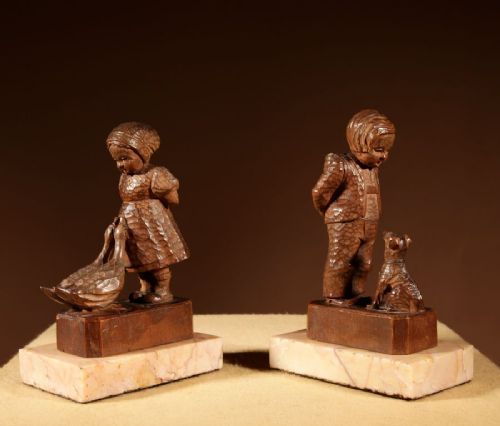
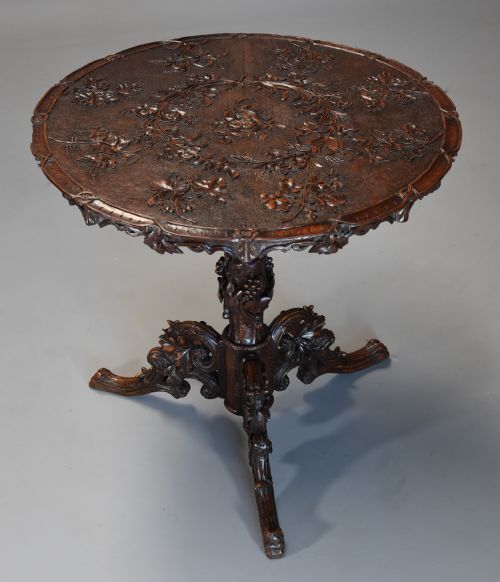


Swiss Carved Table
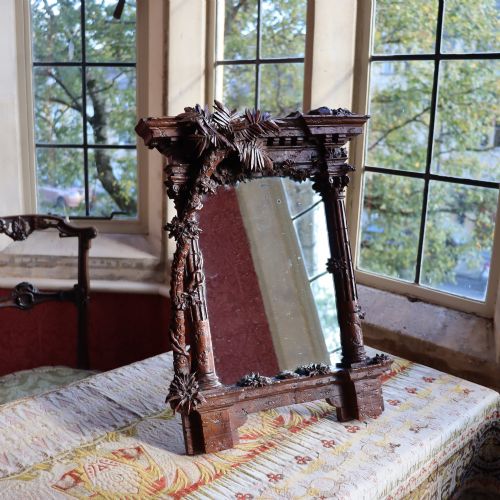
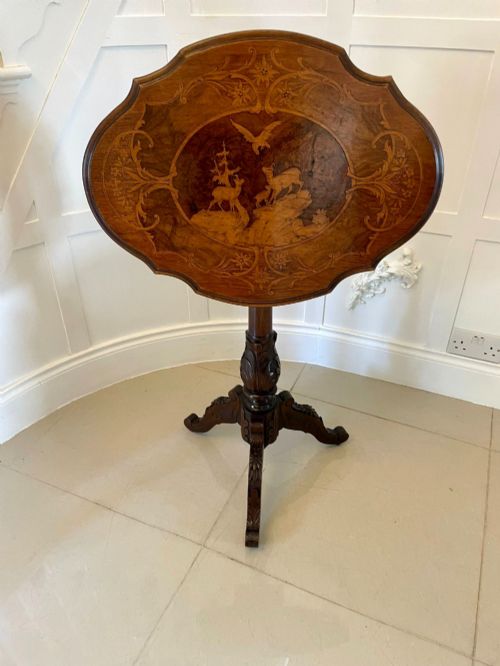
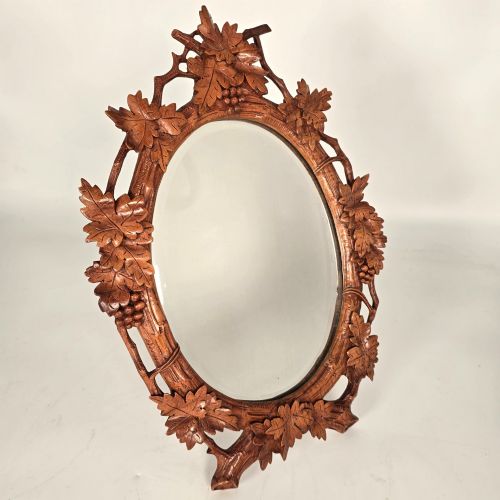
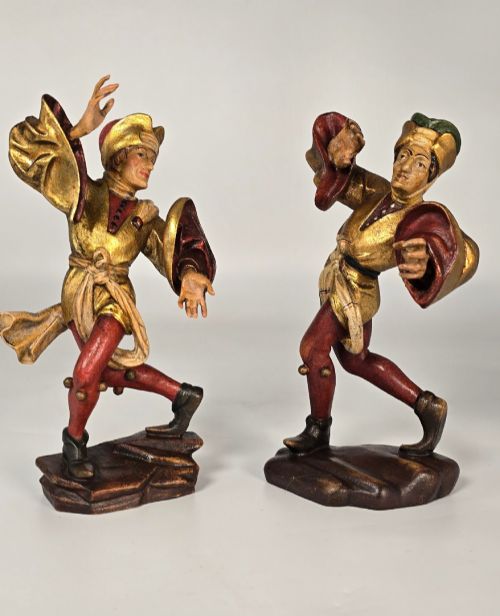
These swiss carved table pieces bring intricate forestry motifs and skilled woodworking straight into a room.
Swiss Carved Table
A swiss carved table brings distinct regional woodwork into domestic spaces, drawing heavily on Swiss and broader Black Forest traditions. These pieces often feature naturalistic motifs like bears, foliage, and animals integrated directly into the wooden structure.
Buyers frequently encounter occasional tables, centre tables, and specialised jewellery or musical tables dating from the nineteenth century into the early twentieth century. Walnut and linden wood dominate the forms seen across these historical examples.
The objects span from simple circular top tables with carved bases to complex marquetry inlaid items reflecting Victorian tastes. Surviving pieces connect directly to Swiss and German workshop production of the period.
Materials and Construction Methods
Craftsmen relied primarily on softwoods like linden wood, often referred to as lime wood, alongside denser hardwoods such as walnut. Linden wood offered the fine grain and pliability necessary for deep, highly detailed three-dimensional carving.
Makers utilised manual gouges and chisels to build up layered foliage, animal figures, and structural supports by hand. Inlaid surfaces combined contrasting wood veneers to form geometric patterns alongside the sculptural elements.
Swiss Carved Table Retail Price Guide 2026
Typical asking prices for swiss carved table among the pieces listed under this phrase on Sellingantiques today, from the lower quarter to the upper quarter. They describe what is for sale here now, not the wider market.
Assessing Craftsmanship and Detail
Quality rests heavily on the depth and definition of the wood carving, distinguishing flat or hasty work from deeply undercut, naturalistic sculpture. Superior examples display anatomical accuracy in animals and crisp detailing in foliage.
The choice of primary timber influences the overall finish, with select linden wood and figured walnut marking the upper tier of production. Integrated elements like marquetry inlay or musical movements further elevate the execution.
Bergen & Co·B A Bremond
The Swiss Carved Table Glossary
- Linden wood
- A pale timber commonly utilised by carvers for its smooth texture and even grain. It allows deep undercut details without splintering.
- Marquetry
- The art of applying small pieces of veneer to a structure to form decorative patterns. Walnut is frequently used alongside other woods for contrast.
- Black Forest style
- A regional design movement known for naturalistic animal carvings and rustic wooden furniture. It shares close ties with Swiss workshop traditions.
- Centre table
- A freestanding piece designed to be viewed from all sides rather than pushed against a wall. These items often feature elaborately carved central pedestals.
Swiss Carved Table: Frequently Asked Questions
What defines a swiss carved table?
These tables are characterised by intricate hand-carved wooden motifs depicting animals, foliage, or rustic scenes, typically executed in linden wood or walnut.
Originating from Swiss and broader Black Forest workshops, they reflect nineteenth and early twentieth-century decorative arts.
How were these tables used originally?
They served as decorative occasional or centre pieces in Victorian parlours and drawing rooms, often displaying ornaments or holding items.
Some specialised versions incorporated musical boxes or compartments for jewellery and personal valuables.
How do I care for carved wooden furniture?
Keep the wood away from direct heat sources and strong sunlight to prevent the timber from drying out and cracking.
Dust the intricate carvings gently with a soft brush to maintain the surface finish without damaging the fine details.
How are different periods identified?
Nineteenth-century examples often display deeper, more naturalistic hand-carved elements and heavier timber construction.
Later pieces moving into the early twentieth century may show shifts in proportion while retaining traditional regional motifs.