

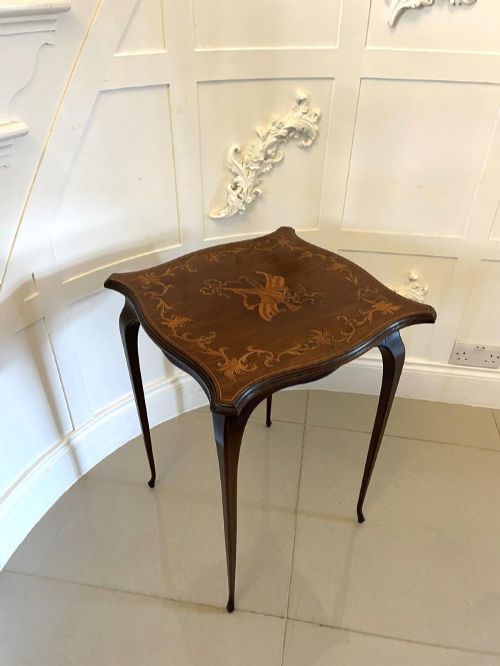
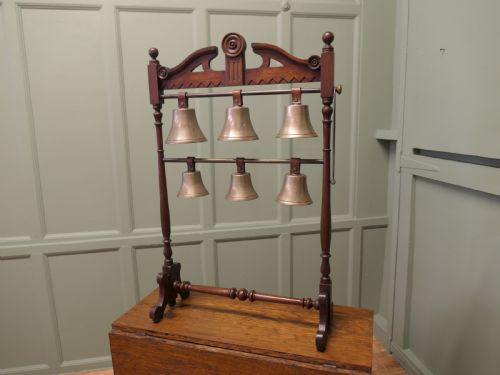


Victorian Musical Table
A victorian musical table combines mechanical ingenuity with domestic entertainment, bringing automated melody straight into the nineteenth-century parlour.
Victorian Musical Table
A victorian musical table brings together domestic furniture and mechanical sound reproduction, creating an intriguing object that performs tunes automatically. These pieces belong primarily to the nineteenth century, reflecting an era obsessed with mechanical precision and parlour amusement.
The version most likely to appear on this page is the Black Forest antique musical table, reflecting regional woodworking traditions combined with pinned cylinder movements. Other related items range from bracket clocks and centrepieces to musical boxes and smoking accessories.
These items originate from the Victorian period, spanning the mid nineteenth century up to around eighteen hundred and ninety. Buyers seek them out for their dual function as decorative furniture and working musical instruments.
How they were made
Cabinetmakers utilised timber such as walnut, burr walnut, and ebonised wood to build the structural housings and cases. Artisans then integrated precision brass components, steel combs, and pinned cylinders to drive the musical mechanisms.
Decorative finishes included hand painting, gold leaf detailing, and cast bronze elements, alongside specialised Black Forest carving. Glass protection and porcelain figures occasionally embellished the more elaborate centrepieces and clock brackets.
Victorian Musical Table Retail Price Guide 2026
Typical asking prices for victorian musical table among the pieces listed under this phrase on Sellingantiques today, from the lower quarter to the upper quarter. They describe what is for sale here now, not the wider market.
Listings feature Victorian pieces utilising walnut, burr walnut, ebonised wood, brass, and glass, spanning clockwork brackets and music boxes.
What varies in quality
The sophistication of the mechanical movement dictates the primary tier of quality, distinguishing simple single-air cylinders from complex triple fusee arrangements and multiple tuned bells. Precision in the steel comb teeth and the pinning of the brass cylinder determines the clarity and musical accuracy of the tune.
Cabinetwork separates standard production from exceptional artistry, particularly in the selection of figured burr walnut veneers or the depth of hand-carved Black Forest woodwork. The integration between the furniture housing and the mechanical sound box reveals the skill of the original maker.
The Victorian Musical Table Glossary
- Cylinder
- A pinned brass barrel that rotates to pluck the teeth of a steel comb, playing a set number of airs. This component forms the heart of nineteenth-century mechanical music boxes.
- Fusee
- A conical pulley used in clockwork to maintain equal power as the mainspring unwinds. This mechanism ensures accurate timekeeping and consistent driving force for musical trains.
- Bracket clock
- A portable clock designed to sit on a bracket or table, frequently housing complex chiming or musical movements. These pieces often feature multiple trains and bells.
- Ebonised wood
- Timber treated to imitate expensive ebony, commonly utilised for dark, polished furniture finishes. This technique provided a stark, elegant contrast against gilt or brass mounts.
- Burr walnut
- Wood taken from the wart or burl of a walnut tree, prized for its swirling, decorative grain patterns. Cabinetmakers applied these veneers to elevate the visual appeal of fine Victorian tables.
Victorian Musical Table: Frequently Asked Questions
How do these musical movements work?
The mechanical movements rely on a spring-driven barrel that turns a brass cylinder set with tiny pins. As the cylinder rotates, these pins pluck the tuned teeth of a steel comb to produce notes.
More complex examples incorporate multiple airs, revolving bells, or triple fusee gear trains to drive both the timekeeping and the musical automation. The precision of the comb and pins dictates the melody.
Where were these musical pieces made?
Production centred across nineteenth-century European workshops, notably in Switzerland for musical movements, Britain for bracket clocks and tables, and the Black Forest region for carved wooden novelties. Makers combined regional specialities in woodwork and horology.
Swiss firms like B. A. Bremond specialised in precision music boxes, while British makers integrated complex chime trains into domestic furnishings.
How should I care for a musical movement?
Keep the mechanism away from excessive moisture, direct sunlight, and rapid temperature fluctuations that can warp wood veneers or rust steel comb teeth. Gentle handling of winding keys and levers preserves the delicate internal gearing.
Professional horological or mechanical music restoration specialists should handle any deep cleaning or servicing of the brass cylinders and pins.