





Carved Timber Wine Table
These carved timber wine table examples bring warmth and character to a room, offering a sturdy surface for a glass or a lamp.
Carved Timber Wine Table
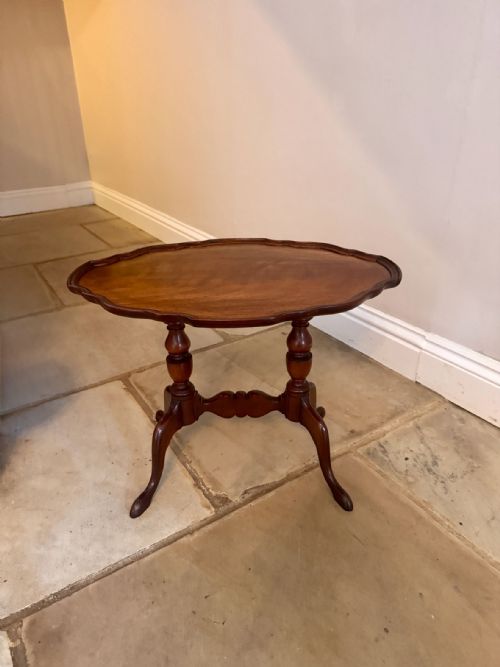
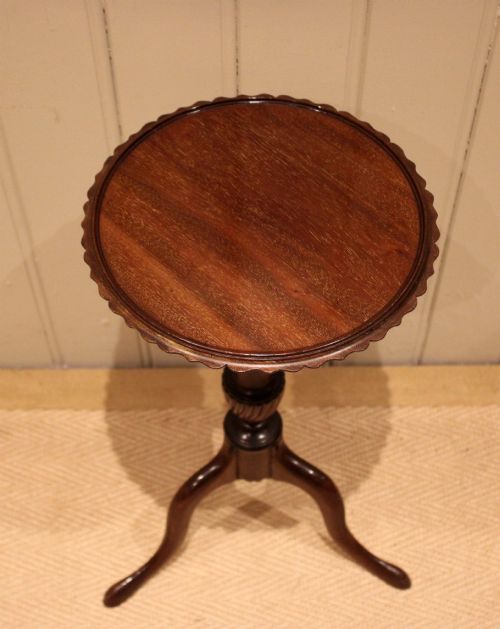
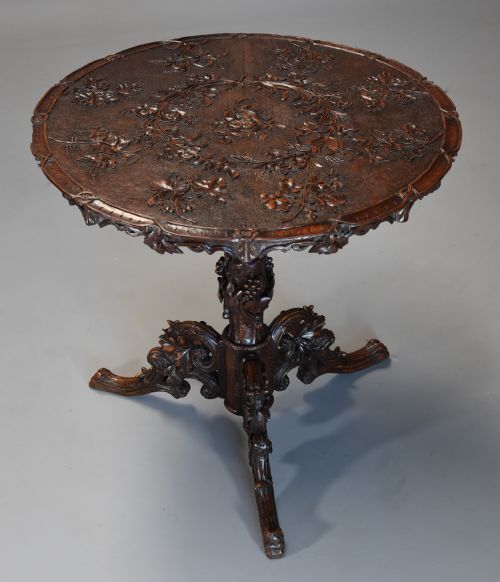
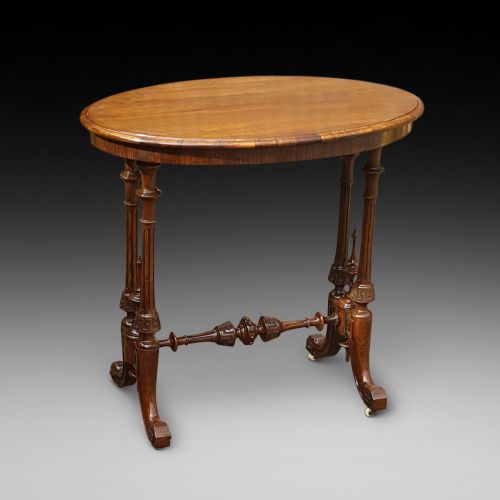
A carved timber wine table is a compact occasional piece designed for holding drinks or small objects, appearing in forms such as tripod tables, side tables, and centre tables. You will frequently encounter Victorian and Edwardian examples alongside specific regional expressions like Black Forest and Chinese occasional tables.
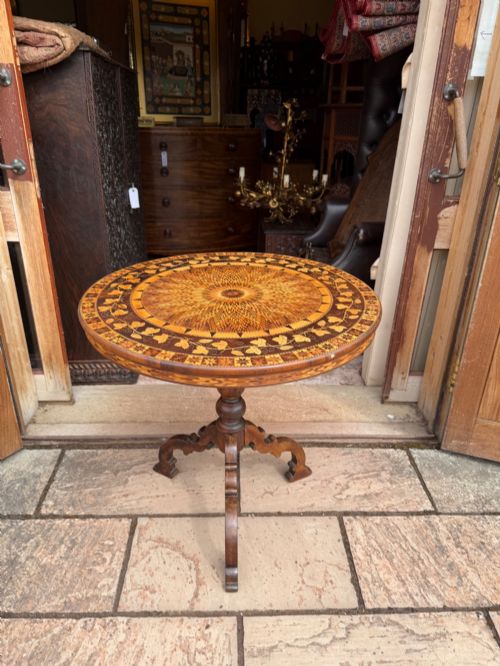
The selection ranges from simple hardwood tripod tables to elaborately sculpted linden wood and teak designs. These pieces often feature circular tops supported by carved pedestals, reflecting the stylistic preferences of the nineteenth and early twentieth centuries.
Makers and workshops utilised various timbers, shaping them into functional items that doubled as decorative focal points. The pieces available demonstrate a rich mix of revival styles and vernacular traditions.
How they were made
Craftsmen built these tables using hardwoods such as mahogany, rosewood, oak, walnut, and teak, often combining solid timber with wood veneer. Construction methods included traditional joinery to secure tripod bases and pedestals to circular or shaped tops.
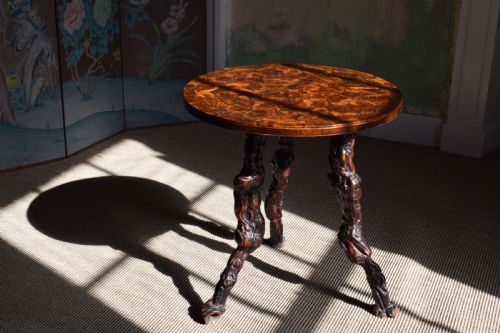
Surface ornamentation relied heavily on hand carving, seen in the profuse detailing of Black Forest linden wood and the intricate motifs of Chinese hardwood and Japanese tables. Inlaid elements and sculptural grape vine designs further demonstrate the manual skill involved in their creation.
Carved Timber Wine Table Retail Price Guide 2026
Typical asking prices for carved timber wine table among the pieces listed under this phrase on Sellingantiques today, from the lower quarter to the upper quarter. They describe what is for sale here now, not the wider market.
The selection includes varied materials such as brass, hardwood, rosewood, mahogany, oak, walnut, and regional timber.
What varies in quality
Quality in a carved timber wine table rests on the depth and crispness of the hand carving, where deeply undercut foliage or figurative elements display superior artisan control. The choice of timber also dictates the standard, with dense woods like rosewood and figured walnut holding intricate details better over time.
Stability and proportion separate the finer examples from simpler vernacular pieces, ensuring the tripod base supports the top evenly. The integrity of the joints and the finesse of any inlaid work reveal the original maker's level of care.
Liberty of London·Anton Seuffer
The Carved Timber Wine Table Glossary
- Tripod table
- A small table supported by a pillar on three legs. This construction prevents wobbling on uneven floors.
- Tilt-top
- A table top hinged to the pedestal so it can be tipped vertically when not in use. This allowed the furniture to be stored flat against a wall.
- Black Forest
- A style of carving originating from the mountainous region of Central Europe, typically featuring naturalistic animals, foliage, and linden wood. These pieces are known for their sculptural realism.
- Japonisme
- The study of Japanese art and design that influenced Western makers during the late nineteenth century. It manifests in asymmetrical compositions and specific botanical motifs.
Carved Timber Wine Table: Frequently Asked Questions
Where should I place a wine table?
These compact tables fit easily beside an armchair or sofa, holding a book, drink, or small lamp without crowding the room.
They also serve well in hallways or empty corners where a larger piece of furniture would not fit.
How do I clean timber tables?
Dust the surface regularly with a soft, dry cloth to prevent dirt from settling into the carved recesses and grain.
Avoid using harsh chemical sprays or excess water, applying a suitable beeswax periodically to nourish the wood.
Can these tables hold heavy objects?
Tripod tables and wine tables are generally designed for light items like drinks, small lamps, or decorative ornaments.
Placing heavy books or large statues on them can destabilise the central pedestal and strain the leg joints.
How do I date a timber table?
Examine the timber species, construction methods, and stylistic cues such as Victorian revival patterns or Edwardian simplicity.
Tool marks and the type of fixings used underneath the top often provide clues to the period of manufacture.