



Swedish Rococo Furniture
Swedish rococo furniture brings asymmetric grace and lighter Nordic proportions into a room, offering functional elegance through carved commodes and seating.
Swedish Rococo Furniture
How They Were Made
Carpenters utilised native and imported timbers including birch, pine, fruitwood, and burr walnut to construct these pieces. Applied brass hardware frequently complements the timber and painted wooden surfaces.
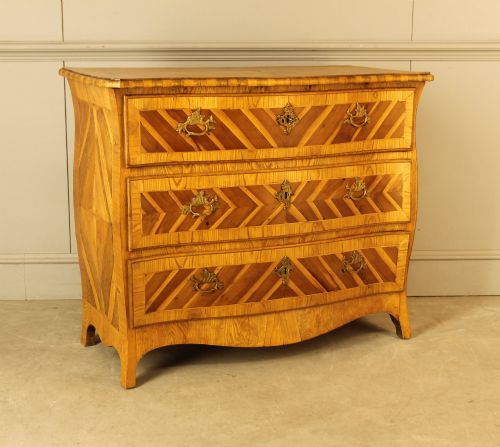
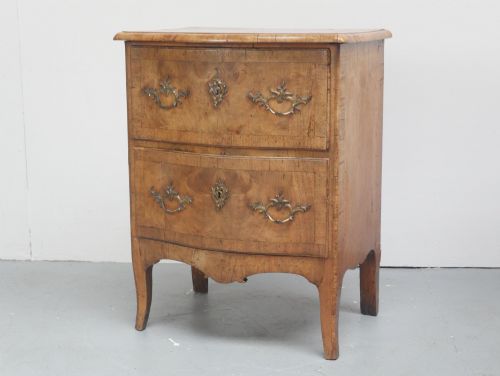
Makers shaped the wood into undulating serpentine fronts and bombe profiles, applying paint layers directly to pine or fruitwood carcasses. Skilled joinery allowed the creation of small chests and tea tables with complex curved lines.
Alder root timber makes a surprise appearance in nineteenth-century occasional tables, proving that cabinetmakers used whatever striking local burls came to hand.
What Varies in Quality
The sophistication of the carved lines and the execution of the serpentine form define the upper tier of these items. Finer examples display harmonious proportions across the curves of the drawers and the stance of the supports.
Surface preservation significantly influences the character of each piece, distinguishing items with preserved original paint from later interpretations. The choice of timber veneer, such as burr walnut or figured birch, also marks the distinction between standard and more ambitious workshop productions.
The Swedish Rococo Furniture Glossary
- Bombe
- A bulging, outward-curving shape found on the front and sides of eighteenth-century chests of drawers. This silhouette requires advanced woodworking skill to achieve balanced proportions.
- Serpentine
- A furniture front or edge that curves inward centrally and outward at the ends in a continuous wave line. It defines many commodes and occasional tables from this regional tradition.
- Commode
- A low chest of drawers designed for domestic storage, often serving as a principal decorative furniture item in a room. Eighteenth and nineteenth-century versions frequently feature elaborate wood grain or painted decoration.
- Gustavian
- The Swedish neoclassical style that followed the rococo period, known for restrained straight lines and lighter decorative motifs. Elements of this aesthetic sometimes blend with regional revival pieces.
Swedish Rococo Furniture: Frequently Asked Questions
What is swedish rococo furniture?
These items are eighteenth-century and nineteenth-century decorative pieces originating from Scandinavia, encompassing seating, tables, and storage chests.
They reflect European rococo design adapted to northern proportions, frequently utilising local timbers and painted finishes.
How do I date a chest of drawers?
Dating relies on examining construction methods, timber choices, and stylistic markers such as serpentine fronts or revival characteristics from the nineteenth century.
Original painted surfaces and secondary woods inside the drawers also offer clues regarding the period of manufacture.
Were these pieces painted originally?
Many items from this region were finished with paint layers over pine or fruitwood to brighten dark interiors during long winters.
Surviving examples often retain these historic painted surfaces, which have acquired a distinct patina over time.
How do I live with a commode?
A serpentine commode functions well as a focal storage piece in a hallway, bedroom, or living space, offering surface area for display.
Keep such wooden items away from direct heat sources and sudden humidity changes to protect the finish and structure.