

Swedish Painted Furniture
When you want Swedish painted furniture, you are looking at pine chests, commodes and tables finished in pale or earthy coats that bring northern light into a room.

Swedish Painted Furniture
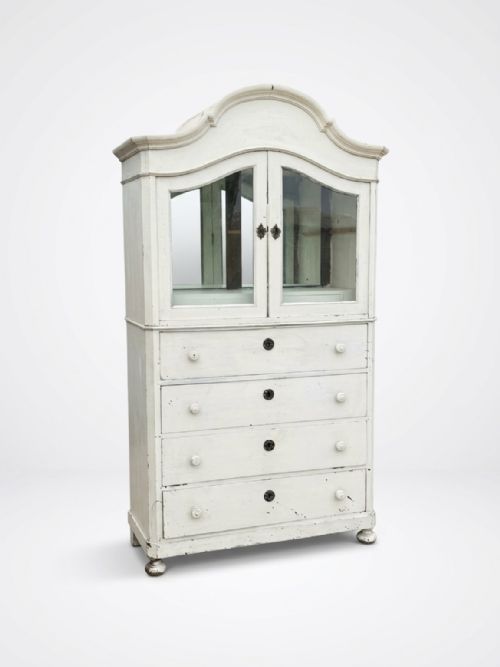
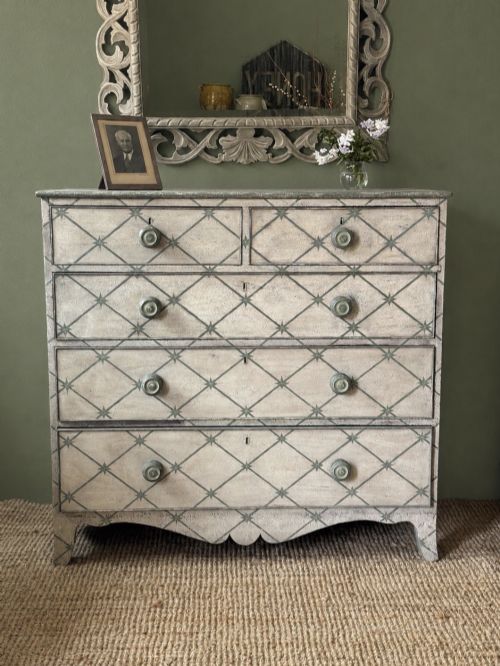
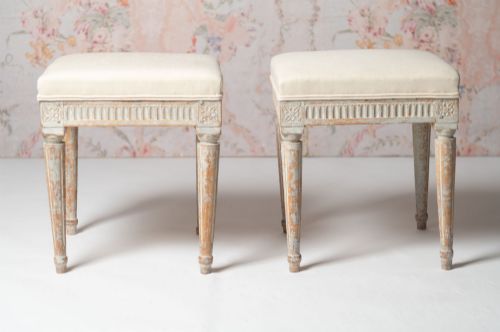
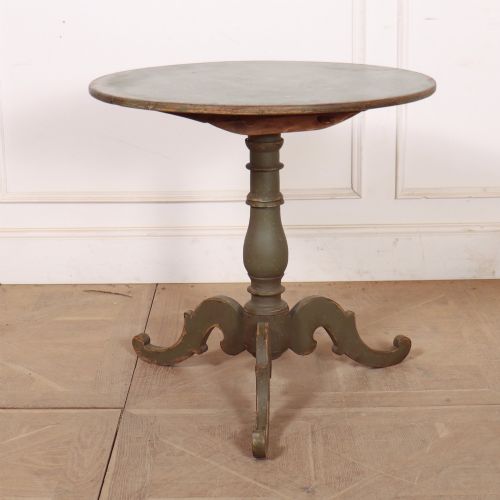
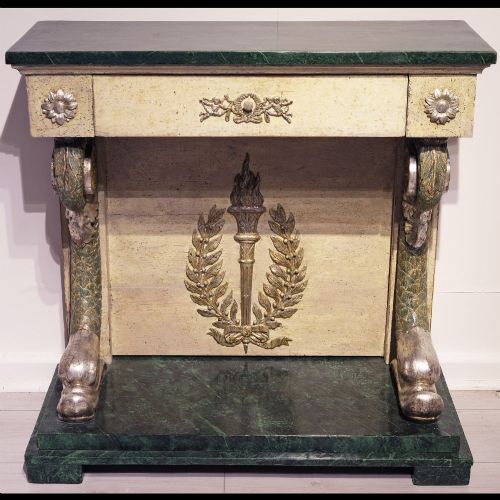
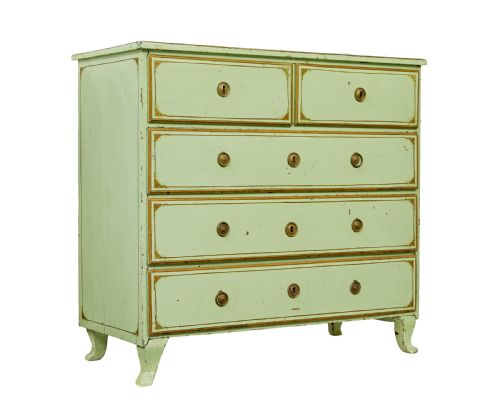
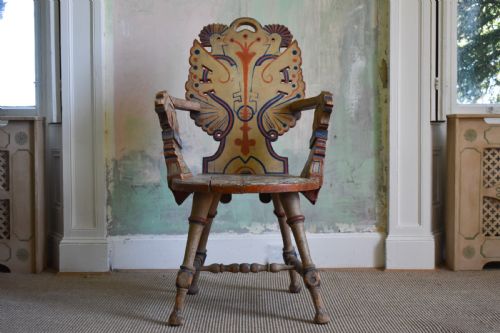
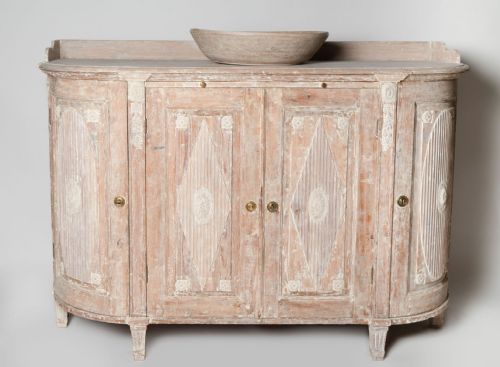
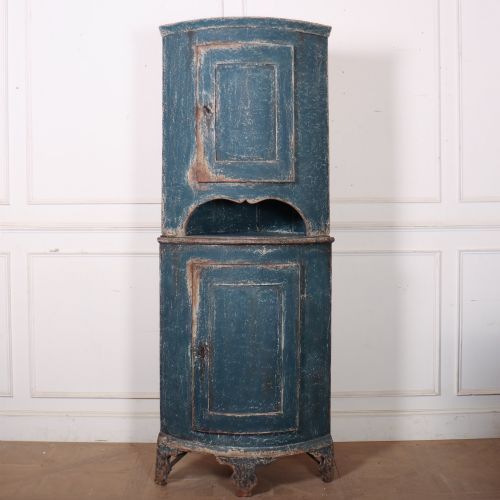
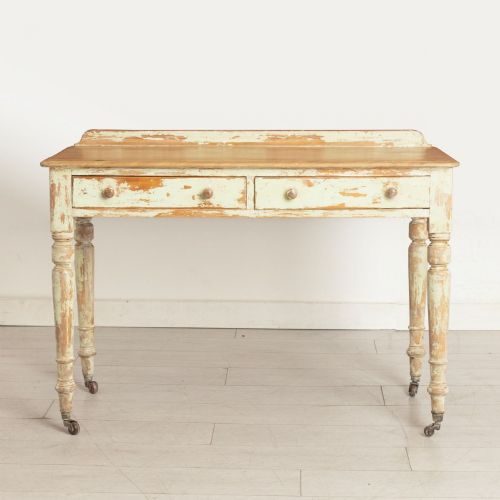
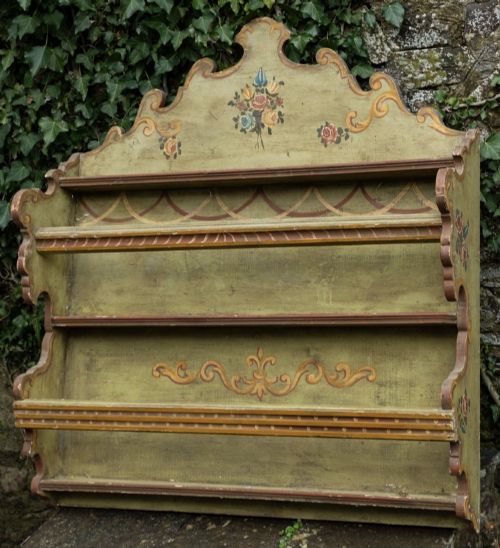
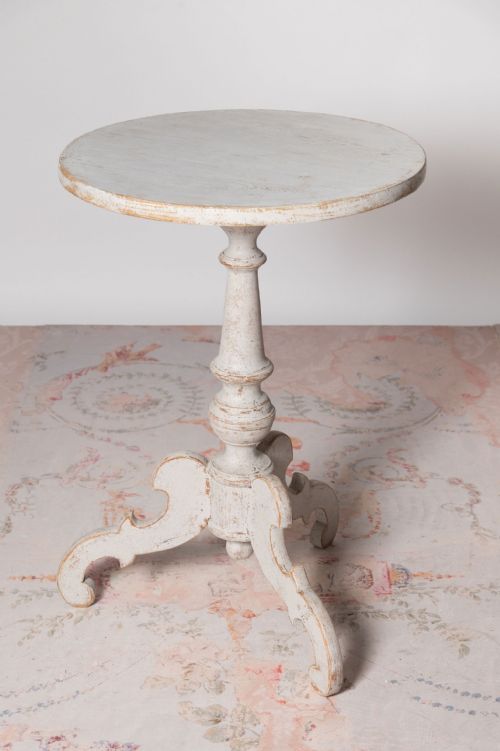
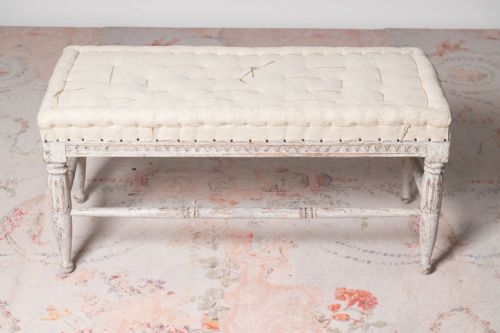
Swedish painted furniture encompasses pine chests of drawers, commodes, tables and cupboards originating from the eighteenth and nineteenth centuries. The selection here leans heavily towards nineteenth century pine pieces finished in original paint, alongside neoclassical Gustavian designs and rustic folk art forms.
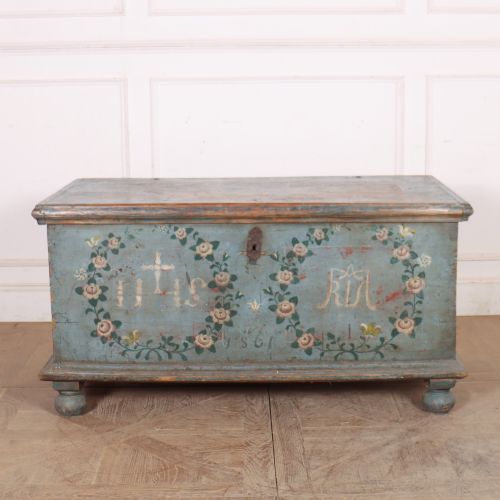
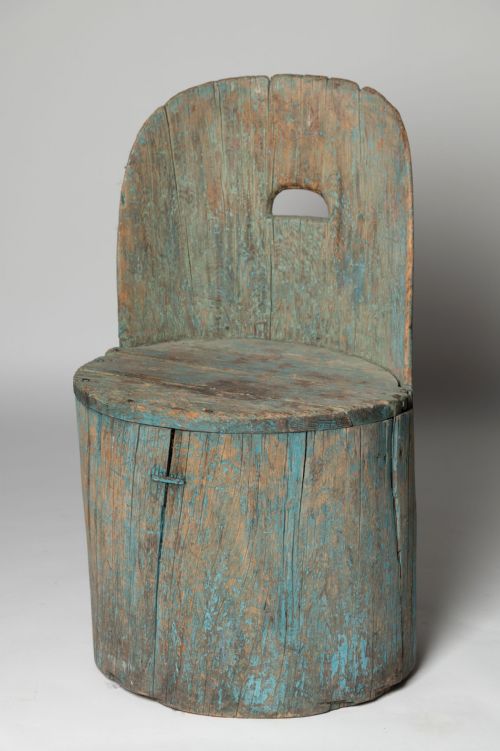
Buyers will encounter functional domestic items ranging from side tables and corner cupboards to marriage chests and armchairs. These objects served everyday rural and urban life in Scandinavia before finding favour in contemporary interiors for their clean lines and muted colour palettes.
How they were made
Makers relied primarily on native pine, chosen for its availability and workability, supplemented occasionally by birch for specific forms like writing tables. Surfaces were prepared and finished with traditional paints, including Falu red and layered lead-based or oil paints that aged to soft patinas.
Construction techniques combined simple joinery with decorative surface treatments, such as faux marble tops, simulated graining or hand-painted details. Iron and brass hardware completed the pieces, fastening doors and drawers built for daily use.
Swedish Painted Furniture Retail Price Guide 2026
Typical asking prices for swedish painted furniture among the pieces listed under this phrase on Sellingantiques today, from the lower quarter to the upper quarter. They describe what is for sale here now, not the wider market.
Listings span the eighteenth century to the twentieth century, uniting Gustavian neoclassicism with rustic Scandinavian folk art and Victorian country pine forms.
What varies in quality
Quality rests significantly on the integrity of the surface finish, distinguishing pieces retaining their original scraped or layered paint from later overpainting. The subtlety of hand-applied decoration, such as folk art motifs or Gustavian fluting, separates standard utility work from finer craftsmanship.
Proportion and structural survival also dictate distinction, as pieces with balanced serpentine fronts, commode curves or untouched pine bodies hold greater visual strength. The honesty of the timber and the restraint of the decorative carving or turning reveal the maker's hand.
Gemla Fabrikers
The Swedish Painted Furniture Glossary
- Gustavian
- The Swedish neoclassical style spanning the late eighteenth century, characterised by restrained classical motifs, fluted columns and pale painted finishes. It draws direct inspiration from French Louis XVI design adapted to northern tastes.
- Commode
- A low chest of drawers or cabinet, often featuring serpentine or bowfront shapes in these Scandinavian examples. They frequently display fluted drawer fronts or decorative painted panels.
- Slagbord
- A traditional Swedish drop-leaf dining table with hinged flaps supported by swing legs. These tables offered practical space-saving utility in smaller northern homes.
- Falu paint
- A deep red or earthy paint derived from copper mine waste in Falun, Sweden, widely used to protect and colour timber buildings and furniture. It provides a distinct matte finish that weathers over time.
- Marriage chest
- A storage trunk traditionally gifted to a bride, often marked with dates, initials or folk art painting. These boxes served both ceremonial and practical storage functions in rural households.
Swedish Painted Furniture: Frequently Asked Questions
How do I identify Gustavian furniture?
Gustavian pieces display neoclassical restraint, featuring straight tapered legs, carved fluting and pale monochrome or grey painted surfaces. They emerged during the late eighteenth century under French influence.
Look for architectural symmetry, ribbon-twist carvings and urn motifs rather than heavy dark woods. The aesthetic prioritises light reflection in northern interiors through chalky, layered paint finishes.
Is original paint important on these pieces?
Original paint surface is the single most defining characteristic for collectors of Scandinavian painted items. It preserves the authentic patina and history of the object.
Scraped surfaces revealing earlier layers or undisturbed mellowed topcoats add character and value. Modern repainting lacks the natural wear and depth accumulated over centuries of use.
What is Falu red paint?
Falu red is a traditional Swedish paint made from copper mining residue, linseed oil and flour. It offers high durability and a distinct matte reddish hue.
While commonly seen on timber houses and barns, it also appears on functional kitchen tables and rustic furniture. The pigment creates a breathable surface that ages gracefully.
Where were these pieces used originally?
These items populated Swedish farmhouses, country estates and urban townhouses alike. They provided essential domestic storage and surfaces for dining, writing and food preparation.
Simpler pine objects served rural folk communities, while commodes and Gustavian consoles furnished wealthier homes. Their sturdy construction suited the practical demands of Scandinavian domestic life.