



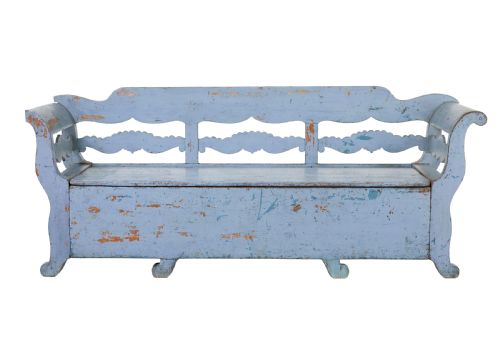


Swedish Painted Bench
A swedish painted bench brings restrained Nordic light and practical seating to an interior through pale painted surfaces and timeless pine forms.
Swedish Painted Bench
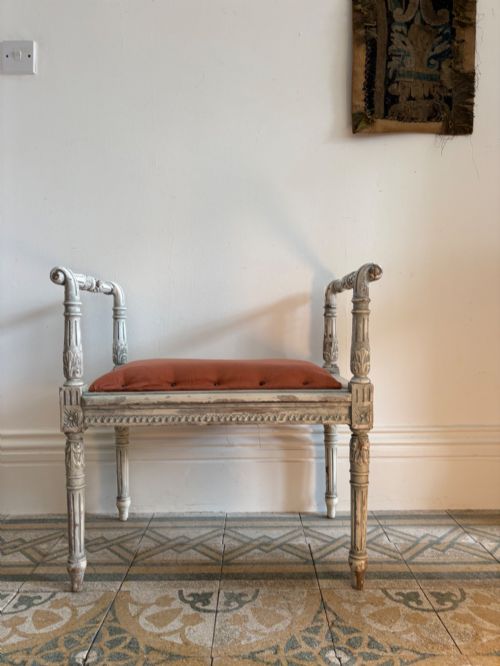
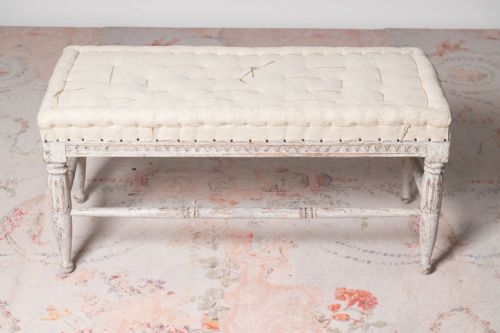
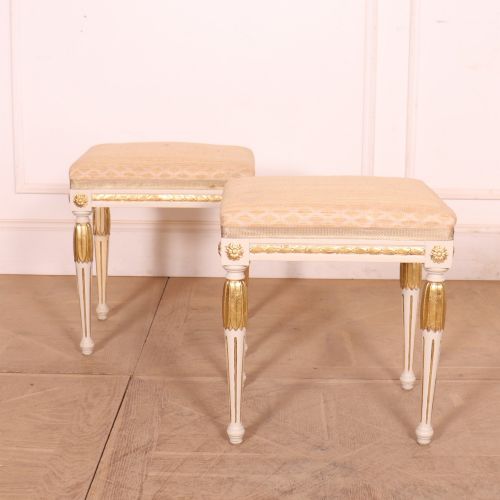
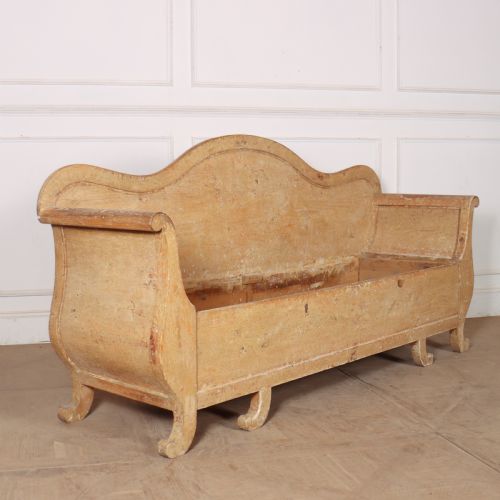
A swedish painted bench encompasses seating forms ranging from simple kitchen settles and storage benches to elegant neoclassical settees. The pieces appearing here span the eighteenth, nineteenth and early twentieth centuries, reflecting both rustic country traditions and refined urban styles.
Makers and workshops produced these benches primarily in pine, applying layers of pale paint that often show pleasing patination from decades of use. Buyers encountering this phrase will find sturdy functional seating designed for domestic spaces, incorporating stylistic influences such as Gustavian, Rococo and Scandinavian country.
How they were made
Craftsmen built these pieces predominantly using solid pine, shaping boards with hand tools and joining structural elements with traditional pegged mortise and tenon joints. Upholstered variants integrated textiles like silk, linen, hessian or fabric over simpler stuffing.
The characteristic finish involved the application of multiple coats of oil or water-based paint, frequently in white, grey or soft muted tones. Over generations, this painted surface developed a natural wear pattern that reveals underlying layers and grain.
Listings feature pine and painted wood constructions across the eighteenth and nineteenth centuries, alongside complementary items like dining preparation tables.
What varies in quality
Quality rests in the integrity of the original timber frame and the survival of early or untouched paint surfaces. Pieces retaining their original decorative schemes and structural proportions command greater appreciation than those stripped or heavily overpainted.
Proportion and architectural detail separate standard utility pieces from sophisticated examples influenced by Gustavian neoclassicism or Rococo design. Finer construction exhibits balanced turnings, crisp carved elements and harmonious integration between the seat and backrest.
John Tesch
The Swedish Painted Bench Glossary
- Gustavian
- The Swedish neoclassical style spanning the late eighteenth and early nineteenth centuries, characterised by restrained symmetry and classical motifs. It draws inspiration from French Louis XVI design adapted to Nordic tastes.
- Settle
- A wooden wooden bench featuring a high back to block draughts, solid arms and often a box seat for storage. This traditional form provided essential seating in historical domestic interiors.
- Settee
- An upholstered or wooden double seat sharing characteristics with both chairs and sofas. Eighteenth and nineteenth-century examples often display refined stylistic details suited for formal reception rooms.
- Hessian
- A coarse woven fabric typically manufactured from jute or hemp fibres, utilised historically for upholstery foundations or backing. It appears frequently in traditional seating construction.
- Patina
- The surface sheen and textural alteration acquired by wood and paint through age, handling and light exposure. This quality indicates authenticity and historical depth.
Swedish Painted Bench: Frequently Asked Questions
How do I date a painted bench?
Dating relies on examining construction marks, timber preparation methods, and the composition of underlying paint layers. Hand-sawn boards and early joinery techniques point towards eighteenth or early nineteenth-century origins.
Stylistic cues such as Gustavian proportions or neoclassical carved details further narrow the period of manufacture. Comparing these elements with documented examples helps establish a reliable timeline.
Where were these benches used originally?
These seating forms served multiple purposes across different rooms in Swedish homes, from farm kitchens to formal drawing rooms. Storage benches and settles provided functional utility near hearths and dining areas.
More decorative settees furnished reception spaces where light reflection from pale painted surfaces enhanced the room. Their versatility ensured a central place in daily domestic life.
How do I care for original paint?
Preserving historical paint surfaces requires avoiding harsh chemical cleaners and modern abrasives that strip fragile pigment layers. Dusting gently with a dry, soft cloth prevents particulate buildup without disturbing the finish.
Maintaining stable indoor humidity levels protects both the pine substrate and the brittle paint layers from cracking or flaking. Direct sunlight should be minimised to prevent fading of soft historical tones.
What distinguishes Gustavian style?
Gustavian design introduced French neoclassical symmetry and lightness to Swedish furniture, replacing heavier baroque forms. This aesthetic favoured straight tapered legs, fluted columns, and muted paint palettes dominated by white and grey.
The style prioritised proportion and understated elegance, making it highly adaptable to various interior schemes over the centuries.