


Swedish Gustavian Furniture
Swedish gustavian furniture brings light and neoclassical proportion into a room through pale painted finishes and restrained carved detail.
Swedish Gustavian Furniture
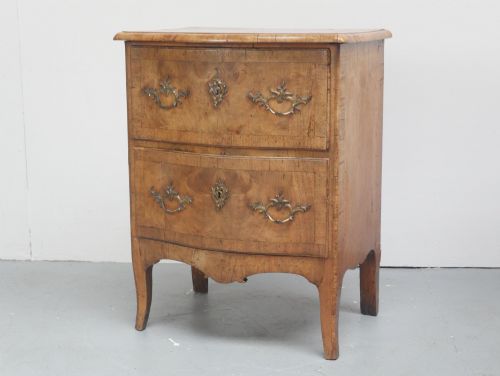
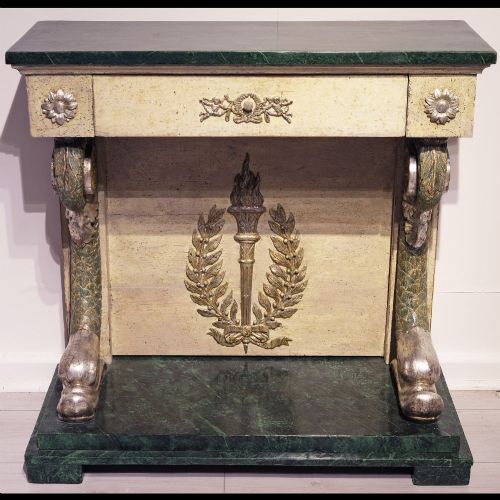
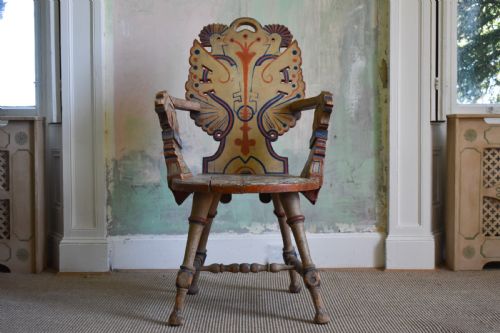
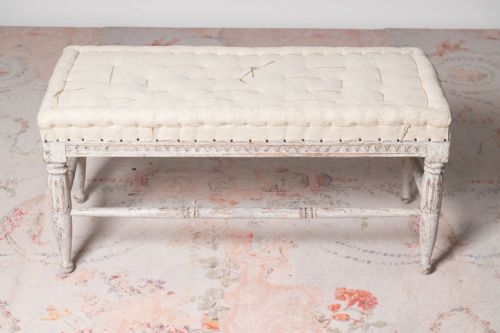
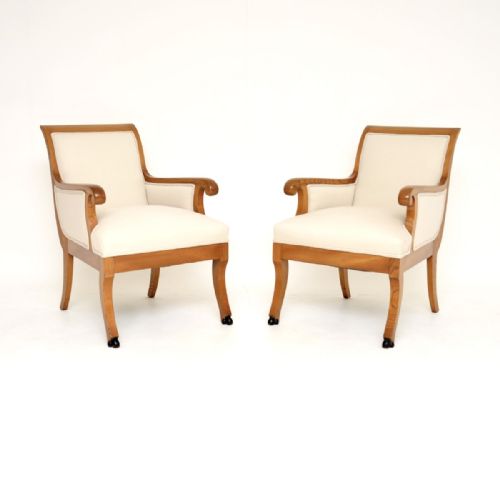
Swedish gustavian furniture encompasses practical domestic pieces shaped by eighteenth-century neoclassical design and later nineteenth-century revivals. Buyers encounter everything from serpentine commodes and chests of drawers to console tables, armchairs, and benches.
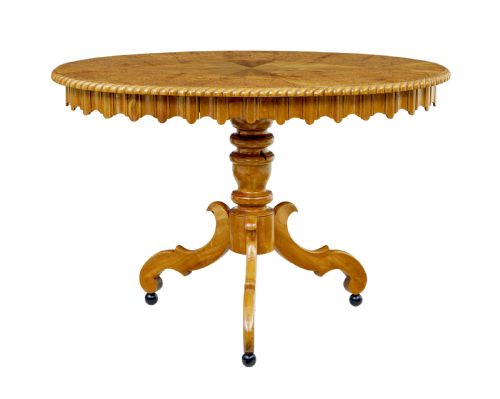
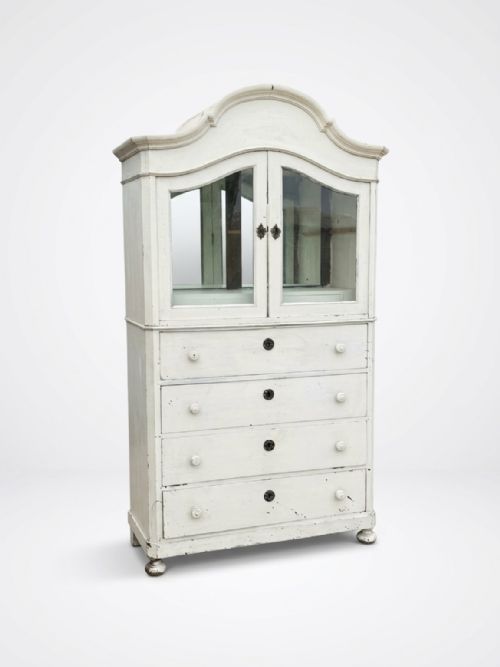
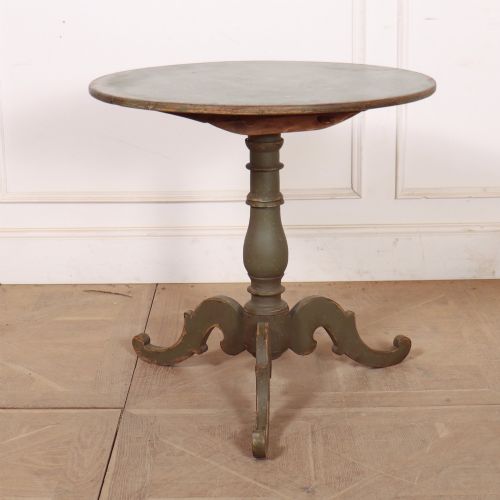
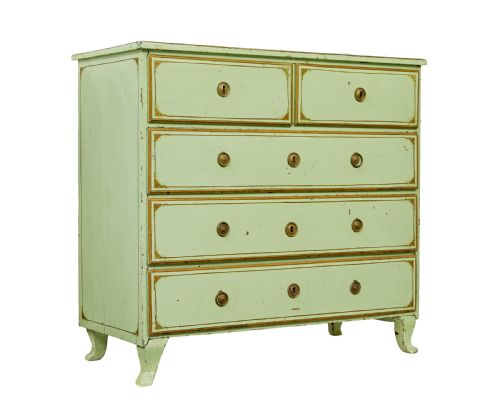
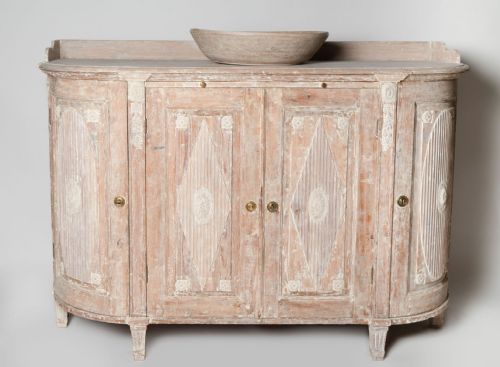
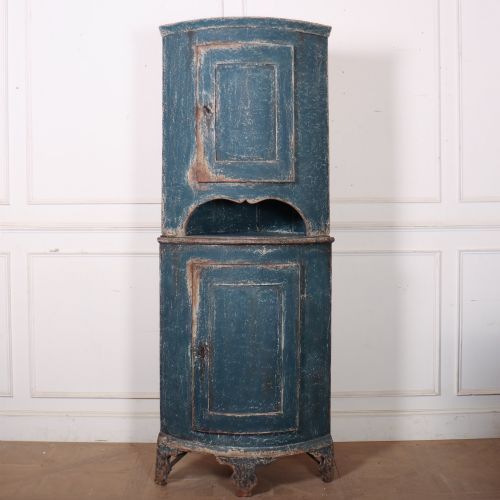
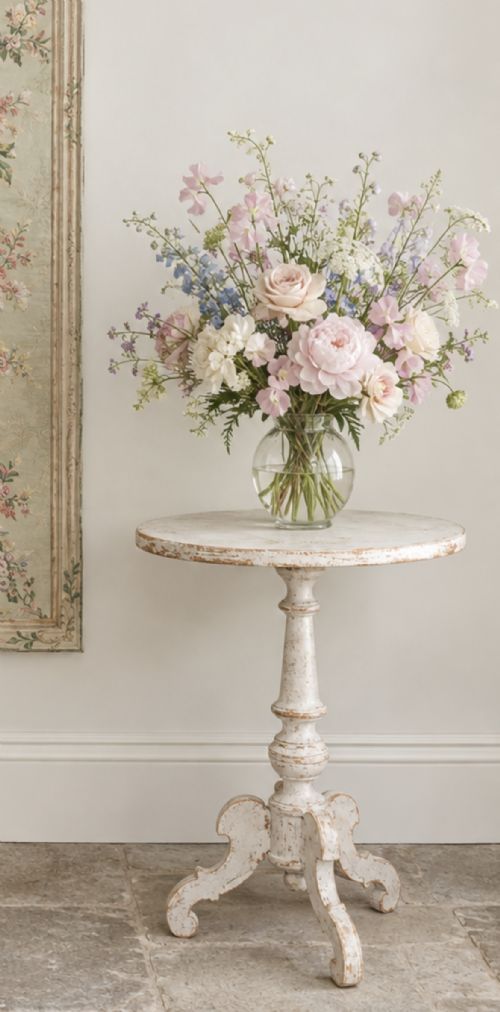
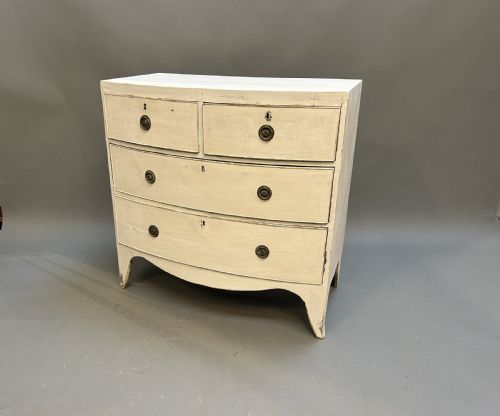
The version most commonly met on this page is the painted pine or birch chest of drawers and commode, often featuring fluted drawer fronts or demi-lune proportions. Alongside these storage pieces, occasional tables and corner cupboards appear frequently from the eighteenth and nineteenth centuries.
Materials and Construction
Makers utilised native timber, predominantly pine and birch, building solid carcases and framing to withstand daily use. Elm, mahogany, and ash also occur in select chairs and tables, while marble provides durable surfaces for bedside cabinets.
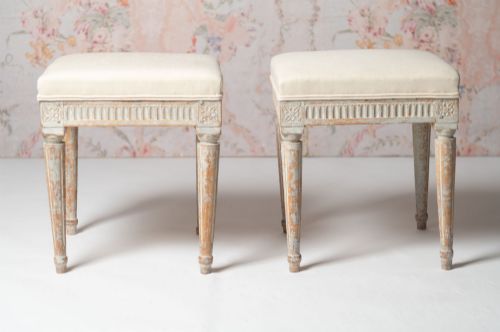
Surfaces received layers of paint, often applied to pine or birch to create a pale finish that reflected available daylight in northern interiors. Brass hardware and iron fittings secured drawers and doors, complementing the carved woodwork.
A tiny highchair waits quietly among the cupboards and commodes, reminding us that even neoclassical households had very small occupants.
Judging Quality
Quality rests in the crispness of the carving and the integrity of the painted surface, distinguishing pieces finished with original scraped paint from later interventions. Proportions matter profoundly, separating balanced neoclassical design from heavier vernacular interpretations.
The choice of timber creates a distinct hierarchy, where finely figured burr birch or satin birch elevates a commode or table above standard softwood construction. Joinery execution and the preservation of period brass fittings complete the distinction.
The Swedish Gustavian Furniture Glossary
- Commode
- A low chest of drawers or cabinet, often featuring serpentine or bowfronted profiles. These pieces frequently display painted finishes or marble tops.
- Gustavian
- The Swedish neoclassical style spanning the late eighteenth century, characterised by restrained symmetry and classical motifs. It draws inspiration from French Louis XVI design adapted to Scandinavian tastes.
- Slagbord
- A traditional Scandinavian dropleaf dining table supported by swinging wooden gates. These tables offer flexible surface space in domestic interiors.
- Demilune
- A half-moon shape utilised in the design of console and side tables. This profile allows furniture to sit flush against a wall in compact spaces.
Swedish Gustavian Furniture: Frequently Asked Questions
How do I care for painted Swedish furniture?
Dust surfaces gently with a dry, soft cloth and avoid chemical cleaning agents that might degrade original paint layers.
Keep pieces away from direct heat sources and strong sunlight to prevent the timber from warping and the painted finish from fading.
Where were these pieces originally used?
These items furnished townhouses and country estates across Sweden, serving practical roles in bedrooms, reception rooms, and hallways.
Their pale finishes were specifically developed to maximise natural light in long northern winters.
How do I distinguish eighteenth-century pieces from later revivals?
Examine the construction methods, tool marks inside drawers, and the composition of the paint layers for signs of age. Eighteenth-century examples display hand-cut joinery and period hardware that differ from nineteenth-century revival manufacturing.
Stylistic proportions also shift, with earlier items maintaining strict neoclassical restraint.
Can I use a commode as a bedside table?
Smaller commodes, bedside cabinets, and lamp tables adapt readily to modern bedroom layouts for bedside storage.
Their drawer depth and surface area accommodate lighting and evening essentials while adding period character to the room.