

Swan Neck Cabinet
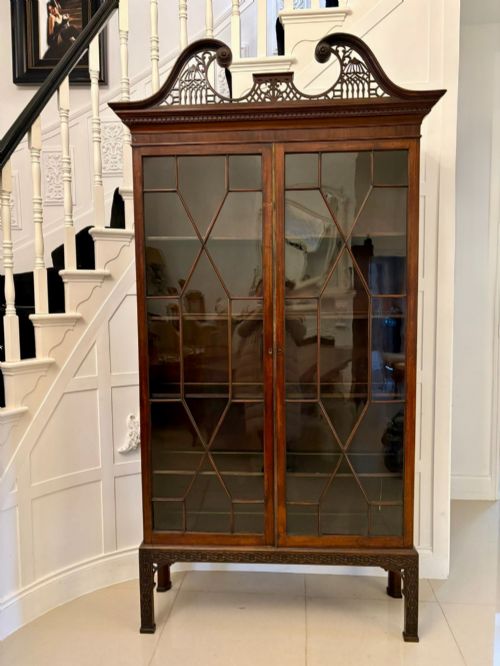
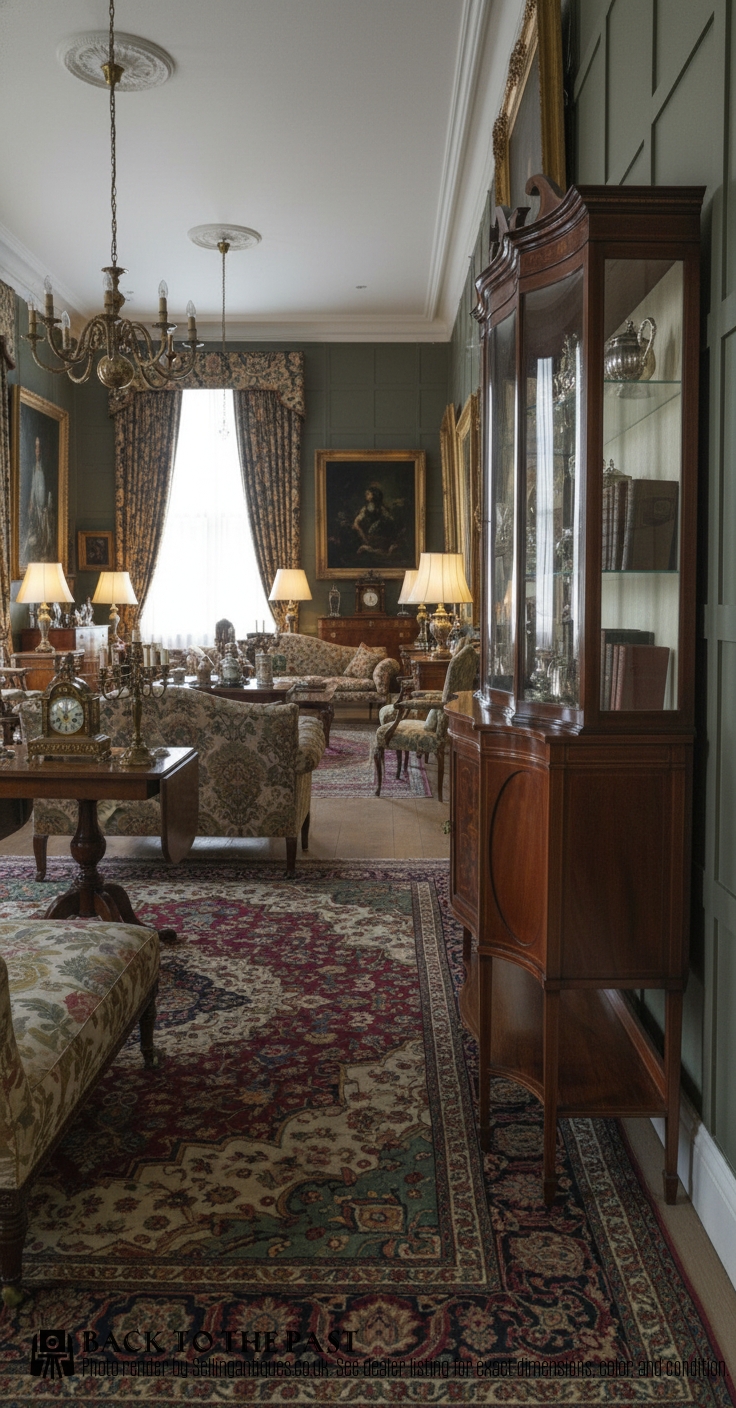
When you want a swan neck cabinet, you are looking for timeless timber cabinetry topped with a swan neck pediment, built to hold books, china or glassware.
Swan Neck Cabinet
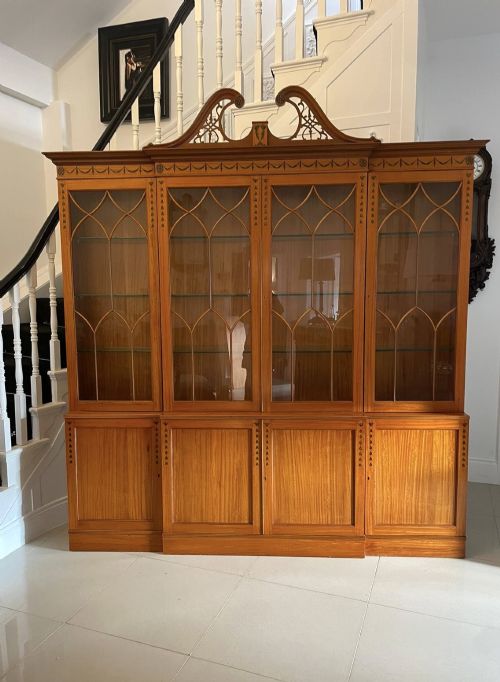
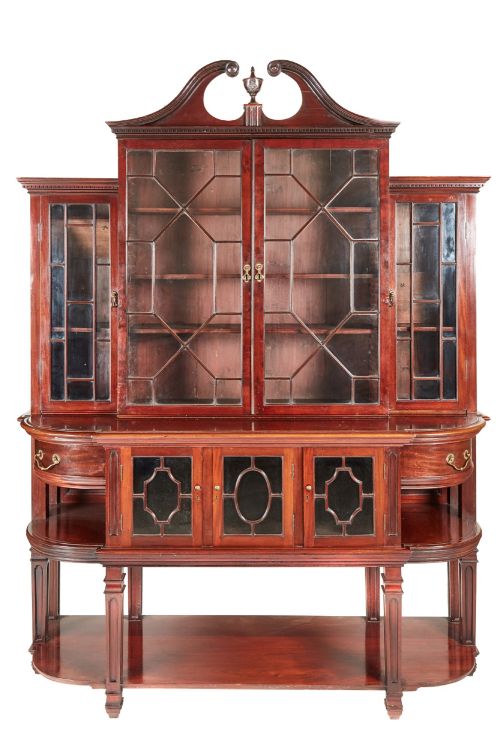
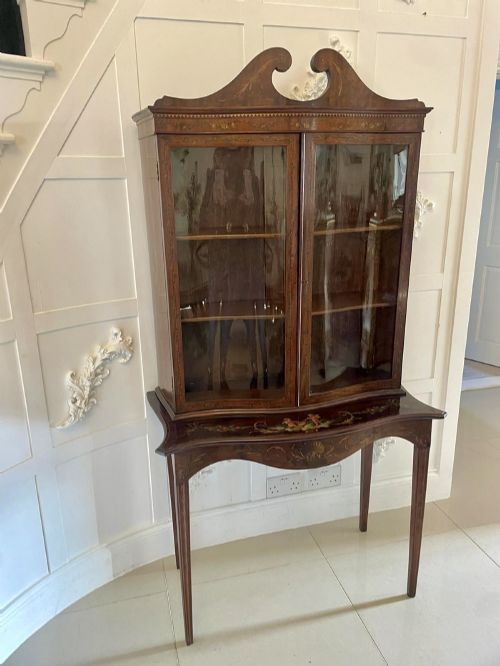
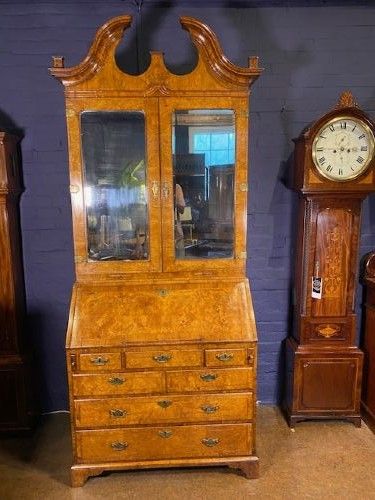
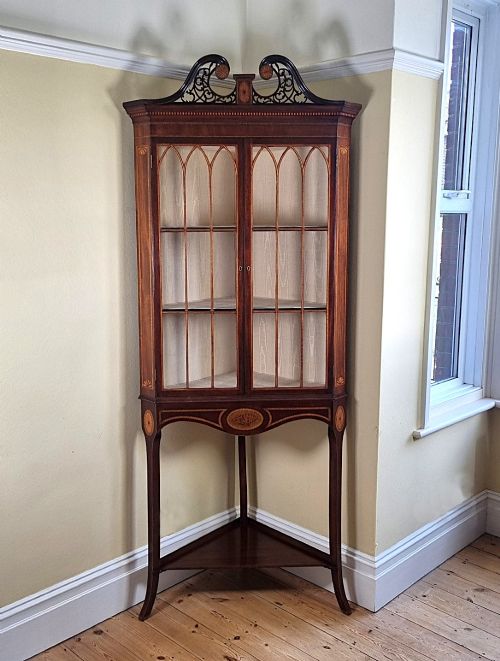
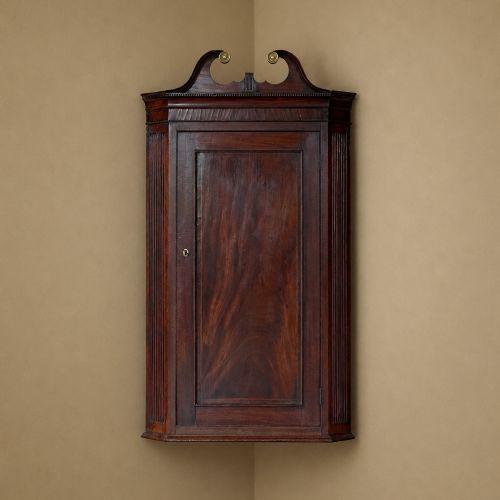
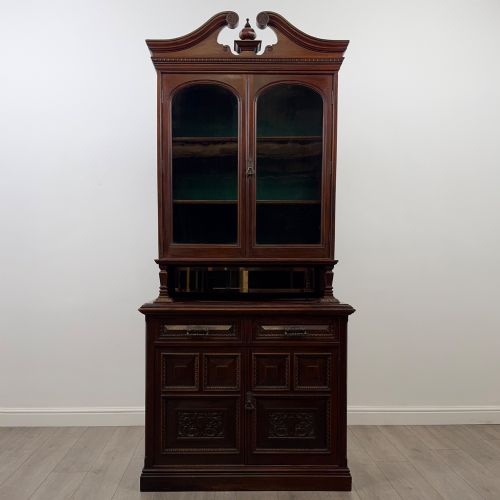
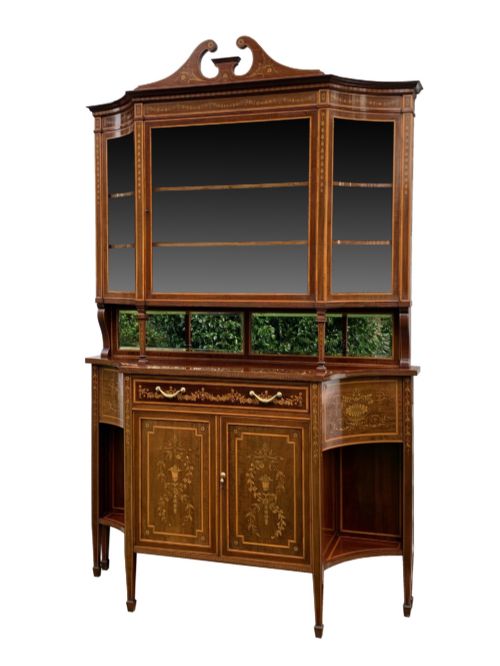
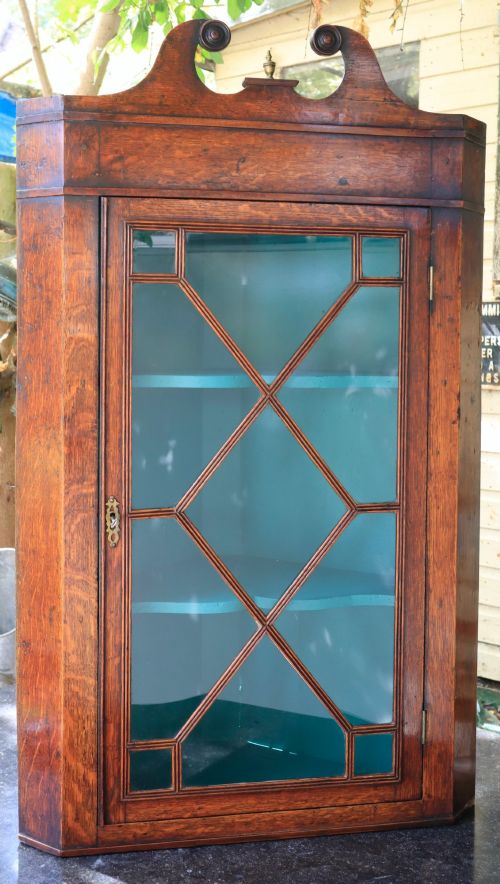
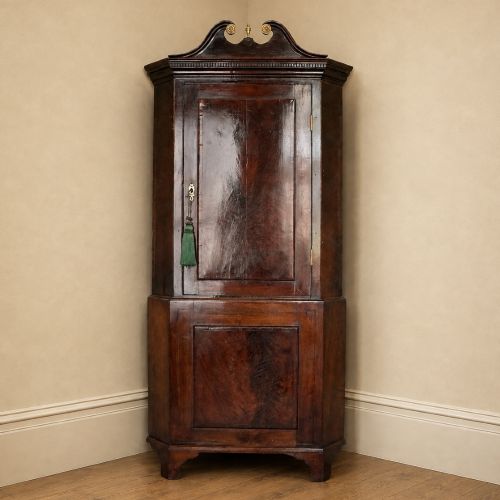
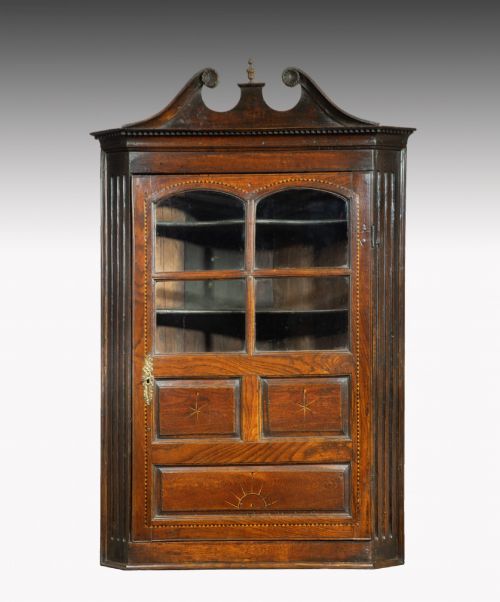
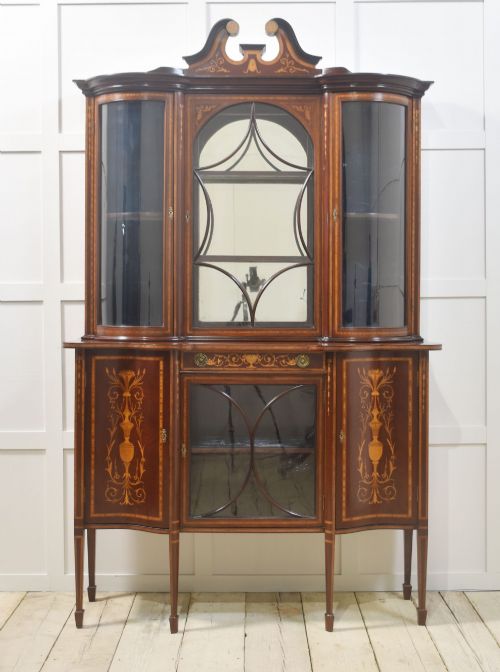
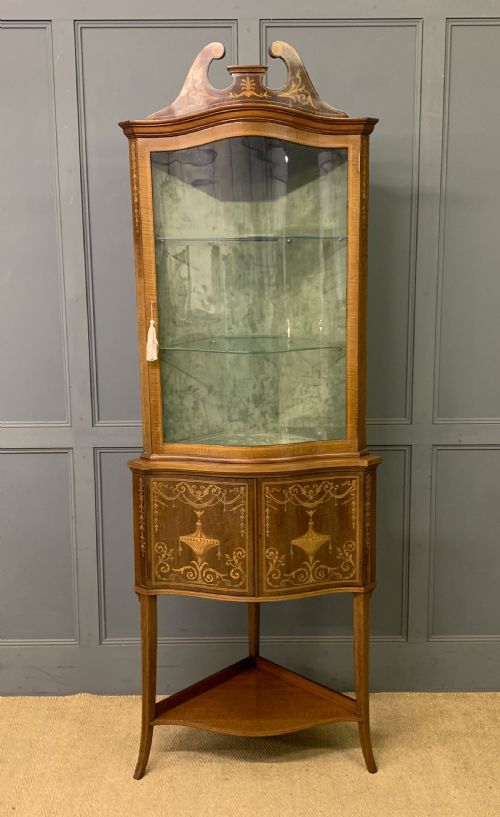
A swan neck cabinet brings together stately timber storage and a distinctive scroll-ended pediment, often referred to as a broken arch or swan neck cornice. When you search for a swan neck cabinet, you encounter sturdy Georgian corner cupboards, freestanding breakfront bookcases and tall bureau bookcases spanning the eighteenth, nineteenth and twentieth centuries.
The pieces appearing on this page showcase forms originating primarily from the Georgian, Victorian and Edwardian eras. Corner cupboards and hanging wall cabinets dominate the earlier Georgian iterations, while larger glazed breakfront bookcases and inlaid display cabinets emerge strongly in nineteenth and twentieth-century examples.
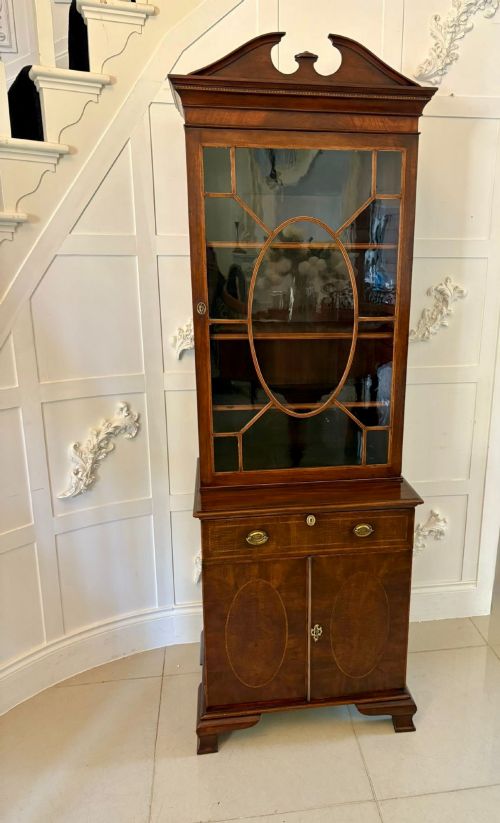
Makers and cabinetmakers working across these periods utilised architectural proportions, often pairing glazed upper doors with panelled lower cupboards or secretaire drawers. These items served practical domestic purposes in sitting rooms, libraries and hallways, functioning simultaneously as storage units and display spaces.
How they were made
Craftsmen built these cabinets predominantly using solid timber and rich veneers, with mahogany serving as the primary material alongside satinwood, oak, rosewood and walnut. Glass panels, frequently held in place by wooden astragal bars, protect the contents of the upper display sections.
Makers incorporated delicate decorative techniques such as marquetry inlay, painted decoration and brass hardware to enhance the polished surfaces. The characteristic swan neck pediment required skilled joinery to shape the scrolling wooden curves above the main cornice.
Swan Neck Cabinet Retail Price Guide 2026
Typical asking prices for swan neck cabinet among the pieces listed under this phrase on Sellingantiques today, from the lower quarter to the upper quarter. They describe what is for sale here now, not the wider market.
Some past pieces paired grand architectural pediments with diminutive ovoid vase bodies, proving the Victorians applied swan necks to almost anything.
What varies in quality
The standard of a swan neck cabinet rests on the choice of timber and the precision of its construction, particularly in the figuring of flame mahogany veneers and the crispness of inlaid details. Superior examples display carefully matched wood grains across large surfaces and finely proportioned scrollwork on the pediment.
Interior fittings, original glass panes and the execution of structural joinery distinguish finer pieces from simpler utilitarian storage. Cabinets featuring intact original painted decoration or complex astragal glazing bars reflect a higher tier of cabinetmaking skill.
Edwards and Roberts
The Swan Neck Cabinet Glossary
- Swan neck
- A pediment featuring a broken cornice that curves upward and inward like the neck of a swan, often ending in a carved scroll or patera.
- Astragal
- A moulding profile used to hold panes of glass in a window or cabinet door, creating a grid pattern across the display area.
- Breakfront
- A piece of furniture where the central section projects forward from the flanking wings, adding architectural depth to large bookcases.
- Secretaire
- A cabinet or bureau containing a pull-down writing flap that conceals small drawers and pigeonholes.
- Marquetry
- Decorative veneer work formed by fitting together small pieces of tinted wood, shell or ivory to create pictorial or geometric designs.
Swan Neck Cabinet: Frequently Asked Questions
What is a swan neck cabinet?
A swan neck cabinet is a timber storage or display unit defined by its scrolling pediment top, which forms an open-ended arch resembling a swan's neck.
These pieces range from compact wall-hanging corner cupboards to large breakfront bookcases produced across the Georgian, Victorian and Edwardian periods.
Where were corner cabinets placed?
Corner cabinets were designed to fit neatly into domestic room angles, maximising floor space while offering secure storage for porcelain, glassware or documents.
Many earlier Georgian versions were wall-hanging units, whereas later nineteenth-century examples frequently stood directly on the floor as freestanding furniture.
How do I identify a Georgian cabinet?
Georgian cabinets typically display solid timber construction, classic proportions and restrained decorative elements such as flame mahogany veneers or fine string inlay.
Pediments on these pieces often feature traditional architectural details, including the signature swan neck cornice above glazed or panelled doors.
How should I care for antique timber?
Antique timber furniture requires stable room humidity and protection from direct sunlight to prevent the wood and veneers from drying out or fading.
Regular dusting with a soft, dry cloth preserves the polished finish without building up excessive wax residues on the carved surfaces.