


Sunderland Pottery Pitcher
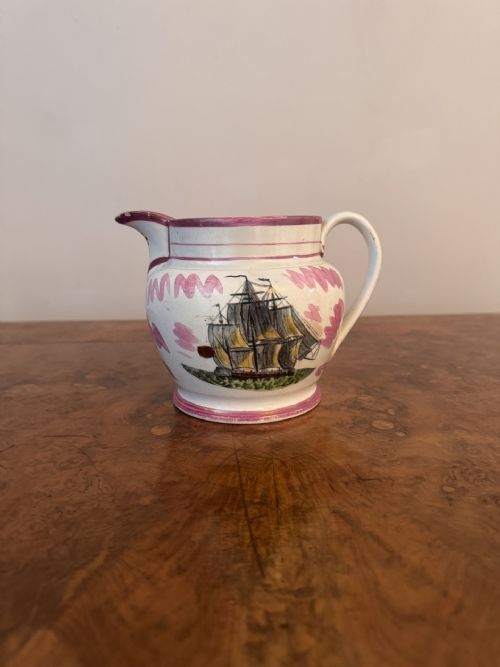
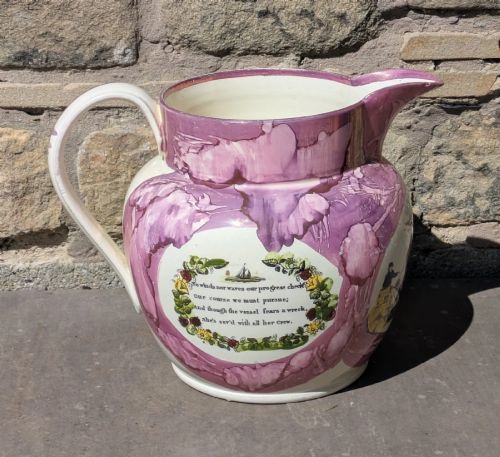
These sunderland pottery pitcher examples bring together maritime subjects, poetic verses, and shimmering lustre glazes from the nineteenth century.
Sunderland Pottery Pitcher
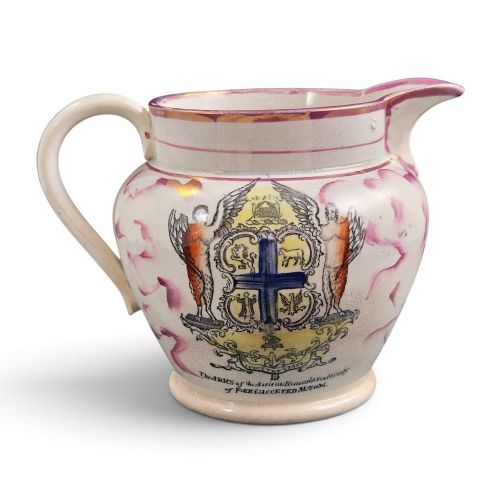
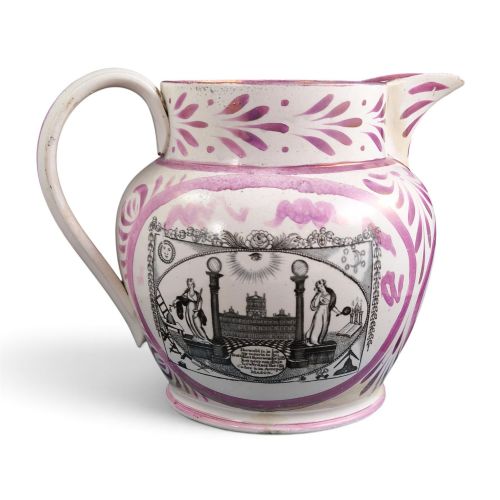
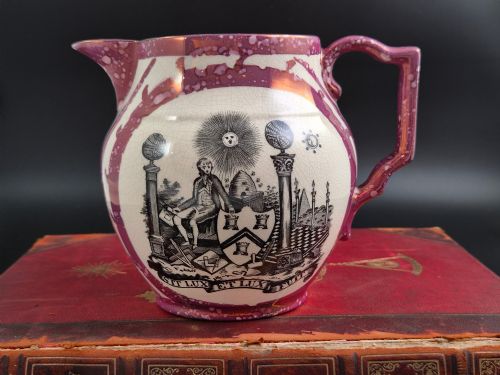
A sunderland pottery pitcher is a ceramic vessel typically originating from nineteenth century workshops in the North East of England, celebrated for transfer-printed decoration and metallic lustre finishes. When exploring this selection, buyers frequently encounter earthenware jugs adorned with maritime themes, Masonic emblems, and verses.
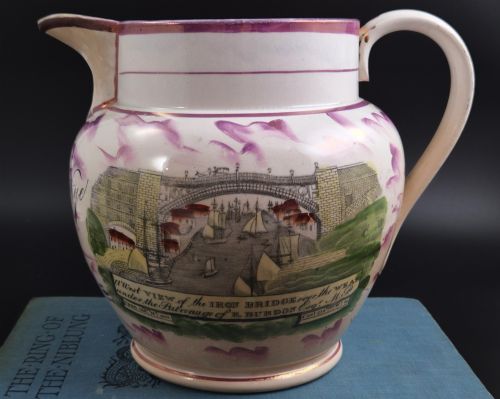
The objects span the Georgian and Victorian eras, ranging from pearlware bodies dated around eighteen hundred to robust mid-Victorian earthenwares. Common forms include large decorative jugs featuring pink splash lustre and depictions of local landmarks like the Iron Bridge over the Wear.
Collectors searching for these pieces will discover variations in scale, from tall ship jugs to more compact presentation vessels. The visual vocabulary relies heavily on transfer printing enhanced by hand-applied enamel colours and characteristic pink or metallic glaze effects.
Materials and manufacture
Potters shaped these vessels from earthenware and pearlware, applying metallic oxide and lustre glazes to create the characteristic iridescent pink splash surface. The bodies were formed in moulds before receiving white or cream slips suited to subsequent transfer printing.
Decoration relied on transfer printing for intricate subjects such as clipper ships, Masonic symbols, and poetic panels, which workers then highlighted with enamel paints by hand. Firing techniques produced the distinct metallic lustre finishes that define the appearance of these jugs.
The listings span the Georgian and Victorian periods, utilising earthenware, pearlware, metallic glazes, and enamel colours.
Judging quality and character
The distinction between standard vessels and exceptional examples rests on the crispness of the transfer print and the richness of the pink splash lustre glaze. Superior pieces exhibit precise hand-coloured enamel details alongside well-preserved metallic oxide surfaces.
Named and dated items, particularly those recording specific ships, local landmarks like the Wear bridge, or historical events, hold greater documentary interest. The clarity of the printed maritime scenes and poetic panels dictates the visual appeal of each pitcher.
The Sunderland Pottery Pitcher Glossary
- Pearlware
- A refined earthenware developed in the late eighteenth century featuring a subtle bluish glaze pooled in crevices. This material served as the bright white base for early lustre jugs.
- Pink Lustre
- A metallic glaze technique utilising gold or copper to create a shimmering pink or purple mottled surface effect. It often appears as a splash pattern across nineteenth century pottery.
- Transfer Printing
- A method of decorating ceramics by applying an engraved copper plate design onto tissue paper and transferring it to the biscuit or glazed surface. This process allowed for detailed narrative scenes and poems on jugs.
- Metallic Oxide
- Chemical compounds applied to ceramics to impart colour and lustre during the firing process. They interact with the kiln heat to produce shimmering metallic sheens.
- Earthenware
- Porous pottery fired at lower temperatures than stoneware or porcelain, requiring a glaze to achieve impermeability. It formed the robust body for the majority of Victorian jugs.
Sunderland Pottery Pitcher: Frequently Asked Questions
What themes appear on these jugs?
The decoration frequently incorporates maritime subjects, tall ships, clipper ships, and local landmarks such as the Iron Bridge over the Wear. Masonic emblems and moral or sentimental poetic panels also feature prominently across the designs.
Potters selected these subjects to appeal to sailors, fraternal organizations, and local communities during the nineteenth century. Each theme was applied using transfer printing and hand-painted enamels.
How do I date a sunderland jug?
Dating relies upon stylistic shifts between the Georgian pearlware bodies of the early nineteenth century and the later Victorian earthenware pieces. Specific dates inscribed on the vessels provide direct chronological markers.
Examining the glaze characteristics, such as the depth of the pink lustre and the tone of the ceramic body, helps establish the period of manufacture. Earlier examples often utilise pearlware bases with delicate transfer work.
Were these jugs used for pouring?
While technically functional as liquid containers, many larger examples functioned primarily as decorative presentation pieces or commemorative objects. Their size and delicate lustre decoration suggest they held a place of honour on mantelpieces or in lodges.
Some pitchers record specific names and dates, indicating they commemorated personal milestones, marriages, or maritime voyages rather than daily service at table.
What is pink splash lustre?
Pink splash lustre is a distinctive decorative effect created when metallic lustre solution separates during firing to form a mottled or spotted pink finish. It resembles a splatter of metallic droplets across the white earthenware body.
This technique required careful control of kiln temperatures and glaze mixtures. It remains one of the most recognizable visual hallmarks of pottery from the North East of England.