



Antique Pink Creamer
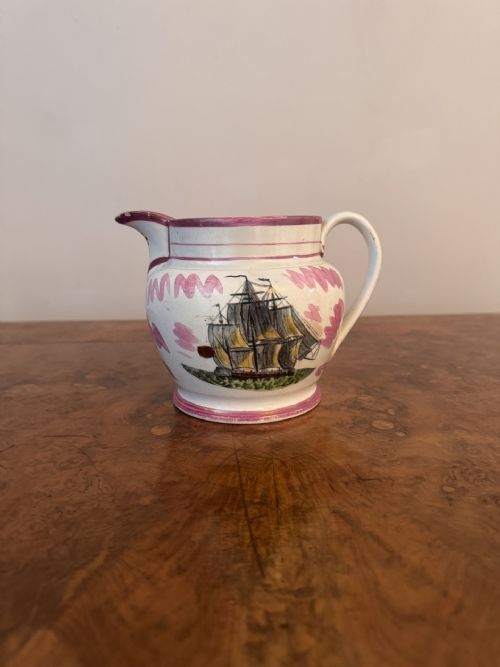
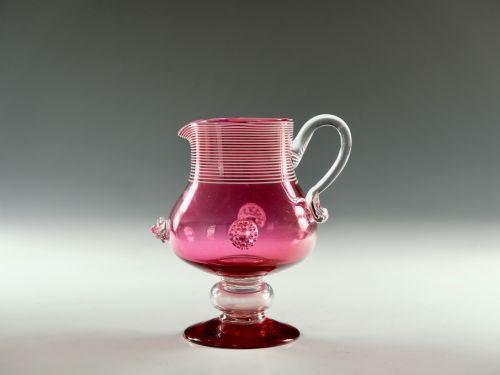
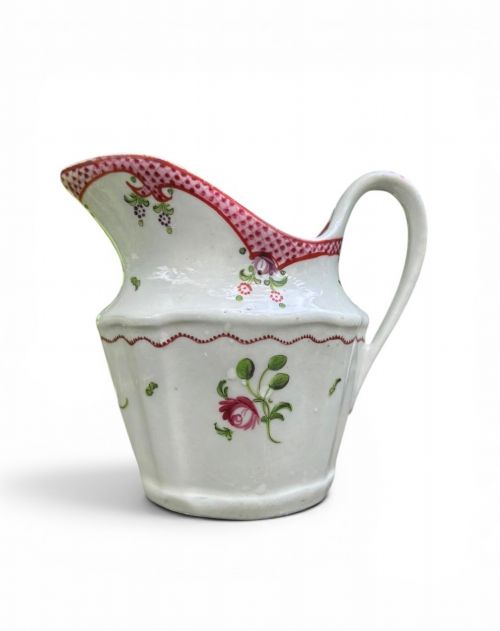
An antique pink creamer brings delicate colour to the table, combining soft ceramic glazes or rich cranberry glass with practical domestic design.
Antique Pink Creamer
When you search for an antique pink creamer, you are looking at small vessels designed for serving milk or cream at the tea table. The pieces available span several eras, crossing the Georgian and Victorian periods with a variety of regional British makes.
You are most likely to meet ceramic and glass examples on this page, ranging from moulded Victorian cranberry glass to hand-painted porcelain from the eighteenth and nineteenth centuries. Jugs and pitchers take various forms, from simple clip handle shapes to low Chelsea ewers.
The materials and decoration define each piece, featuring lustres, transfer prints, and enamel work in shades of pink, purple, and cranberry. These small cream jugs demonstrate the everyday utility and decorative artistry of past domestic life.
How they were made
The ceramic creamers utilise porcelain, pearlware, and earthenware bodies shaped by hand or in moulds, often finished with metallic oxide glazes and lustre decoration. Potters applied purple transfer designs or delicate white piping to create surface pattern before a final kiln firing.
Glass examples rely on the manipulation of molten material, notably cranberry and Burmeese glass, sometimes blown into moulds to achieve ribbed or bulbous forms. Artisans shaped handles whilst the glass remained malleable, attaching them carefully to the body of the jug.
Listings feature pieces spanning the Georgian and Victorian periods, utilising materials such as cranberry glass, porcelain, pearlware, and earthenware.
What varies in quality
Quality rests on the crispness of the moulding, the evenness of the glaze, and the precision of hand-painted or transferred decoration. Finer porcelain pieces display thinner potting and more refined handle attachments than heavier earthenware alternatives.
In glass pieces, the depth of the pink tone and the clarity of the metal determine the standard of the item. Well-balanced proportions and clean application of details such as white piping separate standard domestic items from finer factory productions.
New Hall·Royal Worcester·Staffordshire·John Rose Coalport
The Antique Pink Creamer Glossary
- Pearlware
- A refined earthenware developed in the late eighteenth century, featuring a subtle bluish glaze that pooled in recesses to make the white body appear whiter. It frequently served as a base for transfer-printed and lustre decoration.
- Cranberry glass
- A transparent red-pink glass coloured by the addition of gold chloride to the molten batch. It became particularly popular during the Victorian period for decorative tableware and jugs.
- Lustre
- A type of ceramic pottery decoration that produces an iridescent metallic sheen on the surface. Potters achieved this effect by applying metallic oxides before a reducing kiln firing.
- Transfer printing
- A process where a design is engraved on a copper plate, inked, and transferred via tissue paper onto the ceramic surface before glazing. This technique allowed intricate patterns to be applied rapidly and consistently.
- Burmeese glass
- A heat-sensitive art glass shading from pale yellow to a soft pink. It gained popularity in the late nineteenth century for decorative glassware.
Antique Pink Creamer: Frequently Asked Questions
What is an antique pink creamer?
An antique pink creamer is a small ceramic or glass jug used for serving cream during tea service, produced during the Georgian and Victorian periods.
These pieces feature various shades of pink, ranging from soft ceramic lustres to rich cranberry glass.
How were these cream jugs used?
These jugs served a practical function on the dining or tea table, holding milk or cream to add to hot beverages.
Over time, many of these small vessels transitioned from daily domestic use to decorative display items.
How do I date a ceramic creamer?
Dating relies on identifying the ceramic body, such as pearlware or soft-paste porcelain, alongside the style of decoration and handle formation.
Factory marks, where present, help narrow down the period of manufacture.
What materials are these jugs made from?
Makers used materials including porcelain, pearlware, earthenware, and various types of coloured glass.
Surface finishes often incorporated metallic oxide glazes and enamel colours.