

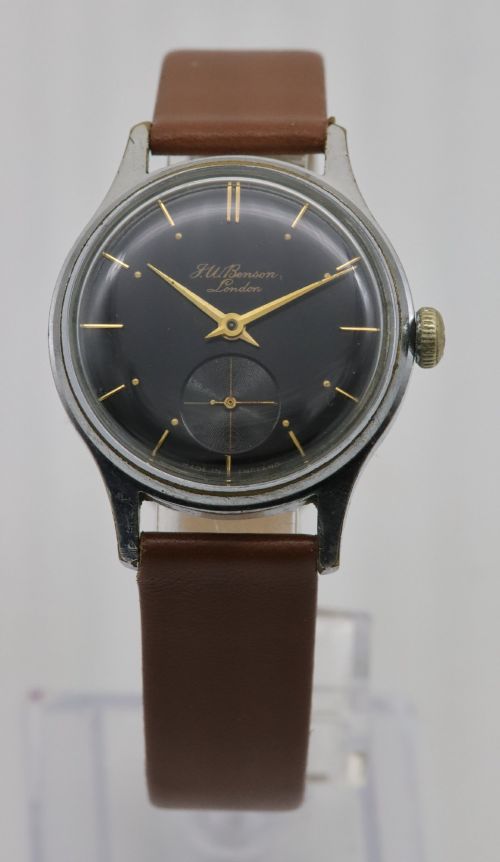
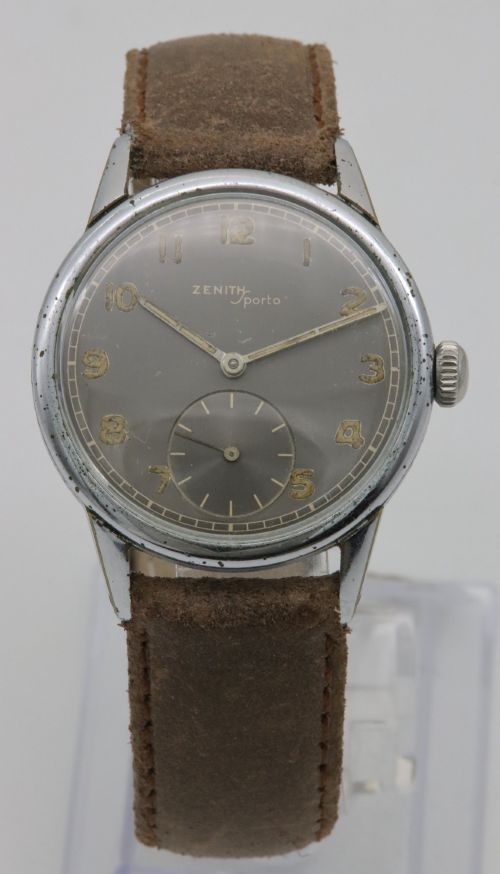
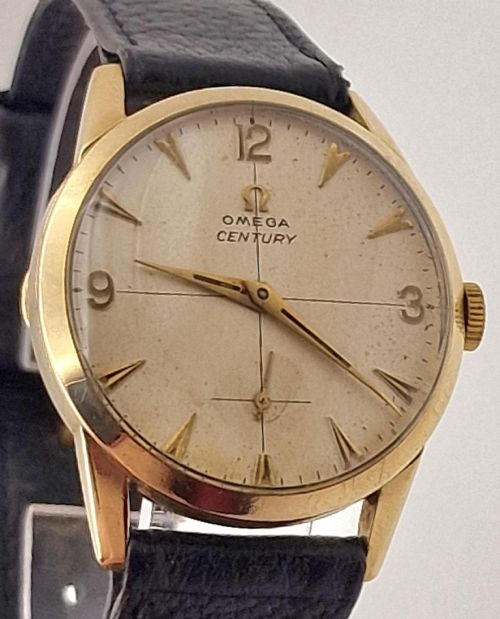
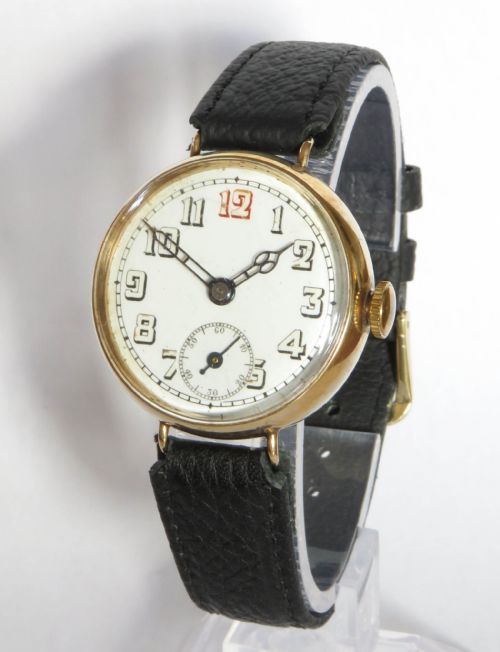
Sub Dial Wristwatch
A sub dial wristwatch brings together mid-century mechanical character and compact utility, offering a distinct alternative to modern timepieces.
Sub Dial Wristwatch
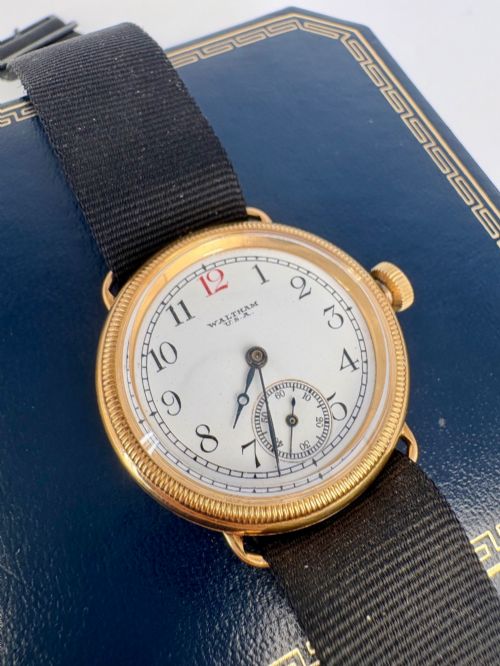
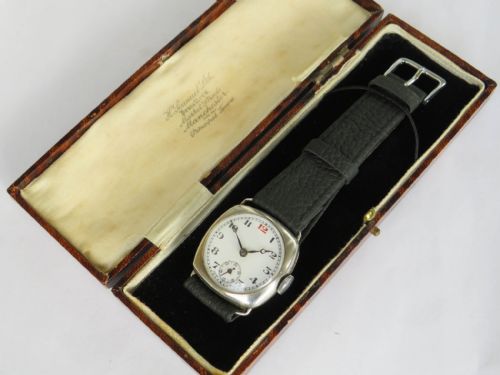
The selections available here span from First World War trench watches through to 1960s dress designs, with pieces originating from the 1910s to the 1960s most frequently encountered. These timepieces encompass civilian formats alongside specific service issues created for military organisations.
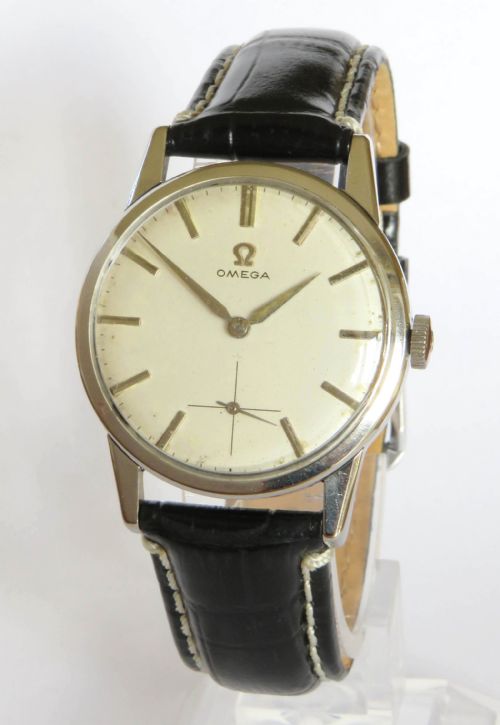
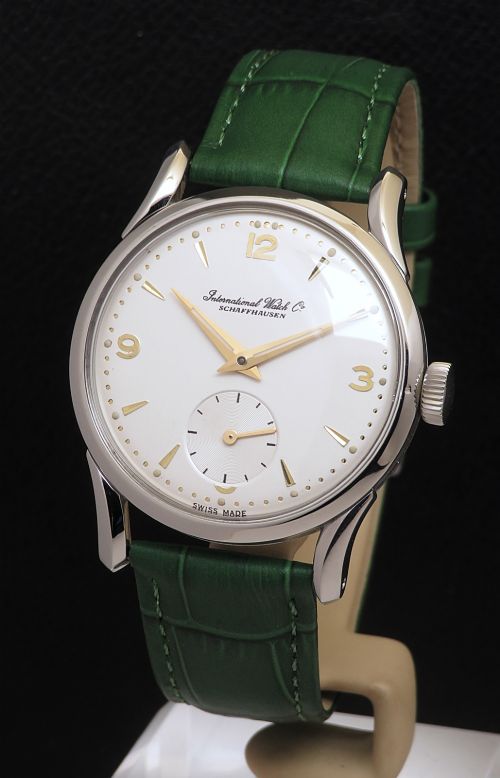
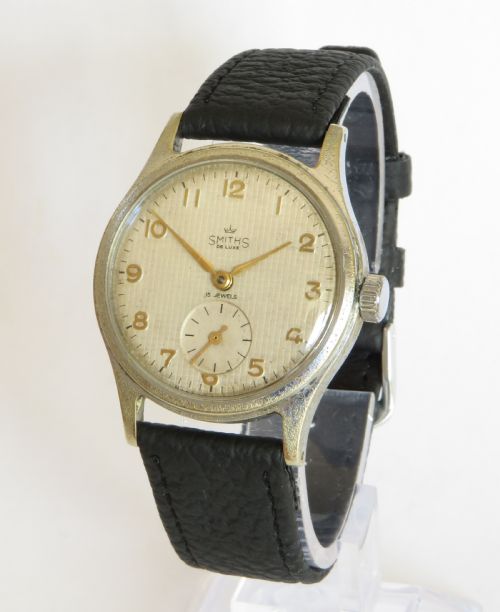
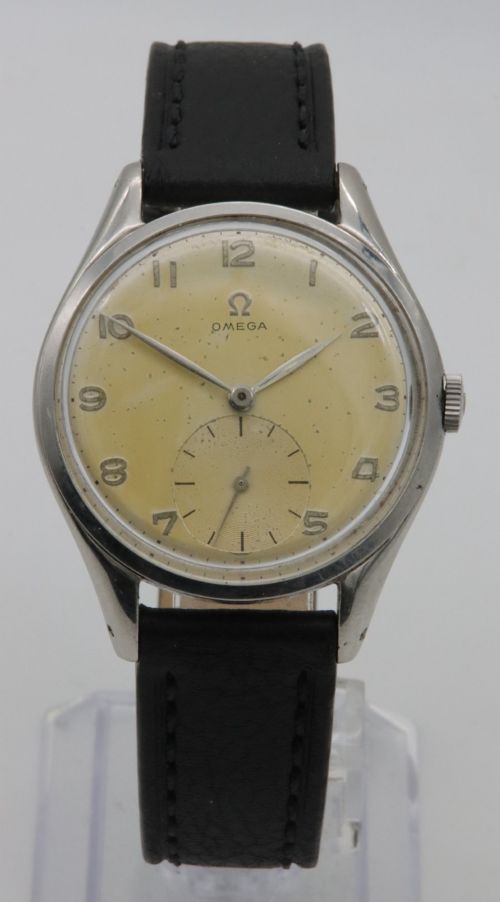
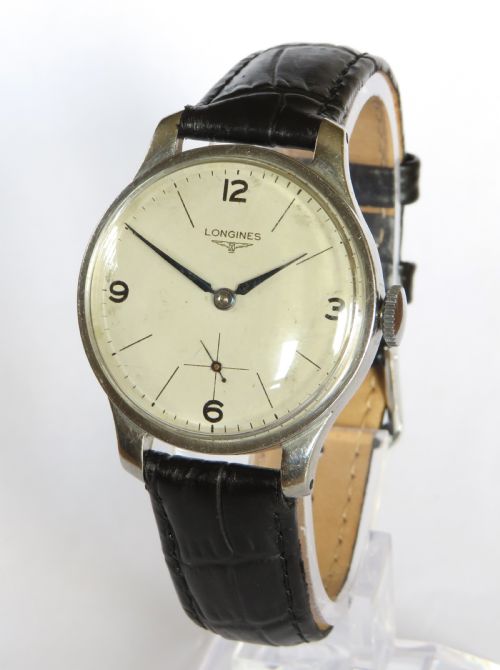
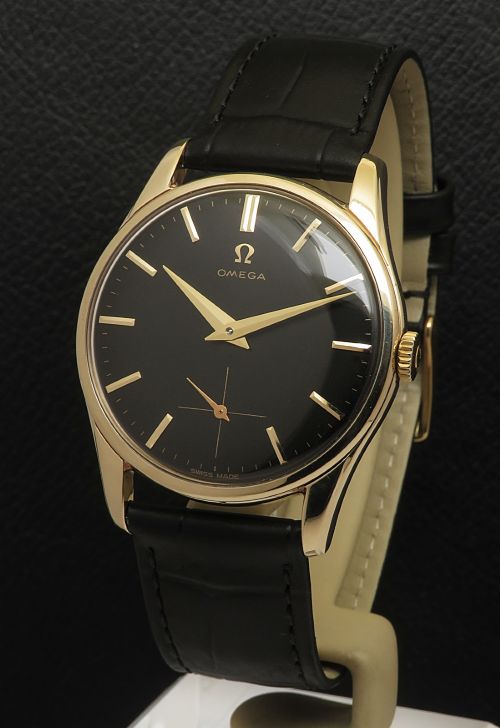
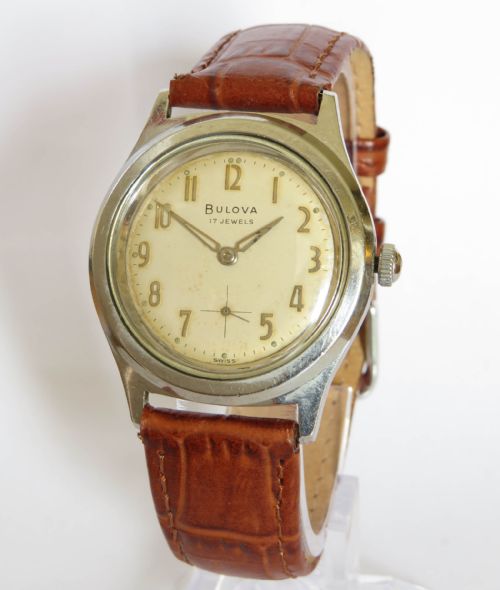
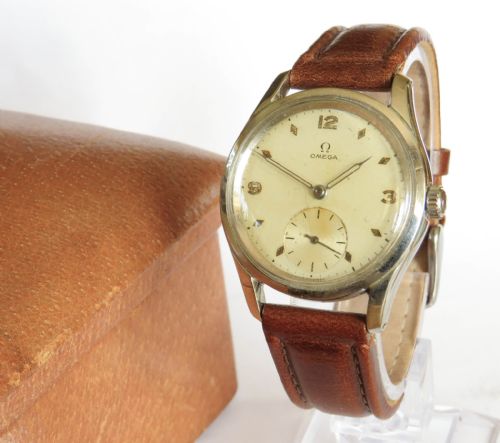
Makers represented in these holdings include established Swiss and British names such as Omega, Longines, Smiths, and Bulova, each employing manual wind and automatic mechanical movements. The physical forms range from utilitarian steel service watches to elegant gold-plated and solid gold dress variants.
Materials and Construction Methods
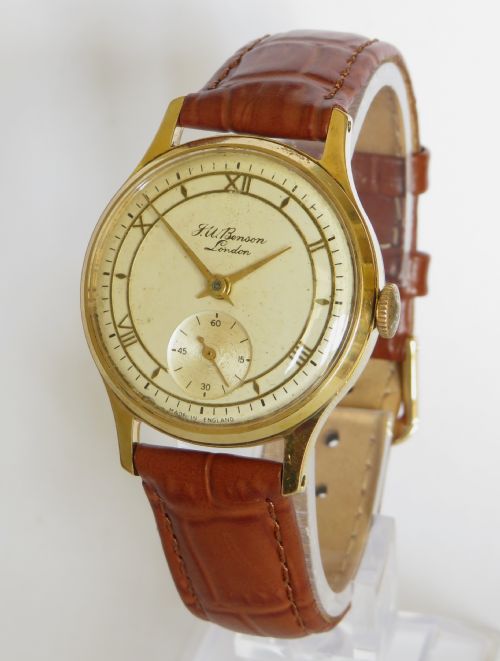
Casings utilise a combination of stainless steel, chrome, gold plate, and solid nine-karat or fourteen-karat gold, paired with protective glass or acrylic crystals over the dial face. Straps are predominantly fashioned from leather to secure the watch to the wrist.
Movements rely on traditional mechanical engineering, driven by manual winding mechanisms or internal weights such as bumper automatic systems. Dials often feature painted Arabic numerals, luminous markings, or mother-of-pearl details set within the metal housings.
Sub Dial Wristwatch Retail Price Guide 2026
Typical asking prices for sub dial wristwatch among the pieces listed under this phrase on Sellingantiques today, from the lower quarter to the upper quarter. They describe what is for sale here now, not the wider market.
Current listings feature mechanical timepieces spanning from the 1910s to the 1960s, constructed in stainless steel, gold, and chrome.
Distinctions in Quality and Preservation
The standard of a sub dial wristwatch rests heavily on the original condition of the dial and the preservation of the case metal. Examples retaining untact original military markings, untouched dials, and clean mechanical calibres hold greater historical integrity.
The execution of the movement and the complexity of the calibre, such as specific Omega or Longines mechanical movements, determine the internal precision and craftsmanship. Fully restored pieces that maintain their authentic components demonstrate the higher tier of surviving examples.
Omega·Longines·Smiths·Bulova·Zenith·Cyma·Roamer·Dogma Prima·Timor·Le Coultre·Rotary·Wagner
The Sub Dial Wristwatch Glossary
- Subsidiary dial
- A smaller secondary dial set within the main watch face, usually dedicated to tracking seconds independently.
- Calibre
- The specific internal mechanical movement or model designation created by the watch manufacturer.
- Manual wind
- A mechanical movement requiring the wearer to manually turn the crown to tension the mainspring.
- Bumper automatic
- An early self-winding mechanical movement where an internal weight swings back and forth against springs to power the watch.
- Gold-filled
- A thick layer of gold mechanically bonded to a base metal core, offering durability distinct from standard plating.
Sub Dial Wristwatch: Frequently Asked Questions
What is a sub dial on a vintage watch?
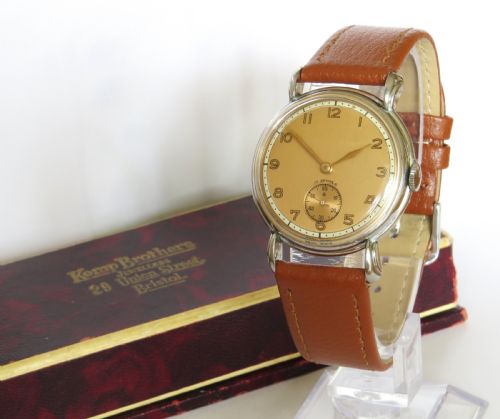
A sub dial is a secondary, smaller circle embedded within the primary watch face. It is typically designed to track running seconds separately from the central hour and minute hands.
This configuration was a standard mechanical choice for decades, allowing watchmakers to fit complex gear trains into compact circular cases.
How do I wind a mechanical sub dial wristwatch?
You wind a manual mechanical watch by gently turning the crown clockwise between your thumb and forefinger until you feel resistance. Care should be taken not to force the crown past the stopping point.
Automatic versions wind themselves through the natural movement of the wrist during daily wear, though older bumper movements have a distinct internal motion.
Are these watches waterproof?
Vintage timepieces from the early to mid-twentieth century generally lack modern rubber gaskets and screw-down components. They should be kept well away from water, swimming, and heavy rain.
Even pieces marked as military issue have aged seals and cannot be relied upon to resist moisture today.
How can I tell the decade of a watch?
Stylistic cues such as typography, dial layouts, lug shapes, and case metals offer strong clues to the era of production. Art Deco models generally feature geometric lines from the 1930s, while robust steel cases often indicate 1940s military contexts.
Internal movement serial numbers, where documented by the maker, can also narrow down the year of manufacture.