


Stuart Period Portrait Art
When you search for stuart period portrait art, you encounter oil paintings and mezzotints capturing noble sitters from the seventeenth century.
Stuart Period Portrait Art
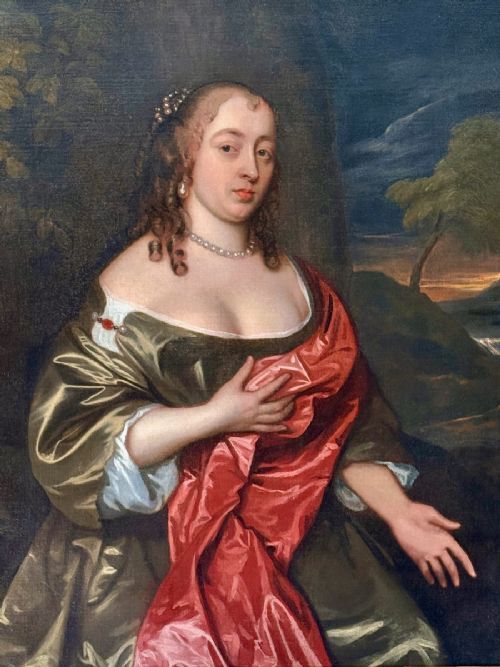
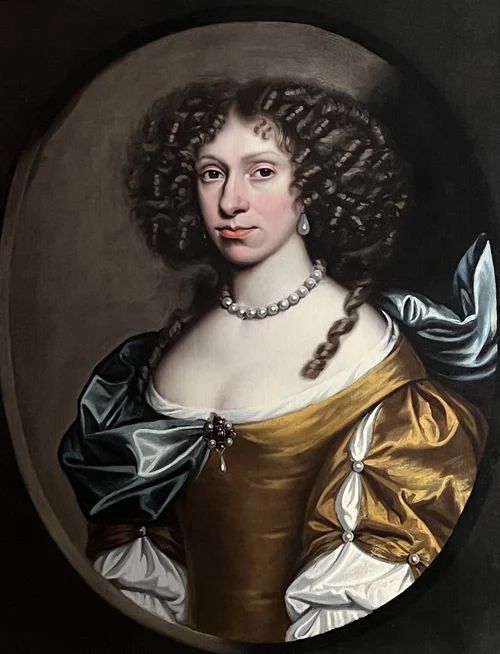
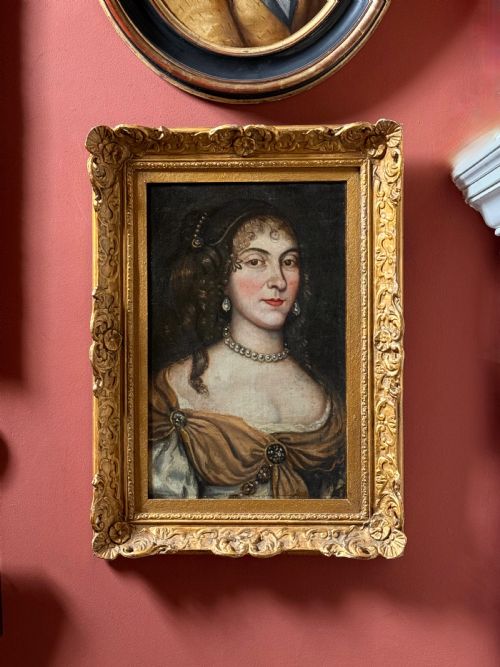
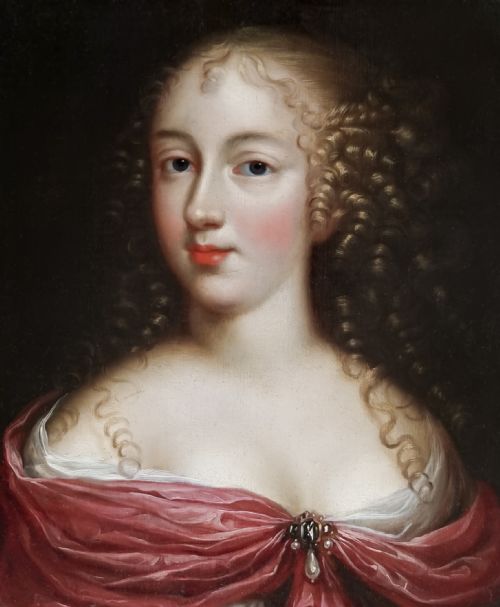
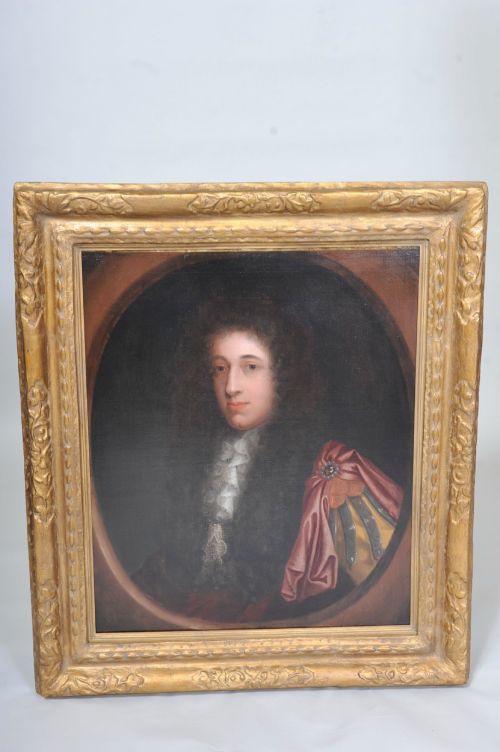
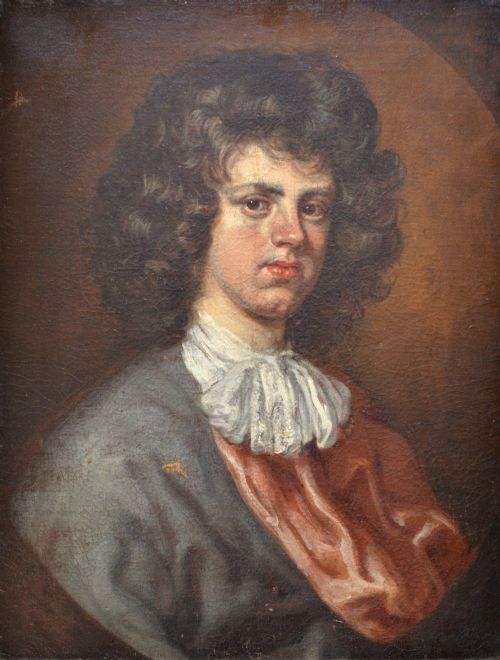
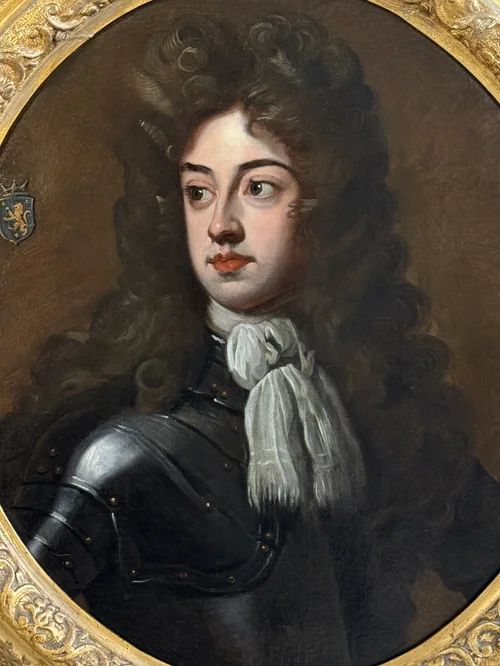
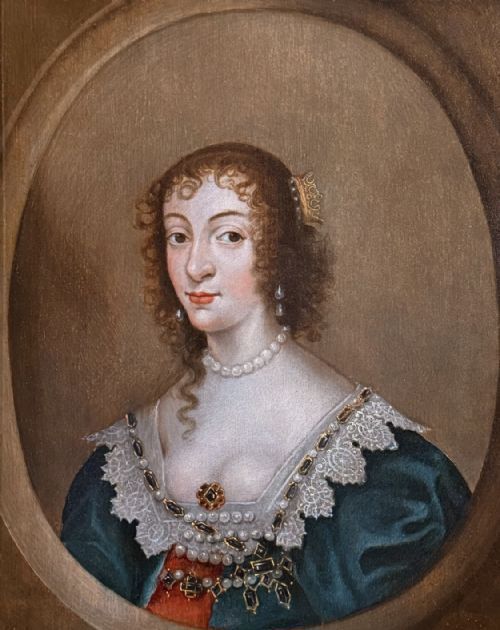
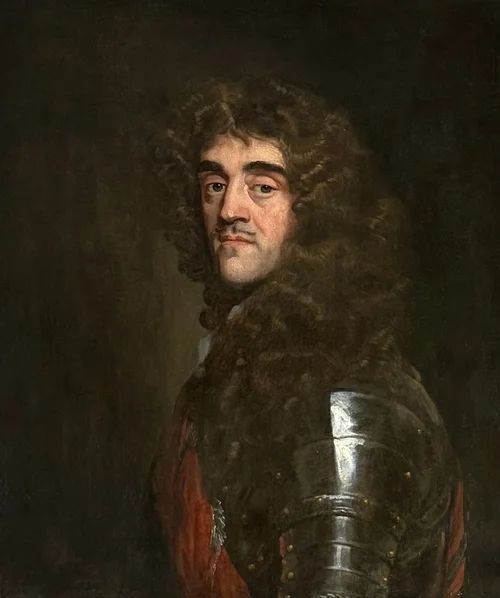
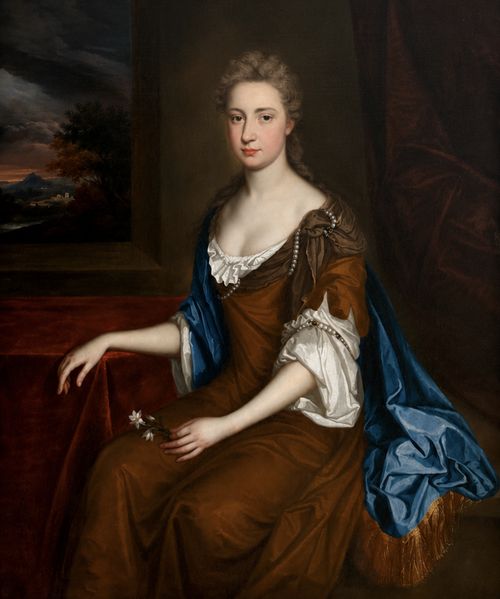
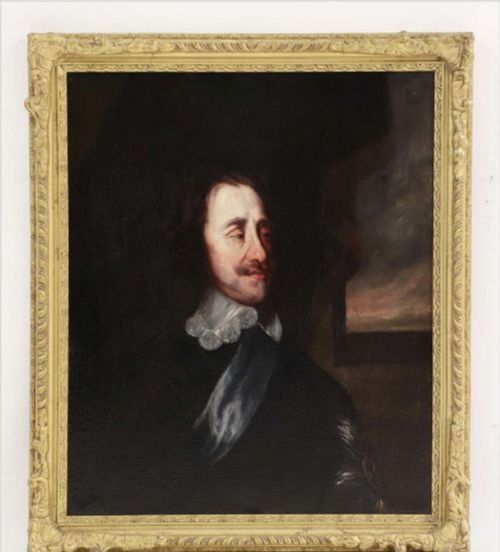
Collectors seeking stuart period portrait art look for oil paintings on canvas or panel depicting figures from the seventeenth century, spanning the Jacobean, Commonwealth, and Restoration eras. These works record monarchs, nobility, and gentry dressed in elaborate costume, lace, and armour.
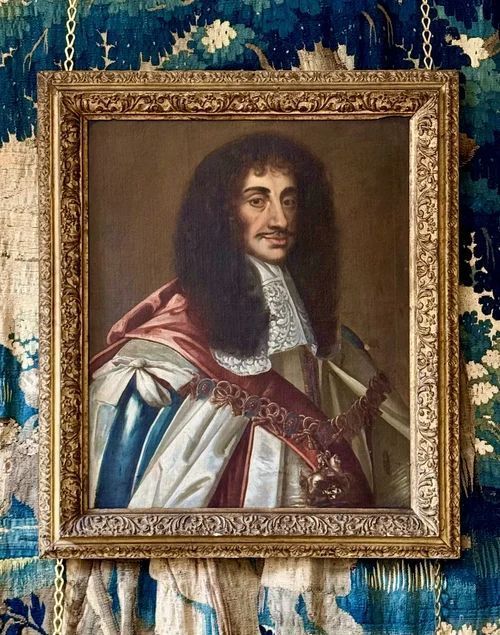
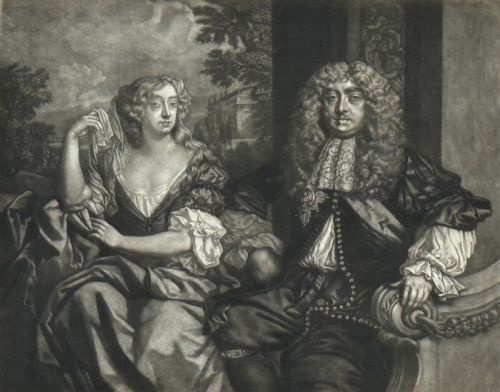
Most pieces met on this page originate from the seventeenth century, though nineteenth- and eighteenth-century copies and mezzotints also appear. Subjects range from named historical figures like King Charles I and King Charles II to anonymous ladies and gentlemen rendered by contemporary British and continental schools.
Materials and Technique
Artists painted primarily with oil on canvas or wooden panel, building up rich draperies and skin tones using traditional ground layers. Frames of giltwood and gold leaf frequently encase these works, complementing the opulence of the sitters' attire.
Printmakers utilised techniques such as mezzotint to reproduce painted portraits on paper, allowing wider distribution of royal and aristocratic likenesses during and after the period.
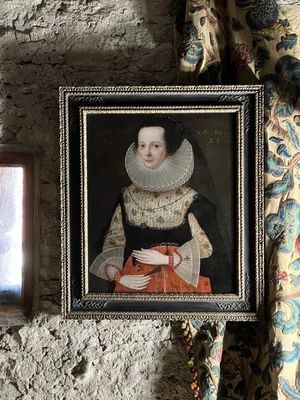
Several portraits preserve astonishingly intricate lace ruffs that required more patience from the painter than the sitter.
Evaluating Quality
Condition and original framing also differentiate examples, with undisturbed paint surfaces and period giltwood frames holding greater visual integrity.
John Hayls·David Scougall·John Smith·Sir Peter Lely·Pierre Mignard·Mary Beale·Sir Godfrey Kneller·Van Dyck·John Greenhill·Robert Williams·John Michael Wright·Cornelius Johnson·John Riley·John Closterman·Henry Stone·Samuel Cooper
The Stuart Period Portrait Art Glossary
- Mezzotint
- A printmaking process where the copper plate is roughened to achieve tones and rich darks. This technique reproduced oil portraits with notable tonal gradation.
- Giltwood
- Wood carved and coated with gold leaf or gold paint. Frames utilising this finish define many seventeenth-century portraits.
- Panel painting
- An artwork executed on a flat piece of wood rather than stretched canvas. Oak was commonly utilised for these supports in earlier seventeenth-century works.
- Restoration
- The historical period following the return of the monarchy in 1660, influencing portrait styles towards increased splendour and courtly fashion.
Stuart Period Portrait Art: Frequently Asked Questions
How do I identify a Stuart portrait?
Look for distinctive seventeenth-century clothing markers such as lace ruffs, falling bands, elaborate embroidered doublets, and formal wigs. Inscriptions naming the sitter or artist often appear in the corners of the canvas.
The painting medium, usually oil on canvas or panel, combined with the characteristic stiff yet ornate poses, points directly to this historical timeframe.
Were these painted from life?
Many portraits of monarchs and high-ranking nobility were painted from life by prominent court painters, while other subjects sat in provincial studios. Studio assistants often replicated successful compositions multiple times.
Copies after masters like Sir Peter Lely or Van Dyck were frequently produced in subsequent decades to meet the demand for aristocratic imagery.
How should I display a historic portrait?
Hang these works away from direct sunlight and excessive humidity to protect the oil paint and canvas or wooden support. A stable indoor environment preserves both the artwork and its original giltwood frame.
Position the painting at eye level where adequate lighting can reveal the fine details of the sitter's costume and expression.
What is the difference between an oil and a mezzotint?
An oil painting is a unique, handmade work created by applying pigments suspended in oil onto canvas or panel. A mezzotint is an engraved print on paper created by working a copper plate.
While oil paintings provide rich colour and texture, mezzotints offer a monochrome tonal interpretation of the original painted composition.