


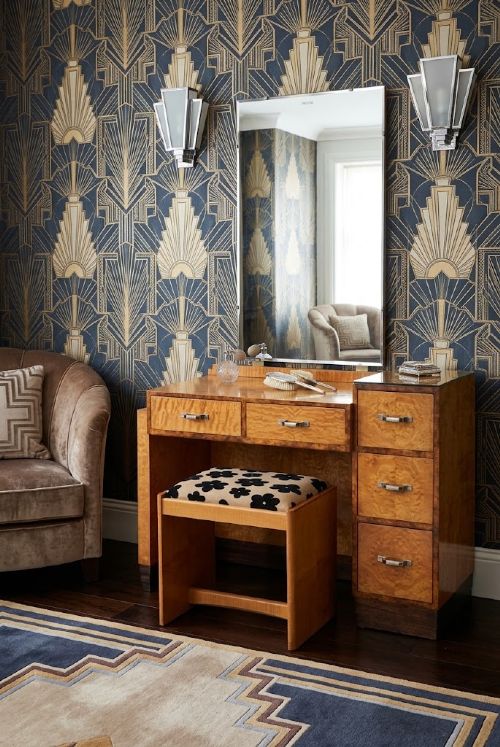
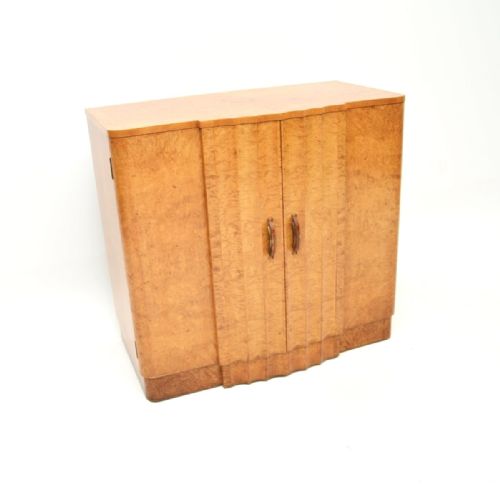
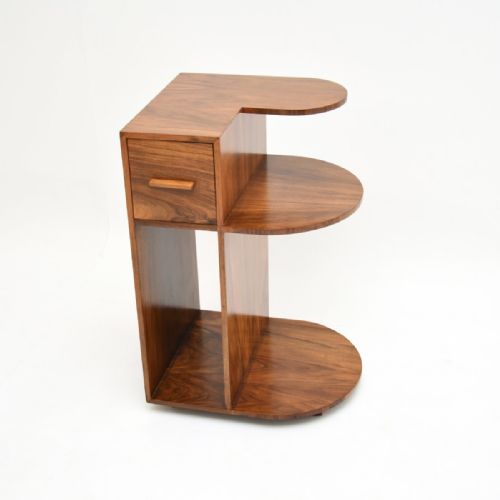
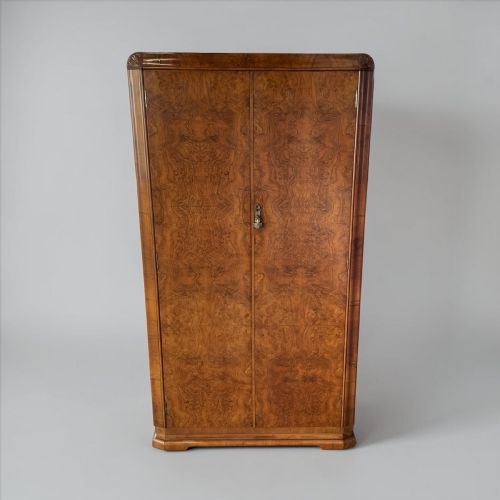
Streamline Moderne Cabinet
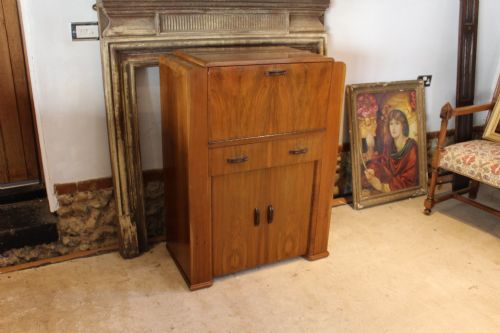
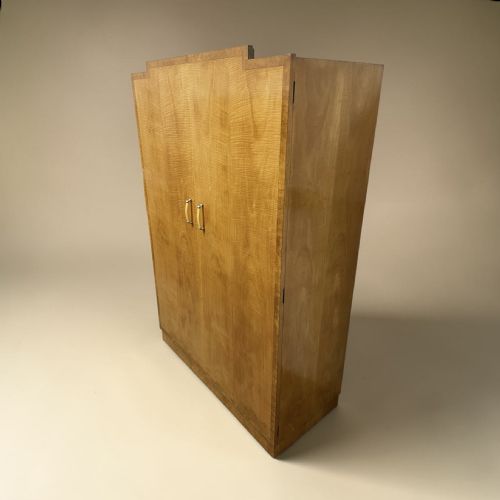
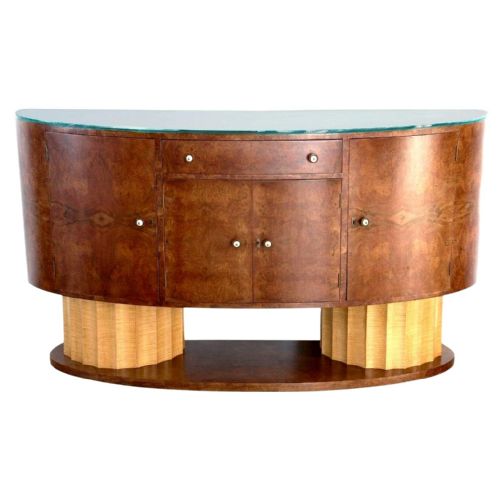
A streamline moderne cabinet brings forward the curving, aerodynamic silhouettes of the interwar years.
Streamline Moderne Cabinet
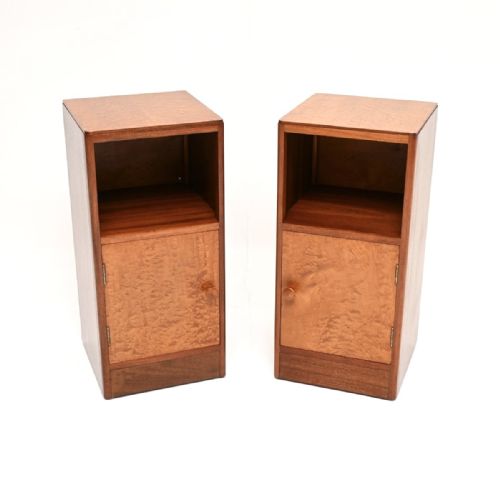
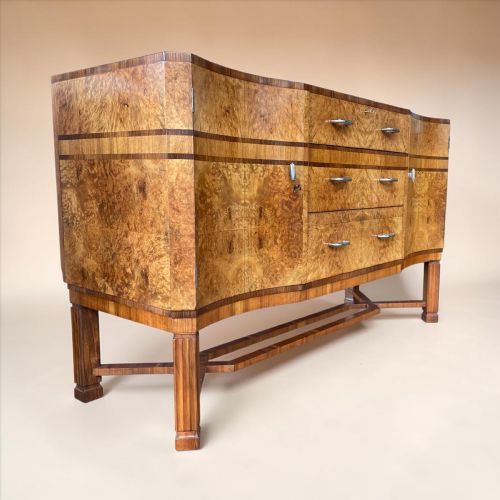
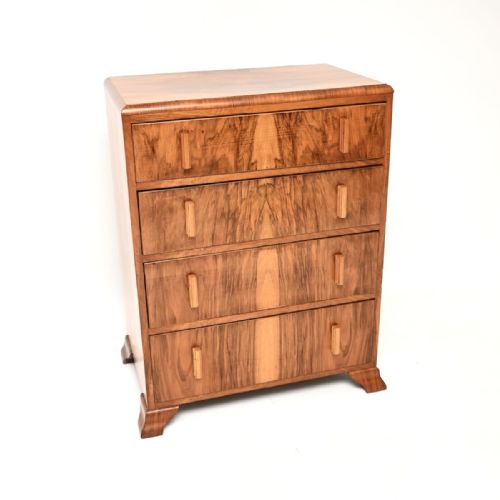
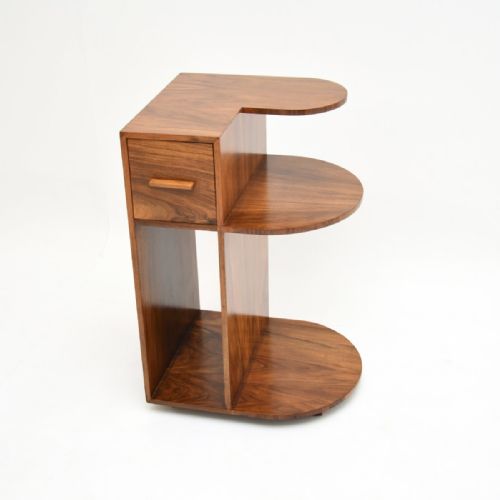
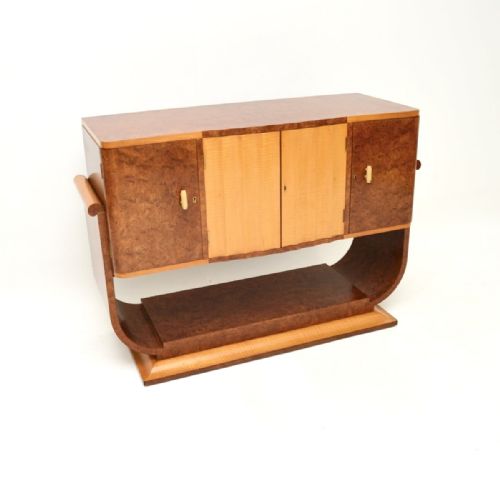
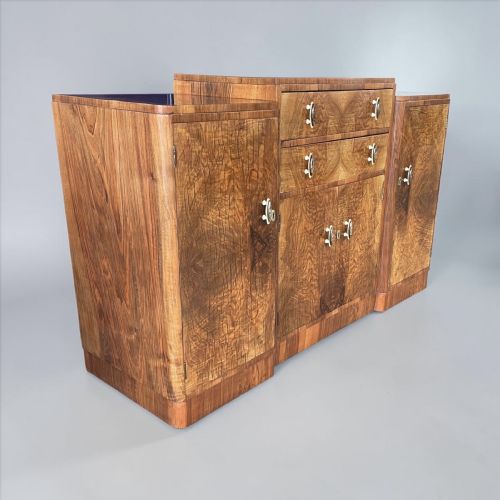
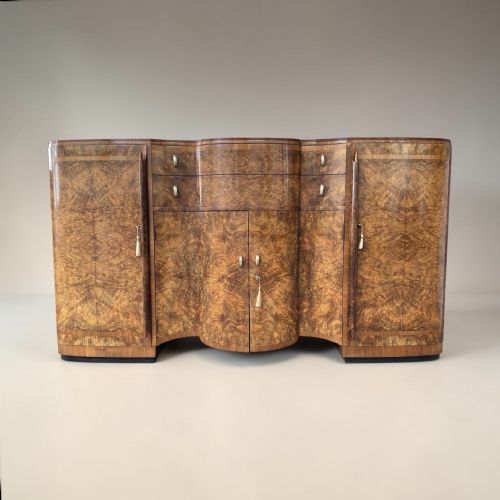
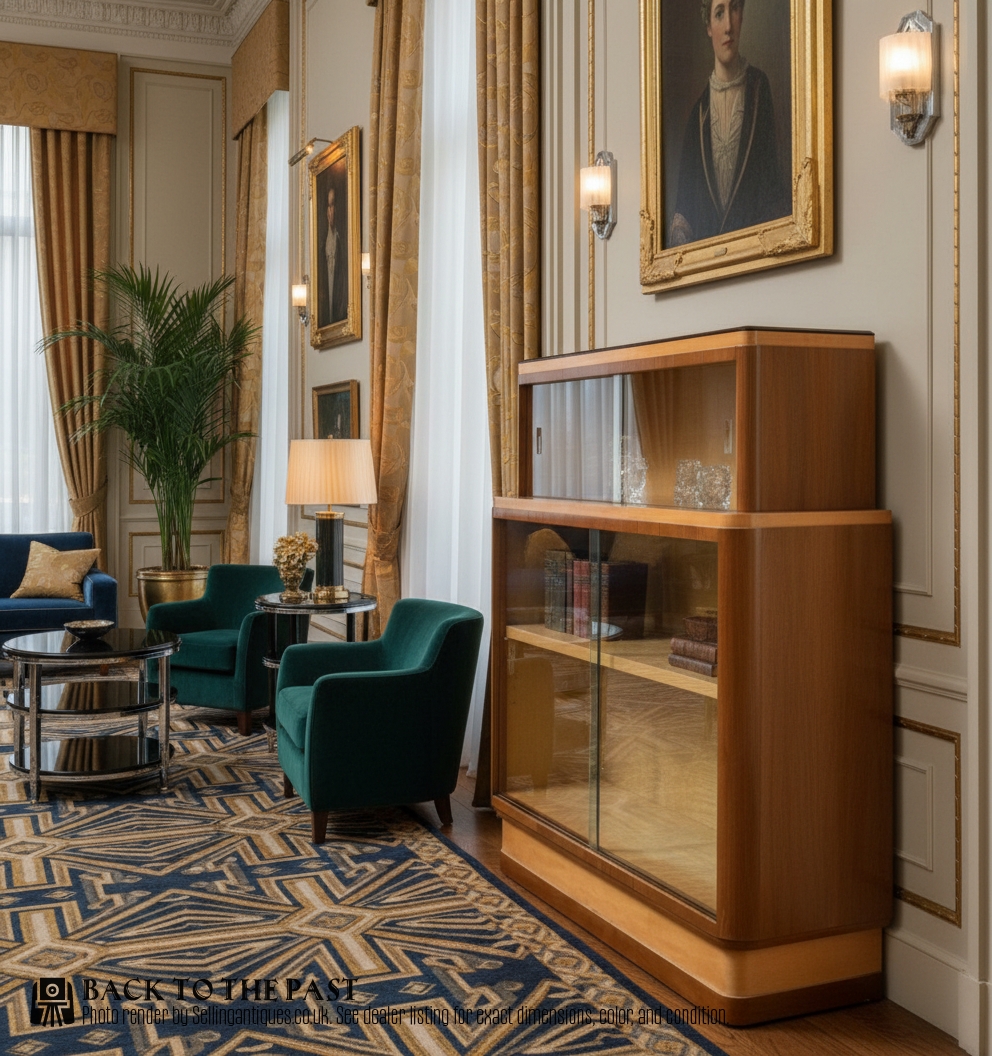
A streamline moderne cabinet represents the aerodynamic design movement of the 1920s, 1930s, and 1940s, capturing a distinct period of interwar domestic architecture and furniture making. These forms emerge primarily as sideboards, cocktail cabinets, chests of drawers, and bedside units designed to bring sleek geometry into the home.
The pieces listed on this page span several specific variants, including compactum wardrobes, tallboys, bureau bookcases, and display counters. Buyers encounter these forms built for practical storage while retaining the signature horizontal lines and rounded corners characteristic of the style.
Materials and construction
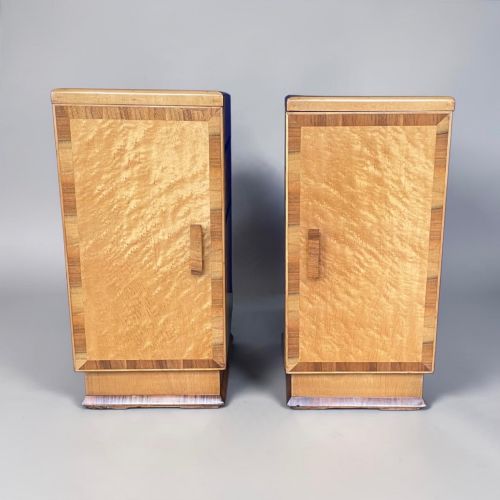
Wood selection defines the construction, relying heavily on walnut, burr walnut, oak, mahogany, and palisander, frequently enhanced with walnut veneer. Cabinet makers also employed contrasting timbers such as sycamore and bird's eye maple to accentuate the curved silhouettes and geometric panels.
Metal, brass, aluminium, glass, bakelite, and parchment integrate into the structural woodwork to provide hardware, frames, and contrasting surface details. These diverse materials combine to create the smooth, sweeping finishes typical of Art Deco and Art Deco Modernist furniture.
Streamline Moderne Cabinet Retail Price Guide 2026
Typical asking prices for streamline moderne cabinet among the pieces listed under this phrase on Sellingantiques today, from the lower quarter to the upper quarter. They describe what is for sale here now, not the wider market.
Listings feature pieces spanning the decades from 1920 to 1940, predominantly built from walnut, oak, and mahogany.
What separates examples
The choice and matching of wood veneers dictate visual success, particularly where burr walnut or bird's eye maple panels wrap symmetrically around curved doors and drawer fronts. Superior pieces demonstrate meticulous grain alignment across the entire facade.
Design ambition and maker attribution elevate certain items above standard production, especially when unusual forms incorporate parchment-covered drawers, integrated beds, or specialised cocktail fittings. The sophistication of subsidiary woods like sycamore and the integration of brass or aluminium hardware further distinguish workshop standards.
Maurice Adams·Harry and Lou Epstein·Gomme·Hille·Hamptons of Pall Mall London·F.H. Marshall and Co Glasgow·Betty Joel·Heal's
The Streamline Moderne Cabinet Glossary
- Burr walnut
- A figured timber obtained from the warted growths on walnut trees, prized for its swirling grain patterns. It provides a decorative surface on cabinet doors and drawer fronts.
- Compactum
- A fitted wardrobe designed to maximise internal storage capacity with compartments for different garments. These multi-purpose units combine hanging space with drawers and shelves.
- Cocktail cabinet
- A specialised storage piece intended for the preparation and serving of drinks. These cabinets often feature mirrored interiors, drop-down serving flaps, and glass shelving.
- Tallboy
- A tall chest of drawers standing higher than a standard chest, sometimes combining a tall drawer section with a cupboard top. This form offers generous vertical storage for bedrooms.
- Palisander
- A dense, dark exotic hardwood utilised for high-end cabinet exteriors. Its rich colouration provides a striking contrast when paired with lighter woods.
Streamline Moderne Cabinet: Frequently Asked Questions
Where were streamline moderne cabinets placed?
These pieces served primary functions in dining rooms as sideboards and cocktail units, or in bedrooms as bedside tables, tallboys, and compactum wardrobes. Their functional forms accommodated household storage needs while displaying modern decorative tastes.
Living with them involves placing them in spaces where their curved lines and figured veneers can catch natural light. They function effectively as standalone focal points in modern or traditional interiors alike.
How do I identify Art Deco cabinets?
Identification relies on recognising characteristic geometric forms, rounded corners, and horizontal banding that echo aerodynamic design principles. Examining the timber reveals frequent use of figured walnut, oak, or exotic veneers.
Makers often marked their output with stamps, labels, or distinctive construction methods associated with specific workshops. Comparing the hardware, such as brass or bakelite handles, also assists in period attribution.
What is a compactum wardrobe?
A compactum wardrobe is a combination piece designed to house multiple types of clothing within a single enclosed unit. It integrates hanging space alongside dedicated drawers, shelves, and sometimes small compartments.
This form became popular for maximising bedroom storage efficiency during the interwar period. Surviving examples showcase the period's preference for fitted, multi-functional domestic furniture.
How do I care for walnut veneer?
Walnut veneer requires protection from direct sunlight and extreme humidity fluctuations to prevent fading and lifting of the wood. Regular dusting with a soft, dry cloth preserves the polished finish.
Avoid using harsh chemical polishes or excessive moisture on the surface. Conditioning the wood occasionally with appropriate specialist wax maintains the natural lustre of the burr patterns.