



Stoneware Ceramic Planter
A stoneware ceramic planter brings heavy utilitarian weight and dense glaze to a room, offering a tactile home for large indoor greenery.
Stoneware Ceramic Planter
When you search for a stoneware ceramic planter, you encounter robust vessels originally built for structural planting, water filtration, or decorative display. These pieces originate primarily from the nineteenth century, spanning Victorian workshops and continental European kilns.
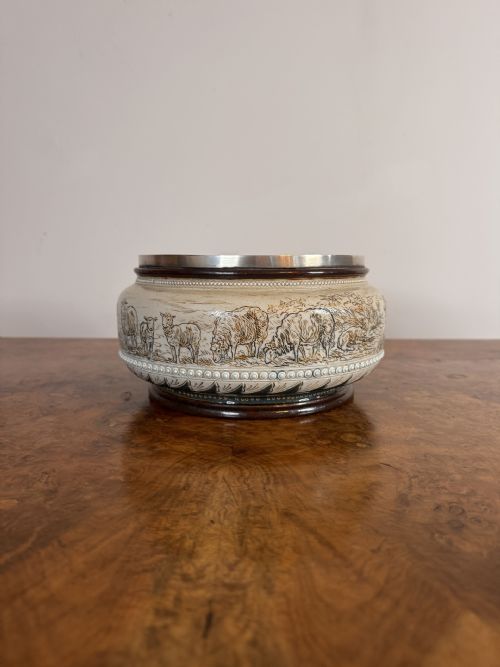
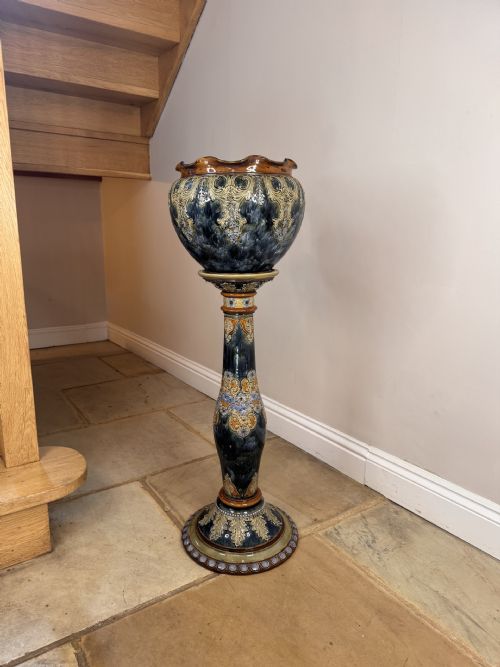
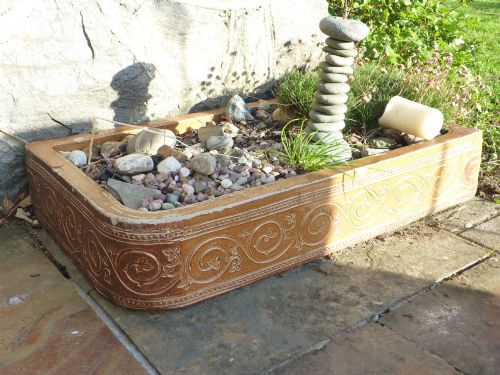
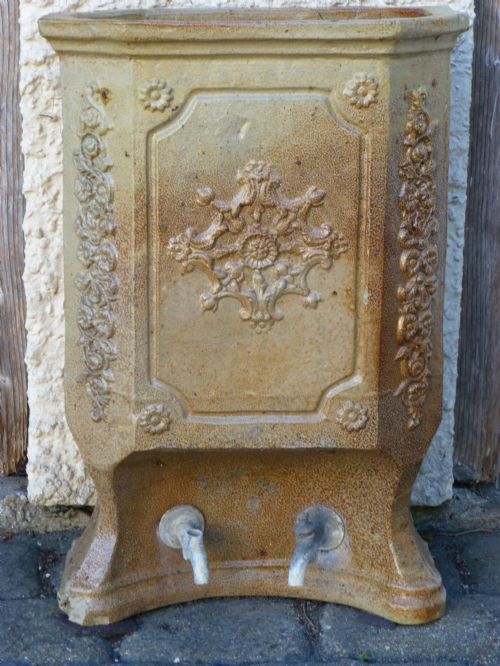
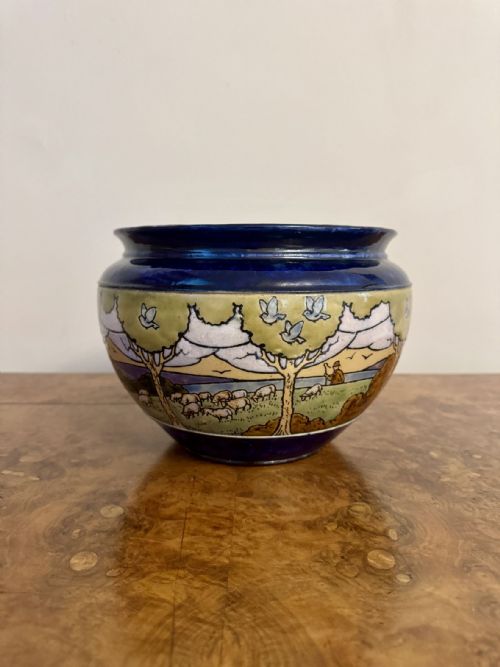
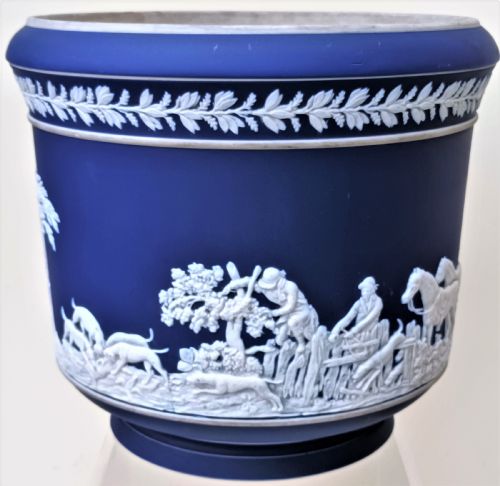
The items on this page manifest as jardinieres, cachepots, trough planters, and bonsai bowls. English salt-glazed works and Japanese stoneware vessels dominate the selection, bringing substantial utility and ornamental presence together.
How they were made
Potters utilised durable stoneware clay, fired at high temperatures to ensure complete vitrification and impermeability. This dense body frequently received salt glazing or applied enamel surface treatments.
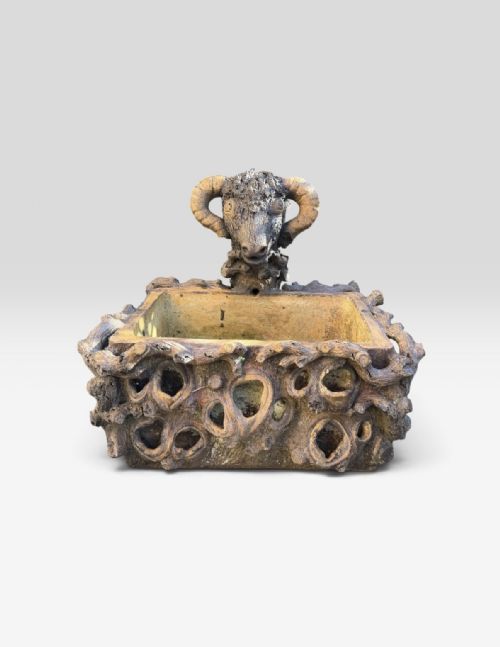
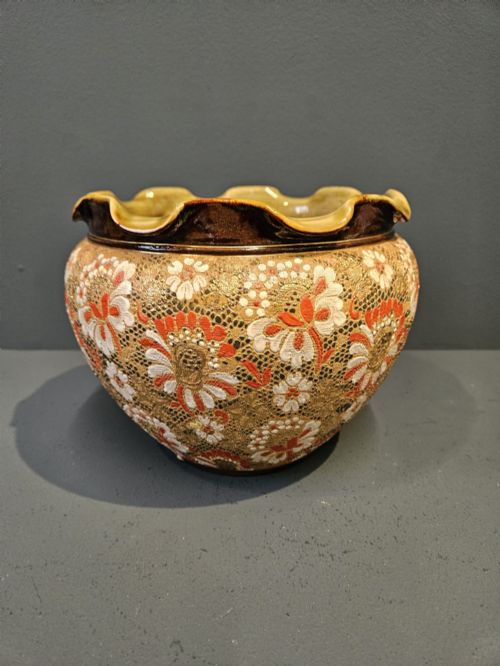
Makers employed hand-throwing, moulding, and specialised decorative techniques such as Slaterware texturing or faux bois modelling. These methods created textured surfaces capable of holding damp earth without degrading.
Stoneware Ceramic Planter Retail Price Guide 2026
Typical asking prices for stoneware ceramic planter among the pieces listed under this phrase on Sellingantiques today, from the lower quarter to the upper quarter. They describe what is for sale here now, not the wider market.
Nineteenth-century potters went to great lengths to imitate timber, crafting convincing strawberry planters out of hard salt-glazed stoneware.
What varies in quality
The distinction between standard utility vessels and superior examples lies in the execution of the glaze and the crispness of the modelling. Rich, even salt-glaze textures and deliberate surface detailing elevate certain pieces above plain utilitarian wares.
Named studio attribution and documented workshop origins distinguish exceptional items. Master potters and established factories applied refined decorative programmes that separate basic garden troughs from collectable art pottery.
Guichard Carriès·Doulton Lambeth·Royal Doulton·William Adams And Sons·Makuzu Kozan II·Doulton Burslem·Ethel Beard·Enoch Wood And Sons
The Stoneware Ceramic Planter Glossary
- Stoneware
- A dense, hard pottery fired at high temperatures until semi-vitrified. It resists water absorption naturally, making it suitable for holding soil and moisture.
- Jardiniere
- An ornamental ceramic pot designed to hold a live plant or floral arrangement indoors. These vessels often sit on footed bases or tables.
- Salt-Glazed Stoneware
- Pottery finished by throwing common salt into the kiln during high-temperature firing. This process produces a characteristic textured surface resembling orange peel.
- Slaterware
- A decorative ceramic technique involving textured, lace-impressed surfaces combined with coloured slips and gilding. Doulton workshops utilised this finish extensively.
Stoneware Ceramic Planter: Frequently Asked Questions
Can I plant directly into an antique stoneware planter?
Many nineteenth-century stoneware planters and jardinieres were designed to hold damp soil and moisture directly within their vitrified bodies. However, using a plastic inner pot protects the historic ceramic from potential mineral staining.
Evaluating the interior condition helps determine whether direct planting is appropriate or if a secondary pot preserves the piece better.
What is the difference between a jardiniere and a cachepot?
A jardiniere typically functions as a standalone decorative vessel for housing plants or floral displays directly. A cachepot serves primarily to hide a plain growing pot and catch excess water.
Both forms appear frequently among nineteenth-century ceramic and stoneware listings.
Where were these nineteenth-century planters made?
The pieces originate from major European and Asian ceramic centres, including English potteries in Lambeth and Burslem, French kilns, and Japanese workshops. Each region contributed distinct glazing traditions and decorative styles.
British Victorian salt-glaze and Japanese stoneware represent significant origins within this category.