



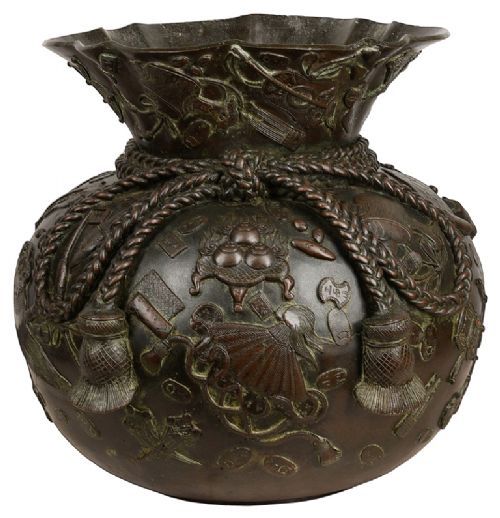


Asian Decorative Planter
An asian decorative planter brings refined horticultural display and sculptural presence into a room, spanning bronze vases and cloisonne bowls from the nineteenth and early twentieth centuries.
Asian Decorative Planter
When you search for an asian decorative planter, you encounter a mix of jardinieres, decorative bowls, and vases spanning the Victorian era through the early twentieth century. These pieces originate from Japanese and Chinese workshops, crossing periods such as the Meiji, Edo, and Qing dynasties.
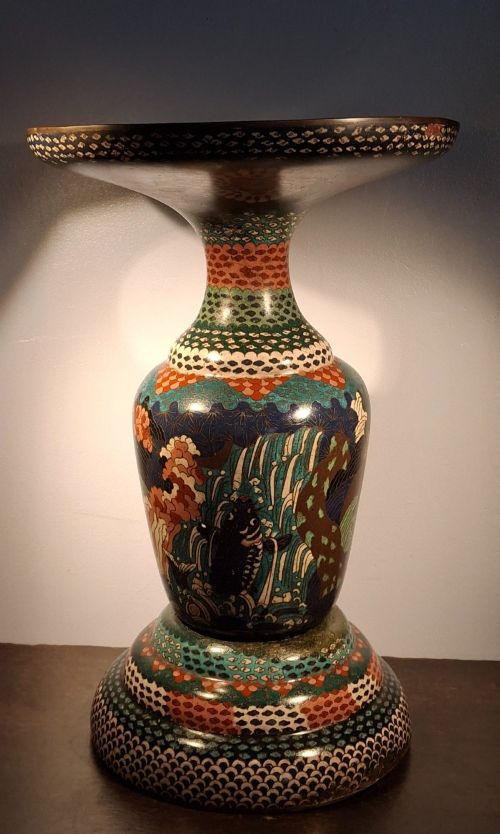
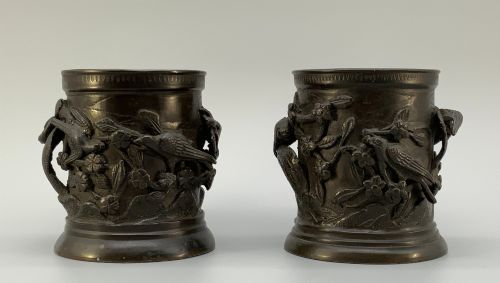
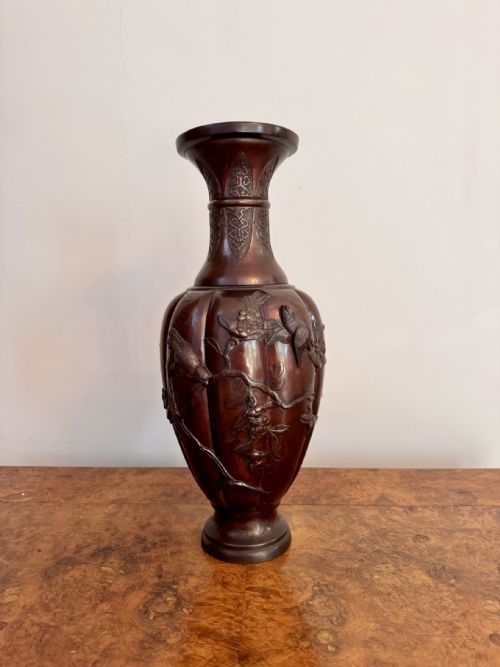
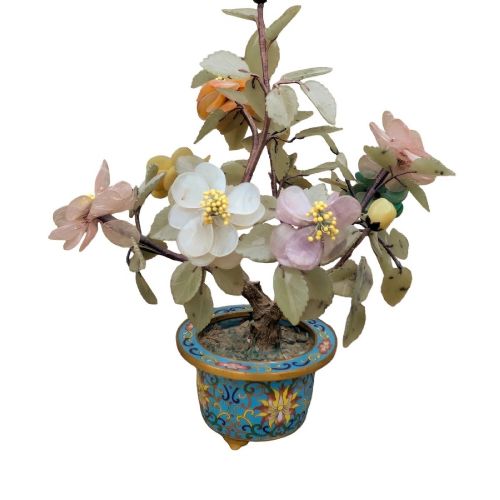
The version you are most likely to meet on this page is a bronze jardiniere or vase adapted for plants or floral arrangements. Many pieces demonstrate distinct cultural motifs, including birds, blossoms, and traditional hardstone flower compositions.
These items function simultaneously as vessels for greenery and as substantial table ornaments or decorative sculpture. The selection balances forms from the nineteenth century with early twentieth-century creations from makers such as Makuzu Kozan II.
How They Were Made
Makers utilised cast bronze and patinated brass to form the primary structure of these jardinieres and vases. Metalworking techniques allowed for detailed surface decoration and substantial weight, as seen in pieces exceeding one kilogram.
Surface ornamentation frequently incorporated cloisonne enamel and applied hardstone elements like jade and quartz. Artisans fused glass enamels within metal wire compartments before firing, creating rich colour variations alongside carved mineral botanical details.
Asian Decorative Planter Retail Price Guide 2026
Typical asking prices for asian decorative planter among the pieces listed under this phrase on Sellingantiques today, from the lower quarter to the upper quarter. They describe what is for sale here now, not the wider market.
Listings feature bronze, brass, enamel, jade, quartz, and patinated bronze across Victorian, 19th-century, and early 20th-century periods.
What Varies in Quality
The distinction between standard items and superior examples rests upon the precision of the metal casting and the complexity of the enamel work. Finer bronzes display sharp, deep relief carving rather than shallow, soft surface detailing.
The integration of materials also defines the tier of a piece, particularly in how securely hardstone and cloisonne elements are set into the bronze or brass body. Signed pieces by established creators command attention for their individual artistic execution.
Makuzu Kozan II
The Asian Decorative Planter Glossary
- Jardiniere
- An ornamental pot or receptacle for holding plants or flowers. These items sit on tables or floors to display botanical arrangements.
- Cloisonne Enamel
- A decorative metalwork technique where thin metal wires form compartments filled with vitreous enamel paste. The piece is then fired and polished to a smooth finish.
- Meiji Period
- A Japanese era lasting from 1868 to 1912 characterised by opening trade and exceptional metal and ceramic craftsmanship. Pieces from this time often show intricate naturalistic motifs.
- Hardstone
- A semi-precious mineral such as jade or quartz used in carving decorative elements. Artisans shape these stones into floral displays for bowls and planters.
- Patinated Bronze
- Bronze treated with chemicals or heat to produce a stable surface colouration and finish. This process protects the metal while enhancing its visual depth.
Asian Decorative Planter: Frequently Asked Questions
What is an Asian decorative planter?
An Asian decorative planter is a vessel designed to hold plants or flowers, typically cast in bronze, brass, or stoneware during the nineteenth or early twentieth centuries.
These pieces encompass Japanese jardinieres, Chinese cloisonne bowls, and vases featuring traditional Meiji or Qing stylistic elements.
How were these planters used?
Owners placed these vessels on tables or within reception rooms to display live bonsai, cut flowers, or artificial hardstone botanical arrangements.
Beyond functional horticulture, they served as sculptural table ornaments that demonstrated the owner's appreciation for fine Asian craftsmanship.
How do I identify a Meiji period piece?
Meiji period items originate from Japan between 1868 and 1912, often displaying naturalistic subjects like birds and blossoms rendered in bronze or satsuma ware.
Examining the casting weight and the precision of surface relief provides further clues to dating these items accurately.
How should I clean bronze and cloisonne?
Bronze surfaces require gentle dusting with a soft, dry cloth to preserve the patinated finish without stripping its protective layer.
Cloisonne enamel should also be kept away from harsh chemical cleaners to protect the delicate glass paste and wire compartments.